
 한국어
한국어 English
 日本語
日本語 中文(简体)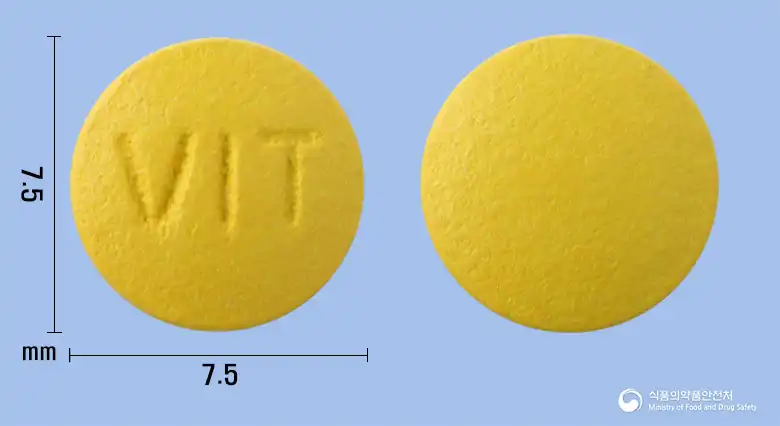
Summary
- Main use
- Relief of Vitamin E (peripheral circulation disorders, menopausal symptoms) and relief of Vitamin B2 (stomatitis, dermatitis, etc.) symptoms
- Who takes it
- Adults · Children
- Adult dose
- 1 tablet per dose, taken 3 times a day after meals.
- Child dose
- 1 tablet per dose, taken 3 times a day after meals.
Ingredients
- Thiamine Nitrate1.3mg / 1 tablet
- Riboflavin12mg / 1 tablet
- Nicotinamide10mg / 1 tablet
- Pyridoxine Hydrochloride15mg / 1 tablet
- Cholecalciferol Concentrate Powder0.5mg / 1 tablet
- Tocopherol Acetate10mg / 1 tablet
- Manufacturer
- (주)휴온스메디텍
Efficacy & effects
Relief of Vitamin E (peripheral circulation disorders, menopausal symptoms) and relief of Vitamin B2 (stomatitis, dermatitis, etc.) symptoms
- Physical fatigue
- decreased physical strength
- shoulder stiffness
- neck stiffness
- tingling in hands and feet
- cold sensation in hands and feet
- angular cheilitis
- cheilitis
- stomatitis
- glossitis
- eczema
- dermatitis
View approved original textHide original text
This medication is used to maintain health by supplementing vitamins D, E, B1, B2, and B6 in cases of physical fatigue, during pregnancy and lactation, after illness, during growth periods, and in older age. In particular, Vitamin E helps relieve symptoms such as shoulder and neck stiffness, tingling in hands and feet, and cold sensation associated with peripheral circulation disorders and menopause. Vitamin B2 improves oral mucosal inflammation symptoms such as angular cheilitis, cheilitis, stomatitis, and glossitis. Through the supply of vitamins, it effectively enhances bodily functions and health status.
How to take
Adult dose
1 tablet per dose, taken 3 times a day after meals.
Child dose
1 tablet per dose, taken 3 times a day after meals.
Precautions
This medication should not be taken by patients with excessive calcium in the blood, unexplained systemic inflammatory diseases, or kidney diseases. It should also be avoided by those who have allergic reactions to any of its components, infants under 3 months of age, or patients with kidney stones. It is important not to take this medication together with specific drugs such as Levodopa or Pyridoxine-containing preparations. Infants under 1 year old, patients receiving treatment from a doctor, children who have significant sun exposure and are eating normally, as well as pregnant or lactating women and those with a history of kidney stones should consult a healthcare professional before taking this medication. This medication contains the dye Yellow No. 5, and caution is needed if there is an allergy to this component. If symptoms such as nausea, vomiting, diarrhea, abdominal discomfort, or skin rash appear during use, discontinue the medication immediately and consult a healthcare professional. Consultation is also necessary if menstrual changes or prolonged bleeding occurs. Patients taking oral contraceptives containing estrogen or those at risk of thrombosis may have an increased risk of thrombosis when taking this medication. Taking Pyridoxine in high doses for extended periods can cause nerve disorders, so caution is advised. High doses can lead to peptic ulcers, impaired blood sugar control, hyperuricemia, and liver damage, so adherence to the recommended dosage is essential. In case of overdose, consult a healthcare professional immediately, and if symptoms do not improve after a month of use, discontinue and seek advice. When administering to children, supervision by a guardian is required, and this medication may change urine color to yellow, affecting test results. It should be stored out of reach of children, away from direct sunlight, in a cool and dry place. Additionally, to maintain quality, it is recommended not to transfer it to another container.
Side effects and when to seek care immediately
Serious side effects
Rash, skin erythema → possibility of severe allergic reaction
Mild side effects
Nausea, vomiting, diarrhea, abdominal discomfort, constipation, rash, erythema, loose stools, increased menstrual flow and bleeding, exacerbation of peptic ulcers, impairment of glucose tolerance, hyperuricemia, liver damage, sensory neuropathy or neurological symptoms, change in urine color
Not everyone experiences these, and they can vary from person to person.
Interactions
Drug interactions
Do not take this medication with Levodopa. Consult a doctor or pharmacist if taking it with oral contraceptives that contain estrogen.
Storage
This medication should be stored in an airtight container and kept at a safe temperature between 1 and 30 degrees Celsius. Proper storage will help retain the medication's effectiveness for a longer time.
Appearance and packaging
Appearance
Yellow round film-coated tablet
Package unit
300 tablets / bottle
Questions about this medicine
No questions yet.
For anything that needs medical judgment, consult a doctor or pharmacist.