
 한국어
한국어 English
 日本語
日本語 中文(简体)
 Viewing now
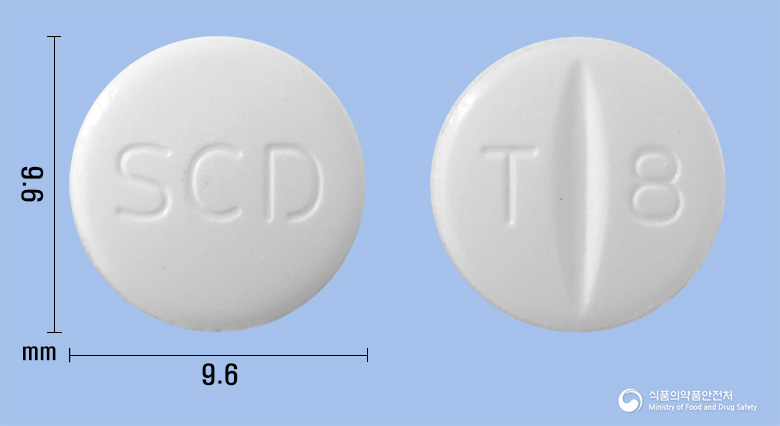
Mirtel Tablet 80 mg (Telmisartan)
Telmisartan 80mg
Tablet · Prescription medication
Samchundang Pharm. Co., Ltd.
MFDS item code 201701087 · Approved 2017.02.28 · Insurance code 651204970
Treatment of essential hypertension and reduction of cardiovascular disease risk
This medication is used for controlling blood pressure in patients with essential hypertension. It also helps reduce the risk of myocardial infarction, stroke, and death due to cardiovascular diseases in high-risk patients aged 55 and older who cannot use ACE inhibitors. In other words, it is used not only for managing hypertension but also for reducing the risk of cardiovascular diseases and protecting patients' health.
As Telmisartan, 40 mg should be taken orally once daily with water, regardless of meals. For certain patients, 20 mg once daily may be effective. If necessary, the dose may be increased up to 80 mg once daily, and the maximum antihypertensive effect is observed 4-8 weeks after dose escalation. To reduce cardiovascular disease risk, 80 mg should be taken orally once daily with water.
This medication can cause serious harm to the fetus and newborn, especially during pregnancy, so it should be discontinued immediately upon confirmation of pregnancy. Patients with allergies to this medication or its components, those who are pregnant or breastfeeding, patients with severe liver dysfunction, patients with a history of hereditary angioedema, and those with certain renal diseases should not take this medication. Elderly patients, patients with hyperkalemia, those with mildly impaired liver function, patients with heart valve diseases, gastrointestinal diseases, renovascular hypertension patients, and patients with severe renal impairment should use this medication cautiously, and dose adjustments may be necessary. While taking this medication, a variety of adverse reactions may occur, therefore symptoms should be closely monitored, and if symptoms such as hypotension, hyperkalemia, renal function deterioration, angioedema, liver function abnormalities, interstitial pneumonia, or rhabdomyolysis occur, medical consultation should be sought immediately. It is important for patients with reduced renal function or transplant patients to regularly check potassium and creatinine levels through blood tests. In states of reduced blood volume, there is a risk of hypotension, so caution is warranted. Interactions may occur when taken with other antihypertensives or specific medications, so it is essential to inform healthcare providers of all current medications, and some combination with certain drugs is not recommended. This medication is not recommended for use during pregnancy, and breastfeeding mothers should either stop breastfeeding or avoid its use as it may affect the baby through breast milk. The safety and efficacy of this medication have not been established in children under 18 years of age, therefore its use is not advised. Elderly patients should be carefully monitored to avoid excessive blood pressure reduction during use. In case of overdose, symptoms such as hypotension, cardiac arrhythmias, dizziness, and acute renal failure may appear, requiring immediate medical attention. It is not removed by blood dialysis. This medication should be kept out of reach of children and stored sealed until just before ingestion to maintain quality. There is a risk of fainting or dizziness while driving or operating hazardous machinery, so caution is needed. Patients with gastrointestinal diseases should be cautious when taking it due to a risk of gastrointestinal bleeding.
Not everyone experiences these, and they can vary from person to person.
This medication should be stored in a sealed container to protect it from air and moisture, maintaining a storage temperature between 1 degree and 30 degrees Celsius at room temperature. This will help preserve the medication's efficacy and prevent degradation.
White or off-white, biconvex, round tablet
30 tablets/box [(10 tablets/Alu-Alu) x 3]
Even with the same ingredient, strength, dosage form and how it is taken can differ.
Viewing nowTelmisartan 80mg
Tablet · Prescription medication
Samchundang Pharm. Co., Ltd.
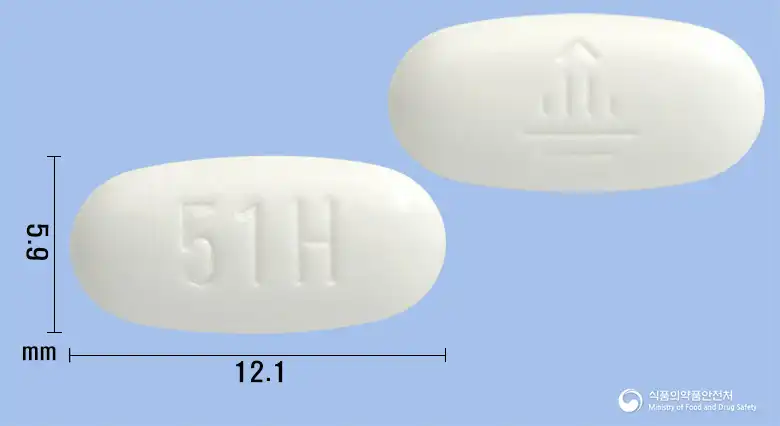
Telmisartan 40mg
Tablet · Prescription medication
Boehringer Ingelheim Korea Co., Ltd.
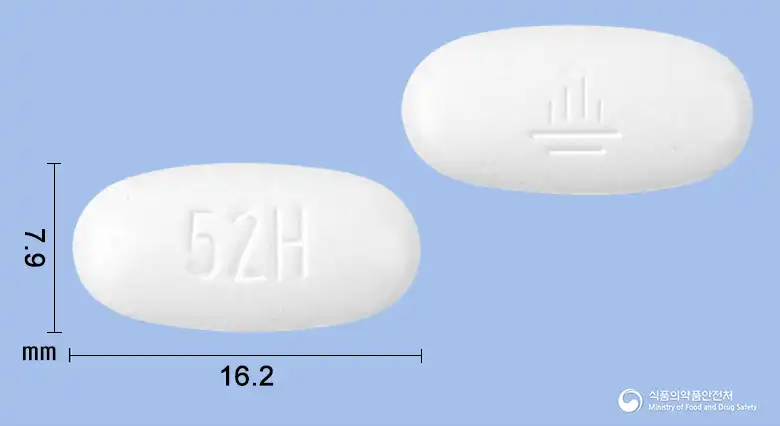
Telmisartan 80mg
Tablet · Prescription medication
Boehringer Ingelheim Korea Co., Ltd.
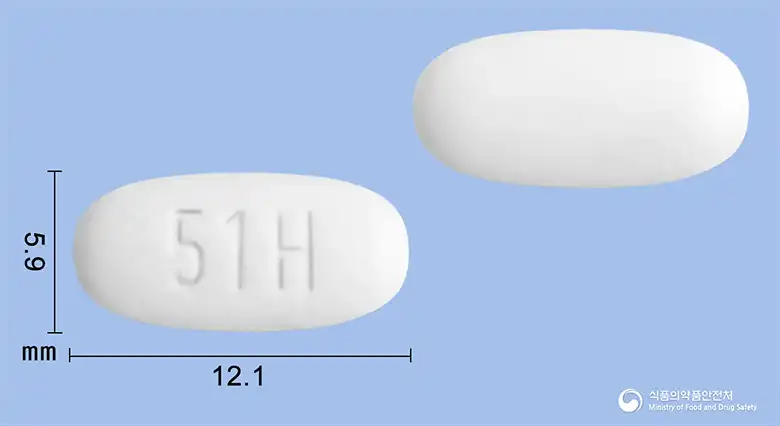
Telmisartan 40mg
Tablet · Prescription medication
Kwangdong Pharmaceutical Co., Ltd.
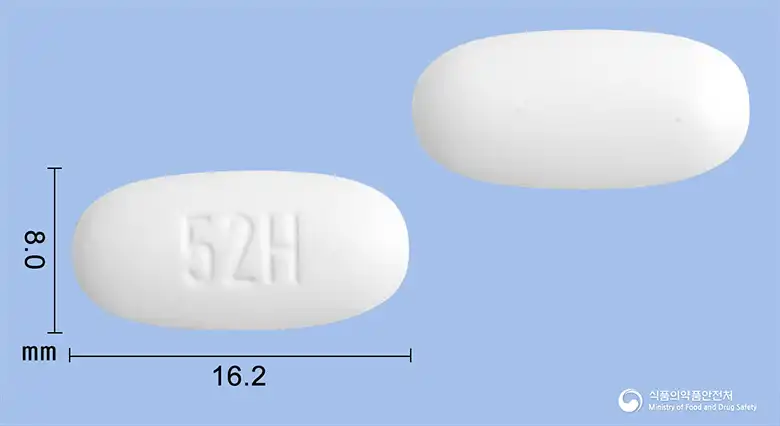
Telmisartan 80mg
Tablet · Prescription medication
Kwangdong Pharmaceutical Co., Ltd.
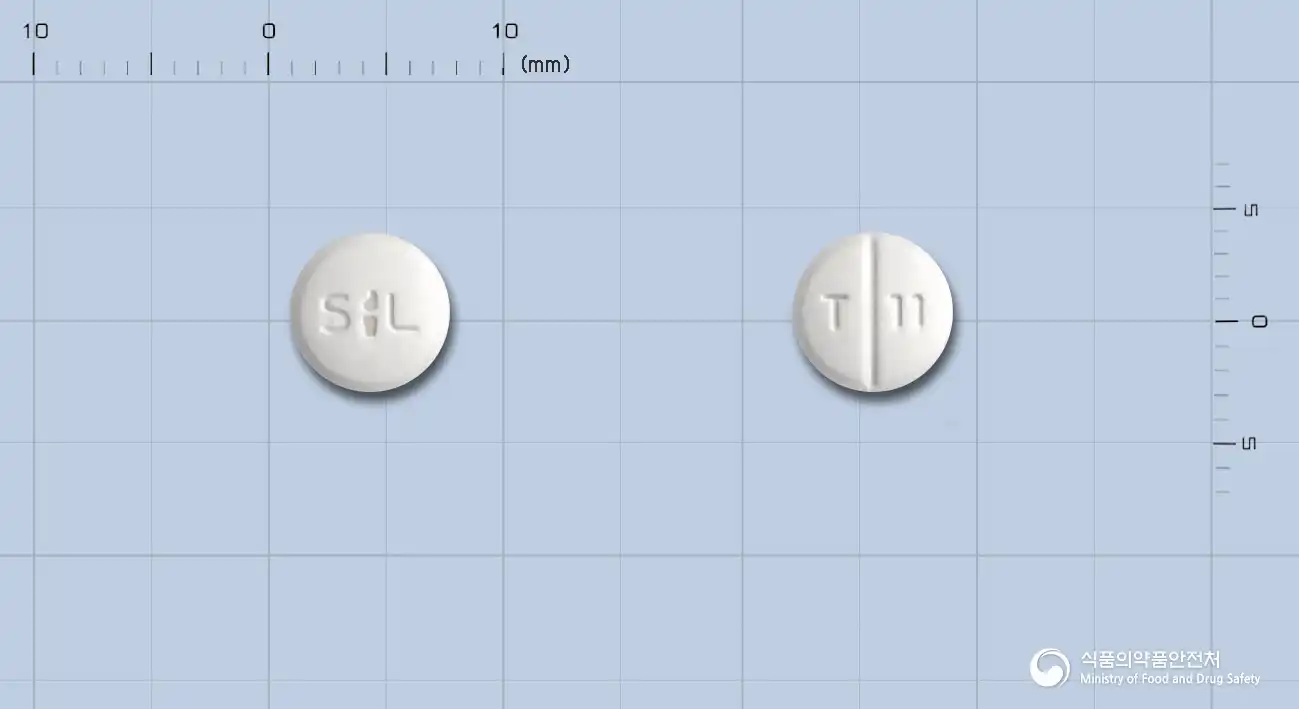
Telmisartan 40mg
Tablet · Prescription medication
Sam-il Pharmaceutical Co., Ltd.
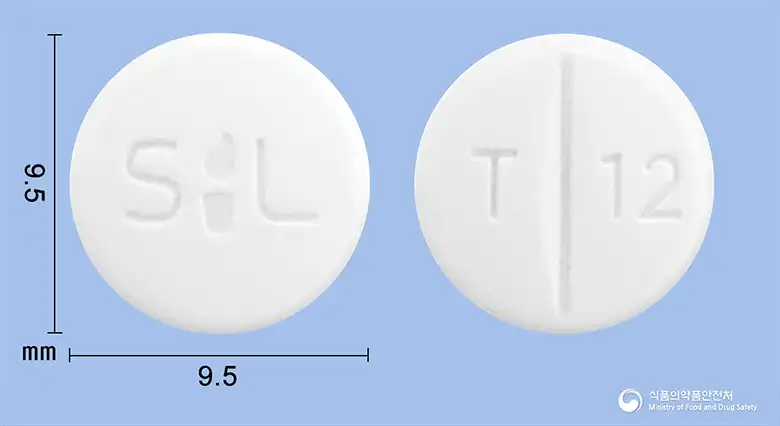
Telmisartan 80mg
Tablet · Prescription medication
Samil Pharmaceutical Co., Ltd.
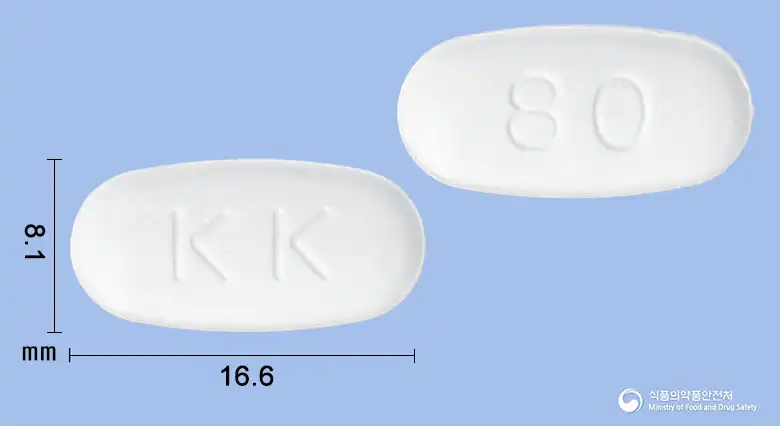
Telmisartan 80mg
Tablet · Prescription medication
Genewon Science Co., Ltd.
Even with the same ingredient, the dose and directions can differ by strength and dosage form. Talk to a doctor or pharmacist before switching from a medication you are already taking.
No questions yet.
For anything that needs medical judgment, consult a doctor or pharmacist.
This drug information is based on data provided by the Korea Ministry of Food and Drug Safety.
Consult a doctor or pharmacist for accurate dosage, administration, and usage instructions.