
 한국어
 English
 日本語
 中文(简体)
 Viewing nowCombination
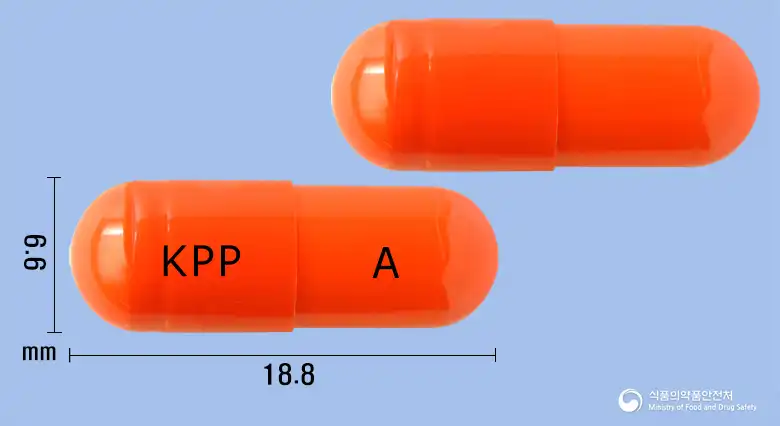
Plavix A Capsule
Clopidogrel Bisulfate 97.875mg · Aspirin Enteric Pellets 122mg
Hard capsule · Prescription medication · Combination
Korea Prime Pharmaceutical Co., Ltd.
MFDS item code 201701038 · Approved 2017.02.24
Improvement of atherosclerotic symptoms in acute coronary syndrome; prevention of thromboembolism in atrial fibrillation
Clopidogrel and aspirin are administered to adult patients with acute coronary syndrome, particularly for those with unstable angina or non-ST elevation myocardial infarction, who are undergoing or are to undergo percutaneous coronary intervention (PCI) or coronary artery bypass grafting (CABG). This drug combination aids in the improvement of atherosclerotic symptoms such as death from cardiovascular abnormalities, myocardial infarction, stroke, or ischemic symptoms. Additionally, it is used to reduce the risk of stroke and thromboembolism in patients with atrial fibrillation who have one or more vascular risk factors and where vitamin K antagonists are inappropriate, provided there is a low risk of bleeding. Therefore, it is effective in lowering the risk of thrombus formation and preventing cardiovascular complications in such patients.
Administer 1 capsule once daily.
This medication may cause bleeding that lasts longer than normal, so if bleeding does not stop or if there are unusual bleeding areas, you should inform a doctor immediately. Be sure to inform medical personnel that you are taking this medication before undergoing surgery or starting any new medication. Patients with genetic deficiencies in certain enzymes (CYP2C19) may have a reduced effect of this medication, increasing the risk of cardiovascular issues. Co-administration with drugs that activate certain enzymes can increase bleeding risk, so combining these should be avoided. Individuals who consume more than three alcoholic beverages per day should consult a doctor or pharmacist before taking this medication, as otherwise, gastrointestinal bleeding may occur. This medication should not be given to patients with certain conditions or allergies to specific medications, particularly those with severe liver or kidney dysfunction, or during late-stage pregnancy or breastfeeding. Patients with a history of gastrointestinal bleeding or bleeding tendencies should use this medication with caution and consult medical personnel immediately if bleeding symptoms occur. Patients scheduled for surgery should stop taking this medication 5 to 7 days prior, and resume only after hemostasis has been achieved. This medication can inhibit platelet function in the blood, increasing bleeding risk, so caution is necessary when taken with other anticoagulants or non-steroidal anti-inflammatory drugs. Use is not recommended in patients with acute stroke or hematological disorders. Allergic reactions such as skin rash, itching, and difficulty breathing can occur during treatment, so if such symptoms manifest, you should stop this medication and inform medical personnel immediately. During early to mid-pregnancy, it should only be taken if deemed necessary by a doctor, while it should not be used in late pregnancy. Women who are breastfeeding should not take this medication. This medication is not recommended for children or adolescents under 18 years of age, as safety and efficacy have not been established. Overdosage may significantly increase the risk of bleeding, so you must adhere strictly to the dosage, and contact a medical institution immediately in case of overdose. Store this medication out of reach of children, in a tightly sealed container, and avoid transferring it to other containers. It should be kept at room temperature.
Abnormal bleeding, gastric bleeding, gastric ulcer, abdominal pain, heartburn, nausea, vomiting, purpura, contusion, hematoma, nasal bleeding, hematoma, hematuria, intraocular bleeding, intracranial bleeding, dizziness, headache, neutropenia, agranulocytosis, thrombocytopenia, diarrhea, rash, pruritus, urinary tract infection, shock, anaphylactic symptoms, dyspnea, generalized flushing, angioedema, urticaria, rhinitis, fixed drug eruption, drug reaction with eosinophilia and systemic symptoms (DRESS syndrome), Reiter's syndrome, Stevens-Johnson syndrome, exfoliative dermatitis, pancytopenia, double blood cell reduction, bone marrow failure, anemia, impaired platelet function, loss of appetite, chest pain, gastric pain, tinnitus, hearing loss, agitation, elevated liver enzymes, liver damage, chronic hepatitis, renal impairment, acute renal failure, hyperventilation, metabolic acidosis, weakness, fever, hernia, heart failure, leg cramps, sensory impairment, neuralgia, sensory abnormality, vertigo, constipation, vomiting, atrial fibrillation, increased liver enzymes, gout, hyperuricemia, anxiety, insomnia, anemia, pneumonia, sinusitis, eczema, skin ulcer, cystitis, cataract, conjunctivitis, confusion, hallucination, taste disorder, taste loss, vasculitis, hypotension, bronchospasm, interstitial pneumonia, eosinophilic pneumonia, colitis, pancreatitis, gastritis, stomatitis, hepatitis, acute liver failure, herpes zoster, erythema multiforme, papular urticaria, urticaria, pruritus, angioedema, vesicular dermatitis, drug-induced hypersensitivity syndrome, lichen planus, arthralgia, arthritis, myalgia, glomerulopathy, gynecomastia, fever, abnormal liver function tests, elevated blood creatinine, hemothorax, herpes zoster, erythema multiforme, papular urticaria, urticaria, renal dysfunction, acute renal failure, agranulocytosis, granulocytopenia, leukemia, leucopenia, neutropenia, eosinophilia, coma, respiratory failure, circulatory disturbances, non-cardiogenic pulmonary edema
Not everyone experiences these, and they can vary from person to person.
This medication may be sensitive to air or moisture, so it must be stored in a tightly sealed container. It is recommended to maintain storage temperatures between 1 degree and 30 degrees Celsius. This will help to preserve the drug's efficacy for a longer time.
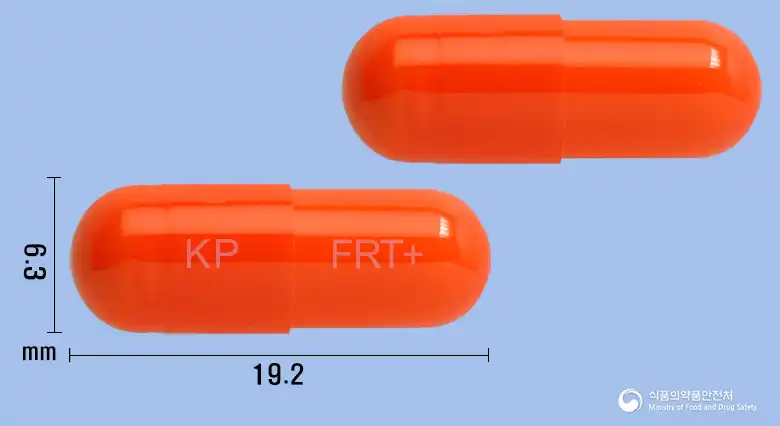
An orange hard capsule containing white and pale yellow granules and enteric-coated pellets.
Bottle - 30 capsules/bottle, Bottle - 300 capsules/bottle
Even with the same ingredient, strength, dosage form and how it is taken can differ.
Viewing nowCombinationClopidogrel Bisulfate 97.875mg · Aspirin Enteric Pellets 122mg
Hard capsule · Prescription medication · Combination
Korea Prime Pharmaceutical Co., Ltd.
Clopidogrel Bisulfate 97.875mg · Aspirin Enteric Pellets 122mg
Hard capsule · Prescription medication · Combination
Jinyang Pharmaceutical Co., Ltd.
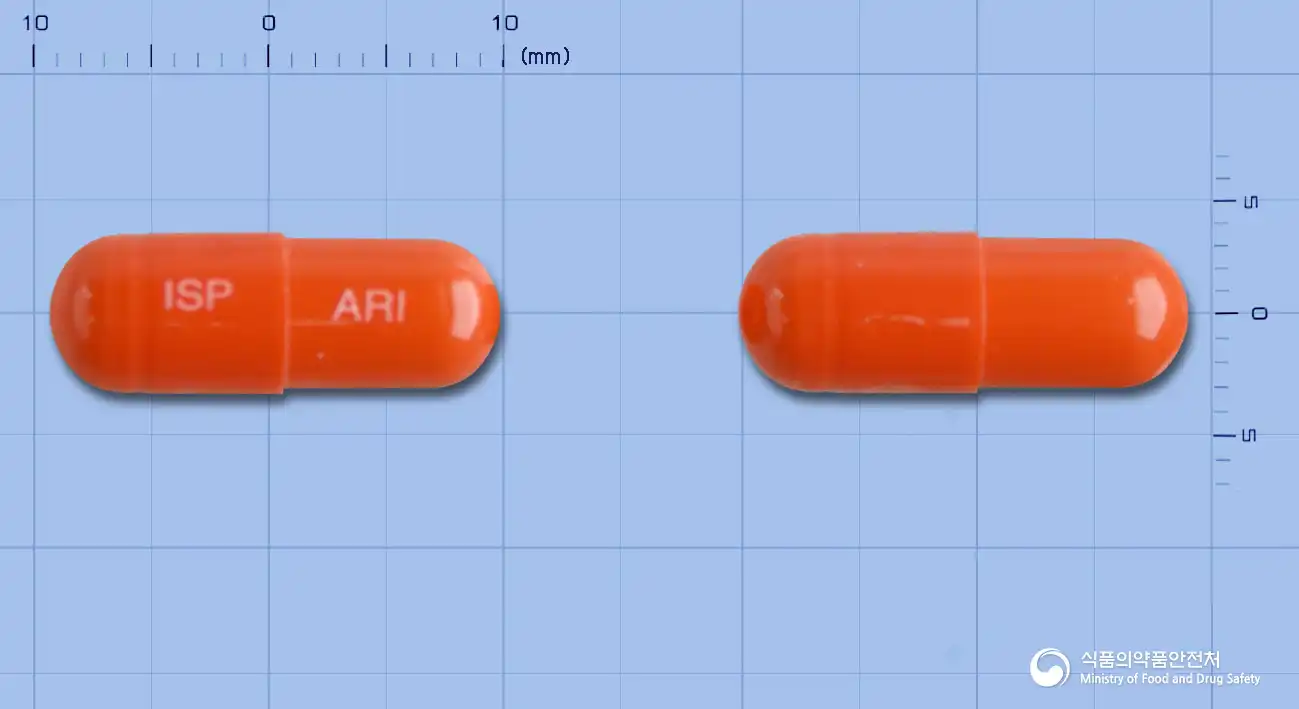 Combination
Clopidogrel Bisulfate 97.875mg · Aspirin Enteric Pellets 122mg
Hard capsule · Prescription medication · Combination
Huons Co., Ltd.
Clopidogrel Bisulfate 97.875mg · Aspirin Enteric Pellets 122mg
Hard capsule · Prescription medication · Combination
Boryeong Biopharma Co., Ltd.
Clopidogrel Bisulfate 97.875mg · Aspirin Enteric Pellets 122mg
Hard capsule · Prescription medication · Combination
Celltrion Pharmaceutical Co., Ltd.
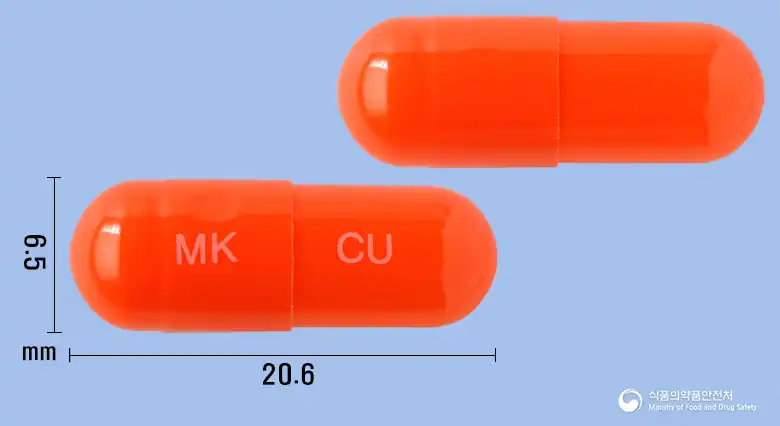 Combination
Clopidogrel Bisulfate 97.875mg · Aspirin Enteric Pellets 122mg
Hard capsule · Prescription medication · Combination
Medica Korea Co., Ltd.
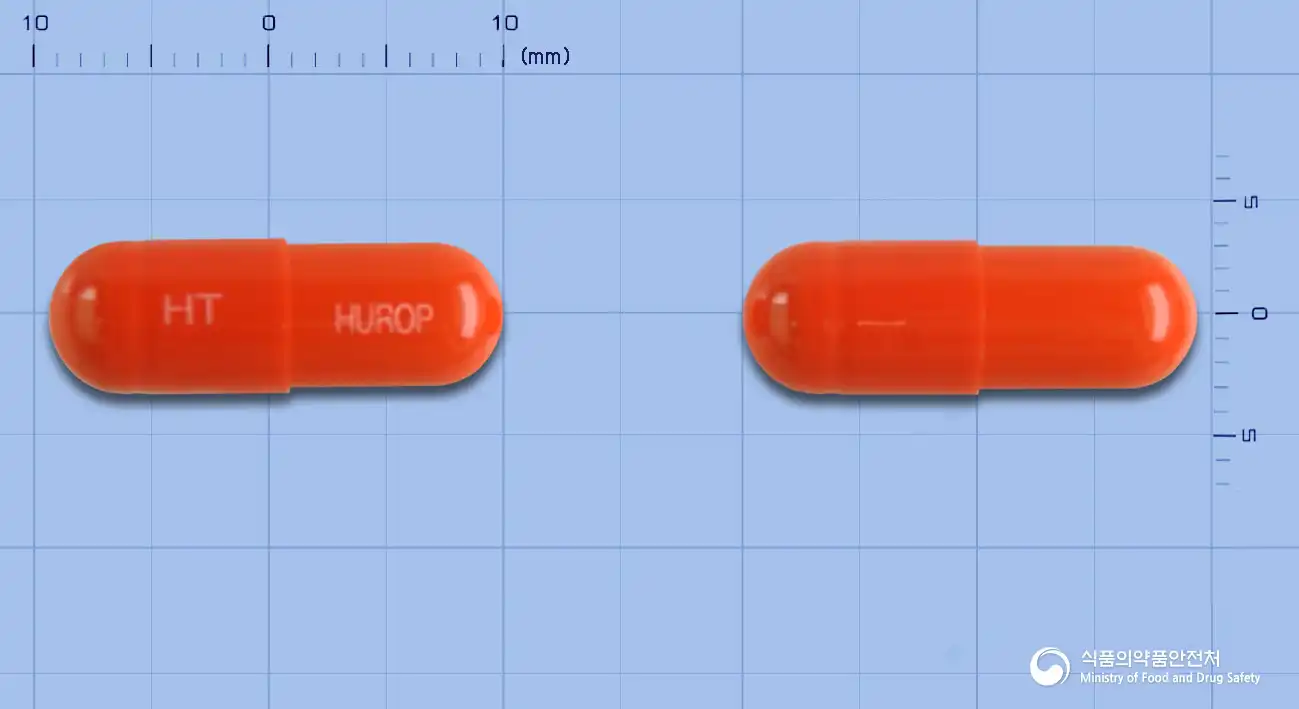 Combination
Clopidogrel Bisulfate 97.875mg · Aspirin Enteric Pellets 122mg
Hard capsule · Prescription medication · Combination
Korea Hutex Pharmaceutical Co., Ltd.
 Combination
Clopidogrel Bisulfate 97.875mg · Aspirin Enteric Pellets 122mg
Hard capsule · Prescription medication · Combination
Korea Pharma Co., Ltd.
Even with the same ingredient, the dose and directions can differ by strength and dosage form. Talk to a doctor or pharmacist before switching from a medication you are already taking.
No questions yet.
For anything that needs medical judgment, consult a doctor or pharmacist.
This drug information is based on data provided by the Korea Ministry of Food and Drug Safety.
Consult a doctor or pharmacist for accurate dosage, administration, and usage instructions.