
 한국어
한국어 English
 日本語
日本語 中文(简体)
 Viewing now
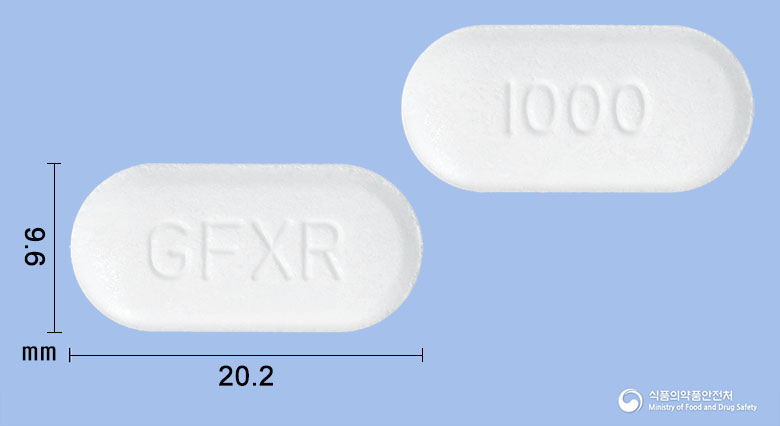
Glucophage Extended Release 1000 mg (Metformin Hydrochloride)
Metformin Hydrochloride 1000mg
Tablet · Prescription medication
Hanol Bio Pharma Co., Ltd.
MFDS item code 201701004 · Approved 2017.02.23 · Insurance code 655604990
Treatment for blood sugar control and weight improvement in type 2 diabetes
This medication is used for adult patients with type 2 diabetes whose blood sugar cannot be controlled by diet and exercise alone, especially for those who are overweight. It can be administered alone or in combination with other oral anti-diabetic agents or insulin, effectively helping to control blood sugar levels. This treatment helps to improve blood sugar management and contributes to the prevention of diabetes complications.
The general initial dose is to take 500 mg of Metformin Hydrochloride extended-release once daily with the evening meal. After one week, monitor blood sugar levels and adjust the dose accordingly. The dose may be gradually increased by 500 mg weekly, up to a maximum of 2000 mg per day with the evening meal. If blood sugar is not controlled with a maximum single daily dose of 2000 mg, then consider 1000 mg twice a day, taken with each meal.
This medication can very rarely cause a serious condition called lactic acidosis, so you should consult a doctor immediately if you experience any unusual symptoms while using it. This medication can cause hypoglycemia when used with other diabetes treatments, so blood sugar levels should be monitored closely. This medication should not be used in patients with moderate to severe impaired kidney function, or in patients who are dehydrated or have acute conditions such as severe infections. Patients with acute heart failure or acute myocardial infarction must discontinue this medication before certain radiological examinations, and can only resume it once normal kidney function is confirmed after the examination. It is not to be given to patients with allergic reactions to this medication, or those with type 1 diabetes or diabetic ketoacidosis. In cases of severe infection, trauma, surgery, or instability of the body condition, this medication should be temporarily discontinued and can be resumed once the condition stabilizes and kidney function returns to normal. Patients with poor nutritional status or impaired liver function, as well as those who consume excessive alcohol, should use this medication with caution. During treatment, kidney function should be regularly tested to prevent the accumulation of the drug in the body, and particular caution should be exercised in the elderly and those with impaired kidney function. This medication can cause gastrointestinal discomfort, nausea, vomiting, and diarrhea, so it's advisable to gradually increase the dosage or take it with meals during the initial period. Vitamin B12 deficiency may occur, so regular blood tests are necessary to monitor this. Acute or chronic alcohol consumption should be avoided during the use of this medication, as taking it with alcohol increases the risk of lactic acidosis. This medication crosses the placenta during pregnancy, so the condition of both the fetus and the mother should be closely monitored when used in pregnancy, and it is not recommended for use during breastfeeding. Its safety has not been established in children, so it is advisable not to use it in those under 17 years of age. In case of overdose, the risk of lactic acidosis is higher than that of hypoglycemia, so if overdose is suspected, immediate medical treatment is necessary. This medication may interact with other drugs, so it is essential to inform your doctor or pharmacist of any other medications you are taking. While taking this medication, regular blood sugar testing and consistent meal and exercise routines should be maintained, and if any abnormal symptoms occur, consult medical professionals immediately.
Severe lactic acidosis (may be fatal), lactic acidosis-related fatigue, muscle pain, dyspnea, weakness, abdominal pain, hypothermia, hypotension, resistant bradyarrhythmia, severe allergic reactions (including urticaria), severe skin reactions, hypoxia, acute heart failure, acute myocardial infarction, sepsis, acute kidney failure, jaundice, liver dysfunction, severe edema, severe hypoglycemia, increased blood pressure, serious neurological symptoms (severe headache, confusion).
Vitamin B12 deficiency, taste disturbance, nausea, vomiting, diarrhea, abdominal pain, anorexia, erythema, pruritus, urticaria, rash, hypoglycemic symptoms (especially when combined with other anti-diabetic agents), gastrointestinal symptoms, hemoglobin abnormalities, potential for megaloblastic anemia.
Not everyone experiences these, and they can vary from person to person.
This medication should be kept in a tightly closed container to protect it from air and moisture. It is important to maintain a storage temperature between 1 and 30 degrees Celsius at room temperature. This helps to preserve the drug's effectiveness and safety for a longer period.
White rectangular extended-release tablets
30 tablets/bottle, 300 tablets/bottle
Even with the same ingredient, strength, dosage form and how it is taken can differ.
Viewing nowMetformin Hydrochloride 1000mg
Tablet · Prescription medication
Hanol Bio Pharma Co., Ltd.
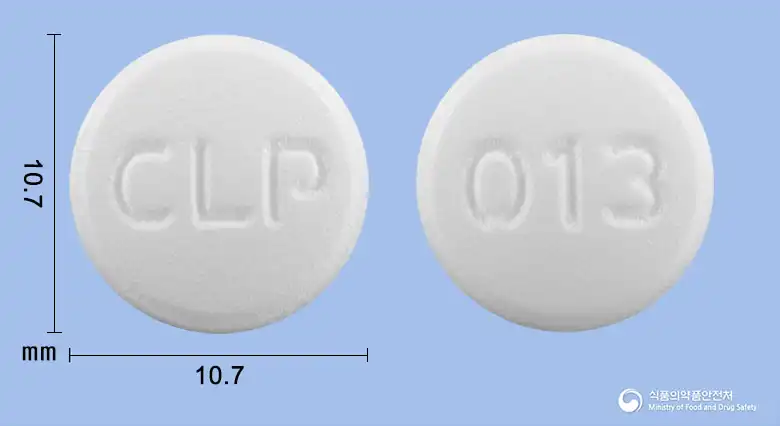
Metformin Hydrochloride 500mg
Tablet · Prescription medication
(Celltrion Pharmaceuticals)
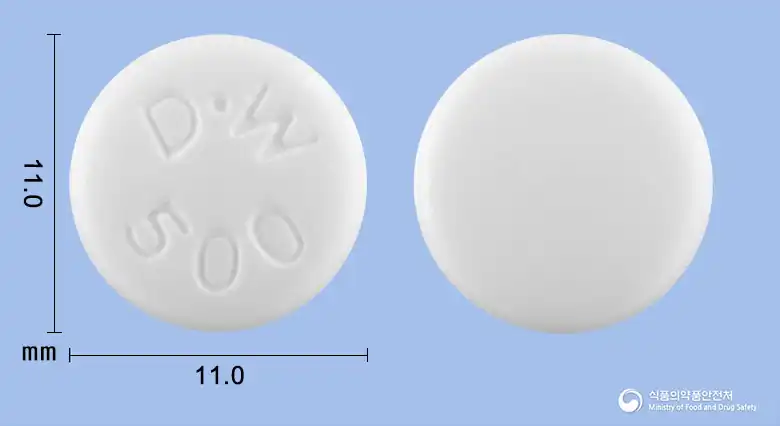
Metformin Hydrochloride 500mg
Tablet · Prescription medication
(Daewoong Pharmaceutical)
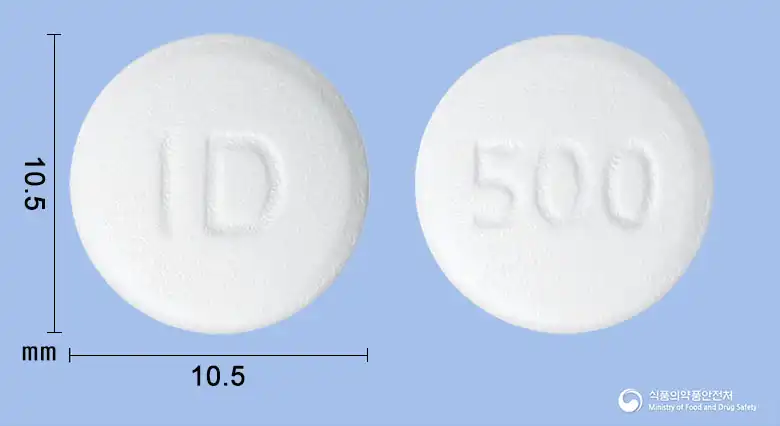
Metformin Hydrochloride 500mg
Tablet · Prescription medication
(Ildong Pharmaceutical Co., Ltd.)

Metformin Hydrochloride 500mg
Tablet · Prescription medication
(Ilseong IS Co., Ltd.)
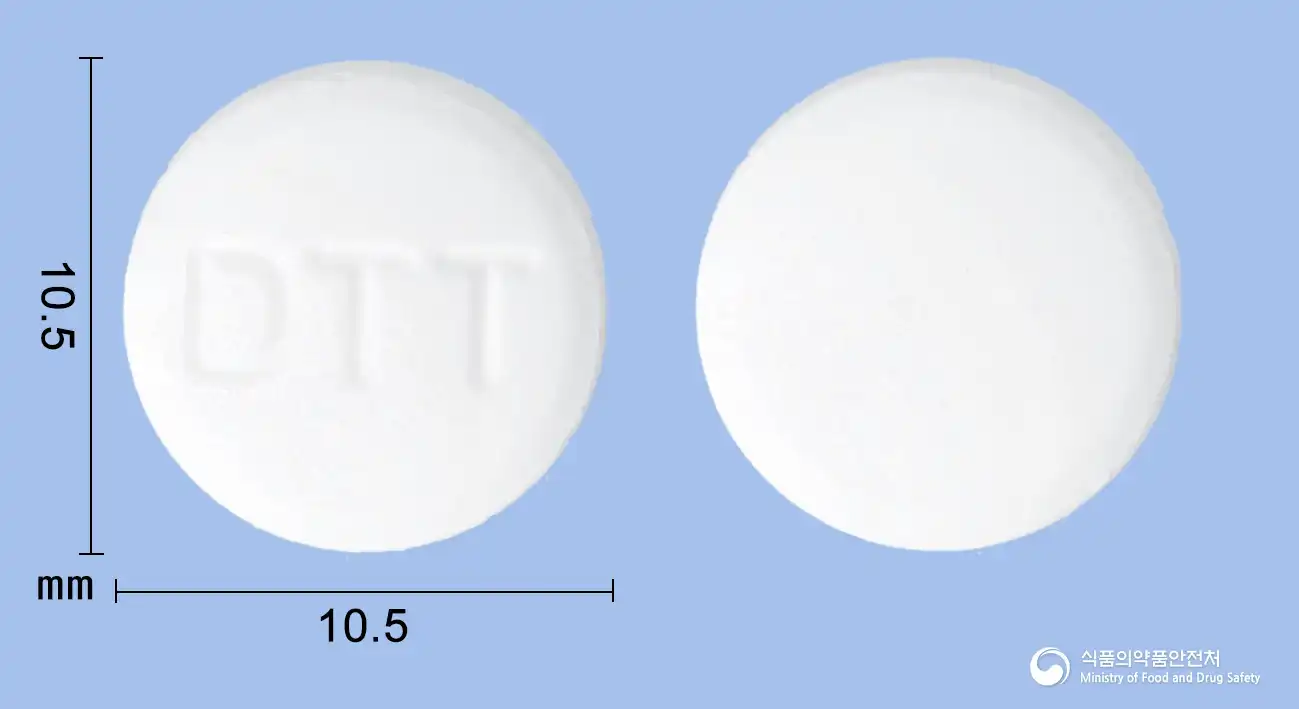
Metformin Hydrochloride 500mg
Tablet · Prescription medication
(Kyungdong Pharmaceutical Co., Ltd.)
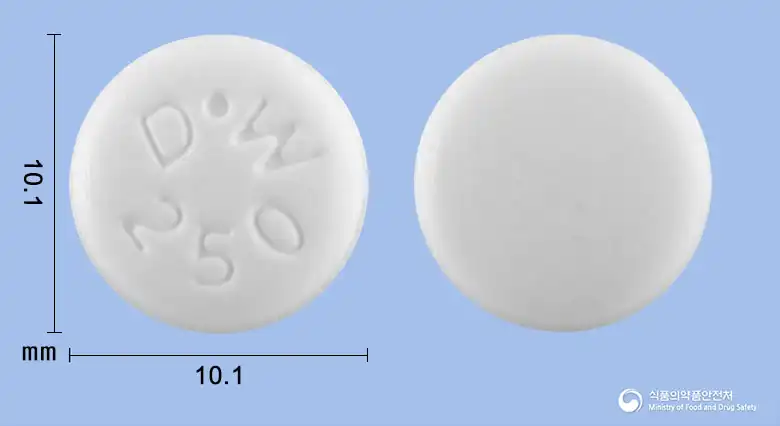
Metformin Hydrochloride 250mg
Tablet · Prescription medication
(Daewoong Pharmaceutical)

Metformin Hydrochloride 500mg
Tablet · Prescription medication
(Youngpoong Pharmaceutical Co., Ltd.)
Even with the same ingredient, the dose and directions can differ by strength and dosage form. Talk to a doctor or pharmacist before switching from a medication you are already taking.
No questions yet.
For anything that needs medical judgment, consult a doctor or pharmacist.
This drug information is based on data provided by the Korea Ministry of Food and Drug Safety.
Consult a doctor or pharmacist for accurate dosage, administration, and usage instructions.