
 한국어
 English
 日本語
 中文(简体)
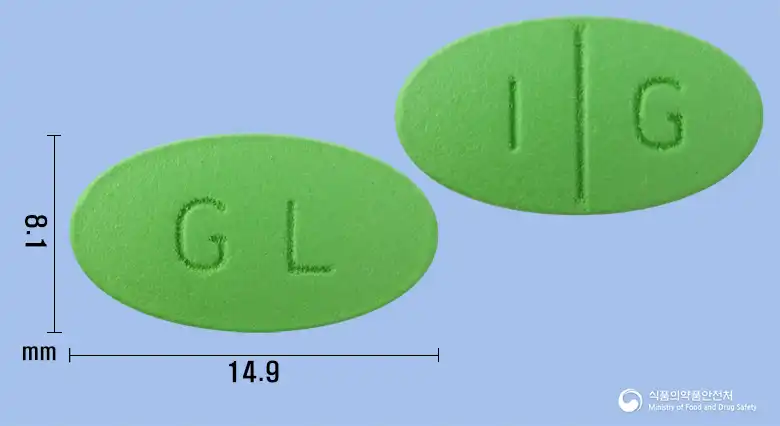 Viewing nowCombination
Ginkgo Lexion
Cilostazol 100mg · Ginkgo Biloba Leaf Dried Extract 80mg
Tablet · Prescription medication · Combination
IQUR Co., Ltd.
MFDS item code 201700919 · Approved 2017.02.21
Prevention of recurrent cerebral infarction; improvement of ischemic symptoms of chronic arterial occlusive disease
Cilostazol can be combined with Ginkgo Biloba Dry Extract when cilostazol monotherapy is not sufficient. This combination therapy helps improve ischemic symptoms such as ulcers, pain, and coldness associated with chronic arterial occlusive diseases. It is also used to prevent recurrence after the onset of cerebral infarction (excluding cardiogenic cerebral embolism). Using both drugs together can lead to better outcomes in terms of improving blood flow and alleviating symptoms. Depending on the patient's condition, combination therapy may be an appropriate treatment option.
This medicine is used as an alternative treatment in adult patients for whom concomitant administration of cilostazol 100 milligrams and Ginkgo biloba dry extract 80 milligrams per dose, twice daily, is sufficiently effective. The usual adult dose is 1 tablet orally twice daily.
This medication may increase heart rate and may cause angina symptoms, so careful observation for angina symptoms is necessary. It should not be used in patients with a high risk of bleeding, patients with recent hemorrhagic stroke, or patients who have undergone surgery. It should also be avoided in patients with heart failure, patients who have had allergic reactions to the medication, and women who are pregnant or breastfeeding. This medication contains lactose and should not be used in patients with genetic lactose intolerance. Caution is required when combined with anticoagulants, antiplatelet agents, thrombolytics, etc., as it may increase the risk of bleeding. It should be used with caution in menstruating women, patients with severely impaired kidney and liver function, and patients with diabetes. Patients with cardiac arrhythmias or structural heart problems also require careful monitoring. Serious side effects such as bleeding, blood abnormalities, interstitial pneumonia, and heart problems may occur during treatment; any unusual symptoms should be reported to a healthcare professional immediately. Dizziness may occur, so caution should be exercised when driving or operating machinery. Women who are pregnant or may become pregnant should not take this medication, and breastfeeding should be avoided. Special attention is required for children and the elderly, especially the elderly may need dosage adjustments. In case of overdose, severe headache, diarrhea, hypotension, and rapid heart rate may occur; immediate medical assistance should be sought. This medication should be stored in a sealed container to avoid exposure to air or moisture, and it is important to maintain a storage temperature between 1 and 30 degrees Celsius. This ensures that the efficacy and safety of the medication are preserved.
Increased heart rate, angina, headache, nausea, vomiting, altered consciousness, hemiplegia, pulmonary hemorrhage, subcutaneous hemorrhage, gastrointestinal bleeding, nasal bleeding, retinal hemorrhage, hematuria, pancytopenia, agranulocytosis, thrombocytopenia, leukopenia, aplastic anemia, fever, cough, shortness of breath, abnormal chest X-ray, eosinophilia, congestive heart failure, myocardial infarction, ventricular tachycardia, jaundice, elevated AST, elevated ALT, elevated ALP, elevated LDH, photosensitivity reaction, rash, urticaria, pruritus, back pain, infection, chills, malaise, neck stiffness, pelvic pain, retroperitoneal hemorrhage, atrial fibrillation, atrial flutter, loss of functional tachycardia, ventricular tachycardia, loss of functional ectopic beats, ventricular ectopic beats, hypotension, orthostatic hypotension, palpitations, tachycardia, flushing, hypertension, cerebral infarction, cerebral ischemia, cardiac arrest, myocardial ischemia, syncope, varices, vasodilation, left ventricular outflow tract obstruction, anxiety, neuralgia, weakness, strange dreams, heaviness in the head, dizziness, insomnia, paresthesia, drowsiness, tremors, abnormal stools, dyspepsia, cholelithiasis, colitis, duodenal ulcer, duodenitis, esophagitis, elevated γ-GTP, gastritis, gastroenteritis, gum bleeding, black stools, peptic ulcer, periodontal abscess, gastric ulcer, tongue swelling, abdominal pain, loss of appetite, diarrhea, heartburn, abdominal distension, gastrointestinal malaise, erythrocytosis, purpura, prolonged bleeding time, thrombocytosis, eosinophilia, anemia, facial edema, peripheral edema, gout, hyperlipidemia, elevated blood sugar, myalgia, arthralgia, bone pain, bursitis, increased cough, pharyngitis, rhinitis, asthma, sinusitis, pneumonia, diabetes, dry skin, boils, skin hypertrophy, allergic skin reaction, amblyopia, blindness, diplopia, ear pain, tinnitus, conjunctivitis, proteinuria, cystitis, vaginal bleeding, vaginitis, frequent urination, renal failure, abnormal renal function, elevated BUN, elevated creatinine, elevated uric acid, sweating, edema, chest pain, pain, lethargy, fever, palpitations, skeletal abnormalities, increased sputum, hypocholesterolemia, constipation, change in saliva color, increased saliva, dyspnea, facial flushing, conjunctival hemorrhage
Not everyone experiences these, and they can vary from person to person.
This medication should be stored in a tightly sealed container to prevent exposure to air or moisture. It is important to maintain a storage temperature between 1 and 30 degrees Celsius. This helps to preserve the medication's efficacy and safety.
Green oval film-coated tablet
30 tablets/bottle, 300 tablets/bottle
Even with the same ingredient, strength, dosage form and how it is taken can differ.
Viewing nowCombinationCilostazol 100mg · Ginkgo Biloba Leaf Dried Extract 80mg
Tablet · Prescription medication · Combination
IQUR Co., Ltd.
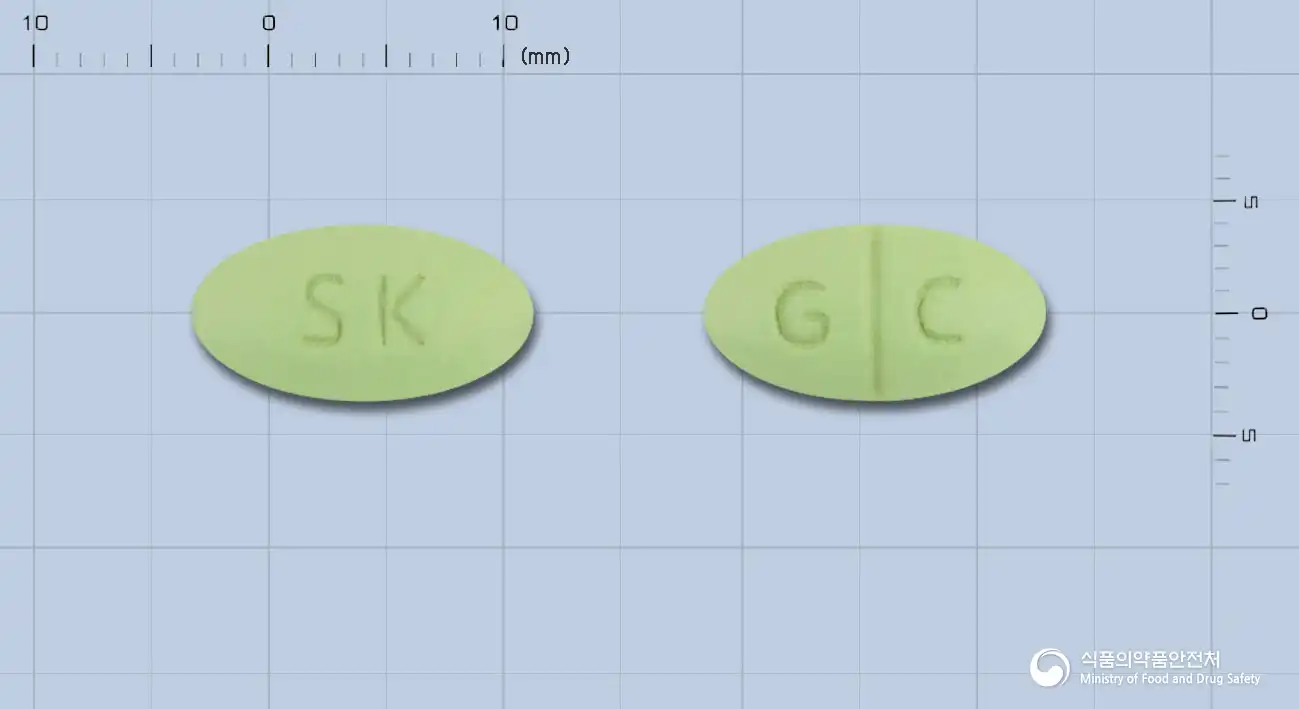 Combination
Cilostazol 100mg · Ginkgo Biloba Leaf Dried Extract 80mg
Tablet · Prescription medication · Combination
SK Chemical Co., Ltd.
Cilostazol · Ginkgo Biloba Leaf Dried Extract
Prescription medication · Combination
Korea Prime Pharmaceuticals Co., Ltd.
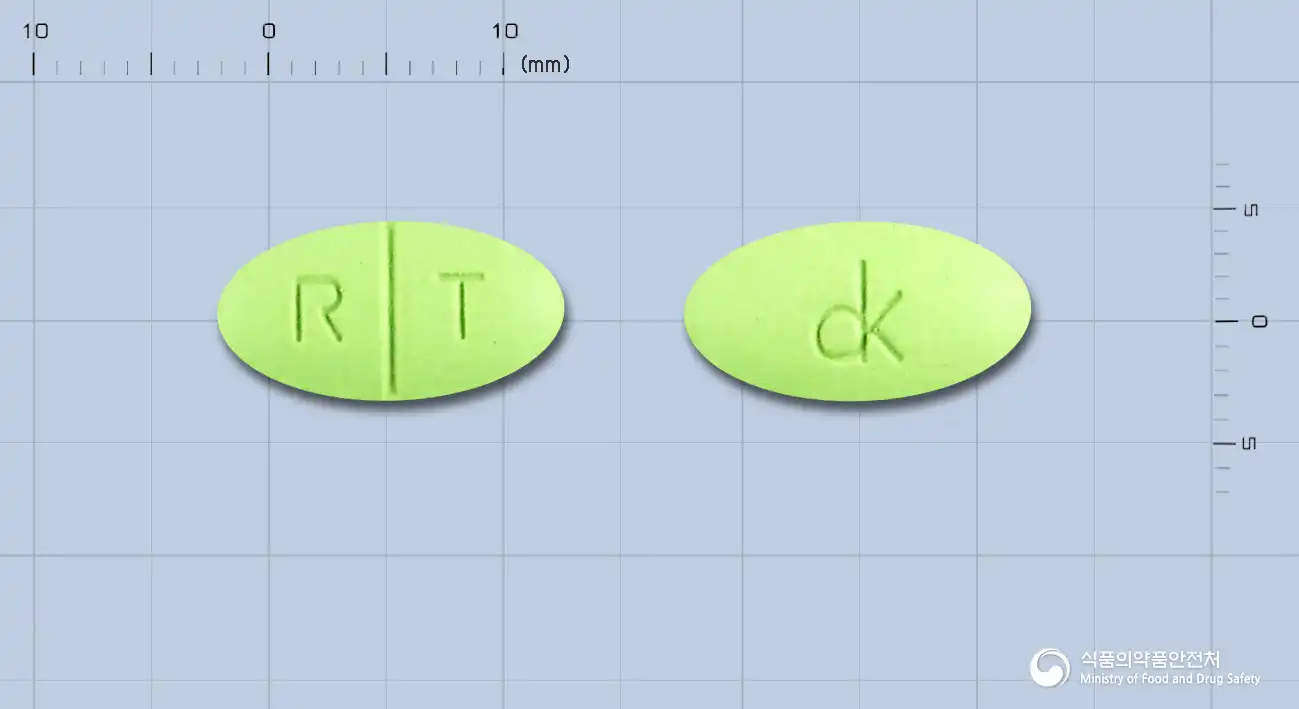 Combination
Cilostazol 100mg · Ginkgo Biloba Leaf Dried Extract 80mg
Tablet · Prescription medication · Combination
Dongguk Pharmaceutical Co., Ltd.
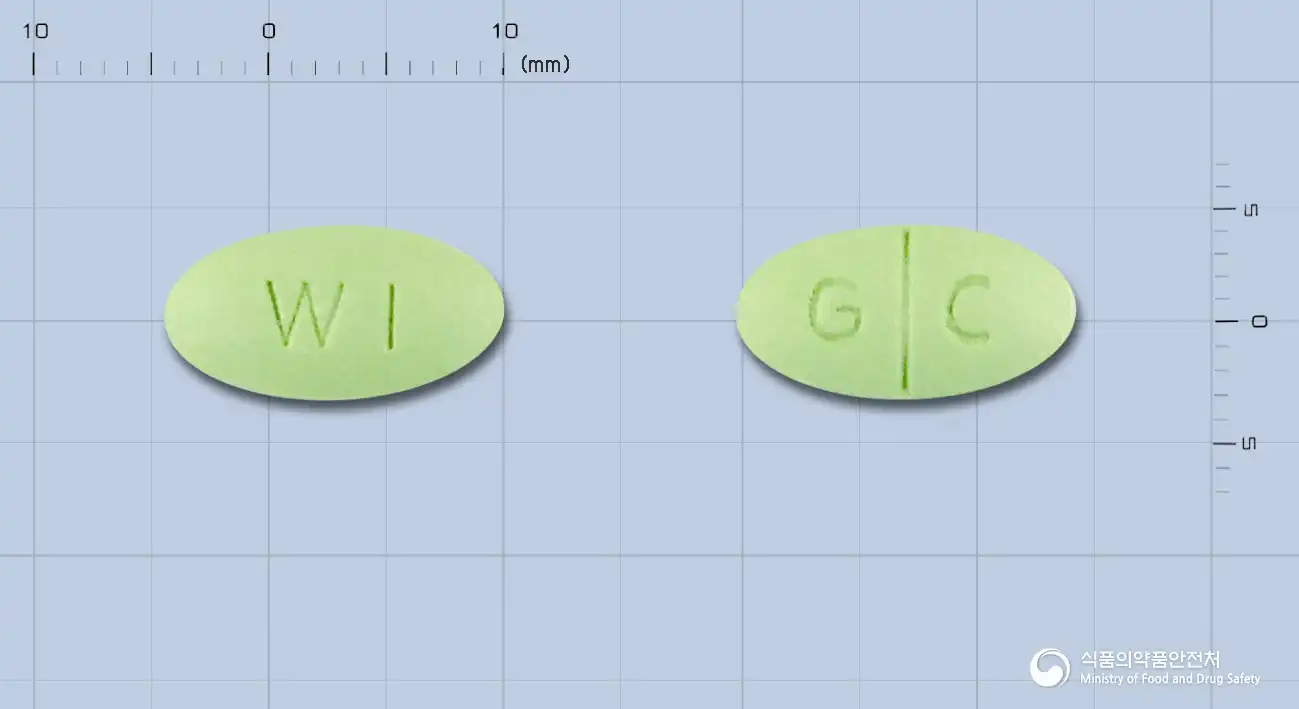 Combination
Cilostazol 100mg · Ginkgo Biloba Leaf Dried Extract 80mg
Tablet · Prescription medication · Combination
Hanin Pharmaceutical Co., Ltd.
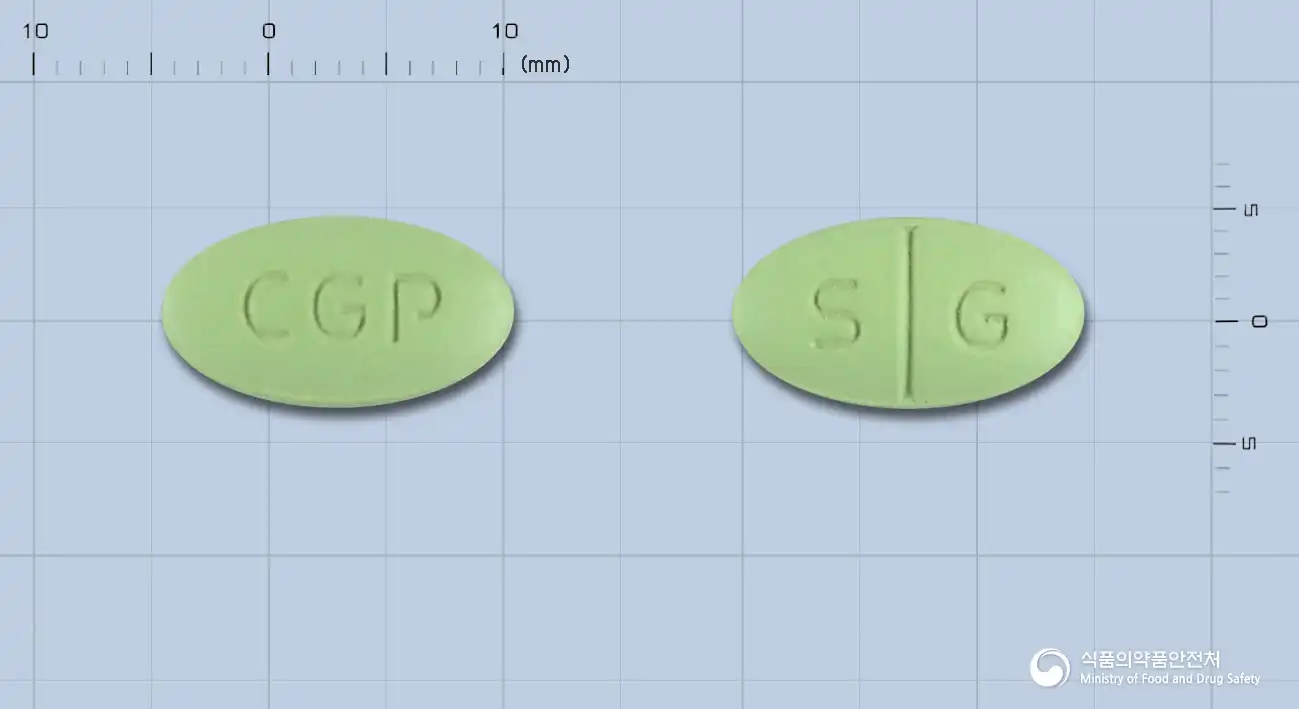 Combination
Cilostazol 100mg · Ginkgo Biloba Leaf Dried Extract 80mg
Tablet · Prescription medication · Combination
Aprogen Biosciences, Inc.
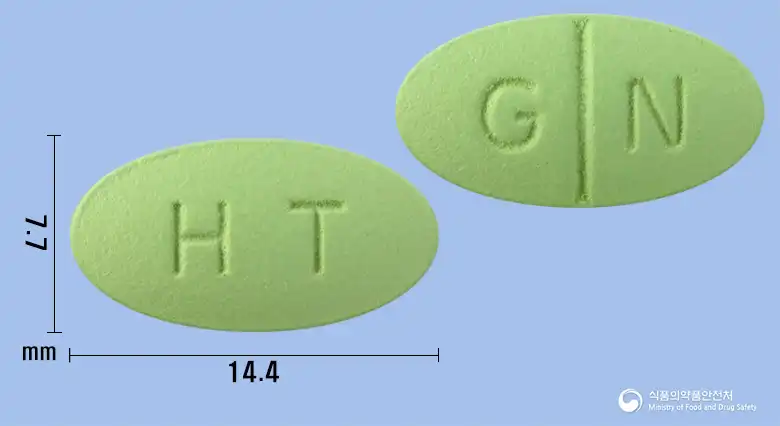 Combination
Cilostazol 100mg · Ginkgo Biloba Leaf Dried Extract 80mg
Tablet · Prescription medication · Combination
Korea Hyutech Pharmaceutical Co., Ltd.
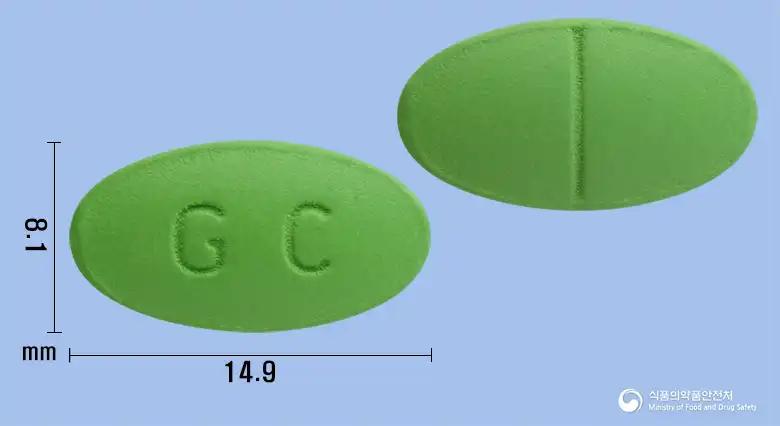 Combination
Cilostazol 100mg · Ginkgo Biloba Leaf Dried Extract 80mg
Tablet · Prescription medication · Combination
Genupharm Co., Ltd.
Even with the same ingredient, the dose and directions can differ by strength and dosage form. Talk to a doctor or pharmacist before switching from a medication you are already taking.
No questions yet.
For anything that needs medical judgment, consult a doctor or pharmacist.
This drug information is based on data provided by the Korea Ministry of Food and Drug Safety.
Consult a doctor or pharmacist for accurate dosage, administration, and usage instructions.