
 한국어
 English
 日本語
 中文(简体)
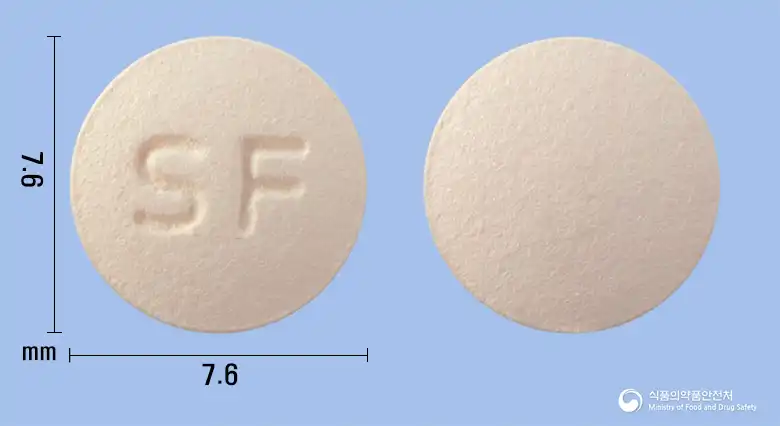 Viewing now
Solpesin Tablets 10 mg (Solupehnasine Succinate)
Solifenacin Succinate 10mg
Tablet · Prescription medication
Kyungdong Pharmaceutical Co., Ltd.
MFDS item code 201700621 · Approved 2017.02.06 · Insurance code 648103830
Treatment of symptoms of overactive bladder (frequency, urinary urgency, etc.)
This medication is used to treat symptoms of overactive bladder such as urge urinary incontinence, frequent urination, and urinary urgency. It alleviates the hyperactivity of the bladder, improving symptoms of frequently needing to urinate or sudden urges to urinate. This helps reduce the discomfort in daily life and enhances the quality of life for patients. It effectively manages the symptoms caused by overactive bladder, facilitating comfortable urination.
Adults (including elderly patients): The recommended dose is 5mg once daily. If necessary, the dose may be increased to a maximum of 10mg once daily. This medicine may be taken regardless of meals and should be swallowed whole with water. Dosage adjustment is required in the following patients. 1. Patients with renal impairment No dose adjustment is necessary in patients with mild or moderate renal impairment (creatinine clearance>30ml/min). In patients with severe renal impairment (creatinine clearance≤30ml/min), use with caution and do not exceed 5mg once daily. 2. Patients with hepatic impairment No dose adjustment is necessary in patients with mild hepatic impairment. In patients with moderate hepatic impairment (Child-Pugh class B), use with caution and do not exceed 5mg once daily. 3. Patients taking potent cytochrome P450 3A4 (CYP3A4) inhibitors In patients taking ketoconazole or other potent CYP3A4 inhibitors (e.g., ritonavir, nelfinavir, itraconazole), limit the maximum daily dose to 5mg.
This medication is used to alleviate hyperreactivity of the bladder. It should not be used in patients with urinary retention symptoms, severe gastrointestinal issues, myasthenia gravis, or angle-closure glaucoma. Additionally, individuals with a known allergy to this medication or its ingredients, those undergoing hemodialysis, those with severe liver or kidney impairment, and individuals with certain genetic lactose intolerance should avoid this medication. Caution should be exercised when using this medication in patients with urinary retention risk or gastrointestinal obstruction, as dosage adjustments may be necessary when used in conjunction with certain drugs. Dry mouth, constipation, blurred vision, urinary retention, dry eyes, and other side effects may occur while taking this medication, and awareness of these effects is important. Particularly, if serious allergic reactions such as angioedema or anaphylaxis occur while taking this medication, discontinue use immediately and seek medical attention. This medication may occasionally cause drowsiness, fatigue, or dizziness, so caution is advised when driving or operating machinery. When co-administered with other anticholinergic drugs, effects may be enhanced or side effects may increase, so consultation with a physician or pharmacist is recommended. Pregnant or breastfeeding women should consult a healthcare professional before using this medication, as its safety has not been established. It is advisable not to use this medication in children as its safety and effectiveness have not been confirmed. In cases of overdose, symptoms may include headache, dizziness, drowsiness, or blurred vision; appropriate care should be sought if necessary. Long-term use of this medication has not been reported to result in genotoxicity or tumorigenicity; however, any abnormal symptoms occurring during use should be reported to a healthcare professional immediately.
Not everyone experiences these, and they can vary from person to person.
Store this medication in a tightly closed container to prevent exposure to air or moisture, preferably at room temperature between 1 to 30 degrees Celsius. Proper storage helps maintain the efficacy of the medication for a longer time.
Bright pink round film-coated tablet
30 tablets/bottle, 100 tablets/bottle
Even with the same ingredient, strength, dosage form and how it is taken can differ.
Viewing nowSolifenacin Succinate 10mg
Tablet · Prescription medication
Kyungdong Pharmaceutical Co., Ltd.
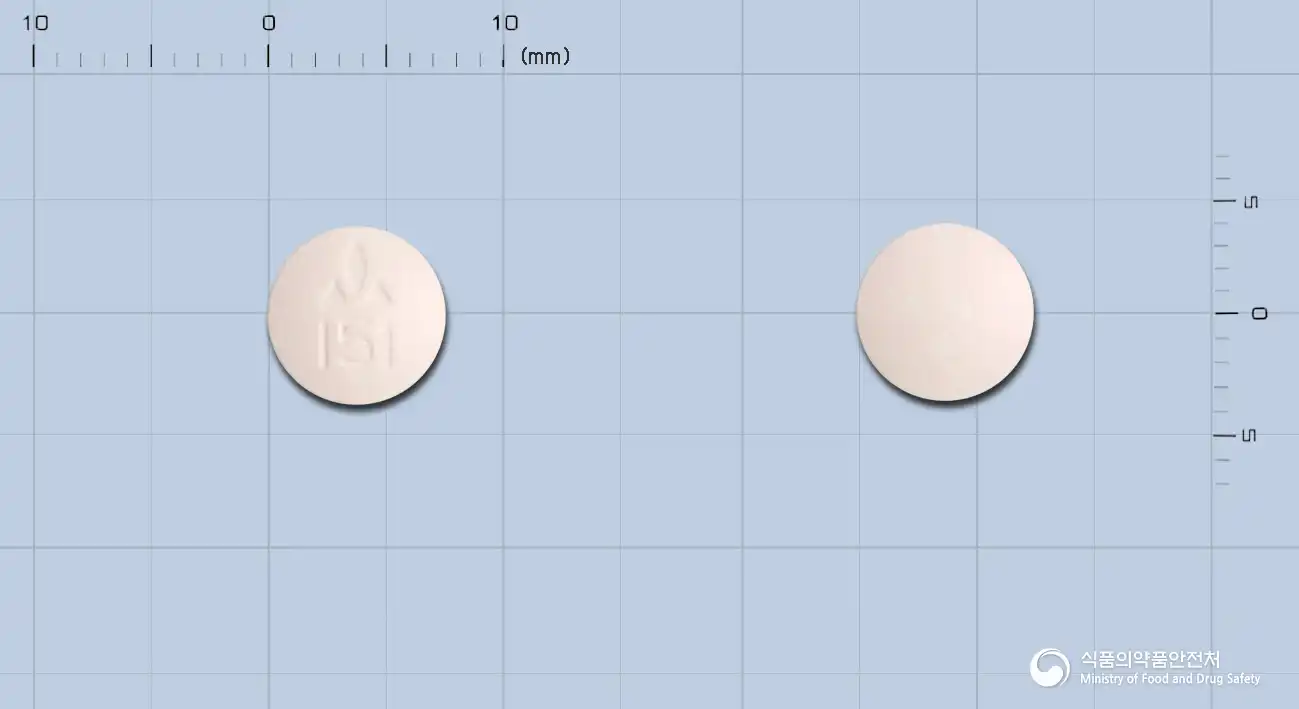
Solifenacin Succinate 10mg
Tablet · Prescription medication
Astellas Pharma Korea, Inc.
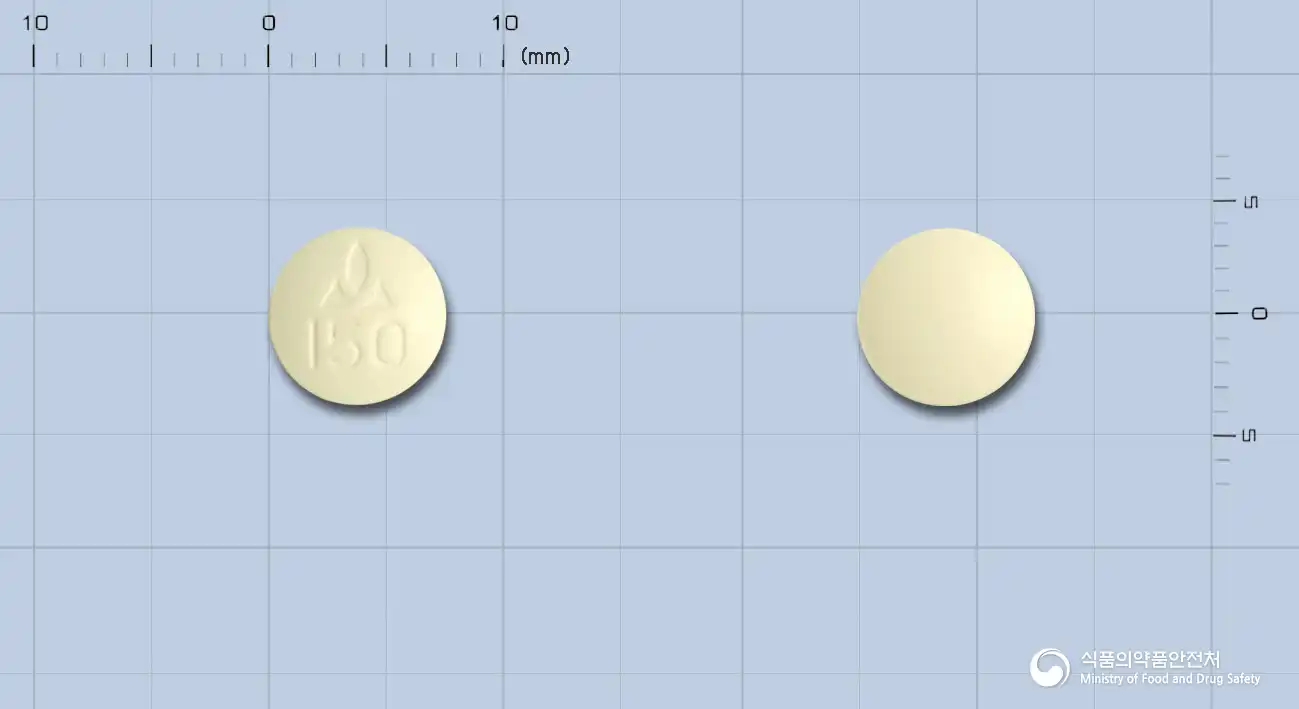
Solifenacin Succinate 5mg
Tablet · Prescription medication
Korea Astellas Pharma Co., Ltd.
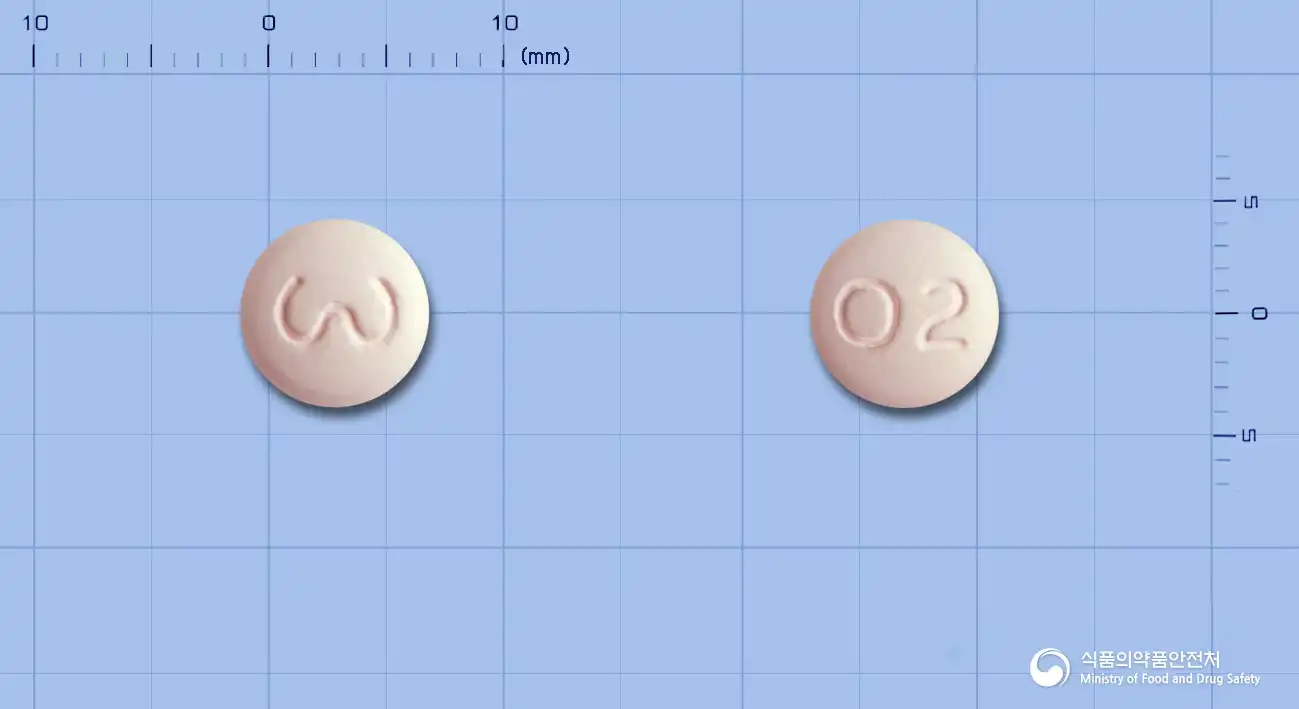
Solifenacin Succinate 10mg
Tablet · Prescription medication
Withus Pharmaceutical Co., Ltd.
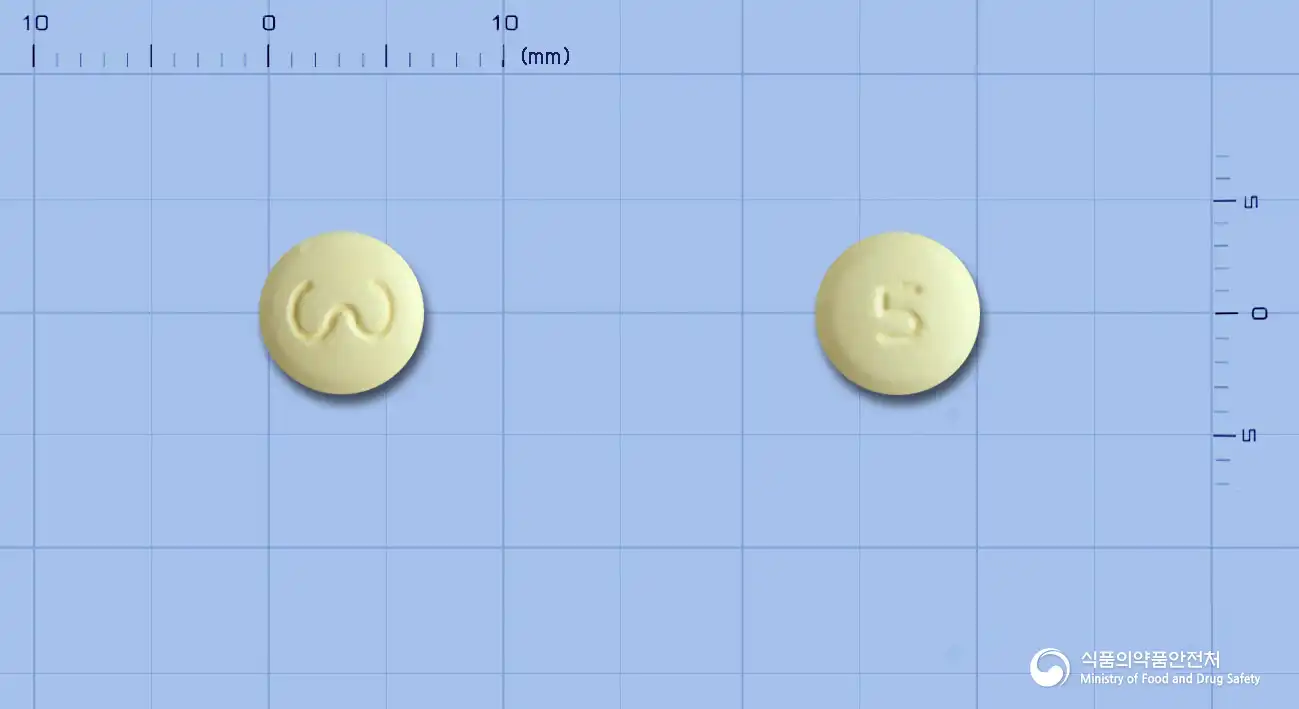
Solifenacin Succinate 5mg
Tablet · Prescription medication
Withus Pharmaceutical Co., Ltd.
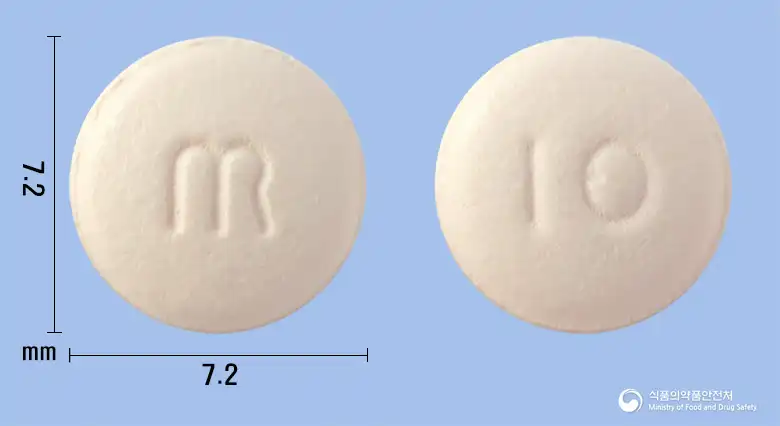
Solifenacin Succinate 10mg
Tablet · Prescription medication
Mothers Pharmaceutical Co., Ltd.
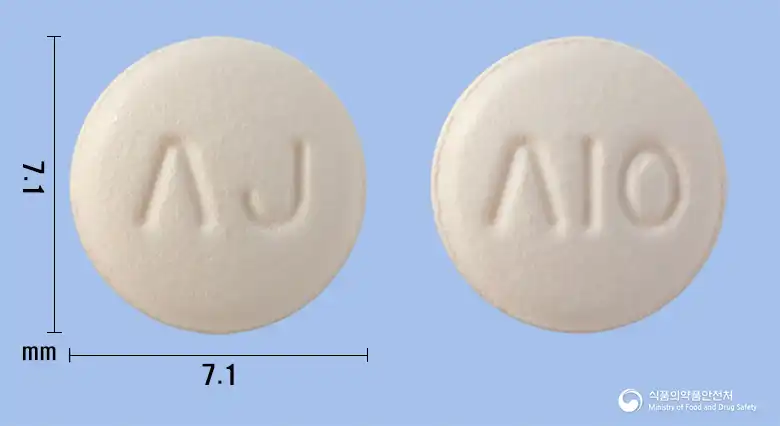
Solifenacin Succinate 10mg
Tablet · Prescription medication
Aju Pharmaceutical Co., Ltd.
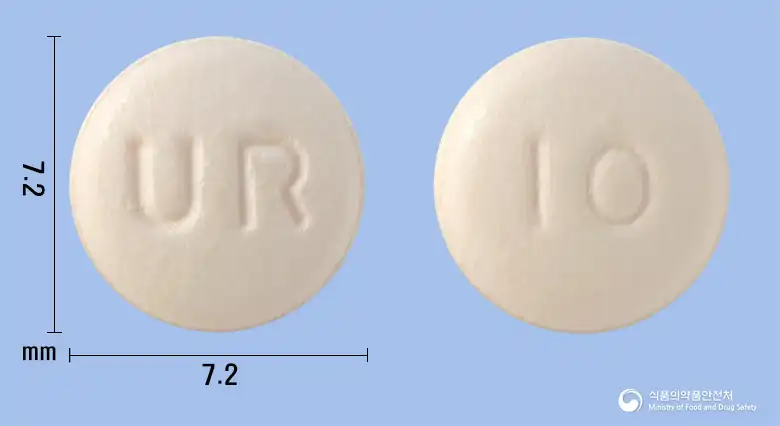
Solifenacin Succinate 10mg
Tablet · Prescription medication
Korea Hyutecs Pharmaceutical Co., Ltd.
Even with the same ingredient, the dose and directions can differ by strength and dosage form. Talk to a doctor or pharmacist before switching from a medication you are already taking.
No questions yet.
For anything that needs medical judgment, consult a doctor or pharmacist.
This drug information is based on data provided by the Korea Ministry of Food and Drug Safety.
Consult a doctor or pharmacist for accurate dosage, administration, and usage instructions.