
 한국어
한국어 English
 日本語
日本語 中文(简体)
Dosage form image
Viewing nowSV Gel (Diclofenac Sodium)
Diclofenac Sodium
OTC medication
Allico Pharmaceutical Co., Ltd.
MFDS item code 201700408 · Notified 2017.01.23
This product's status changed to Approval withdrawn on 2023.04.28. It may no longer be sold, so consult a doctor or pharmacist before taking it.
Analgesic and anti-inflammatory effects for traumatic inflammation and rheumatic diseases (soft tissues, joints)
This medication is effectively used for traumatic inflammation occurring in tendons, ligaments, muscles, and joints, such as sprains or contusions. It also helps relieve local inflammation of soft tissue rheumatism, including tendinitis, shoulder-hand syndrome, bursitis, and periarthritis. Additionally, it is used for treating localized symptoms of rheumatic diseases like osteoarthritis of peripheral joints or spine. It is effective in reducing pain and alleviating inflammation for various inflammatory diseases.
Apply 2 - 4g to the affected area 3 - 4 times a day depending on the area of pain, gently rubbing it in until absorbed.
This medicine should not be used by individuals who are allergic to this medicine or any of its components or have experienced hypersensitivity reactions. Additionally, patients who have a history of allergies to aspirin or other non-steroidal anti-inflammatory drugs (NSAIDs) or have experienced asthma attacks should not use this medication. This medication is not to be administered to children under 6 years old. Patients with bronchial asthma should be particularly cautious when using this medication, as severe asthma attacks may occur. This product contains propylene glycol, so those who are allergic to this component should use it with caution. Symptoms such as itching, redness, stinging, and dermatitis may occur when using this medication, and if symptoms worsen or spread throughout the body, the use should be immediately discontinued and medical attention sought. Prolonged use over large areas may lead to systemic adverse reactions such as skin rashes, photosensitivity, breathing difficulties, asthma, and swelling. It is important to remember that this medication does not directly treat the underlying causes of pain or inflammation but helps alleviate symptoms. When used for inflammation accompanied by skin infections, it should be used in conjunction with appropriate antibacterial or antifungal treatments to avoid worsening the infection, and the condition should be closely monitored. When using for chronic conditions like degenerative arthritis, consider other treatment options in addition to medication, and closely monitor the patient's condition and adverse reactions. If this medication is used for more than 2 weeks, a re-evaluation of treatment efficacy and side effects should be conducted to decide whether to continue use. During pregnancy, especially in the last 3 months, this medication should not be used due to risks of delayed childbirth, bleeding, heart and lung issues in the newborn, and decreased kidney function. Although animal studies have not shown significant issues in early to mid-pregnancy, safety in humans is not well established, so caution is needed. This medication may be excreted in breast milk, so it is advisable for nursing women not to use it. The safety of this medication for children has not been fully established, so it should be used with caution. In cases of overdose, serious adverse reactions such as hypotension, kidney dysfunction, seizures, gastrointestinal disturbances, and respiratory depression may occur, necessitating immediate contact with medical facilities for appropriate treatment. Do not apply this medication to areas with skin wounds, bleeding, eczema, infections, burns, or on the eyes and mucous membranes, and it should not be used under occlusive dressings. Caution should be exercised as temporary irritation or a tingling sensation may occur when applied to areas with skin damage.
Itching, redness, stinging, dermatitis (rash, eczema, papule, pustule, contact dermatitis, swelling), skin peeling and roughness, irritation, blister formation, pigmentation, widespread skin rash, photosensitivity, vascular edema, hypotension, kidney failure, seizures, gastrointestinal discomfort, respiratory inhibition
Not everyone experiences these, and they can vary from person to person.
This medication may be sensitive to air or moisture, so it must be stored in a sealed container. It is best to keep the storage temperature between 1°C and 30°C at room temperature. This helps to maintain the efficacy of the medication for longer and prevent degradation.
Colorless transparent gel
50g/tube
Even with the same ingredient, strength, dosage form and how it is taken can differ.
Diclofenac Sodium
OTC medication
Allico Pharmaceutical Co., Ltd.

Diclofenac Sodium 25mg
Tablet · Prescription medication
Dongkwang Pharmaceutical Co., Ltd.
Diclofenac Sodium 75mg
Prescription medication
Ajou Pharmaceuticals Co., Ltd.
Diclofenac Sodium 37.5mg
Prescription medication
Hwanin Pharmaceutical Co., Ltd.
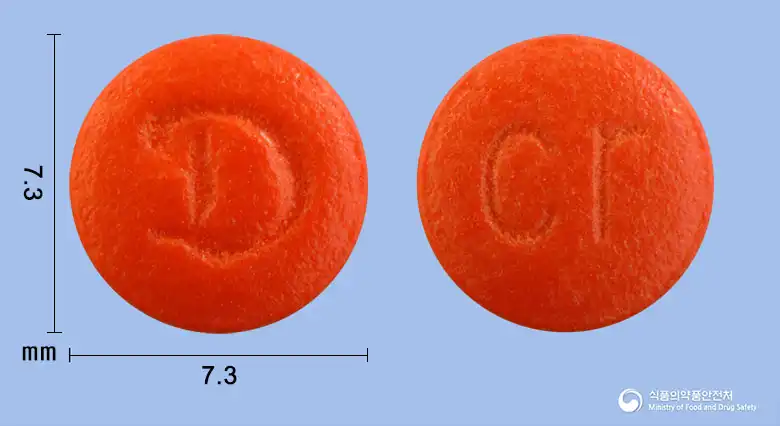
Diclofenac Sodium 25mg
Tablet · Prescription medication
GL Pharma Co., Ltd.
Diclofenac Sodium 75mg
Solution · Prescription medication
YuYoung Pharmaceutical Co., Ltd.
Diclofenac Sodium 37.5mg
Prescription medication
Daehwa Pharmaceutical Co., Ltd.
Diclofenac Sodium 37.5mg
Prescription medication
Dongkwang Pharmaceutical Co., Ltd.
Even with the same ingredient, the dose and directions can differ by strength and dosage form. Talk to a doctor or pharmacist before switching from a medication you are already taking.
No questions yet.
For anything that needs medical judgment, consult a doctor or pharmacist.
This drug information is based on data provided by the Korea Ministry of Food and Drug Safety.
Consult a doctor or pharmacist for accurate dosage, administration, and usage instructions.