
 한국어
한국어 English
 日本語
日本語 中文(简体)
Dosage form image
Viewing nowPolynine Injection (Folic Acid)
Folic Acid 2.5mg
Injections · Prescription medication
Kyungnam Pharmaceutical Co., Ltd.
MFDS item code 201607223 · Approved 2016.12.21
Prevention and treatment of folic acid deficiency
Folic acid is used when oral intake is difficult or when there is a need to rapidly improve a folic acid deficiency situation. This medicine helps prevent and treat folic acid deficiency.
Treatment of severe folic acid deficiency: Administer 1 ampoule (5mg of folic acid) per day Prevention of folic acid deficiency: Administer 1 ampoule (5mg of folic acid) 1-3 times per week Administer intravenously or intramuscularly The duration of treatment should be determined based on the degree of folic acid deficiency, clinical condition, and laboratory diagnostic tests. When administered along with anticonvulsants, the concentration of the anticonvulsants must be thoroughly monitored.
When using this medication as an injection, be very careful to avoid glass particles, which may enter during the process of breaking the glass container. Special caution is required when administering it to children or the elderly. It should not be used in patients with allergies to the active ingredient or in patients with certain types of anemia due to vitamin B12 deficiency. Using this medication without accurately confirming vitamin B12 deficiency may lead to neurological damage. When using this drug, gastrointestinal disturbances can occur, and using it at high doses with other medications may result in severe diarrhea or mucosal infections. Additionally, very rarely, allergic reactions such as skin rashes, itching, or breathing difficulties may occur. Before using this medication, a blood test and a vitamin B12 level test must be conducted to confirm vitamin B12 deficiency. Care must be taken because there is a risk of neurological damage in cases of deficiency. This medication may increase the frequency of seizures when used with anticonvulsants, and may interact with some anticancer medications or other drugs, reducing efficacy or increasing side effects. In particular, using it at high doses with 5-fluorouracil may cause severe diarrhea. Women who are pregnant or breastfeeding should avoid using high doses exceeding 5mg per day, as safety has not been established. In case of overdose, symptoms such as a bitter taste, loss of appetite, nausea, abdominal bloating, nightmares, agitation, depression, and others may occur. When used with certain anticonvulsants, seizures may intensify. Do not mix this medication with other drugs, and store it in a light-protective, sealed container. If the medication becomes cloudy due to poor storage conditions, it should not be used.
Hypersensitivity reactions related to anaphylactic shock, bronchospasm
Not everyone experiences these, and they can vary from person to person.
This medication should be stored in a light-protective sealed container. Additionally, it is advisable to store it at room temperature between 1 to 30 degrees Celsius. This storage method helps maintain the efficacy of the medication and prevent deterioration.
A yellow liquid in a brown ampoule injection
2mL/ampoule X 10
Even with the same ingredient, strength, dosage form and how it is taken can differ.
Folic Acid 2.5mg
Injections · Prescription medication
Kyungnam Pharmaceutical Co., Ltd.
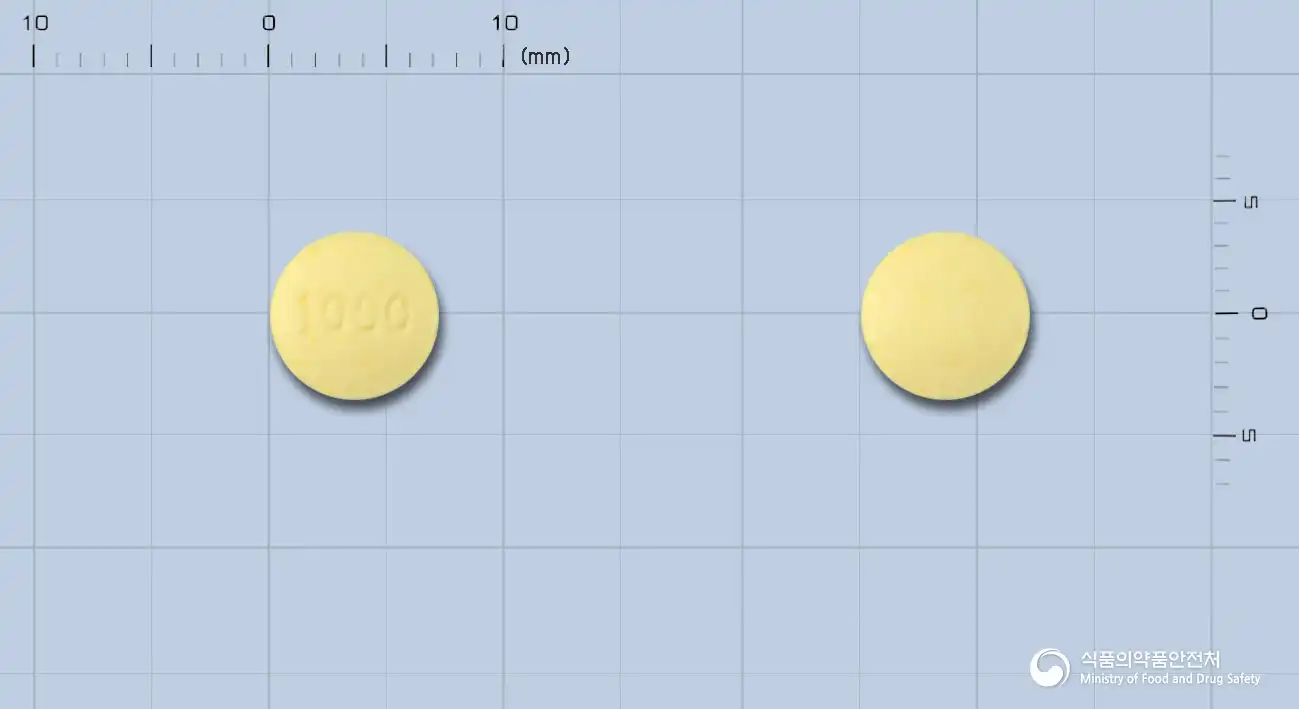
Folic Acid 1mg
Tablet · OTC medication
Shinil Pharmaceutical Co., Ltd.
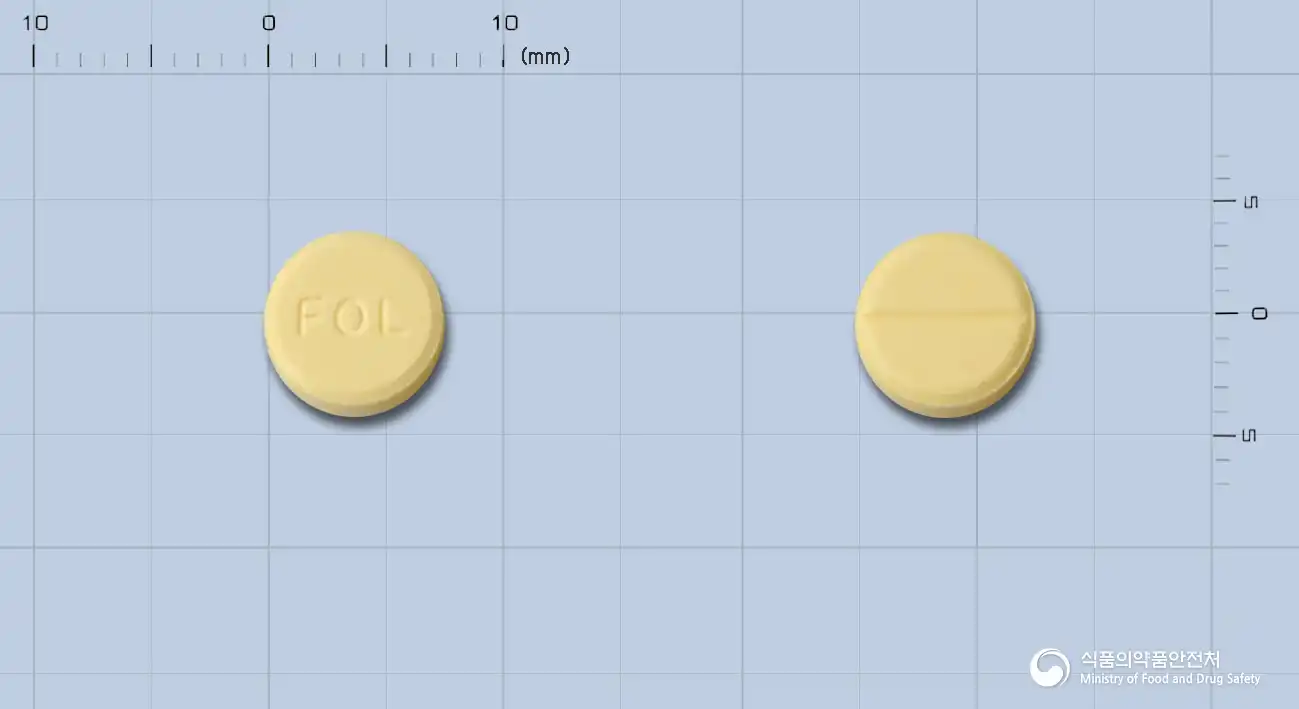
Folic Acid 1mg
Tablet · OTC medication
Joah Pharmaceutical Co., Ltd.
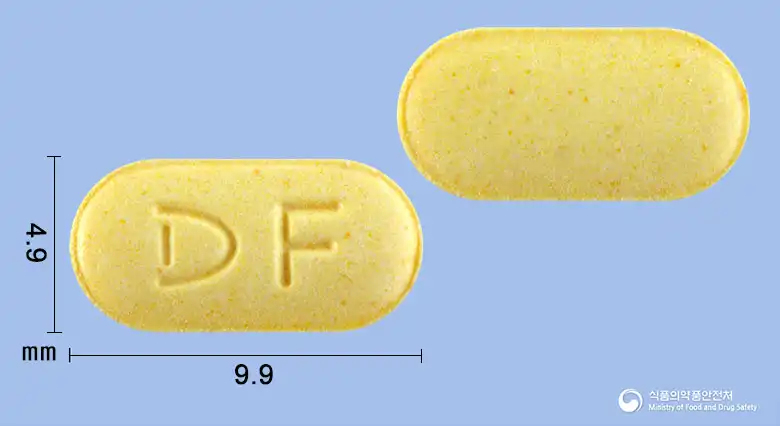
Folic Acid 5mg
Tablet · Prescription medication
Darim Biotech Co., Ltd.
Folic Acid 1mg
Soft capsule · OTC medication
RP Bio Co., Ltd.
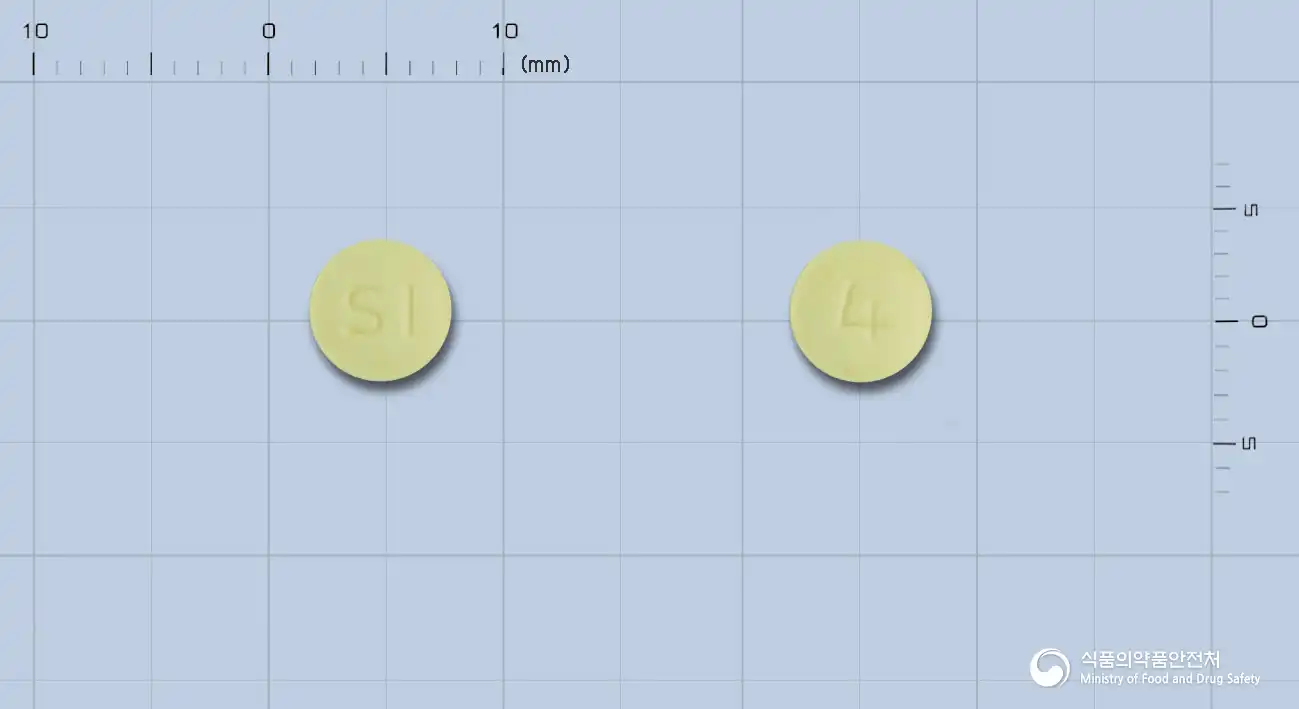
Folic Acid 0.4mg
Tablet · OTC medication
Shinil Pharmaceutical Co., Ltd.
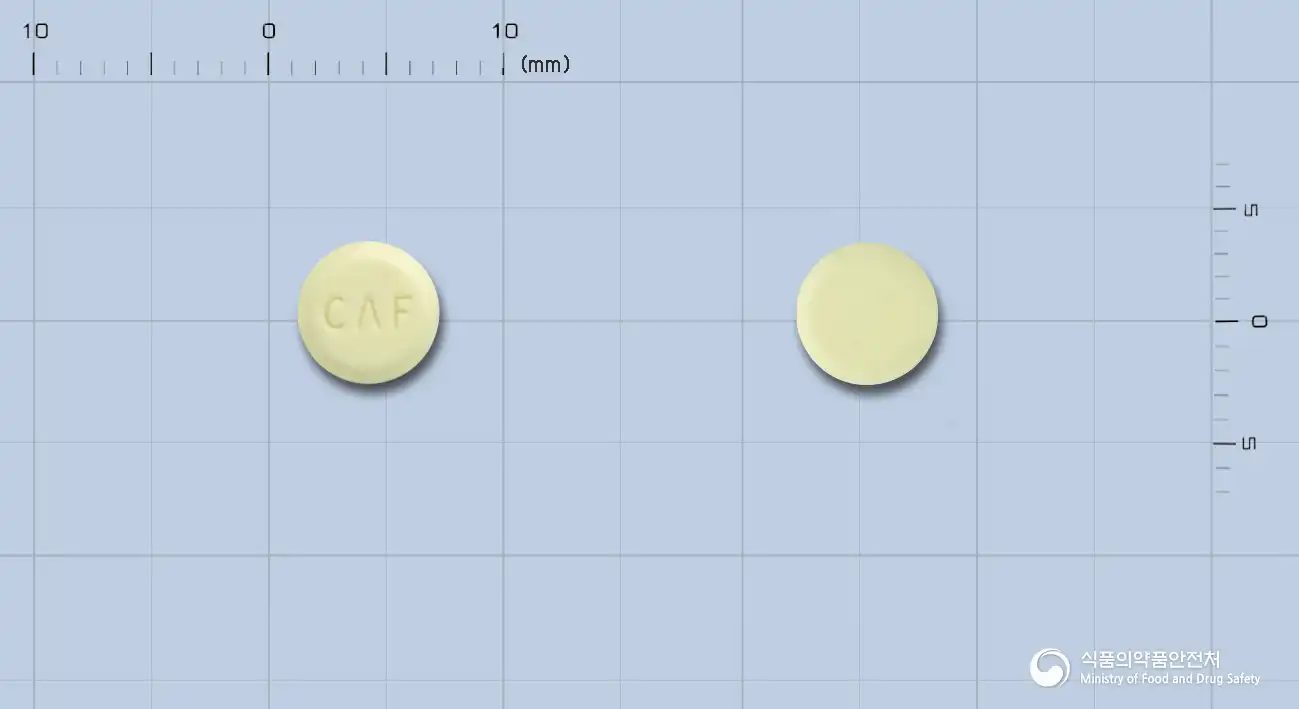
Folic Acid 0.4mg
Tablet · OTC medication
Joah Pharmaceutical Co., Ltd.
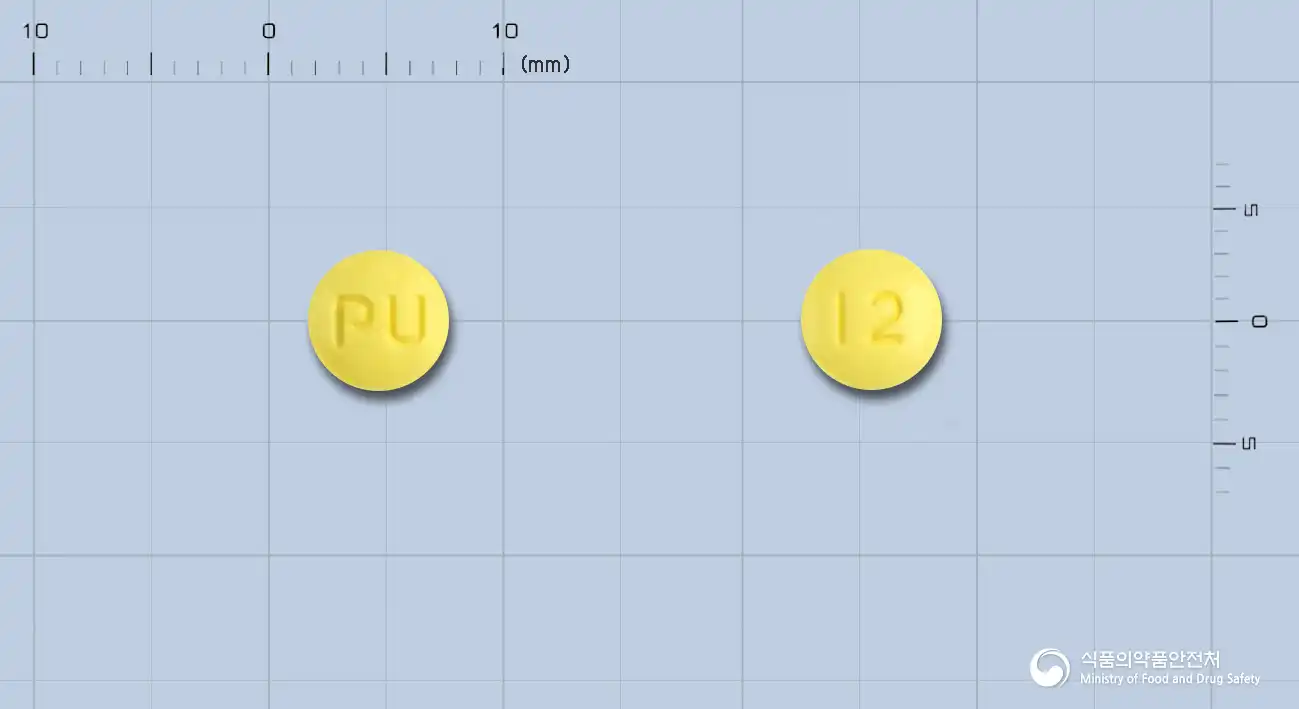
Folic Acid 1mg
Tablet · OTC medication
Korea PMG Pharmaceutical Co., Ltd.
Even with the same ingredient, the dose and directions can differ by strength and dosage form. Talk to a doctor or pharmacist before switching from a medication you are already taking.
No questions yet.
For anything that needs medical judgment, consult a doctor or pharmacist.
This drug information is based on data provided by the Korea Ministry of Food and Drug Safety.
Consult a doctor or pharmacist for accurate dosage, administration, and usage instructions.