한국어
 English
 日本語
 中文(简体)
 Viewing now
Colchicine Tablets (Colchicine)
Colchicine 0.6mg
Tablet · Prescription medication
IYUN Pharmaceutical Co., Ltd.
MFDS item code 201606824 · Approved 2016.11.30 · Insurance code 658603400
Treatment and prevention of acute gout attacks
This medication is used to relieve the pain and inflammation of acute gout attacks and to prevent recurrences.
1. Treatment of gout flares At the first sign of a gout flare in adults, take 1.2mg of colchicine, followed 1 hour later by 0.6mg. Higher doses did not show greater efficacy, and the maximum recommended dose is 1.8mg over 1 hour. If the first sign of a gout flare occurs while taking this medicine for prevention of gout flares, take a dose not exceeding 1.2mg, followed 1 hour later by an additional 0.6mg. Take the next preventive dose after 12 hours. 2. Prevention of gout flares Adults: Take 0.6mg 1~2 times daily. The maximum recommended dose is 1.2mg daily.
This medicine should not be used by patients who are allergic to this medication or its components. Women who are pregnant or may become pregnant, as well as those who are breastfeeding, should not take this medication. Patients with severe gastrointestinal diseases or liver, kidney, heart, or blood-related diseases are advised not to use this medication. Patients with impaired liver or kidney function who are taking certain enzyme-inhibiting medications should avoid this treatment. This medication contains lactose, so those with lactose intolerance or related genetic disorders should not take it. Elderly or frail patients, particularly those with kidney, gastrointestinal, or heart conditions, should be careful when using this medication. Patients with allergies or a history of hypersensitivity to specific colorants included in this medication should also use it cautiously. Long-term use may lead to blood-related abnormalities, such as decreased blood cell counts, so regular monitoring is necessary. If muscle pain, weakness, or other muscle-related symptoms occur, stop taking the medication immediately and consult a doctor. Peripheral neuropathy symptoms may also appear with long-term use; if symptoms arise, treatment should be stopped. If symptoms like hair loss, skin rash, or hematuria develop, stop the medication immediately. If abdominal pain, diarrhea, or nausea occurs, dosage adjustment or cessation may be necessary. If allergic symptoms such as itching, rash, or fever appear, discontinue use immediately. Caution is required as weakness or temporary reproductive function decline may occur. In case of overdose, serious symptoms like vomiting, abdominal pain, diarrhea, and respiratory distress may occur, so the prescribed dosage must be strictly followed. Regular blood tests and evaluations of liver and kidney function are necessary during prolonged usage. It is advisable to avoid grapefruit or grapefruit juice while taking this medication. If symptoms like muscle weakness, numbness, bleeding, or severe diarrhea occur, consult a doctor immediately. The risk of side effects may increase when this medication is taken with certain other drugs, so it is essential to consult with a doctor or pharmacist. Women who are pregnant or breastfeeding should not take this medication as it may harm the fetus or baby. Safety has not been established for children, so it is advisable not to use it in pediatric patients. Elderly patients should carefully adjust dosages and administration intervals as this medication may maintain high concentrations in their systems. In case of overdose, immediate emergency treatment such as gastric lavage or antidote administration at a hospital is required. This medication may affect the results of certain tests, so you should inform the healthcare provider about its use prior to testing. Store in a secure place out of reach of children and keep it in its original container.
Bone marrow suppression, agranulocytosis, leukopenia, aplastic anemia, thrombocytopenia, rhabdomyolysis, myalgia, weakness, elevated CPK, increased myoglobin in blood and urine, myopathy, decreased strength, peripheral neuropathy, neuropathy, hair loss, rashes, hematuria, dysuria, anuria, purpura, diarrhea, nausea, vomiting, abdominal pain, colicky abdominal pain, generalized itching, rash, fever, vesicles, dermatitis, azoospermia, vascular disorders, shock, significant weakness, central nervous system ascending paralysis, delirium, convulsions, respiratory depression, bleeding, bruising, increased infections, lips, tongue, and palms turning grayish or pale
Not everyone experiences these, and they can vary from person to person.
This medication should be stored in a tightly closed container protected from light, at a temperature between 1 to 30 degrees Celsius. Proper storage will maintain the medication's effectiveness and prevent deterioration.
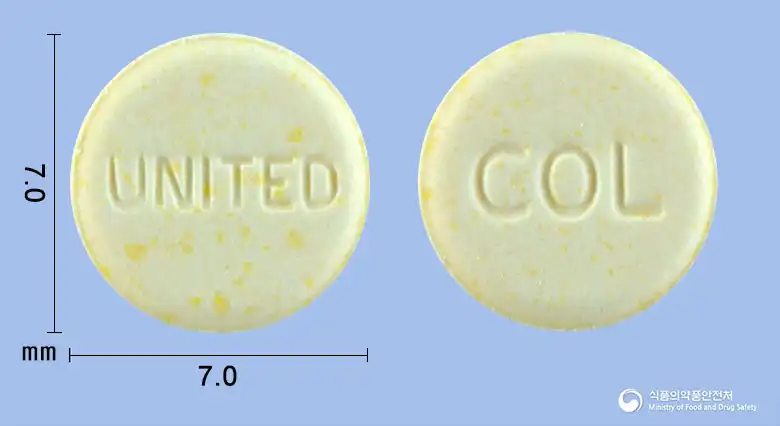
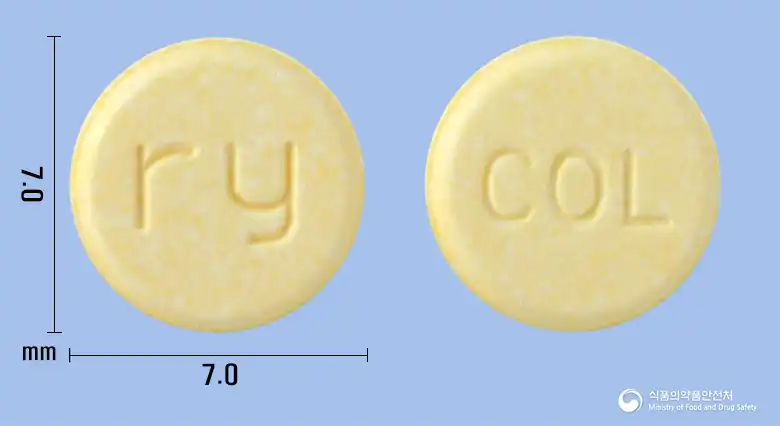
Pale yellow round tablet
30 tablets/bottle, 300 tablets/bottle
Even with the same ingredient, strength, dosage form and how it is taken can differ.
Even with the same ingredient, the dose and directions can differ by strength and dosage form. Talk to a doctor or pharmacist before switching from a medication you are already taking.
No questions yet.
For anything that needs medical judgment, consult a doctor or pharmacist.
This drug information is based on data provided by the Korea Ministry of Food and Drug Safety.
Consult a doctor or pharmacist for accurate dosage, administration, and usage instructions.