
 한국어
한국어 English
 日本語
日本語 中文(简体)
 Viewing now
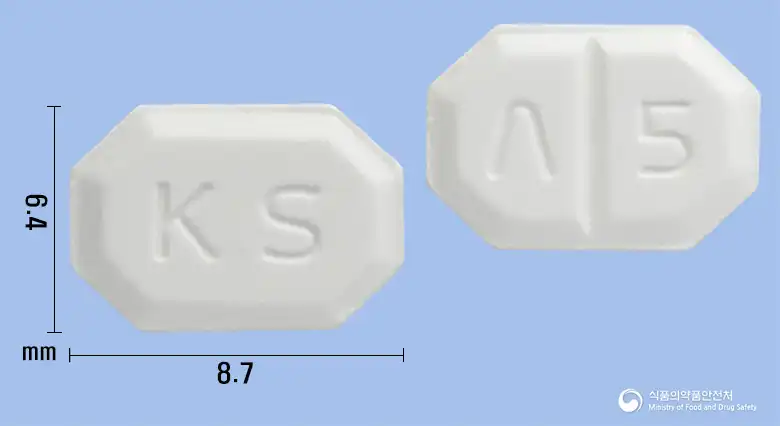
Amopin Tablets (Amlodipine Besylate)
Amlodipine Besylate 6.944mg
Tablet · Prescription medication
Aprogen Biologics Co., Ltd.
MFDS item code 201606788 · Approved 2016.11.29 · Insurance code 645209320
Effectiveness in treating myocardial ischemia due to hypertension and coronary artery disease (stable and unstable angina), and in reducing the risk of hospitalization due to angina and the risk associated with coronary artery revascularization.
This medication is used for treating hypertension as well as myocardial ischemia due to stable and unstable angina. Additionally, it helps reduce the risk of hospitalization due to angina in patients confirmed with coronary heart disease through recent angiography, who have no heart failure or have an ejection fraction of over 40%. Therefore, this medication is effective in protecting heart and vascular health and in preventing related complications.
Adults: Amlodipine should be taken orally once daily at a dose of 5 mg, which may be increased to a maximum of 10 mg per day based on patient response. Adjustments may be made according to age and symptoms.
This medication should not be used in certain patients. For example, it is contraindicated in patients with allergies to this drug or similar class drugs, nursing women, patients with severe liver dysfunction, patients with severe aortic stenosis, and those in a state of shock. Additionally, caution should be exercised when administering to patients with severe hypotension, those requiring dialysis due to kidney failure, elderly patients, and women who are pregnant or may become pregnant. Various side effects can occur while taking this medication. The most common side effects include flushing, fatigue, swelling, palpitations, dizziness, headaches, drowsiness, abdominal pain, and nausea. Rarely, very low blood pressure, neurological symptoms, indigestion, liver dysfunction, and skin rashes may occur, necessitating caution. When given to heart failure patients, symptoms like pulmonary congestion may increase, so caution is warranted, and dosage adjustments may be required for patients with impaired liver function. Additionally, since the effects of this medication appear slowly, it is not suitable for urgent situations such as acute angina. It is known to have little effect on the ability to drive or operate machinery, but this can vary by individual, so caution is advised. There may be interactions with other medications. Specifically, taking it with grapefruit juice can enhance the medication's effect and is not recommended. Whenever taken in conjunction with certain antibiotics, antihypertensives, immunosuppressants, etc., professional guidance should be sought. For women who are pregnant or nursing, the safety of this medication is not established; it should generally be avoided unless in special cases, and nursing should be discontinued if taking this medication. For children, it is recommended only for those over the age of 6, as its efficacy and safety have not been established for younger children. In case of overdose, blood pressure may drop excessively or heartbeats may become irregular, requiring immediate medical attention. This drug is not removed by hemodialysis, so professional treatment is necessary in the event of an overdose. Long-term use of this medication presents no evidence of increased cancer risk or genetic mutations. Generally, it has good tolerability.
Not everyone experiences these, and they can vary from person to person.
This medication should be stored in a tightly closed container to prevent exposure to air and moisture, at room temperature between 1 and 30 degrees Celsius. Proper storage helps maintain the medication's efficacy.
White octagonal tablets
30 tablets/bottle, 300 tablets/bottle
Even with the same ingredient, strength, dosage form and how it is taken can differ.
Viewing nowAmlodipine Besylate 6.944mg
Tablet · Prescription medication
Aprogen Biologics Co., Ltd.
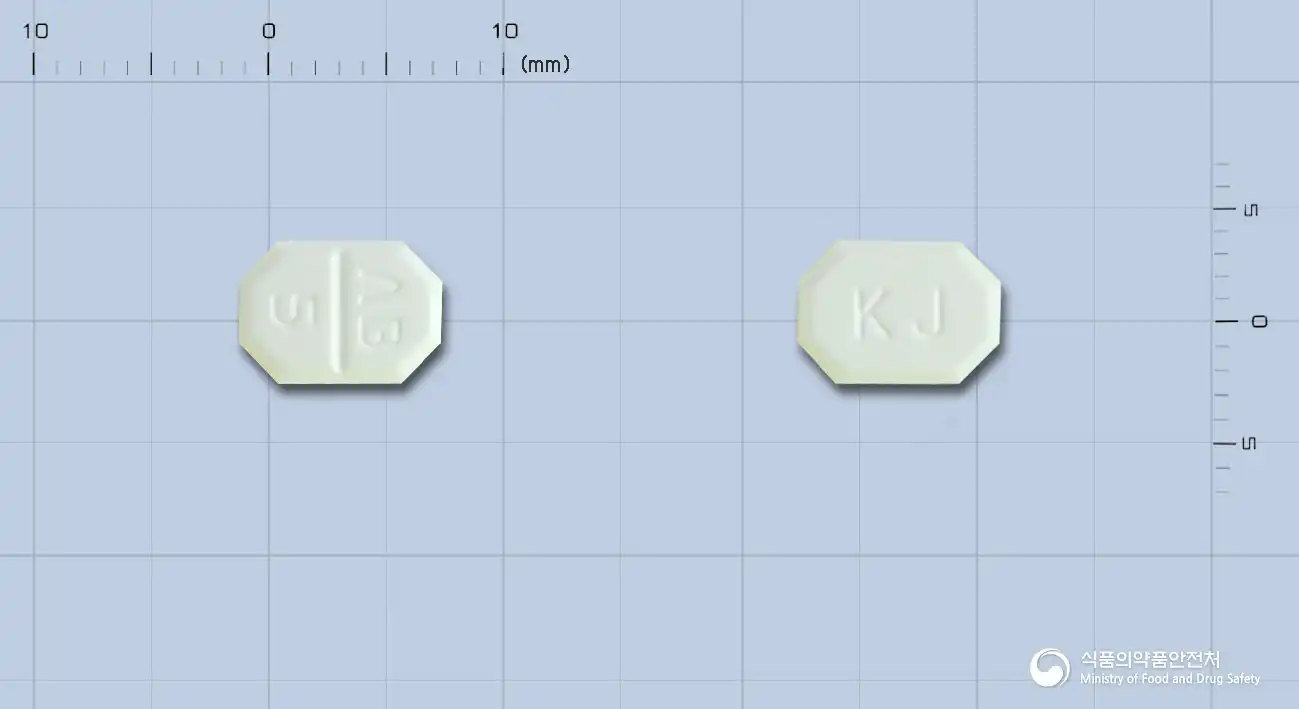
Amlodipine Besylate 6.94mg
Tablet · Prescription medication
International Pharmaceutical Co., Ltd.
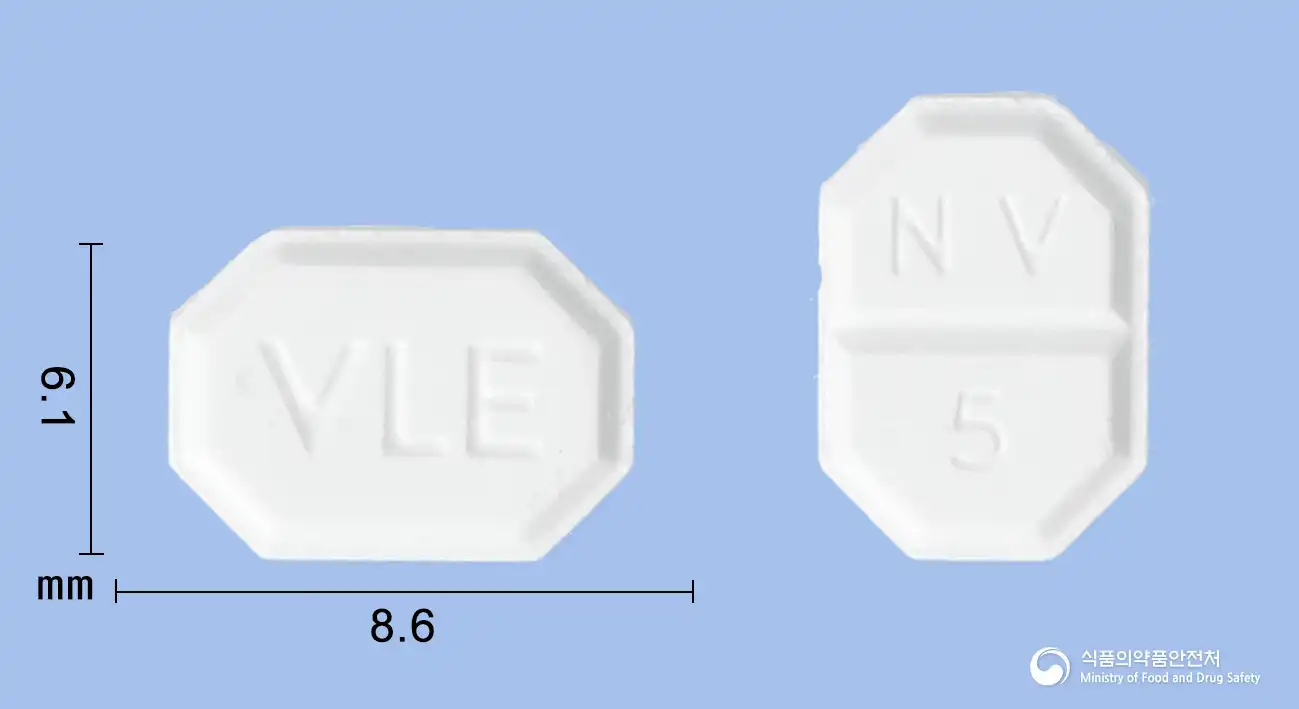
Amlodipine Besylate 6.944mg
Tablet · Prescription medication
Viatriss Korea Co., Ltd.
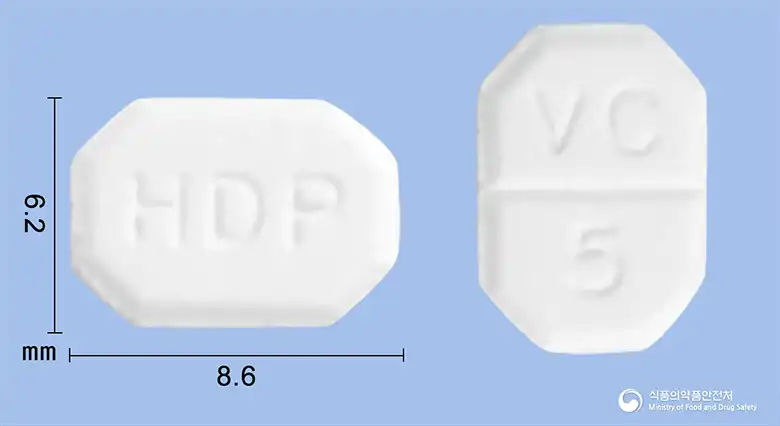
Amlodipine Besylate 6.944mg
Tablet · Prescription medication
Hyundai Pharmaceutical Co., Ltd.
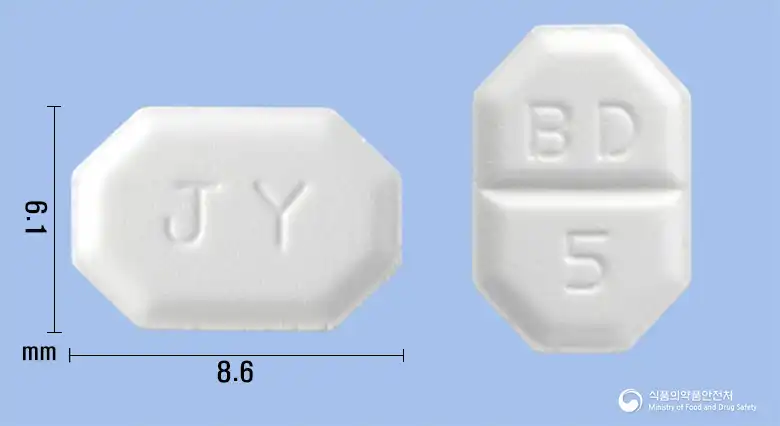
Amlodipine Besylate 6.944mg
Tablet · Prescription medication
Jinyang Pharmaceutical Co., Ltd.
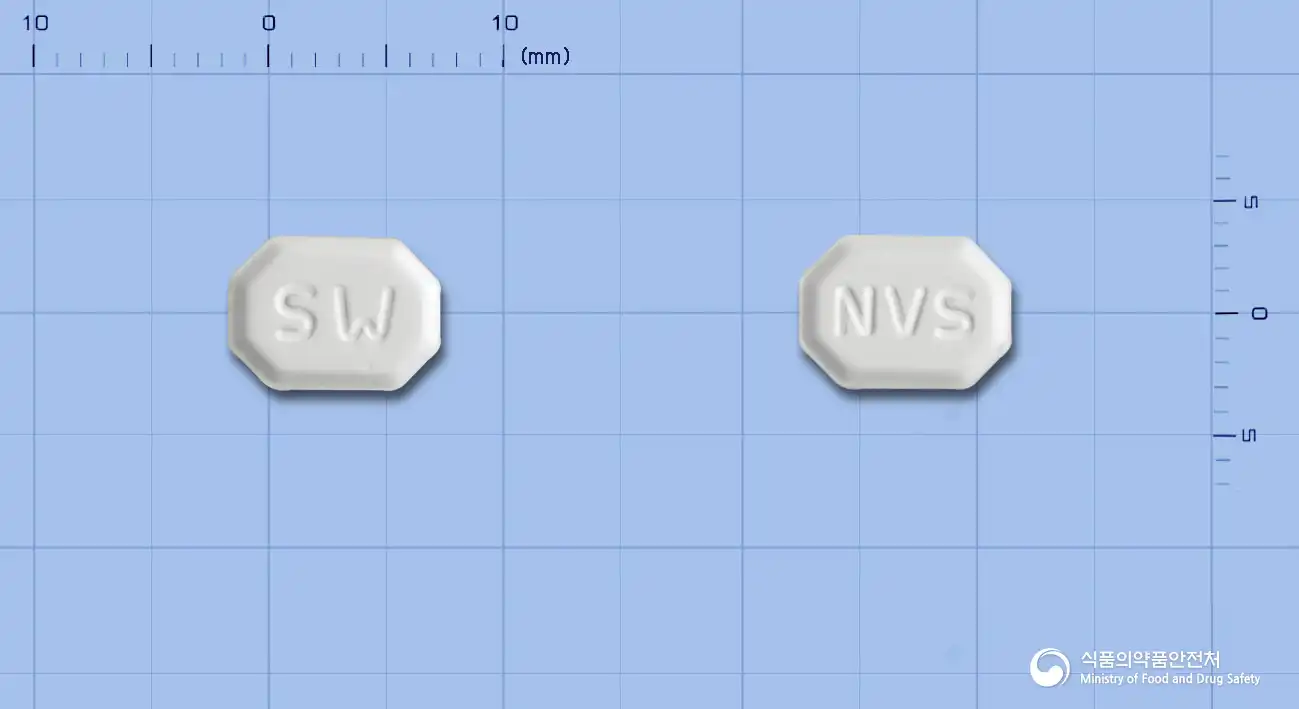
Amlodipine Besylate 6.944mg
Tablet · Prescription medication
Seongwon Adcock Pharmaceutical Co., Ltd.
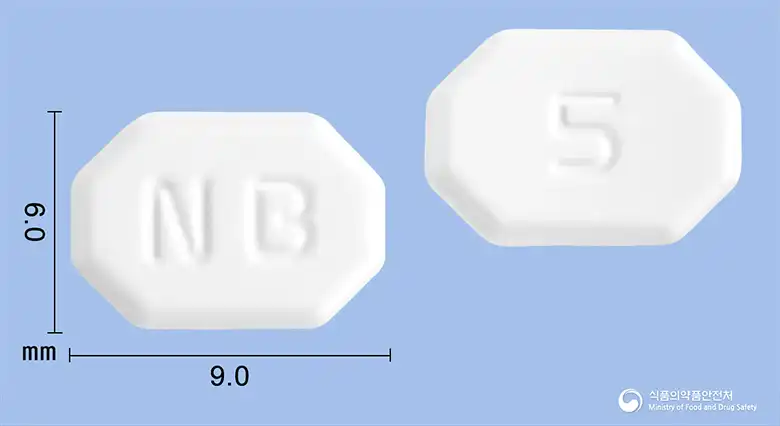
Amlodipine Besylate 6.944mg
Tablet · Prescription medication
KMS Pharmaceutical Co., Ltd.
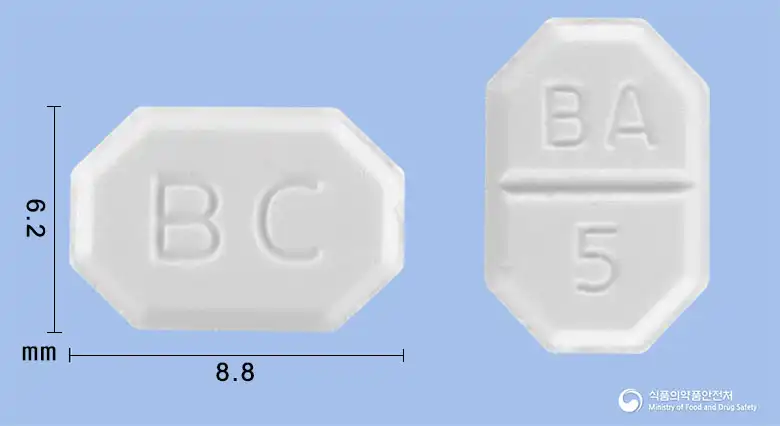
Amlodipine Besylate 6.944mg
Tablet · Prescription medication
BC World Pharmaceutical Co., Ltd.
Even with the same ingredient, the dose and directions can differ by strength and dosage form. Talk to a doctor or pharmacist before switching from a medication you are already taking.
No questions yet.
For anything that needs medical judgment, consult a doctor or pharmacist.
This drug information is based on data provided by the Korea Ministry of Food and Drug Safety.
Consult a doctor or pharmacist for accurate dosage, administration, and usage instructions.