
 한국어
한국어 English
 日本語
日本語 中文(简体)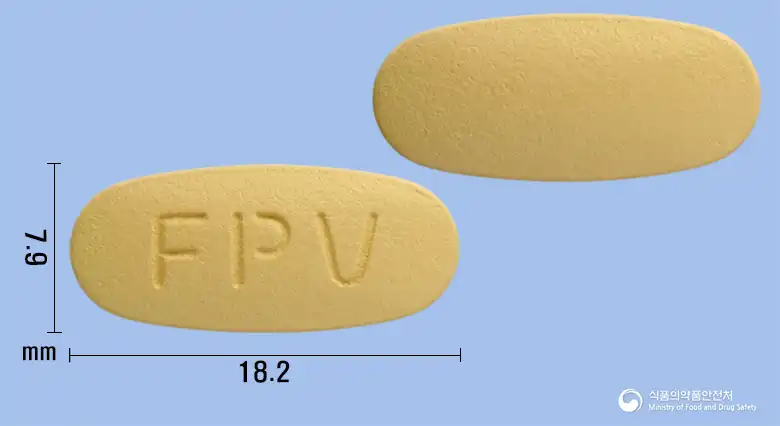
Summary
- Main use
- Improvement of physical fatigue, enhancement of energy during pregnancy and breastfeeding, and prevention of iron deficiency anemia
- Who takes it
- Adults
- Adult dose
- For individuals aged 12 and older: take 1 tablet once daily
Ingredients
- Folic Acid0.5mg / 1 tablet
- Thiamine Nitrate1.6mg / 1 tablet
- Riboflavin1.8mg / 1 tablet
- Nicotinamide19mg / 1 tablet
- Pyridoxine Hydrochloride2.6mg / 1 tablet
- Ascorbic Acid100mg / 1 tablet
- Biotin0.2mg / 1 tablet
- Cyanocobalamin Powder 0.1%4mg / 1 tablet
- Calcium Pantothenate10mg / 1 tablet
- Tocopherol Acetate Powder 50%30mg / 1 tablet
- Anhydrous Dibasic Calcium Phosphate336.62mg / 1 tablet
- Manganese Sulfate2.31mg / 1 tablet
- Zinc Sulfate11.4mg / 1 tablet
- Selenium In Dried Yeast13.89mg / 1 tablet
- Polysaccharide Iron Complex63.05mg / 1 tablet
- Manufacturer
- 부광약품(주)
Efficacy & effects
Improvement of physical fatigue, enhancement of energy during pregnancy and breastfeeding, and prevention of iron deficiency anemia
- Physical fatigue
- reduced energy
- iron deficiency anemia
View approved original textHide original text
This medication provides necessary vitamins B1, B2, B6, C, and E for those experiencing physical fatigue, pregnant or breastfeeding women, those with reduced energy due to illness or after illness, and individuals in old age. It is also used to prevent and treat iron deficiency anemia. Supplementing with these vitamins and iron improves overall health and aids in fatigue recovery.
How to take
Adult dose
For individuals aged 12 and older: take 1 tablet once daily
Precautions
This medication may be life-threatening due to severe iron poisoning if accidentally ingested by children under 6 years of age; therefore, it should be stored in a secure place out of reach of children. Those with high calcium levels in the blood, unknown cause systemic inflammatory diseases, or kidney diseases should not take this medication, and it should also be avoided by individuals allergic to this medication or its components. Additionally, infants under 12 months, those with disorders causing iron accumulation in the liver or pancreas, individuals with kidney stones or severe kidney failure should not take this medication. During treatment, phosphate, calcium salts, specific antibiotics such as tetracycline, antacids, and medications like Levodopa should not be taken alongside this medication. Individuals under medical treatment, those with hyperoxaluria, pregnant or potentially pregnant women, breastfeeding individuals, premature infants, and children, as well as those with peptic ulcers, chronic colitis, heart and circulatory disorders, kidney disorders, hypoproteinemia, users of cardiac glycosides, liver or gallbladder disease patients, gout, or kidney stone patients should consult a healthcare professional before taking this medication. If symptoms such as gastrointestinal discomfort, diarrhea, constipation, rash, nausea, vomiting, hypotension, facial flushing, irregular heartbeat, skin itchiness, photosensitivity, abdominal pain, convulsions, fever, coma, dermatitis, abnormal body odor, hair loss, restlessness, digestive disorders, upper abdominal pain, pulmonary edema occur during use, discontinue use immediately and consult a healthcare provider. This medication may alter menstrual cycles or prolong bleeding, and concomitant use of vitamin E with estrogen-containing contraceptives may increase the risk of thrombosis. Long-term high doses may lead to tolerance, excessive vitamin B6 intake may result in nerve damage, and excessive vitamin B12 intake may show blood abnormalities. Furthermore, high doses can worsen peptic ulcers, disrupt blood sugar regulation, increase uric acid levels, and cause liver damage, with symptoms of nausea, vomiting, swelling, and heart failure appearing in cases of overdose. Long-term use may lead to hypercalcemia and calcinosis, and caution is needed when taken with certain diuretics due to the risk of hyperkalemia. This medication must be taken according to the prescribed dosage and regimen, as it may affect urinalysis results, causing the urine color to turn yellow, potentially impacting clinical tests. It is advisable to avoid consuming teas containing tannins, such as green tea or black tea, before and after taking this medication. Finally, this medication should be stored out of the reach of children, kept in a cool, dry place away from direct sunlight, and not transferred to other containers to maintain quality.
Side effects and when to seek care immediately
Serious side effects
Hives
Mild side effects
- Gastrointestinal discomfort
- diarrhea
- constipation
- rash
- redness
- nausea
- vomiting
- loose stools
- hypotension
- facial flushing
Show 21 moreCollapse
- irregular heartbeat
- skin rash
- itchiness
- photosensitivity
- abdominal pain
- convulsions
- fever
- coma
- dermatitis
- abnormal sweat or breath odor
- hair loss
- restlessness
- gastrointestinal disorders
- digestive issues
- upper abdominal pain
- pulmonary edema
- nausea
- vomiting
- hypernatremia
- congestive heart failure
- edema (swelling)
Not everyone experiences these, and they can vary from person to person.
Interactions
Drug interactions
This medication should not be taken with phosphates, calcium salts, oral tetracycline preparations, antacids, and Levodopa. Additionally, consultation with a physician or pharmacist is required if taken concurrently with cardiac glycosides, estrogen-containing oral contraceptives, aldosterone antagonists, or Triamterene.
Food interactions
This medication should be avoided in conjunction with teas containing tannins, such as green tea or black tea, during or before and after use.
Storage
This medication should be stored in a tightly sealed container to prevent exposure to air or humidity and should be kept at room temperature between 1 and 30 degrees Celsius. Proper storage will maintain the medication's effectiveness and safety.
Appearance and packaging
Appearance
Yellow oblong film-coated tablets
Package unit
30 tablets/box [(6 tablets/PTP x 5)], 60 tablets/box [(6 tablets/PTP x 10)], 120 tablets/box [[60 tablets (6 tablets/PTP x 10) x 2]]
Questions about this medicine
No questions yet.
For anything that needs medical judgment, consult a doctor or pharmacist.