
 한국어
 English
 日本語
 中文(简体)
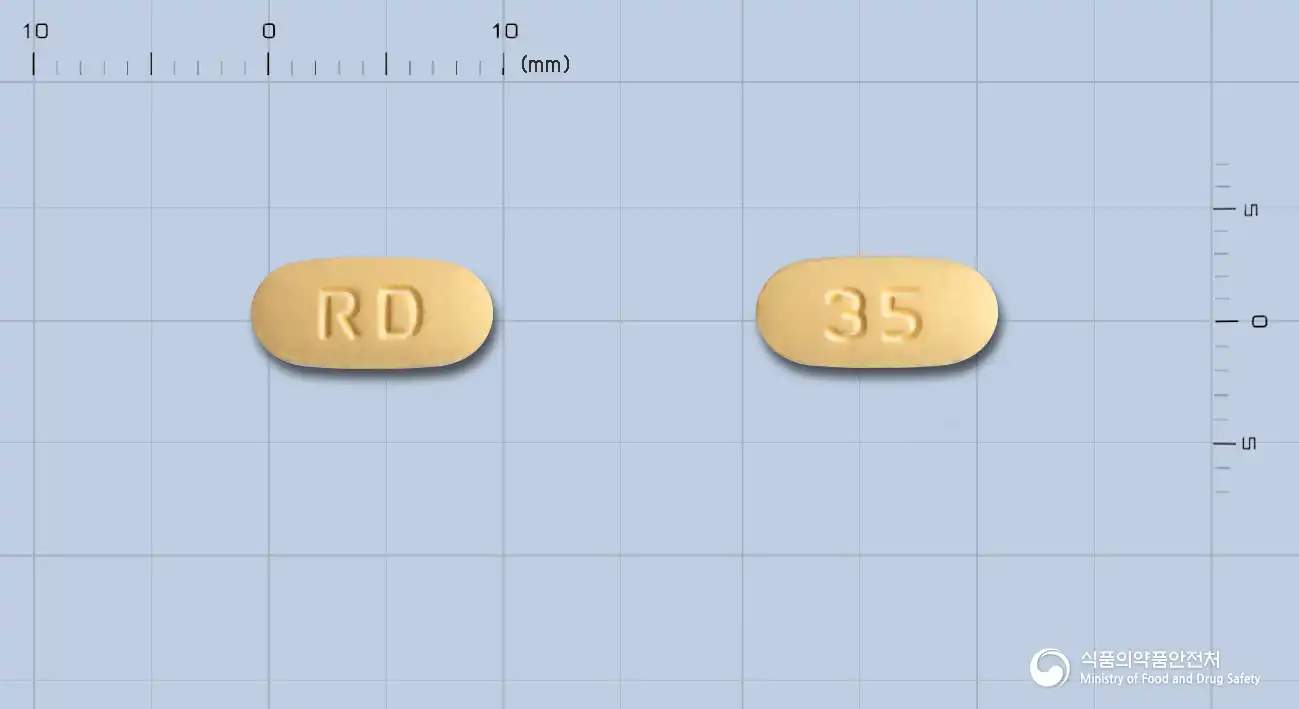
Dosage form image
Viewing nowCombinationRisevidi Tablet
Risedronate Sodium 2.5 Hydrate 40.162mg · Cholecalciferol Concentrate Powder 56mg
Tablet · Prescription medication · Combination
Daewoong Bio Co., Ltd.
MFDS item code 201606400 · Approved 2016.10.31 · Insurance code 694003080
Treatment and prevention of osteoporosis in postmenopausal women; treatment of osteoporosis in men
This medication is used for the treatment and prevention of osteoporosis in postmenopausal women and men.
Adults: Take 1 tablet of this medicine orally once weekly. Older adults: No dose adjustment is necessary because the bioavailability and pharmacokinetics of this medicine in older adults (60 years or older) are similar to those in younger people. Patients with renal impairment: No dose adjustment is necessary in patients with a creatinine clearance of 30ml/min or higher. This medicine is contraindicated in patients with severe renal impairment and a creatinine clearance below 30ml/min. Because food interferes with the absorption of this medicine, take it as follows to ensure adequate absorption: Take it at least 30 minutes before breakfast, or at least 2 hours apart from food or beverages at any time of day. Take this medicine in an upright position with a sufficient amount of plain water (170 ~ 230ml) to help it reach the stomach and reduce the possibility of esophageal irritation. Taking it with other beverages, including mineral water, may reduce absorption. Do not chew or suck this medicine because of the possibility of oropharyngeal ulceration. Patients should also not lie down for at least 30 minutes after taking this medicine. Patients with inadequate calcium and vitamin D intake from food should take supplements. Patients at increased risk of vitamin D deficiency (e.g., patients over 70 years of age, patients in nursing homes, and patients with chronic illnesses) may require additional vitamin D supplementation. Patients with gastrointestinal malabsorption syndromes may require higher doses of vitamin D supplements, and measurement of 25-hydroxyvitamin D levels should be considered. The recommended daily intake of vitamin D is 400 IU to 800 IU. Once-weekly administration of this medicine provides a week's supply of vitamin D at 800 IU per day. If a patient forgets to take this medicine on the scheduled day, take it on the day the patient remembers. Take the next dose on the originally scheduled day. Do not take 2 tablets on the same day.
Pediatric patients: Safety and efficacy have not been established in children and growing adolescents.
This medication may irritate the mucosa of the stomach and esophagus, potentially leading to issues like esophagitis or esophageal ulcers. Therefore, it's crucial not to lie down for at least 30 minutes after taking the medication and to take it with a sufficient amount of water. If you experience difficulty swallowing, chest pain, or heartburn after taking the medication, discontinue use immediately and consult a physician. This medication should be used with caution in patients with esophageal diseases or gastrointestinal disorders such as gastritis and duodenitis. Additionally, it should not be used in patients with esophageal stricture, achalasia, severe renal impairment, or specific genetic lactose intolerance. During treatment, avoid taking this medication with drugs or foods containing calcium, magnesium, or iron, as they can interfere with absorption; therefore, it is very important to maintain the correct timing and intervals for administration. Pregnant or breastfeeding women should avoid using this medication or consult a physician thoroughly, and safety in pediatric patients has not been established. Elderly patients may use it without special caution; however, if any unusual symptoms occur, they should consult with healthcare personnel immediately. In case of overdose, calcium levels in the blood may drop, requiring appropriate treatment and management. If dental treatment is needed, consult with a physician regarding the risk of jaw osteonecrosis before planning treatment. Regularly check the condition according to the physician's instructions while taking this medication and report any adverse reactions immediately.
esophagitis, esophageal ulcer, esophageal erosion, esophageal obstruction, esophageal perforation, bleeding, dysphagia, odynophagia, retrosternal pain, heartburn, gastritis, duodenitis, gastric ulcer, glossitis, petechiae, anemia, arthralgia, joint abnormalities, myalgia, bone pain, leg cramps, bursitis, tendon disorders, depression, dizziness, insomnia, anxiety, neuralgia, vertigo, pharyngitis, rhinitis, dyspnea, pneumonia, rash, pruritus, skin cancer, cataract, conjunctivitis, otitis media, urinary tract infection, cystitis, injuries from accidents, influenza-like illness, headache, overdose, allergic reaction, syncope, vasodilation, constipation, dyspepsia, nausea, diarrhea, gastroenteritis, colitis, vomiting, thirst, peripheral edema, traumatic fracture, myopathy, arthritis, neck pain, weakness, fever, falling, bronchitis, sinusitis, increased cough, chest burning, epigastric pain, loss of appetite, chest discomfort, palpitations, increased sweating, facial flushing, burning sensation, kidney stones, belching, hematuria, fever, fatty liver, increased serum alkaline phosphatase, facial edema, hair loss, abnormal olfaction, Stevens-Johnson syndrome, toxic epidermal necrolysis, angioedema, blisters, osteonecrosis of the jaw, liver dysfunction, jaundice, osteonecrosis of the external auditory canal, hypocalcemia, hypercalcemia, hypercalciuria, loss of appetite, polyuria, frailty, drowsiness, cleft palate, fracture, atypical fracture, low-energy fracture, low-trauma fracture
Not everyone experiences these, and they can vary from person to person.
This medication may be sensitive to air or moisture; therefore, it must be stored in a tightly sealed container. It is recommended to maintain a storage temperature between 1°C to 30°C to safely preserve the medication's efficacy.
Light orange oval film-coated tablet
4 tablets/PTP
Even with the same ingredient, strength, dosage form and how it is taken can differ.
Risedronate Sodium 2.5 Hydrate 40.162mg · Cholecalciferol Concentrate Powder 56mg
Tablet · Prescription medication · Combination
Daewoong Bio Co., Ltd.
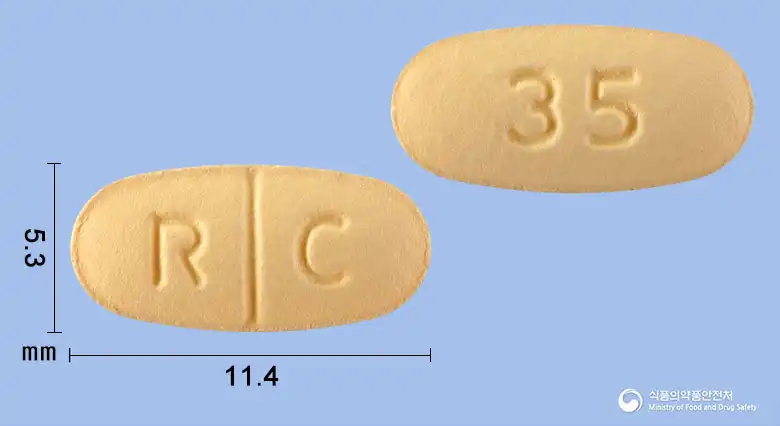
 Combination
Risedronate Sodium 2.5 Hydrate 40.162mg · Cholecalciferol Concentrate Powder 56mg
Tablet · Prescription medication · Combination
Daewoong Pharmaceutical Co., Ltd.
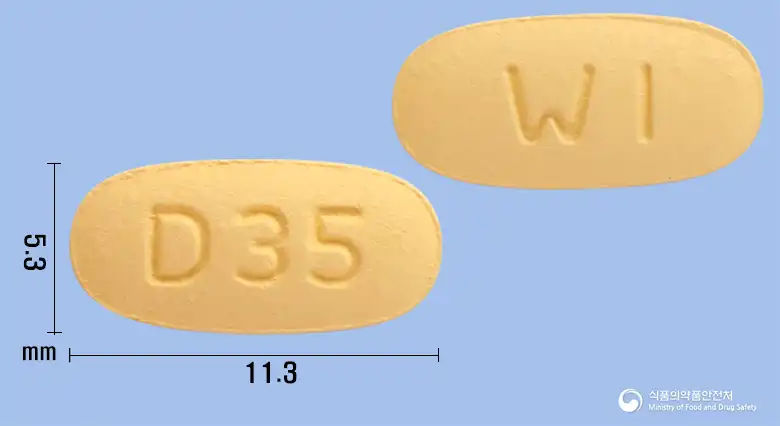
 Combination
Risedronate Sodium 2.5 Hydrate 40.162mg · Cholecalciferol Concentrate Powder 56mg
Tablet · Prescription medication · Combination
Hanlim Pharmaceutical Co., Ltd.
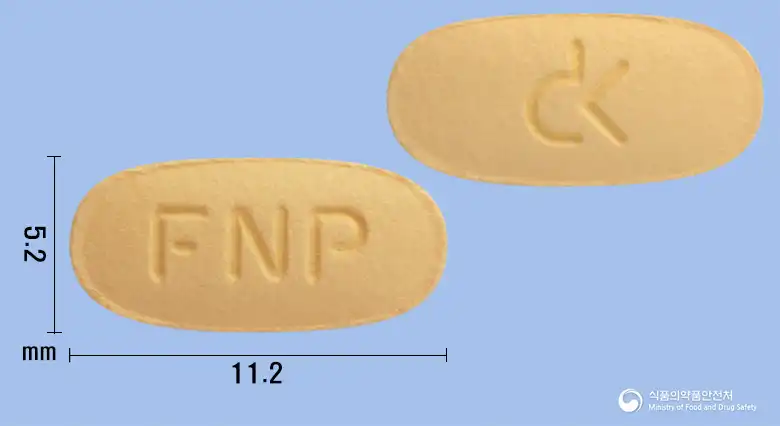
 Combination
Risedronate Sodium 2.5 Hydrate 40.162mg · Cholecalciferol Concentrate Powder 56mg
Tablet · Prescription medication · Combination
Hanin Pharmaceutical Co., Ltd.
 Combination
Risedronate Sodium 2.5 Hydrate 40.162mg · Cholecalciferol Concentrate Powder 56mg
Tablet · Prescription medication · Combination
Dongkuk Pharmaceutical Co., Ltd.
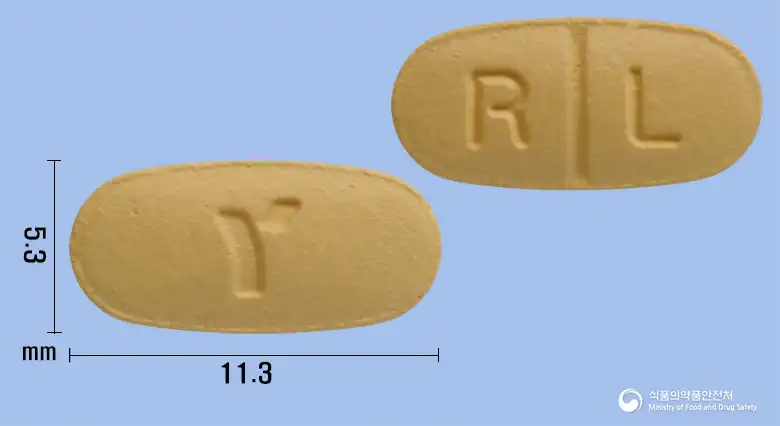 Combination
Risedronate Sodium 2.5 Hydrate 40.162mg · Cholecalciferol Concentrate Powder 56mg
Tablet · Prescription medication · Combination
Yu Young Pharmaceutical Co., Ltd.
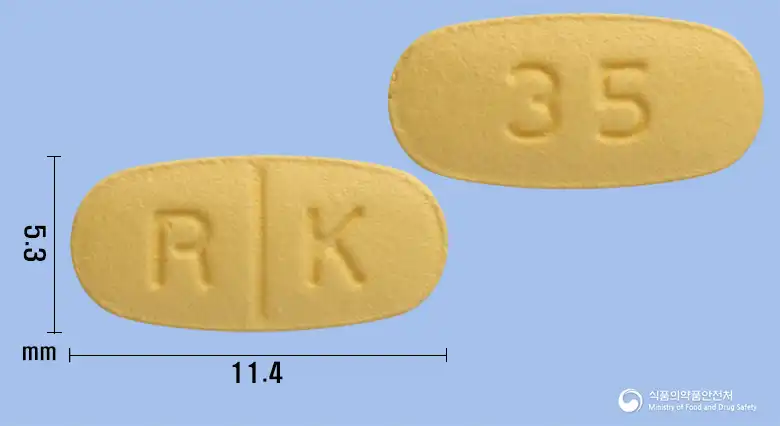 Combination
Risedronate Sodium 2.5 Hydrate 40.162mg · Cholecalciferol Concentrate Powder 56mg
Tablet · Prescription medication · Combination
Korea Prime Pharmaceutical Co., Ltd.
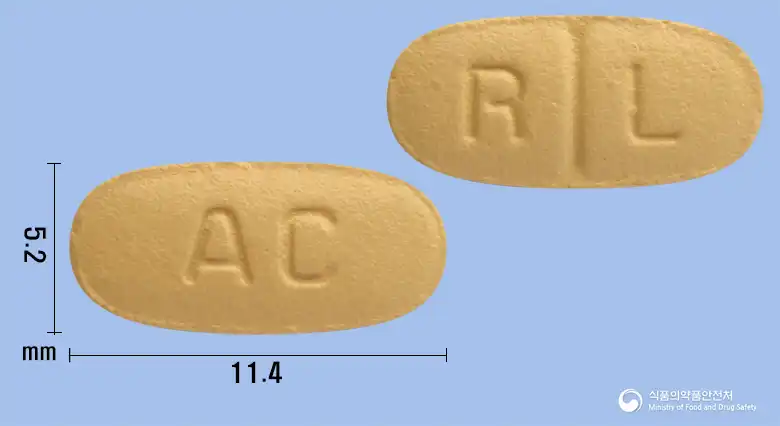 Combination
Risedronate Sodium 2.5 Hydrate 40.162mg · Cholecalciferol Concentrate Powder 56mg
Tablet · Prescription medication · Combination
Allico Pharmaceutical Co., Ltd.
Even with the same ingredient, the dose and directions can differ by strength and dosage form. Talk to a doctor or pharmacist before switching from a medication you are already taking.
No questions yet.
For anything that needs medical judgment, consult a doctor or pharmacist.
This drug information is based on data provided by the Korea Ministry of Food and Drug Safety.
Consult a doctor or pharmacist for accurate dosage, administration, and usage instructions.