
 한국어
한국어 English
 日本語
日本語 中文(简体)
Dosage form image
Viewing nowOlo Eye Drops 0.2% (Olopatadine Hydrochloride)
Olopatadine Hydrochloride 2.22mg
Eye drops · Prescription medication
BIVACON Pharmaceuticals Co., Ltd.
MFDS item code 201606147 · Approved 2016.10.19 · Insurance code 658203451
Relief of symptoms of allergic conjunctivitis
This medication is used to relieve symptoms such as itching, redness, and tearing of the eyes caused by allergic conjunctivitis. It improves patients' eye health and reduces discomfort.
1 drop in each eye once a day.
This medication should not be used by patients with hypersensitivity to the active ingredient or any component. Using this medication may cause neurological adverse reactions such as headaches, taste disturbances, and dizziness. Eye-related side effects may include punctate keratitis, keratitis, eye pain, dryness of the eyes, itching, eye discharge, and conjunctival hyperemia. Respiratory symptoms like nasal dryness or rhinitis may occur rarely. Skin reactions such as dry mouth or contact dermatitis have also been reported. Patients may also feel fatigued while using this medication. Additionally, symptoms similar to cold or pharyngitis may occur in some patients. There may be an increase in tear secretion, so caution is necessary. This medication contains phosphates, which may very rarely cause corneal calcification in patients with corneal damage. Contact lens wearers should avoid wearing lenses for at least 15 minutes after using this medication, as the benzalkonium chloride in this product can discolor lenses. This medication is a non-sedating antihistamine and may temporarily blur vision after use; therefore, one should wait until vision returns to normal before driving or operating machinery. During pregnancy, this medication should only be used if deemed necessary by a doctor, as it may affect the fetus. Women who are breastfeeding should consult a doctor before use, as this medication may be excreted in breast milk; the impact on the baby should be carefully considered. It can be safely used in children over the age of 3 and can be used by the elderly without special precautions. In cases of overdose, appropriate monitoring and treatment are required, and this medication should only be used for local application; the tip of the container should be kept clean and not touch the eye directly. When using with other eye drops, there should be at least a 5-minute interval, and it should be stored with the cap tightly closed to maintain cleanliness.
Not everyone experiences these, and they can vary from person to person.
This medication is sensitive to light and should be stored in a tightly closed container that blocks light. It is important to maintain a storage temperature between 4 degrees and 25 degrees. This will help to safely preserve the medication's effectiveness for a longer time.
A clear to pale yellow liquid contained in an opaque white plastic bottle for eye drops
3 milliliters/bottle
Even with the same ingredient, strength, dosage form and how it is taken can differ.
Olopatadine Hydrochloride 2.22mg
Eye drops · Prescription medication
BIVACON Pharmaceuticals Co., Ltd.
Olopatadine Hydrochloride 1.11mg
Eye drops · Prescription medication
Novartis Korea Co., Ltd.
Olopatadine Hydrochloride 5mg
Tablet · Prescription medication
Korea Kyowa Kirin Co., Ltd.
Olopatadine Hydrochloride 2.22mg
Eye drops · Prescription medication
Novartis Korea Co., Ltd.
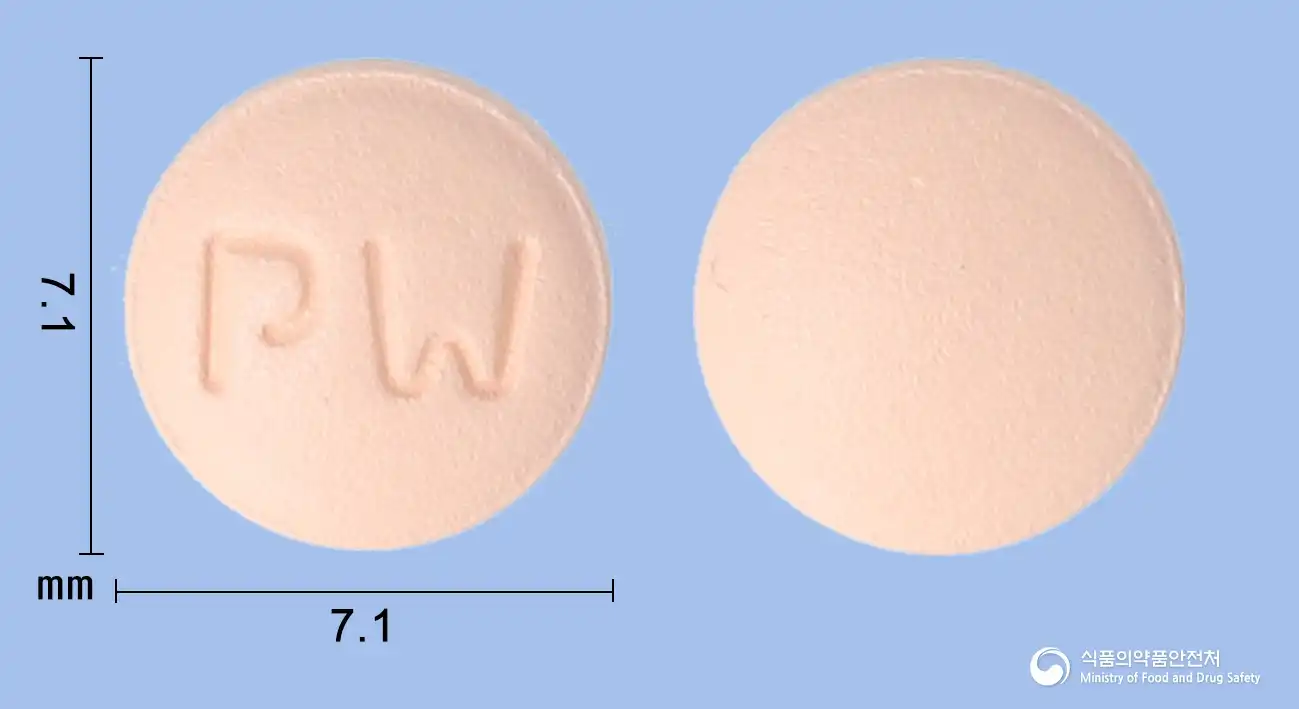
Olopatadine Hydrochloride 5mg
Tablet · Prescription medication
Daewoong Pharmaceutical Co., Ltd.
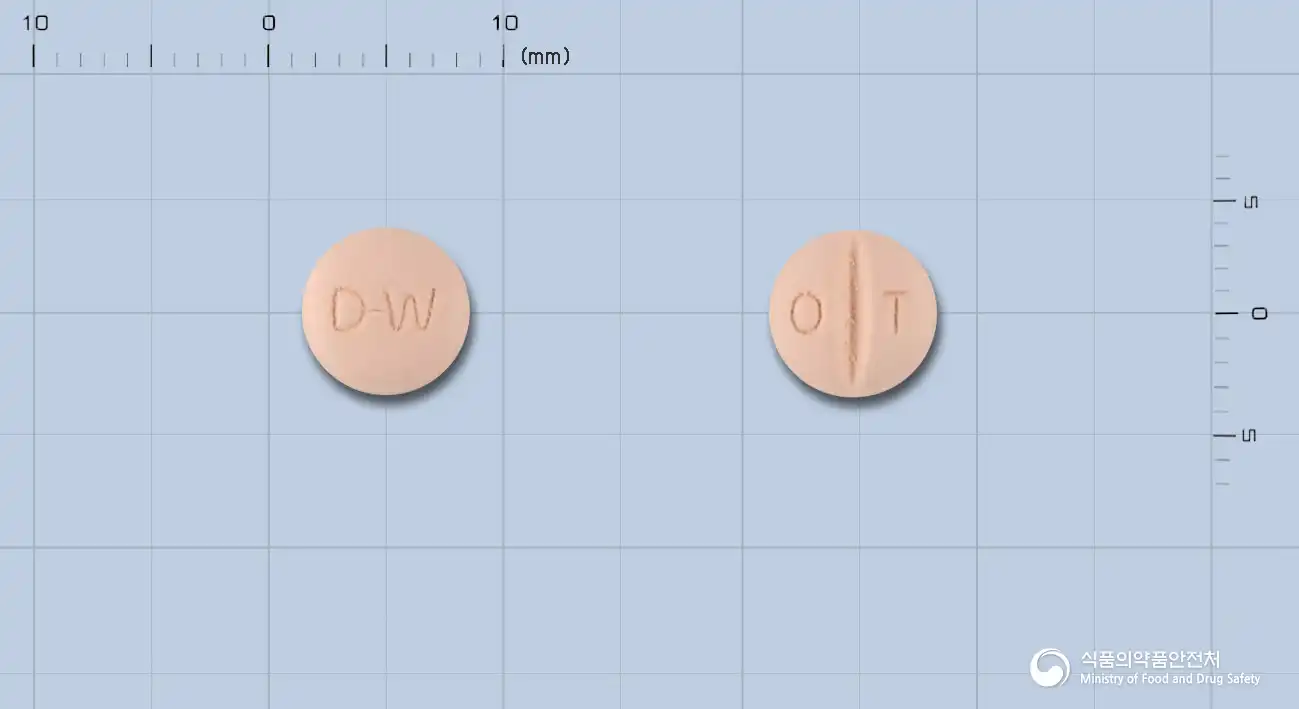
Olopatadine Hydrochloride 5mg
Tablet · Prescription medication
Dongwha Pharmaceutical Co., Ltd.
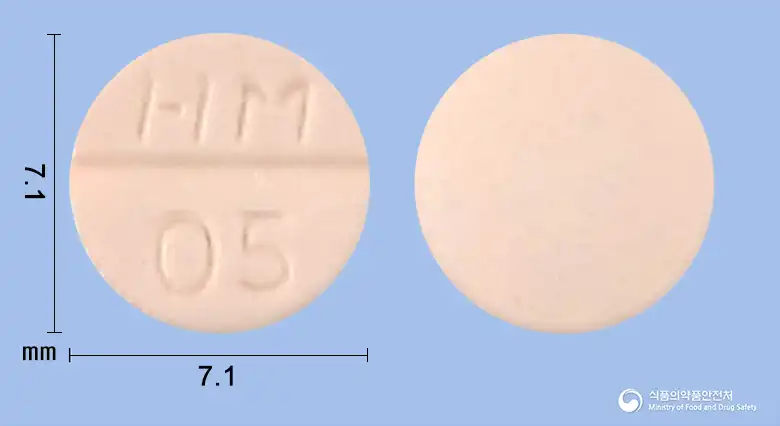
Olopatadine Hydrochloride 5mg
Tablet · Prescription medication
Hanmi Pharmaceutical Co., Ltd.
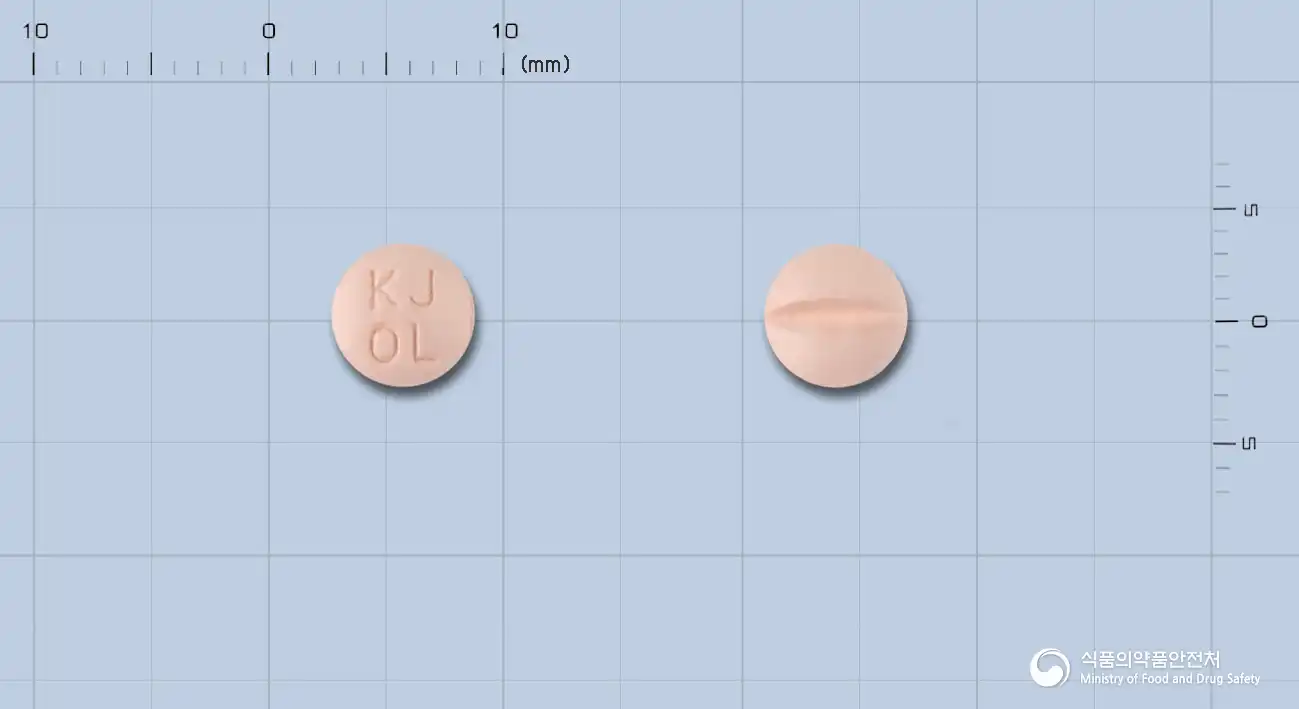
Olopatadine Hydrochloride 5mg
Tablet · Prescription medication
International Pharmaceutical Co., Ltd.
Even with the same ingredient, the dose and directions can differ by strength and dosage form. Talk to a doctor or pharmacist before switching from a medication you are already taking.
No questions yet.
For anything that needs medical judgment, consult a doctor or pharmacist.
This drug information is based on data provided by the Korea Ministry of Food and Drug Safety.
Consult a doctor or pharmacist for accurate dosage, administration, and usage instructions.