
 한국어
한국어 English
 日本語
日本語 中文(简体)
 Viewing nowCombination
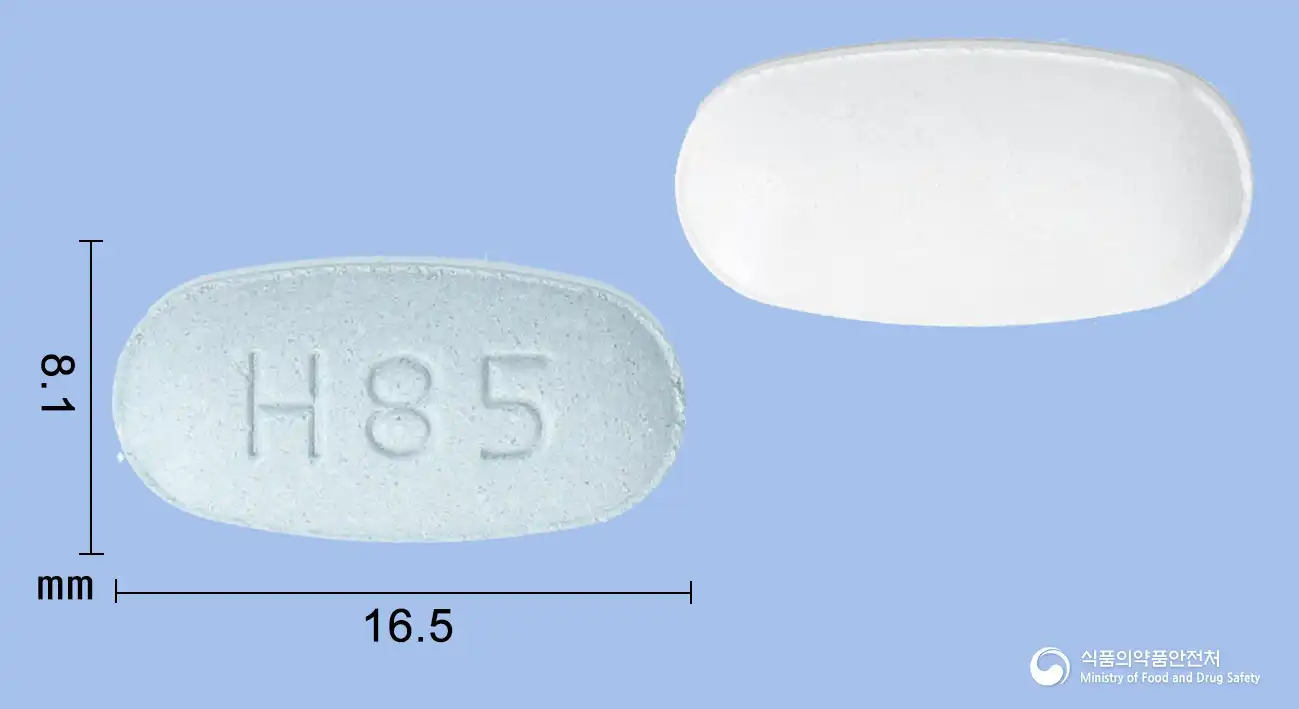
Hyperstar Tablet 80/5mg
Telmisartan 80mg · Amlodipine Besylate 6.935mg
Prescription medication · Combination
HanKook HueTex Pharmaceuticals Co., Ltd.
MFDS item code 201605826 · Approved 2016.09.30 · Insurance code 649103180
Improvement of essential hypertension blood pressure control
This medication helps effectively lower blood pressure for individuals whose blood pressure is not adequately controlled with either telmisartan or amlodipine monotherapy. It is used for patients with essential hypertension who require additional blood pressure management.
The recommended dose of this medication is one tablet once daily, to be taken with water regardless of meals. It is recommended to take it at the same time each day (e.g., in the morning). Dosage adjustments of 40/5 mg, 80/5 mg, and 40/10 mg are recommended based on the patient's blood pressure status. For patients with severe renal impairment, treatment should start at a lower dose and be gradually increased, while elderly patients should also begin at a lower dose.
The safety and efficacy of this medication in pediatric patients below 18 years of age have not been established, so its use is not recommended.
This medication can pose serious risks to the fetus, especially during the second and third trimesters of pregnancy, so it should not be taken by women who are pregnant or may become pregnant. Certain patients should not be treated with this medication, including those who have allergies to any of the components, severe liver dysfunction, severe hypotension, and cardiogenic shock. Patients with compromised liver or kidney function, patients with heart valve diseases, and elderly patients should use this medication with special caution. Side effects such as dizziness or edema may occur during treatment, and in severe cases, fainting or cardiac issues may arise; thus, any unusual symptoms should be reported to medical personnel immediately. As this medication lowers blood pressure, hypotension may occur, which could be exacerbated when the body is dehydrated, so caution is warranted. There is a risk of increased blood potassium levels; therefore, potassium supplements or medications containing potassium should only be taken with regular monitoring of blood potassium levels. This medication may affect kidney function, so patients with kidney diseases must regularly check their kidney function. Interactions can occur when taken with other medications, so it's crucial to inform healthcare providers of any other medications being taken. Women who are pregnant or breastfeeding should not take this medication, and if planning a pregnancy, it is recommended to switch to a safer antihypertensive medication. Elderly individuals may react more sensitively to this medication, so dosage should be adjusted, and careful monitoring is necessary. In the case of overdose, severe hypotension, dizziness, and arrhythmias may occur, and emergency treatment should be sought immediately. This medication is not recommended for children, and it should be stored out of reach of children.
Not everyone experiences these, and they can vary from person to person.
This medication should be stored in a tightly closed container that can block light, at room temperature between 1 to 30 degrees Celsius. Proper storage maintains the effectiveness and prevents deterioration of the medication.
Biconvex oval double-coated tablet in white and light blue.
30 tablets/box [10 tablets/PTP*3], 30 tablets/bottle, 100 tablets/bottle
Even with the same ingredient, strength, dosage form and how it is taken can differ.
Viewing nowCombinationTelmisartan 80mg · Amlodipine Besylate 6.935mg
Prescription medication · Combination
HanKook HueTex Pharmaceuticals Co., Ltd.
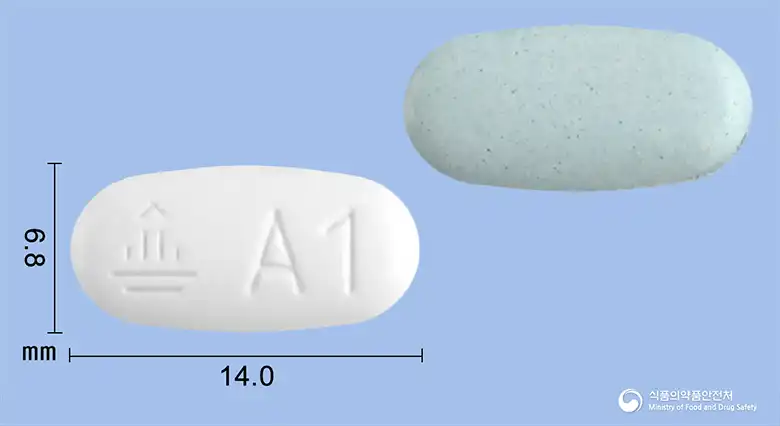 Combination
Telmisartan 40mg · Amlodipine Besylate 6.935mg
Prescription medication · Combination
Boehringer Ingelheim Korea Co., Ltd.
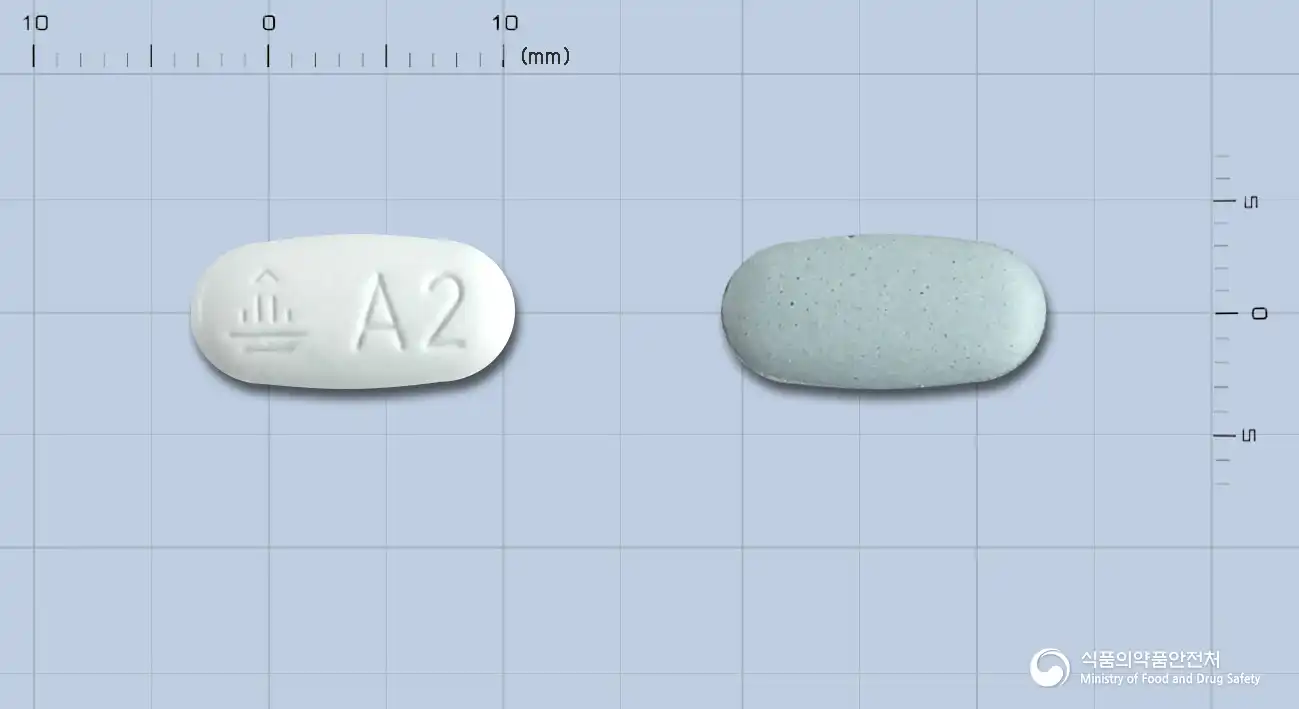 Combination
Telmisartan 40mg · Amlodipine Besylate 13.87mg
Prescription medication · Combination
Boehringer Ingelheim Korea Co., Ltd.
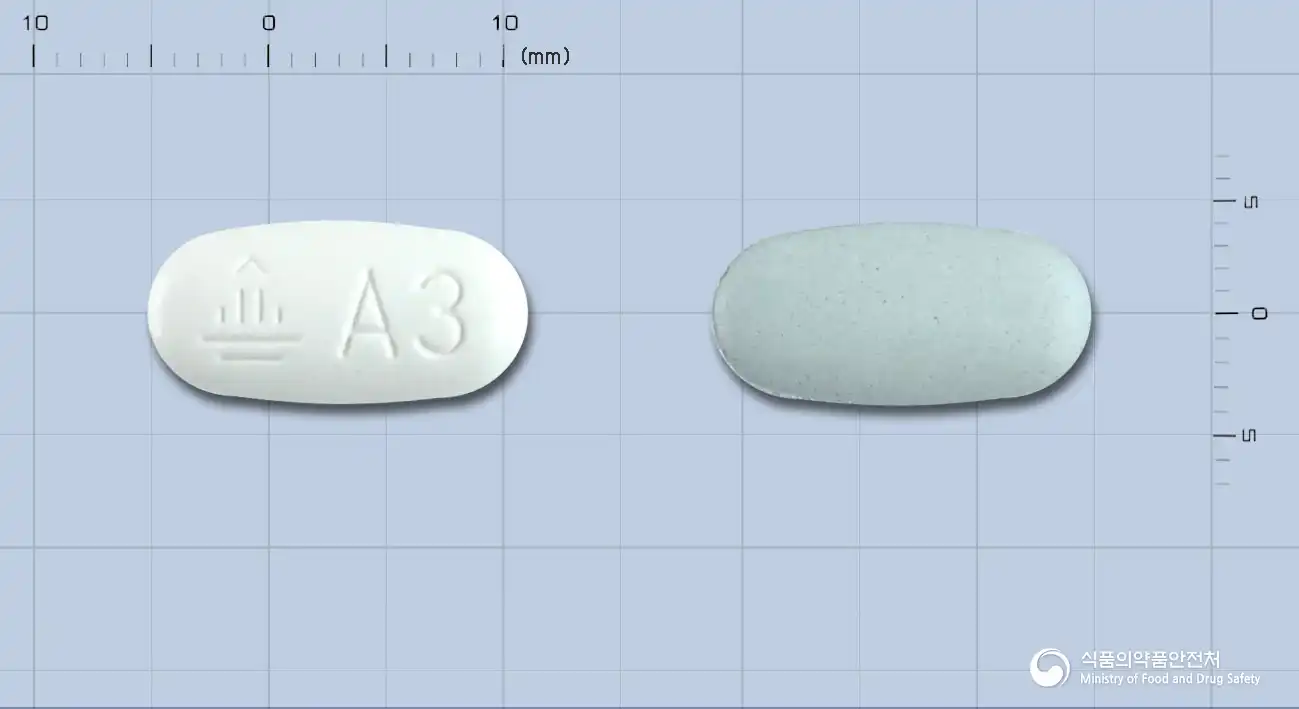 Combination
Telmisartan 80mg · Amlodipine Besylate 6.935mg
Prescription medication · Combination
Boehringer Ingelheim Korea Co., Ltd.
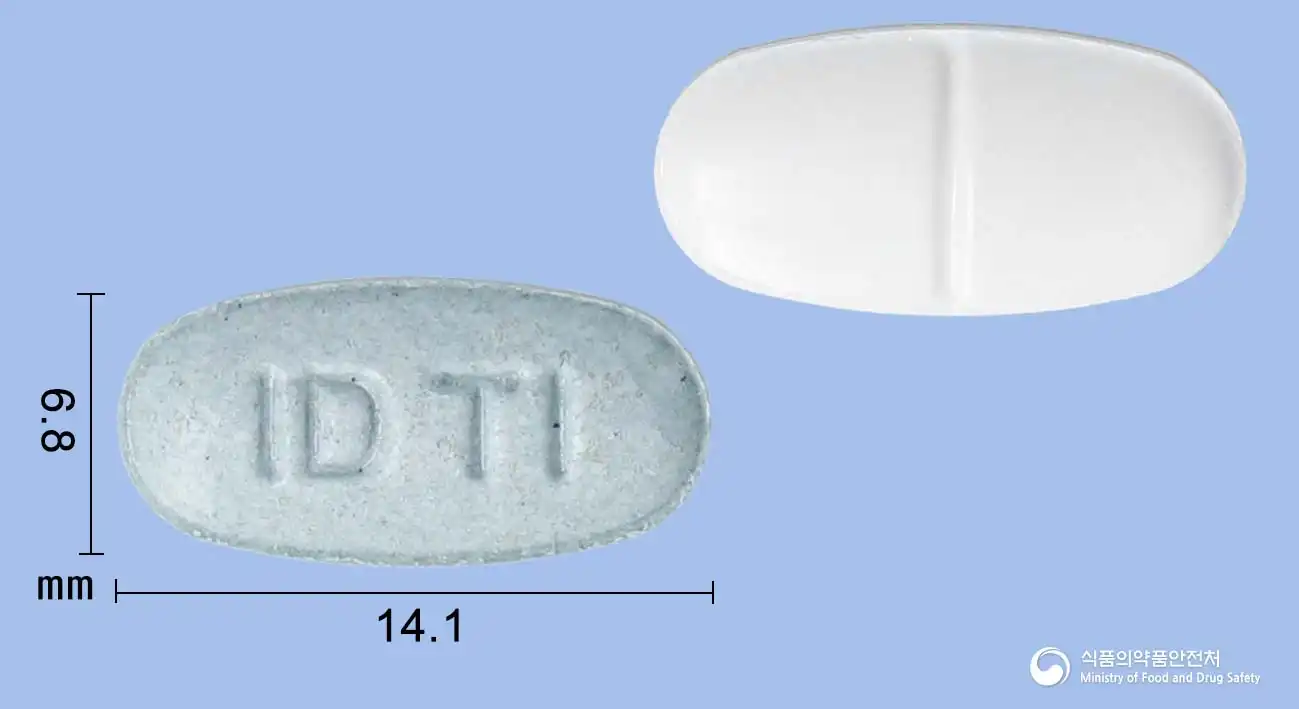 Combination
Telmisartan 40mg · Amlodipine Besylate 6.935mg
Prescription medication · Combination
Ildong Pharmaceutical Co., Ltd.
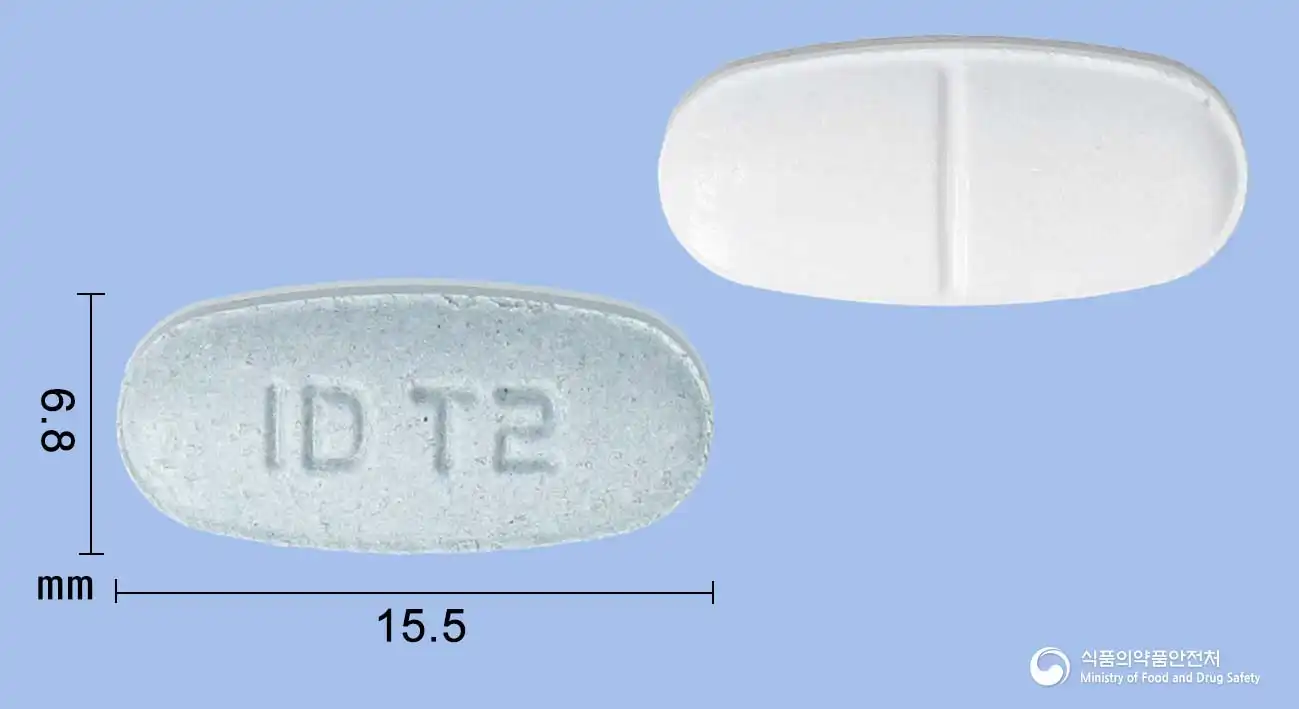 Combination
Telmisartan 40mg · Amlodipine Besylate 13.87mg
Prescription medication · Combination
ILDONG Pharmaceutical Co., Ltd.
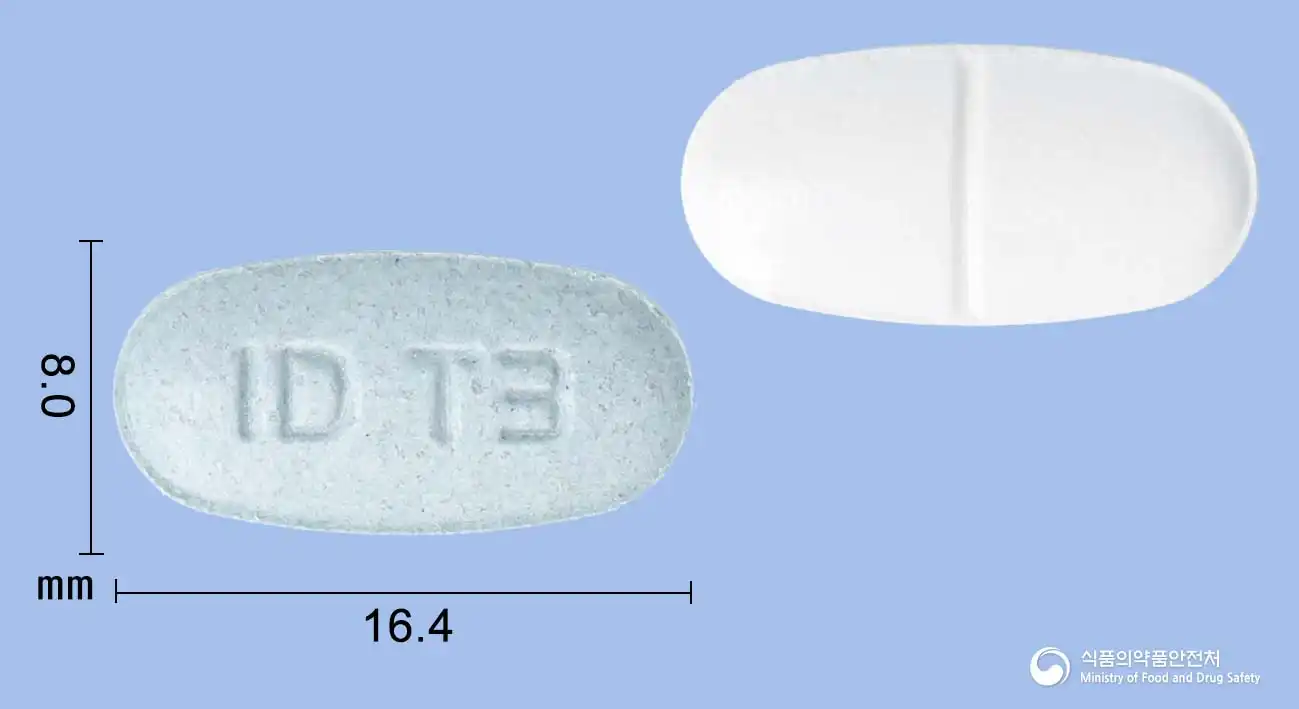 Combination
Telmisartan 80mg · Amlodipine Besylate 6.935mg
Prescription medication · Combination
Ildong Pharmaceutical Co., Ltd.
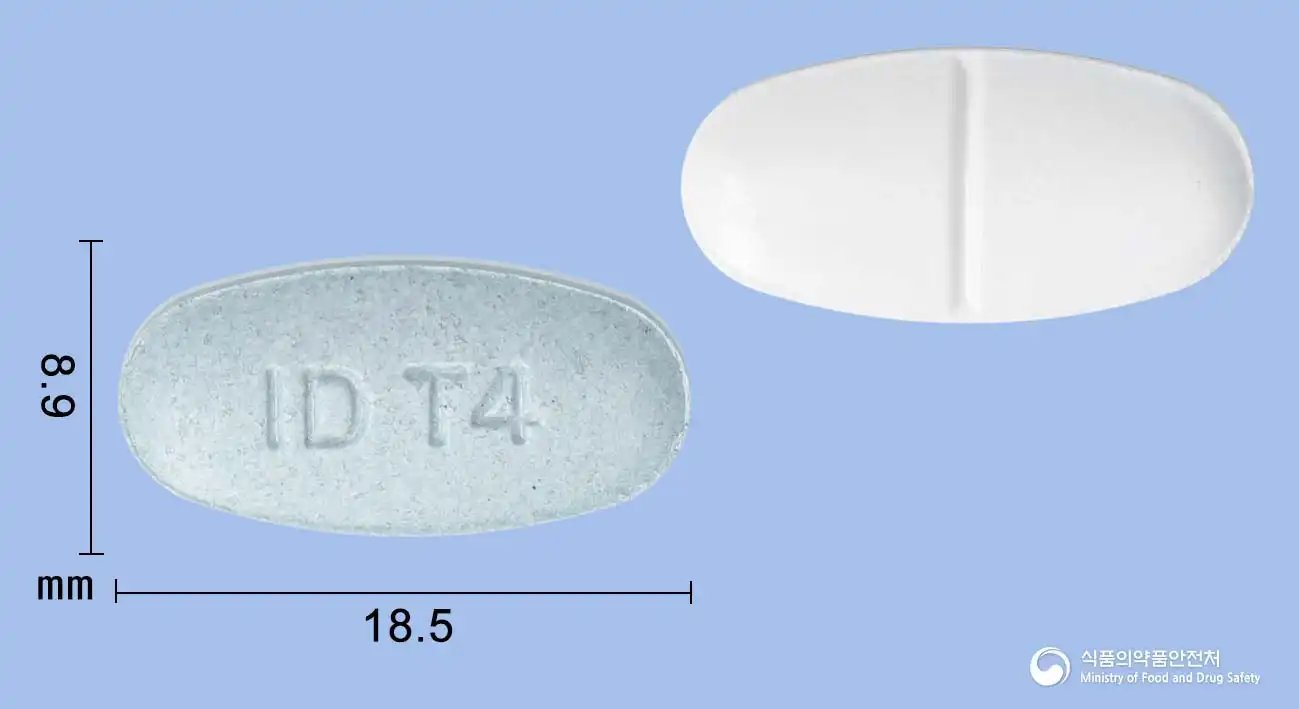 Combination
Telmisartan 80mg · Amlodipine Besylate 13.87mg
Prescription medication · Combination
Ildong Pharmaceutical Co., Ltd.
Even with the same ingredient, the dose and directions can differ by strength and dosage form. Talk to a doctor or pharmacist before switching from a medication you are already taking.
No questions yet.
For anything that needs medical judgment, consult a doctor or pharmacist.
This drug information is based on data provided by the Korea Ministry of Food and Drug Safety.
Consult a doctor or pharmacist for accurate dosage, administration, and usage instructions.