
 한국어
한국어 English
 日本語
日本語 中文(简体)
 Viewing nowCombination
Enpistar Tablet 40/10mg
Telmisartan Powder 23.9% 167.36mg · Amlodipine Besylate 13.87mg
Prescription medication · Combination
Daehan New Pharm Co., Ltd.
MFDS item code 201605823 · Approved 2016.09.30 · Insurance code 669906970
Improvement of blood pressure control in essential hypertension
This medication effectively lowers blood pressure in patients with essential hypertension who are not adequately controlled with monotherapy of telmisartan or amlodipine. It helps to manage hypertension by dilating blood vessels, facilitating blood flow, reducing the burden on the heart, and contributing to the prevention of complications. It may also help reduce the risk of cardiovascular disease. Therefore, this medication is used to improve blood pressure control in the treatment of essential hypertension.
The recommended dose of this medication is one tablet once daily, taken with water regardless of meals. It is recommended to take it at the same time each day (e.g., in the morning). In patients with severe renal impairment, treatment should be initiated at a low dose and gradually increased. In patients with liver impairment, the daily dose of telmisartan should not exceed 40 milligrams. Elderly patients (75 years or older) should start with a lower dose and gradually increase.
The safety and efficacy of this medication in patients under 18 years of age have not been established, so its use is not recommended.
This medication should not be used during pregnancy, especially in the second and third trimesters, as it can cause serious harm to the fetus. If pregnancy is confirmed, the administration of this medication should be discontinued as soon as possible. It should not be administered to patients with hypersensitivity to this medication or those with certain heart conditions, liver disorders, or severe hypotension. It is also safer not to take this medication for nursing women. Caution is needed when used in patients with liver impairment or gastrointestinal conditions, and patients with impaired kidney function should have regular check-ups. Dosage should be carefully adjusted in elderly patients. If symptoms of hypotension occur due to a sudden drop in blood pressure, it is advised to lie down and rest immediately and seek medical help if necessary. This medication may raise potassium levels in the blood, so caution is required when taken with potassium supplements or medications containing potassium. Caution is needed while driving or operating dangerous machinery as dizziness or drowsiness may occur. There may be interactions with other medications, so it is crucial to inform the doctor or pharmacist of all medications being taken. Severe hypotension or heart issues may occur in case of overdose, so adherence to the prescribed dosage is essential. This medication is not recommended for children, and it should be stored out of reach of children.
Hives, angioedema (including fatal outcomes), severe swelling (edema), chest tightness, difficulty breathing, cold sweat, pallor, sepsis (including fatal outcomes), thrombocytopenia, leukopenia, anaphylactic reaction, hyperkalemia, hypoglycemia, hyperglycemia, fainting, myocardial infarction, ventricular tachycardia, arrhythmia, atrial fibrillation, vasculitis, dyspnea, hepatitis, jaundice, elevated liver enzymes (usually accompanied by cholestasis), angioedema, etc.
Dizziness, peripheral edema, fainting, drowsiness, headache, migraine, sensory disturbances, taste disturbances, tremors, visual disturbances (including double vision), dizziness, tinnitus, palpitations, bradycardia, tachycardia, flushing, hypotension, orthostatic hypotension, cough, abdominal pain, dyspepsia, nausea, vomiting, dry mouth, itching, sweating, rash, hair loss, purpura, skin discoloration, eczema, erythema, joint swelling, muscle cramps, arthralgia, myalgia, low back pain, limb pain, erectile dysfunction
Not everyone experiences these, and they can vary from person to person.
This medication is sensitive to light and should be stored in a container that protects it from light. Additionally, it should be kept at room temperature, between 1 and 30 degrees Celsius, to maintain its effectiveness and safety.
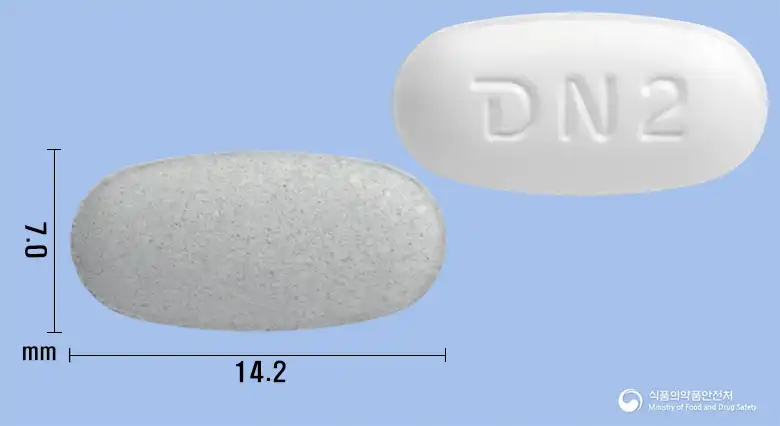
This is a double tablet that is oval-shaped, biconvex, with a white and light gray color.
30 tablets (10 tablets/PTP x 3)
Even with the same ingredient, strength, dosage form and how it is taken can differ.
Viewing nowCombinationTelmisartan Powder 23.9% 167.36mg · Amlodipine Besylate 13.87mg
Prescription medication · Combination
Daehan New Pharm Co., Ltd.
 Combination
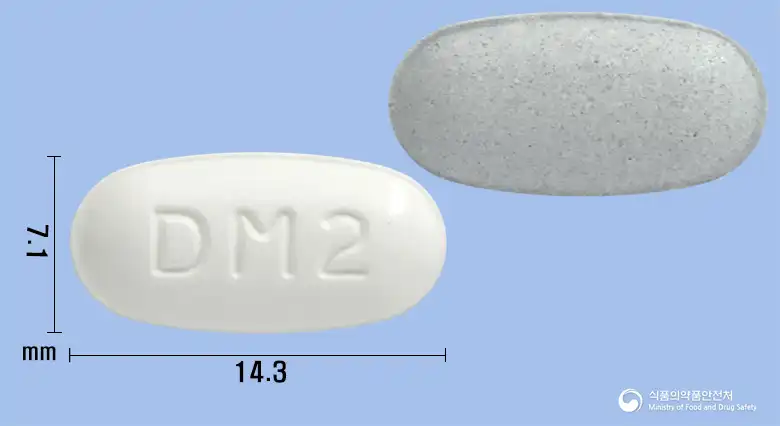
Telmisartan Powder 23.9% 167.36mg · Amlodipine Besylate 13.87mg
Prescription medication · Combination
Dasan Pharmaceutical Co., Ltd.
 Combination
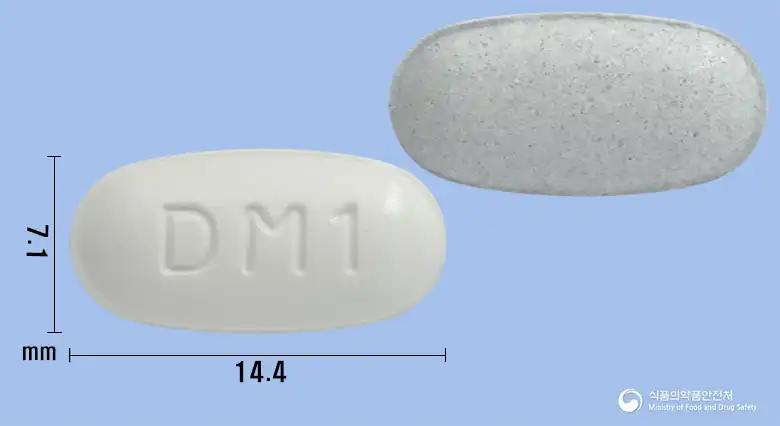
Telmisartan Powder 23.9% 167.36mg · Amlodipine Besylate 6.935mg
Prescription medication · Combination
Dasan Pharmaceutical Co., Ltd.
 Combination
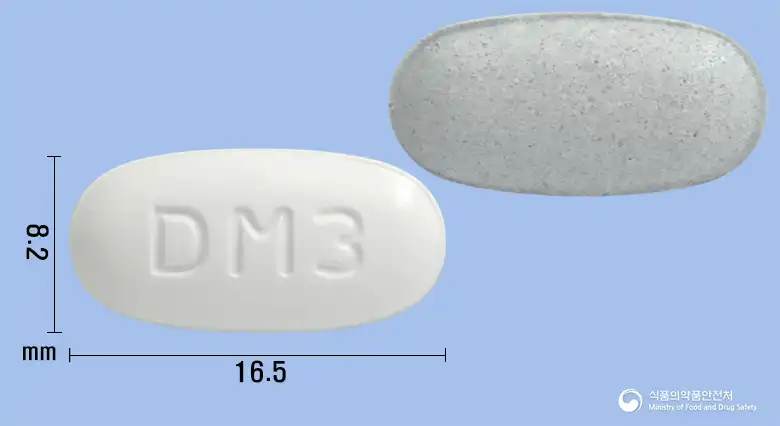
Telmisartan Powder 23.9% 334.72mg · Amlodipine Besylate 6.935mg
Prescription medication · Combination
Dasan Pharmaceutical Co., Ltd.
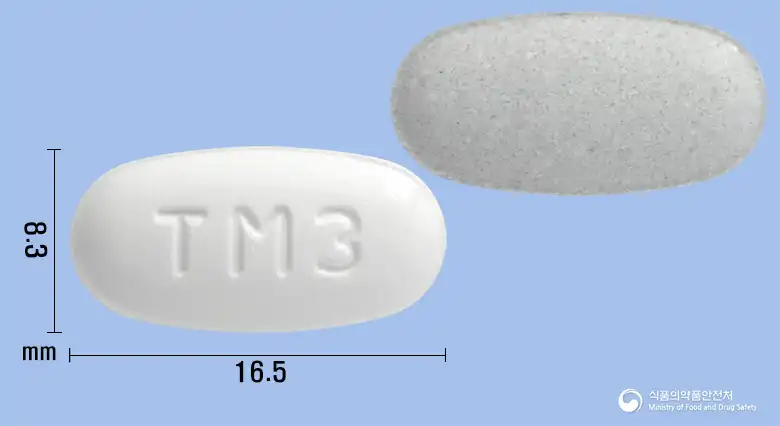 Combination
Telmisartan Powder 23.9% 334.72mg · Amlodipine Besylate 6.935mg
Prescription medication · Combination
Bivozon Pharmaceutical Co., Ltd.
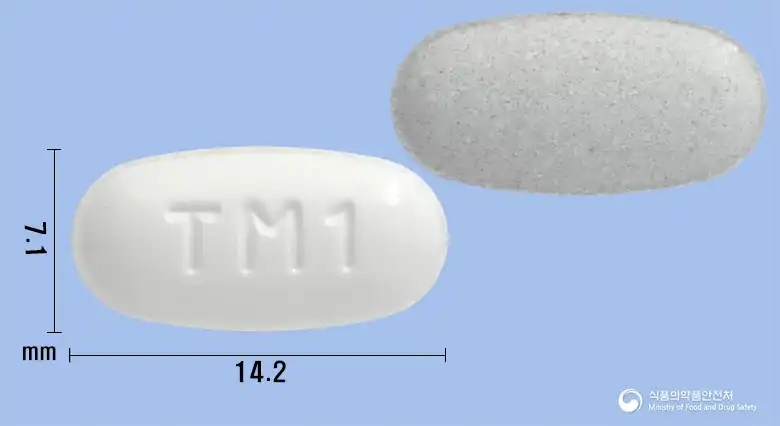 Combination
Telmisartan Powder 23.9% 167.36mg · Amlodipine Besylate 6.935mg
Prescription medication · Combination
Vivozon Pharmaceutical Co., Ltd.
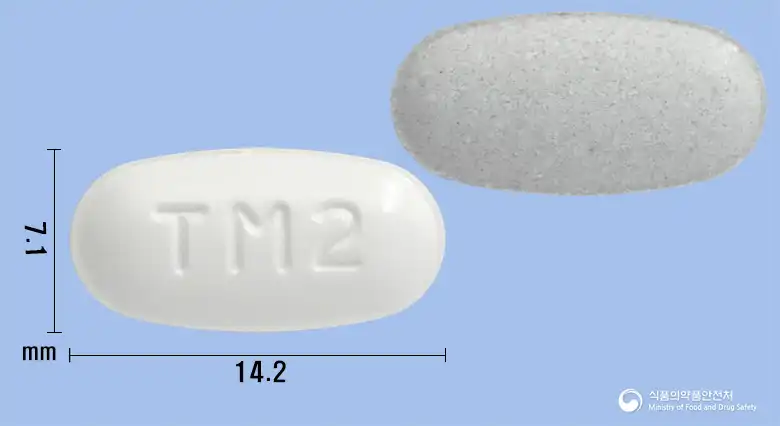 Combination
Telmisartan Powder 23.9% 167.36mg · Amlodipine Besylate 13.87mg
Prescription medication · Combination
Bivozon Pharmaceutical Co., Ltd.
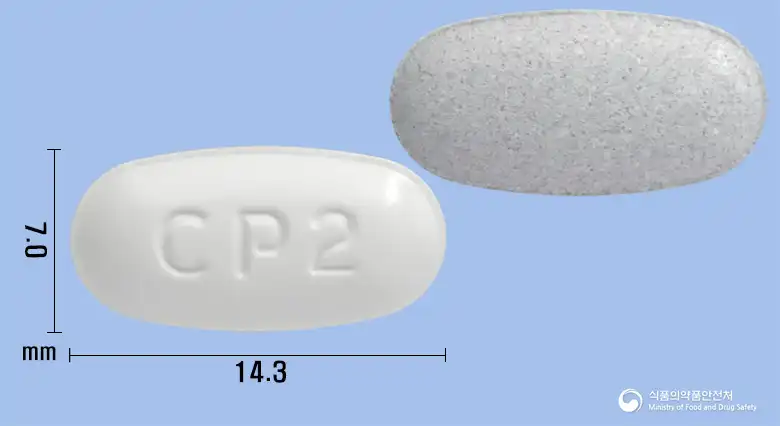 Combination
Telmisartan Powder 23.9% 167.36mg · Amlodipine Besylate 13.87mg
Prescription medication · Combination
CMG Pharmaceutical Co., Ltd.
Even with the same ingredient, the dose and directions can differ by strength and dosage form. Talk to a doctor or pharmacist before switching from a medication you are already taking.
No questions yet.
For anything that needs medical judgment, consult a doctor or pharmacist.
This drug information is based on data provided by the Korea Ministry of Food and Drug Safety.
Consult a doctor or pharmacist for accurate dosage, administration, and usage instructions.