
 한국어
한국어 English
 日本語
日本語 中文(简体)
 Viewing nowCombination
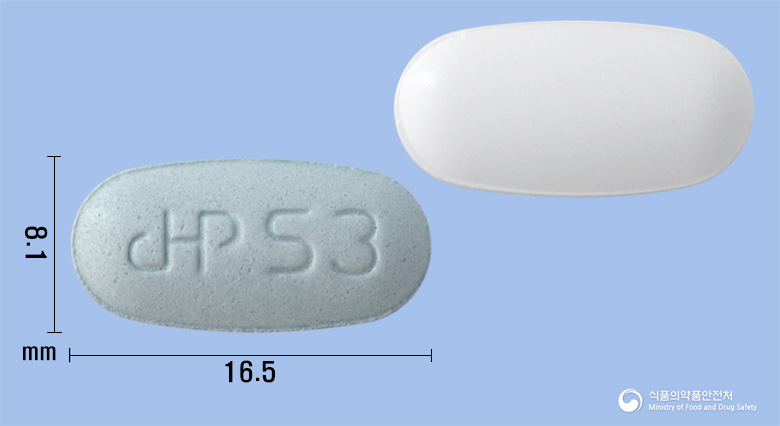
Supia Tablet 80/5 mg
Telmisartan 80mg · Amlodipine Besylate 6.935mg
Prescription medication · Combination
DaeHwa Pharmaceutical Co., Ltd.
MFDS item code 201605790 · Approved 2016.09.30 · Insurance code 645604810
Improvement in blood pressure control for essential hypertension
This medication is used for patients with essential hypertension whose blood pressure is not adequately controlled with monotherapy using amlodipine or telmisartan. In other words, it helps effectively lower blood pressure and manage it in cases where existing treatments are insufficient. This contributes to the prevention of cardiovascular diseases and reduces the occurrence of complications. This drug assists in controlling the patient's blood pressure to support a healthy lifestyle.
The recommended dosage for this medication is 1 tablet once daily, to be taken with water regardless of meals. It is recommended to take it at the same time daily (e.g., in the morning). Dosage adjustments for 40/5 mg, 80/5 mg, and 40/10 mg depend on the state of blood pressure control. Patients with renal impairment, liver impairment, or elderly patients require dosage adjustments and careful monitoring.
The safety and efficacy for pediatric patients under the age of 18 have not been established; therefore, the administration of this drug is not recommended.
This drug should not be used during pregnancy, especially in the second and third trimesters, as it may pose serious risks to the fetus. It is crucial to discontinue this medication immediately upon confirming pregnancy. This medication should not be administered to individuals with hypersensitivity to the active components, pregnant or potentially pregnant women, lactating women, and patients with severely impaired liver function. Patients with serious issues related to the heart, liver, or kidneys should also avoid its use. In some patients, this drug may lower blood pressure too much, so hypertensive patients should be particularly cautious. Elderly patients and those with impaired kidney function require dosage adjustments and careful monitoring. Side effects such as dizziness or swelling may occur while taking this medication; if symptoms are severe, consultation with a physician is necessary. Additionally, this medication may interact with other drugs, so it is essential to inform healthcare professionals about other medications being taken. Caution is necessary when driving or operating machinery due to possible drowsiness or dizziness. This medication contains sorbitol, and those with fructose intolerance should avoid using it. In the case of overdose, serious hypotension or cardiac issues may occur; therefore, the dosage must be adhered to, and immediate medical attention is required if unusual symptoms arise. This medication is not recommended for children due to insufficient evidence of safety and efficacy.
Hives, severe swelling (angioedema), chest tightness, difficulty breathing, cold sweat, paleness, severe allergic reactions, severe rash, blisters, exfoliative dermatitis, pain in mucous membranes of mouth/eyes, severe skin adverse reactions, shortness of breath or difficulty breathing, asthma attacks, respiratory abnormalities accompanied by cough and fever, jaundice (yellowing of skin or eyes), profound lethargy, liver abnormalities (jaundice), sudden and severe headache, thunderclap headache
Dizziness, peripheral edema, upper respiratory infection, urinary tract infection, anemia, hyperkalemia, hypoglycemia, hyponatremia, hyperglycemia, depression, insomnia, anxiety, confusion, drowsiness, migraine, headache, sensory disturbance, fainting, dysgeusia, tremor, visual disturbances (including double vision), dizziness, tinnitus, palpitations, bradycardia, tachycardia, flushing, hypotension, orthostatic hypotension, cough, abdominal pain, dyspepsia, nausea, vomiting, dry mouth, itching, sweating,
Not everyone experiences these, and they can vary from person to person.
This drug is sensitive to light and should be stored in a tightly sealed container that protects it from light. It is important to maintain a storage temperature between 1 and 30 degrees Celsius.
White and light blue, biconvex oval double tablet
30 tablets (10 tablets/PTPX3)
Even with the same ingredient, strength, dosage form and how it is taken can differ.
Viewing nowCombinationTelmisartan 80mg · Amlodipine Besylate 6.935mg
Prescription medication · Combination
DaeHwa Pharmaceutical Co., Ltd.
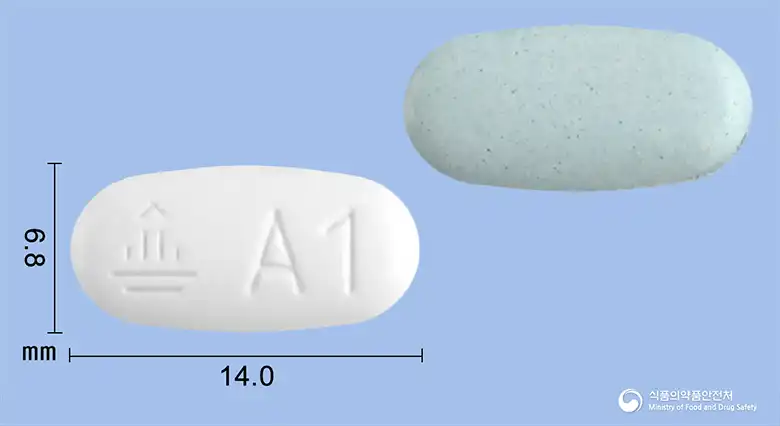 Combination
Telmisartan 40mg · Amlodipine Besylate 6.935mg
Prescription medication · Combination
Boehringer Ingelheim Korea Co., Ltd.
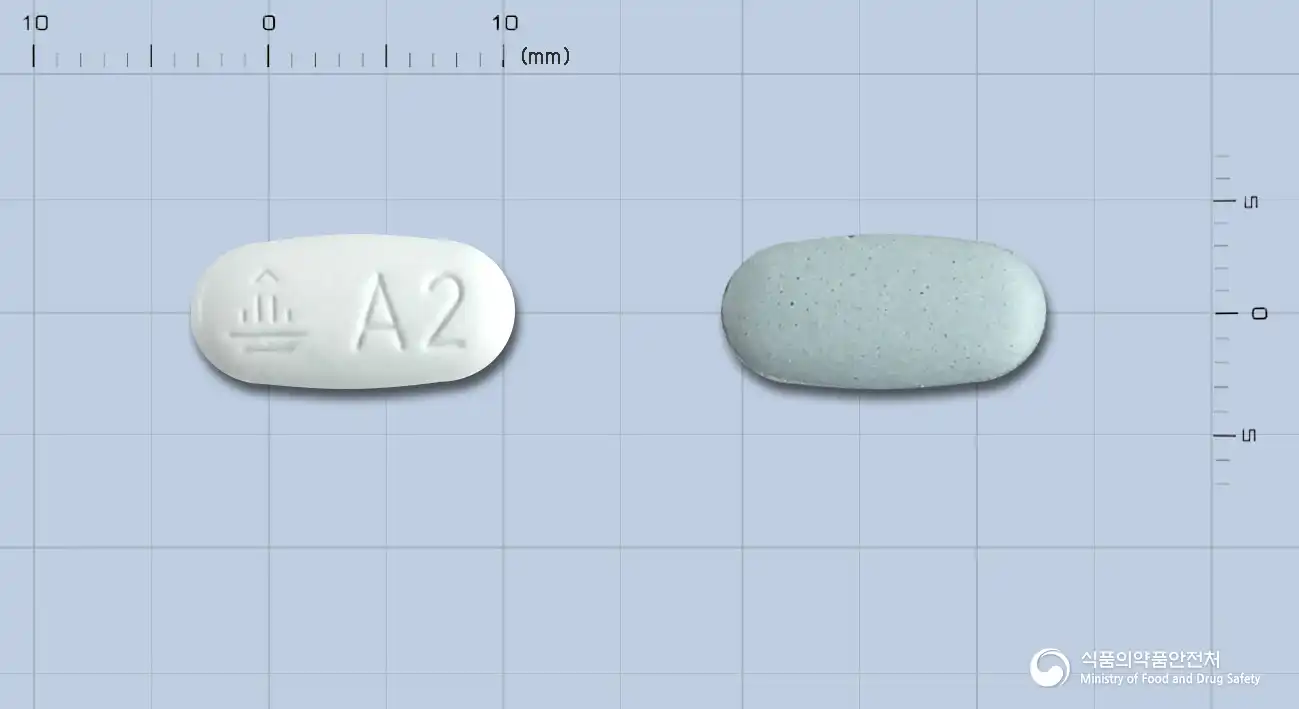 Combination
Telmisartan 40mg · Amlodipine Besylate 13.87mg
Prescription medication · Combination
Boehringer Ingelheim Korea Co., Ltd.
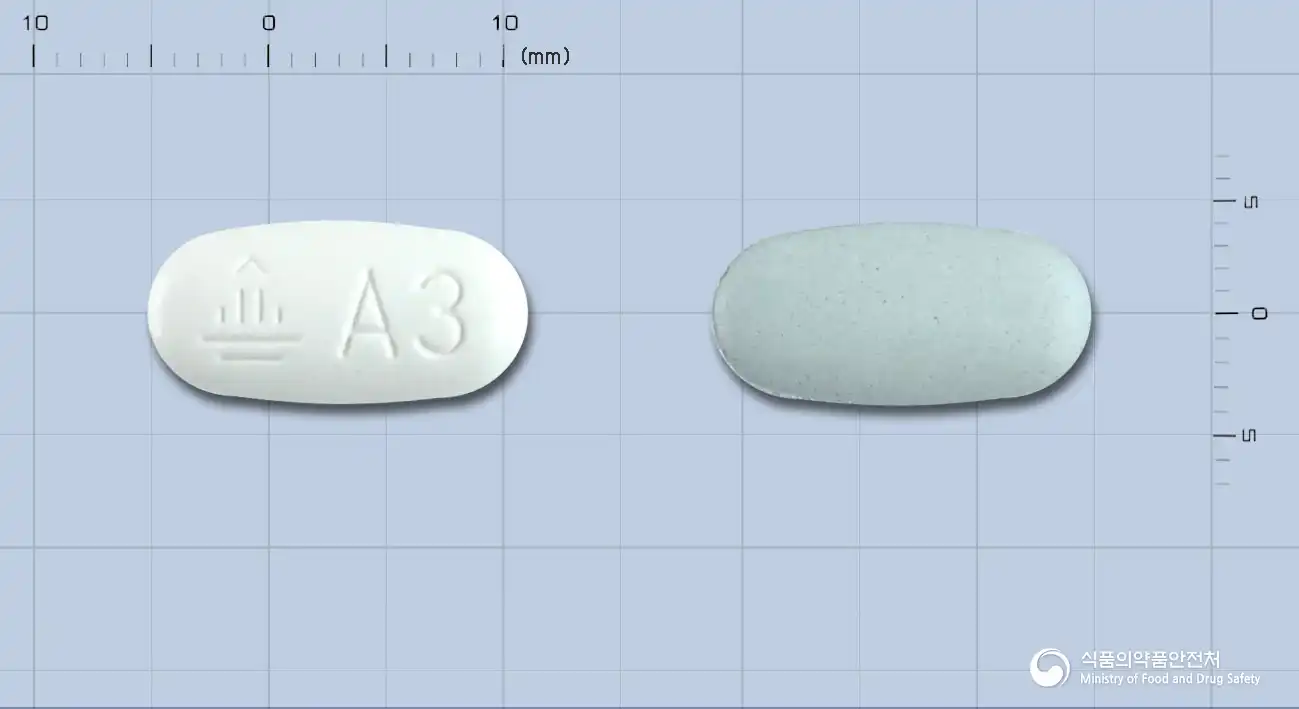 Combination
Telmisartan 80mg · Amlodipine Besylate 6.935mg
Prescription medication · Combination
Boehringer Ingelheim Korea Co., Ltd.
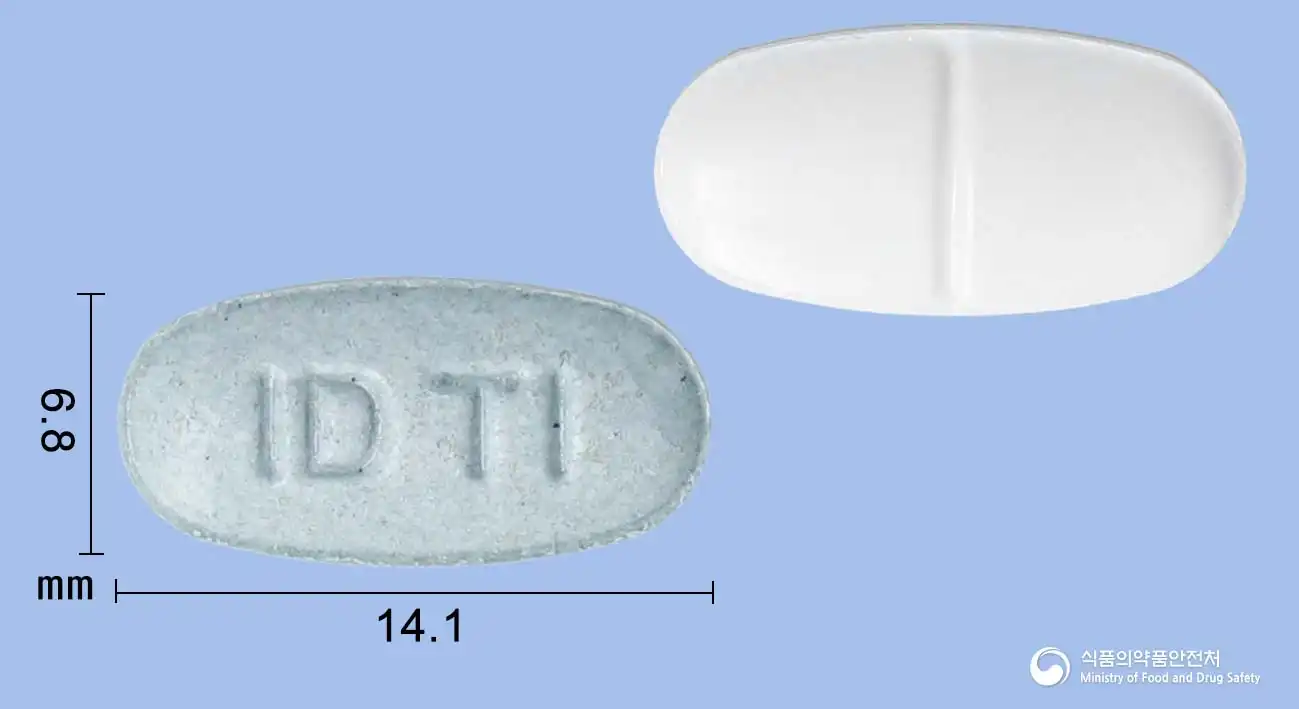 Combination
Telmisartan 40mg · Amlodipine Besylate 6.935mg
Prescription medication · Combination
Ildong Pharmaceutical Co., Ltd.
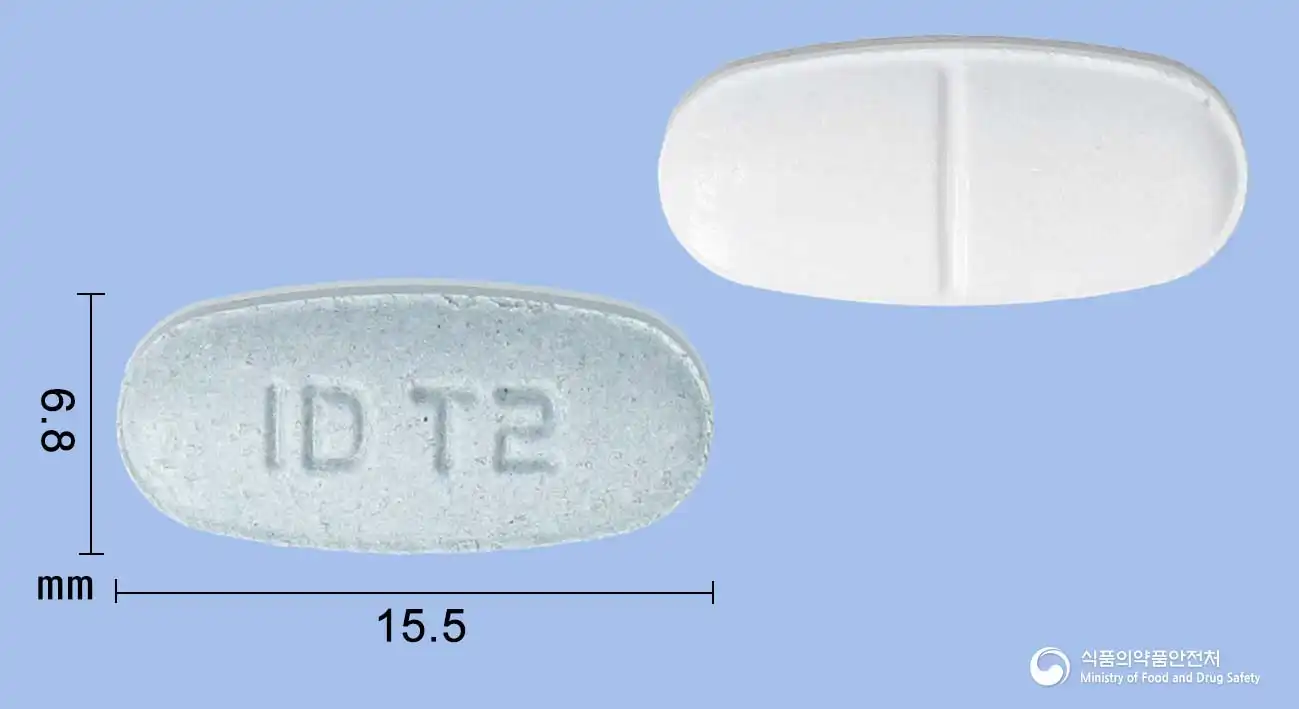 Combination
Telmisartan 40mg · Amlodipine Besylate 13.87mg
Prescription medication · Combination
ILDONG Pharmaceutical Co., Ltd.
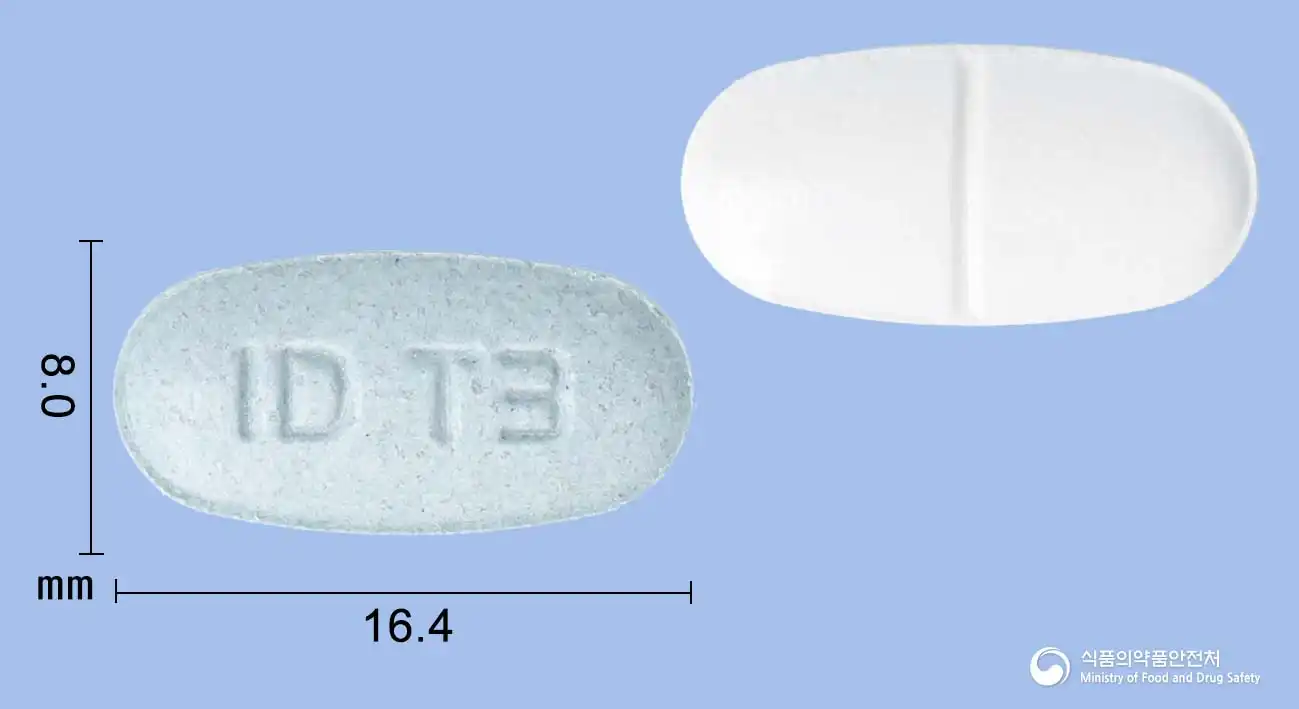 Combination
Telmisartan 80mg · Amlodipine Besylate 6.935mg
Prescription medication · Combination
Ildong Pharmaceutical Co., Ltd.
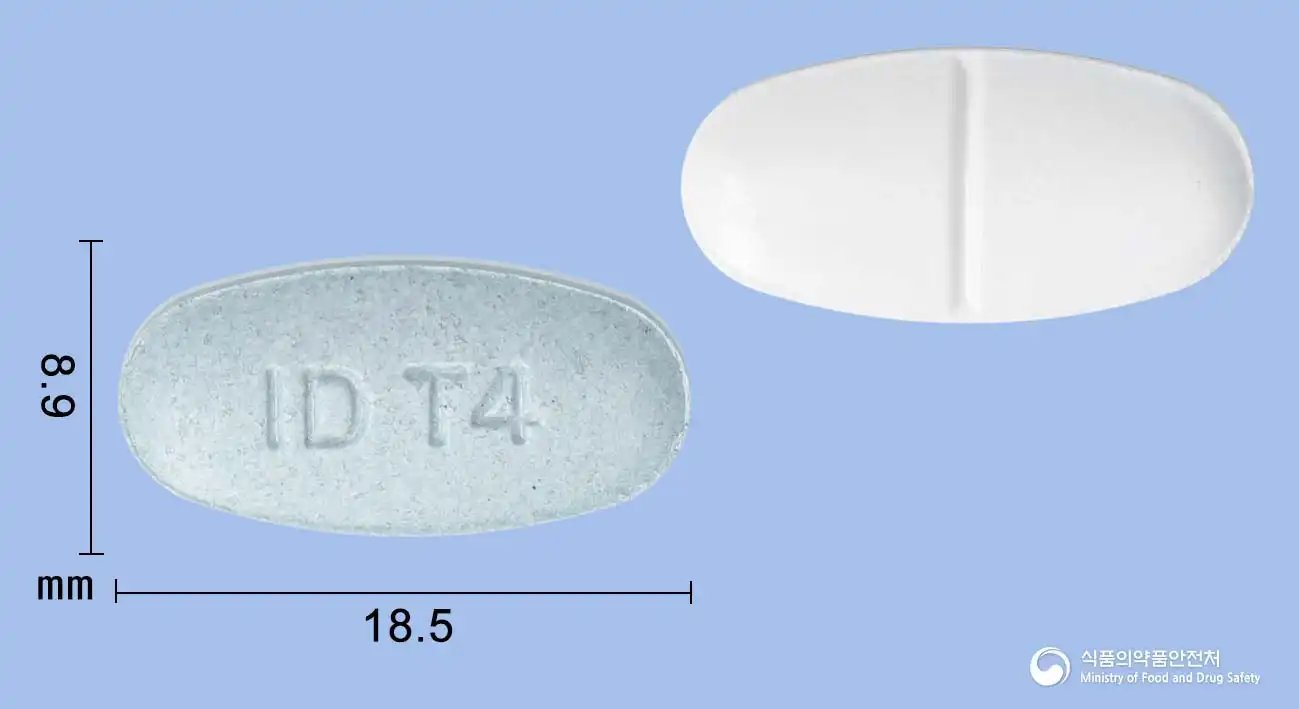 Combination
Telmisartan 80mg · Amlodipine Besylate 13.87mg
Prescription medication · Combination
Ildong Pharmaceutical Co., Ltd.
Even with the same ingredient, the dose and directions can differ by strength and dosage form. Talk to a doctor or pharmacist before switching from a medication you are already taking.
No questions yet.
For anything that needs medical judgment, consult a doctor or pharmacist.
This drug information is based on data provided by the Korea Ministry of Food and Drug Safety.
Consult a doctor or pharmacist for accurate dosage, administration, and usage instructions.