
 한국어
한국어 English
 日本語
日本語 中文(简体)
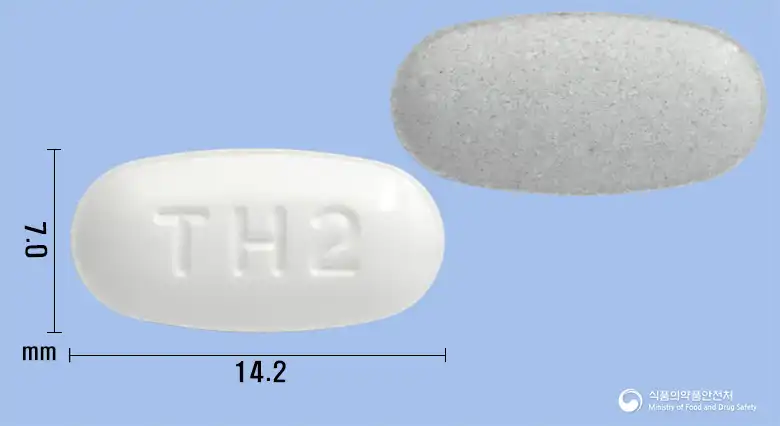 Viewing nowCombination
Telmisartan and Amlodipine Tablets 40/10 mg
Telmisartan Powder 23.9% 167.36mg · Amlodipine Besylate 13.87mg
Prescription medication · Combination
Handok Co., Ltd.
MFDS item code 201605771 · Approved 2016.09.30 · Insurance code 652105630
Improvement in blood pressure control for essential hypertension with the combination of Amlodipine or Telmisartan
This medication is used to effectively lower and control blood pressure in patients with essential hypertension who have not achieved adequate blood pressure control with monotherapy of Amlodipine or Telmisartan.
The recommended dose of this drug is one tablet once a day, to be taken with water, regardless of meals. It is recommended to take it at the same time each day (e.g., in the morning). Patients with renal impairment: For mild to moderate renal impairment, dose adjustment is not necessary; however, for severe renal impairment, treatment should be started at a lower dose and gradually increased. Patients with liver impairment: The daily dose of Telmisartan in patients with mild or moderate liver impairment should not exceed 40 mg.
Safety and efficacy for pediatric patients under 18 years have not been established, and therefore administration of this drug is not recommended.
This drug can cause serious harm to the fetus during pregnancy, especially in the second and third trimesters, therefore it should not be taken by women who are pregnant or may become pregnant. Patients with allergies to any components of this drug, liver impairment, severe hypotension, or heart-related diseases should avoid its use. Patients with poor liver function or specific heart valve diseases should exercise special caution when using this drug. Patients with gastrointestinal diseases or kidney function issues should also be cautious when taking this drug and should regularly monitor blood pressure and kidney function. This drug has a blood pressure-lowering effect, which may lead to symptoms of hypotension, therefore patients at risk for hypotension should consult with a healthcare professional before use. Patients may experience symptoms such as dizziness or drowsiness while taking this medication, hence caution is needed when driving or operating hazardous machinery. This drug may interact with other blood pressure medications or lithium, digoxin, etc., so if you are taking other medications, be sure to inform your doctor or pharmacist. It is advisable for breastfeeding women to avoid taking this medication, and pregnant women should discontinue as soon as possible. Safety and efficacy have not been sufficiently established for children or adolescents under 18 years of age, thus it is not recommended for this group. Overdose can lead to severe hypotension or heart problems, so it is important to adhere strictly to the prescribed dosage and seek immediate medical attention if unusual symptoms occur. This drug should be stored out of reach of children and kept away from moisture.
Urticaria, severe swelling (angioedema), chest tightness, difficulty breathing, cold sweat, pallor, severe rash with high fever, blisters, peeling skin, pain in mucous membranes of mouth/eyes, shortness of breath or difficulty breathing, asthma attacks, cough with fever and respiratory abnormalities, jaundice (yellowing of skin or eyes), extreme malaise, sudden and severe headache, lightning headache, seizures, confusion, visual disturbances, paralysis
Not everyone experiences these, and they can vary from person to person.
This medication is sensitive to light, so it should be stored in a tightly sealed container that blocks light. Furthermore, to maintain the drug's efficacy, it is important to store it at room temperature, between 1 degree and 30 degrees Celsius.
Biconvex oval double coated tablet, white and light gray in color
30 tablets (10 tablets/PTPX3)
Even with the same ingredient, strength, dosage form and how it is taken can differ.
Viewing nowCombinationTelmisartan Powder 23.9% 167.36mg · Amlodipine Besylate 13.87mg
Prescription medication · Combination
Handok Co., Ltd.
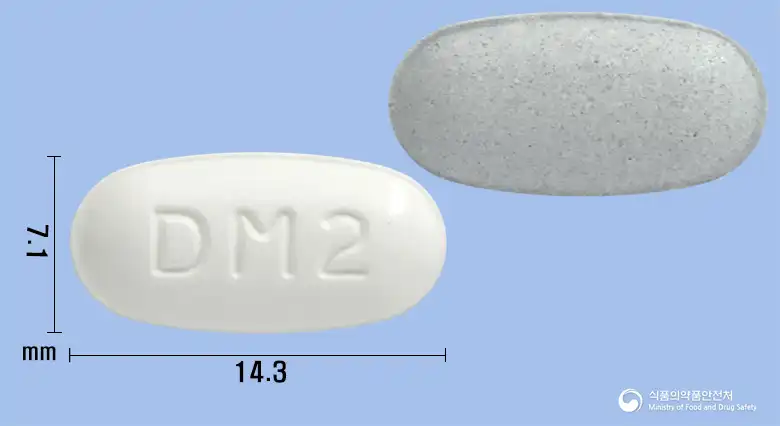 Combination
Telmisartan Powder 23.9% 167.36mg · Amlodipine Besylate 13.87mg
Prescription medication · Combination
Dasan Pharmaceutical Co., Ltd.
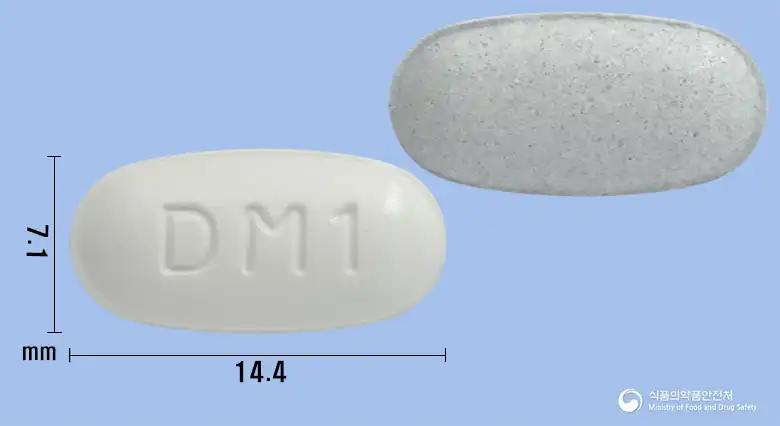 Combination
Telmisartan Powder 23.9% 167.36mg · Amlodipine Besylate 6.935mg
Prescription medication · Combination
Dasan Pharmaceutical Co., Ltd.
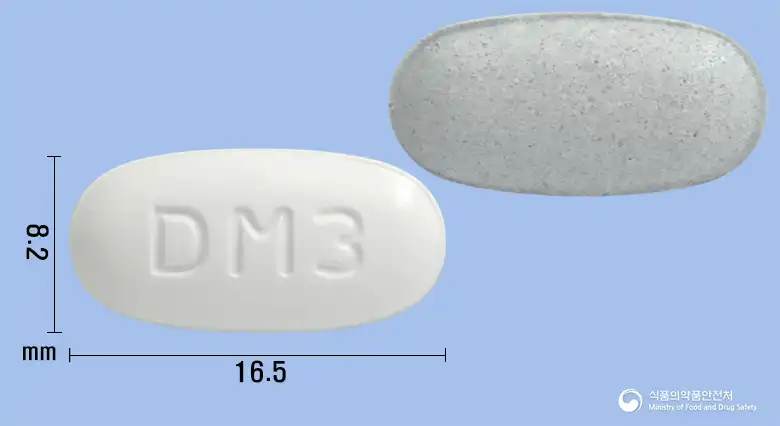 Combination
Telmisartan Powder 23.9% 334.72mg · Amlodipine Besylate 6.935mg
Prescription medication · Combination
Dasan Pharmaceutical Co., Ltd.
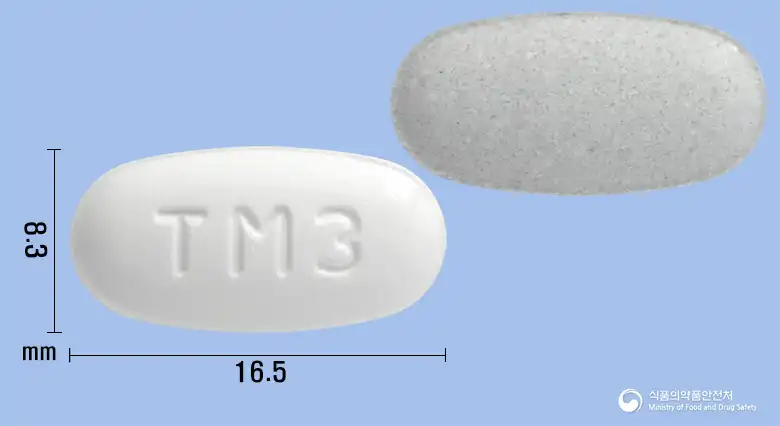 Combination
Telmisartan Powder 23.9% 334.72mg · Amlodipine Besylate 6.935mg
Prescription medication · Combination
Bivozon Pharmaceutical Co., Ltd.
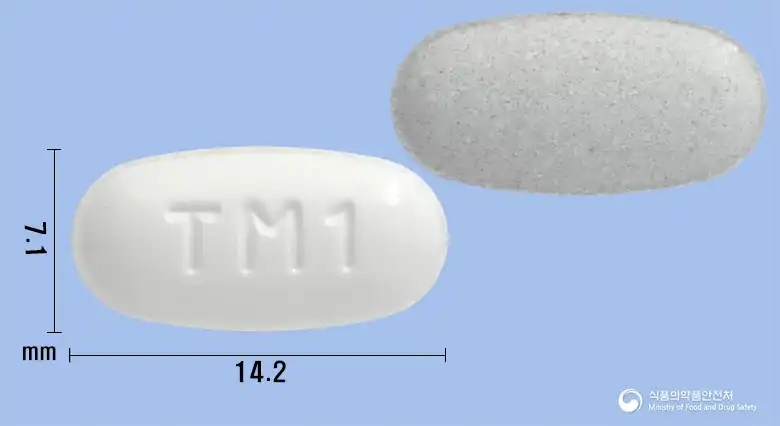 Combination
Telmisartan Powder 23.9% 167.36mg · Amlodipine Besylate 6.935mg
Prescription medication · Combination
Vivozon Pharmaceutical Co., Ltd.
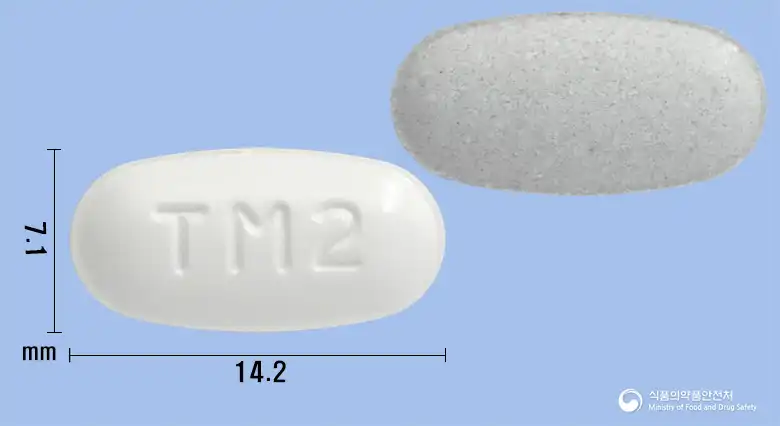 Combination
Telmisartan Powder 23.9% 167.36mg · Amlodipine Besylate 13.87mg
Prescription medication · Combination
Bivozon Pharmaceutical Co., Ltd.
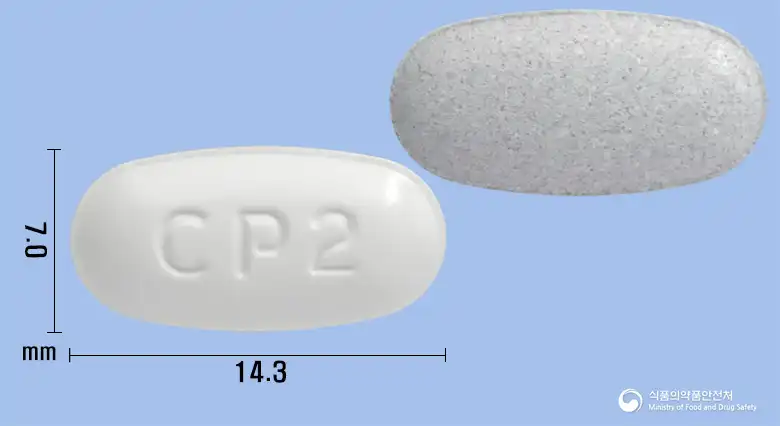 Combination
Telmisartan Powder 23.9% 167.36mg · Amlodipine Besylate 13.87mg
Prescription medication · Combination
CMG Pharmaceutical Co., Ltd.
Even with the same ingredient, the dose and directions can differ by strength and dosage form. Talk to a doctor or pharmacist before switching from a medication you are already taking.
No questions yet.
For anything that needs medical judgment, consult a doctor or pharmacist.
This drug information is based on data provided by the Korea Ministry of Food and Drug Safety.
Consult a doctor or pharmacist for accurate dosage, administration, and usage instructions.