
 한국어
 English
 日本語
 中文(简体)
 Viewing nowCombination
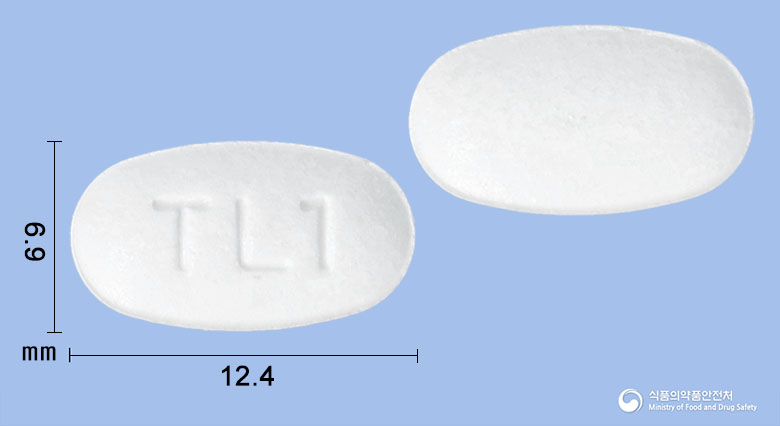
Telodipine Tablet 40/5 mg
Amlodipine Besylate 6.935mg · Telmisartan 40mg
Tablet · Prescription medication · Combination
Palm Gen Science Co., Ltd.
MFDS item code 201605750 · Approved 2016.09.30 · Insurance code 670104060
Treatment of essential hypertension not controlled with monotherapy
Used for patients with essential hypertension whose blood pressure is not adequately controlled with monotherapy with telmisartan or amlodipine.
The recommended dose of this medicine is 1 tablet once daily, taken with water, with or without food. If possible, it is recommended to take it at the same time each day (e.g., in the morning). Before starting this medicine, it is recommended that the dose be adjusted using the individual components (amlodipine or telmisartan). However, if blood pressure is not controlled with the individual components as described below, switching directly to this medicine may be considered. - 40/5 mg: Administer to patients whose blood pressure is not adequately controlled with amlodipine 5 mg or telmisartan 40 mg. - 80/5 mg: Administer to patients whose blood pressure is not adequately controlled with amlodipine 5 mg or this medicine 40/5 mg. - 40/10 mg: Administer to patients whose blood pressure is not adequately controlled with amlodipine 10 mg. Patients taking telmisartan and amlodipine concomitantly may switch to this medicine (a combination product containing the same amounts of each active ingredient) for convenience (limited to this medicine 40/5 mg). ○ Patients with renal impairment: No dose adjustment is necessary in patients with mild or moderate renal impairment. For patients with severe renal impairment, however, it is recommended to start treatment at a lower dose and increase the dose gradually. Periodic monitoring of serum potassium and creatinine levels is also recommended. Telmisartan is not removed by hemodialysis. ○ Patients with hepatic impairment: The daily dose of telmisartan should not exceed 40 mg in patients with mild or moderate hepatic impairment. ◦ Older adults: The usual amlodipine regimen is recommended for older adults, but caution should be exercised when increasing the dose (see section ‘3. Patients requiring careful administration’). In older adults aged 75 years or above, amlodipine clearance is reduced; therefore, treatment should be started at a lower dose and the dose increased gradually.
The safety and efficacy of this medicine have not been established in pediatric patients 18 years of age or younger; therefore, its use is not recommended.
This medication can cause severe harm to the fetus, especially during the second and third trimesters of pregnancy, so it should not be used by women who are pregnant or may become pregnant. This medication should not be administered to patients with certain conditions. For example, patients with hypersensitivity to this medication, liver impairment, severe hypotension, heart failure, etc., may be at risk by taking this medication. Patients with primary aldosteronism, certain cardiac valve diseases, liver impairment, gastrointestinal diseases, reduced kidney function, elderly patients, etc., require special caution when using this medication. Side effects such as dizziness or peripheral edema may commonly occur while taking this medication, and rarely serious side effects may occur, so any abnormal symptoms should be immediately reported to the healthcare provider. Avoid using this medication during pregnancy, and if pregnancy is confirmed, discontinue use as soon as possible and switch to another safe treatment method. Caution is especially necessary for patients with fluid or salt deficiencies as hypotension may occur; appropriate measures should be taken if symptoms of hypotension arise. Patients at risk for hyperkalemia should be regularly monitored through blood tests due to the risk of elevated potassium levels. Patients with decreased kidney function should also have changes in kidney function periodically checked while taking this medication. Dizziness or drowsiness may occur during driving or operating dangerous machinery while taking this medication, so caution is required. This medication can interact with several other drugs, so inform your healthcare provider of any other medications being taken. It is recommended that breastfeeding women do not take this medication. In case of overdose, symptoms such as hypotension, dizziness, and heart-related abnormalities may occur, and immediate medical attention should be sought. This medication is not recommended for children as its safety and efficacy have not been sufficiently established in pediatric patients.
Not everyone experiences these, and they can vary from person to person.
This medication should be stored in a container that protects it from light. It is also advisable to store it at room temperature between 1°C and 30°C. This helps maintain the medication's effectiveness safely.
White or off-white oblong tablet
30 tablets (10 tablets/blister × 3), 30 tablets/bottle
Even with the same ingredient, strength, dosage form and how it is taken can differ.
Viewing nowCombinationAmlodipine Besylate 6.935mg · Telmisartan 40mg
Tablet · Prescription medication · Combination
Palm Gen Science Co., Ltd.
 Combination
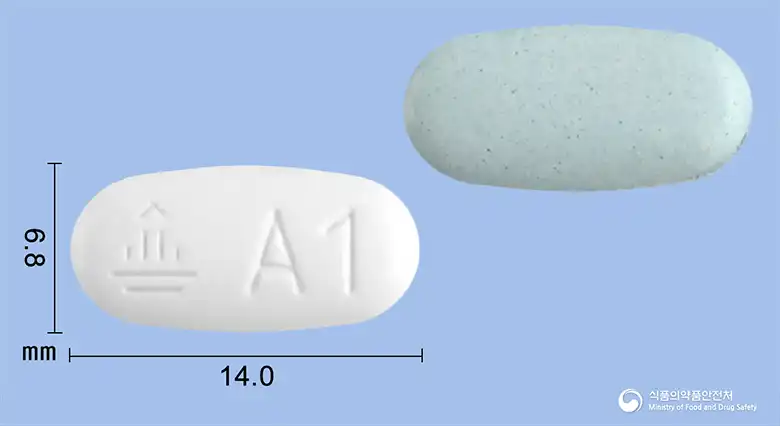
Telmisartan 40mg · Amlodipine Besylate 6.935mg
Prescription medication · Combination
Boehringer Ingelheim Korea Co., Ltd.
 Combination
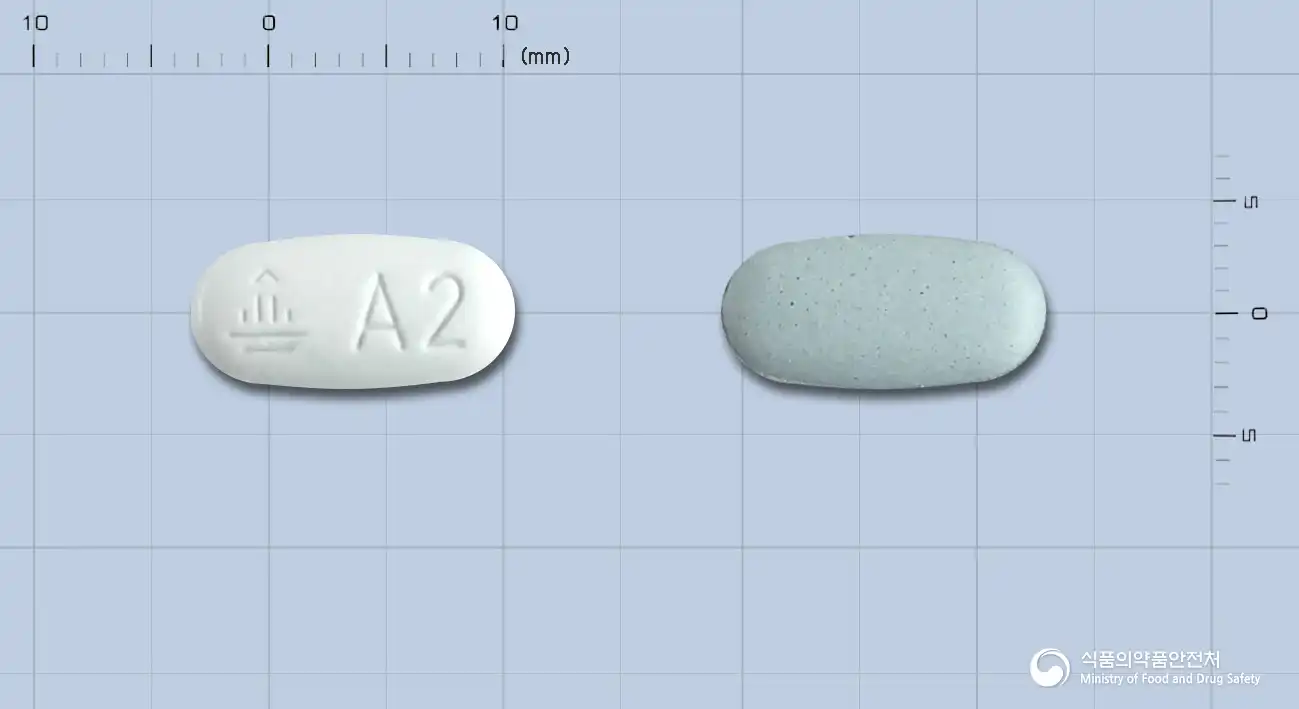
Telmisartan 40mg · Amlodipine Besylate 13.87mg
Prescription medication · Combination
Boehringer Ingelheim Korea Co., Ltd.
 Combination
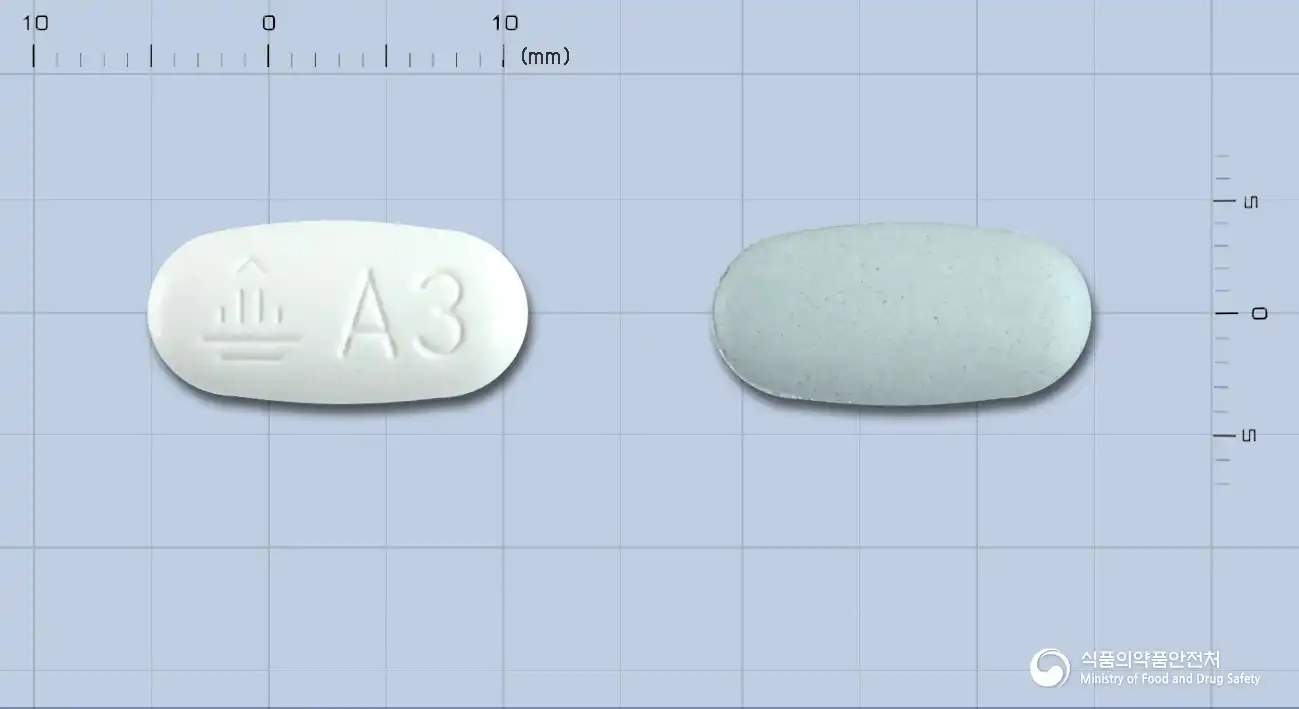
Telmisartan 80mg · Amlodipine Besylate 6.935mg
Prescription medication · Combination
Boehringer Ingelheim Korea Co., Ltd.
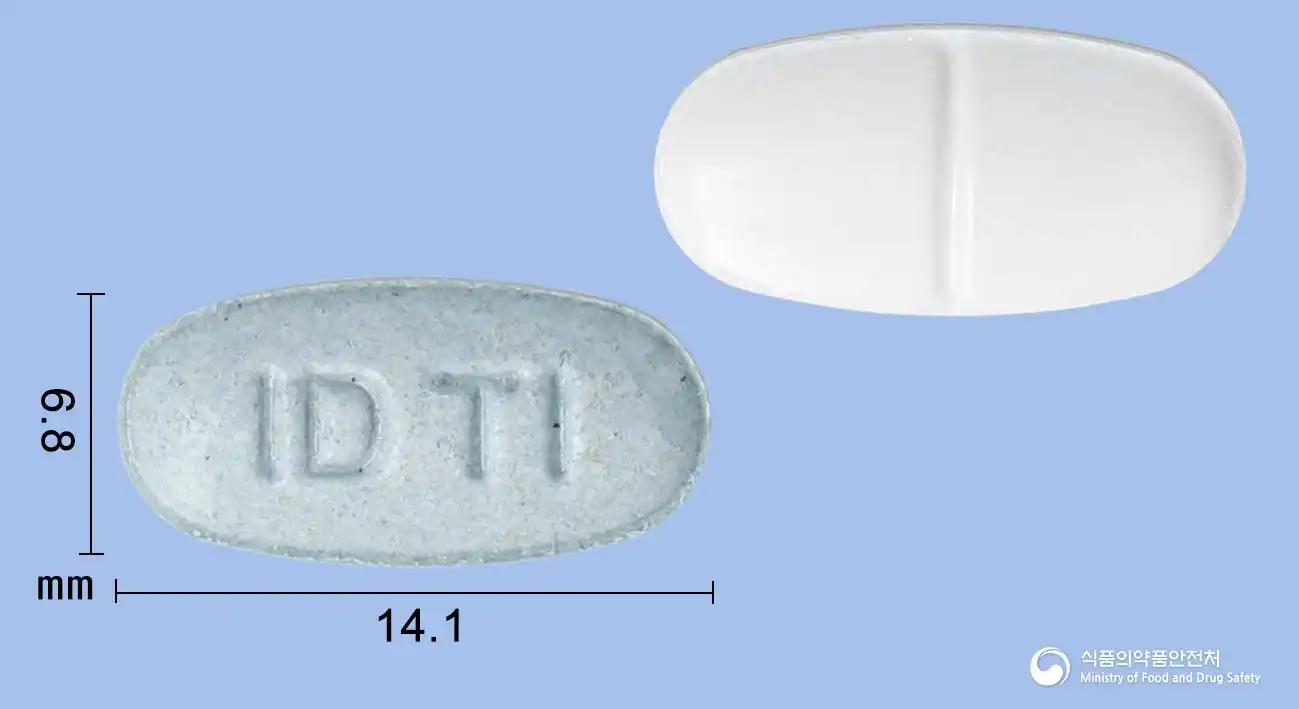 Combination
Telmisartan 40mg · Amlodipine Besylate 6.935mg
Prescription medication · Combination
Ildong Pharmaceutical Co., Ltd.
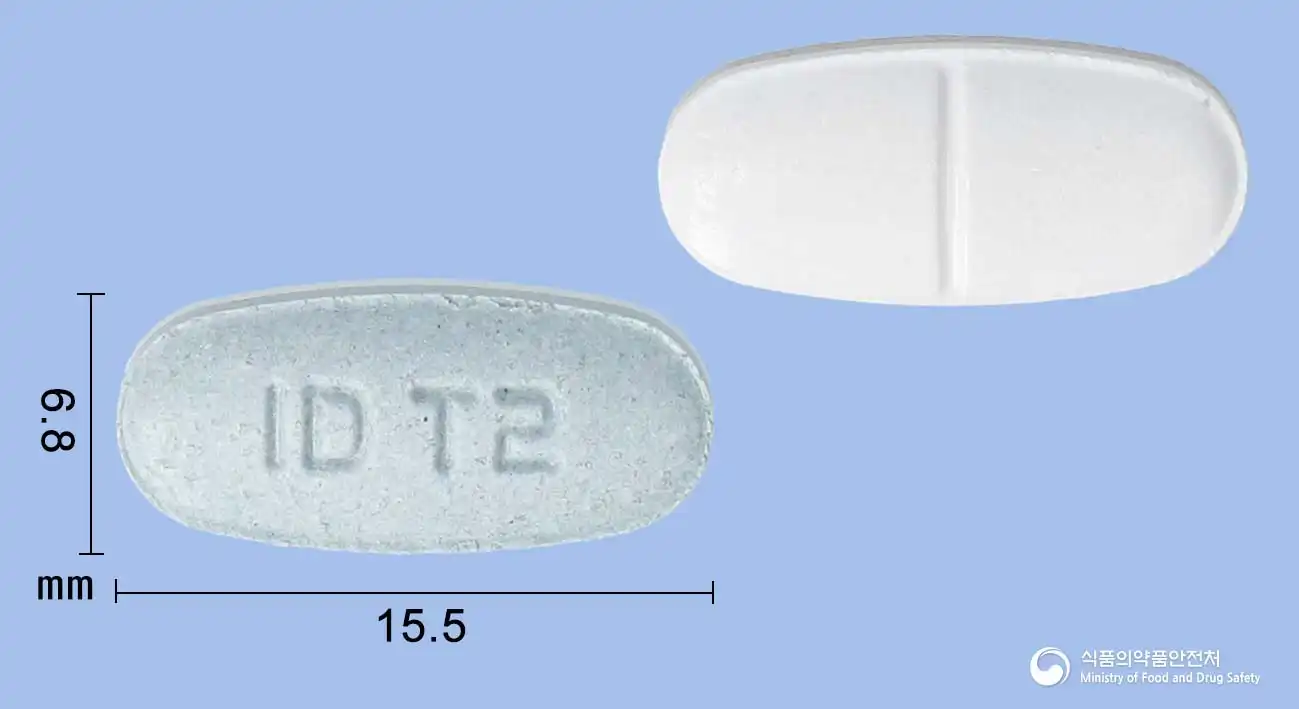 Combination
Telmisartan 40mg · Amlodipine Besylate 13.87mg
Prescription medication · Combination
ILDONG Pharmaceutical Co., Ltd.
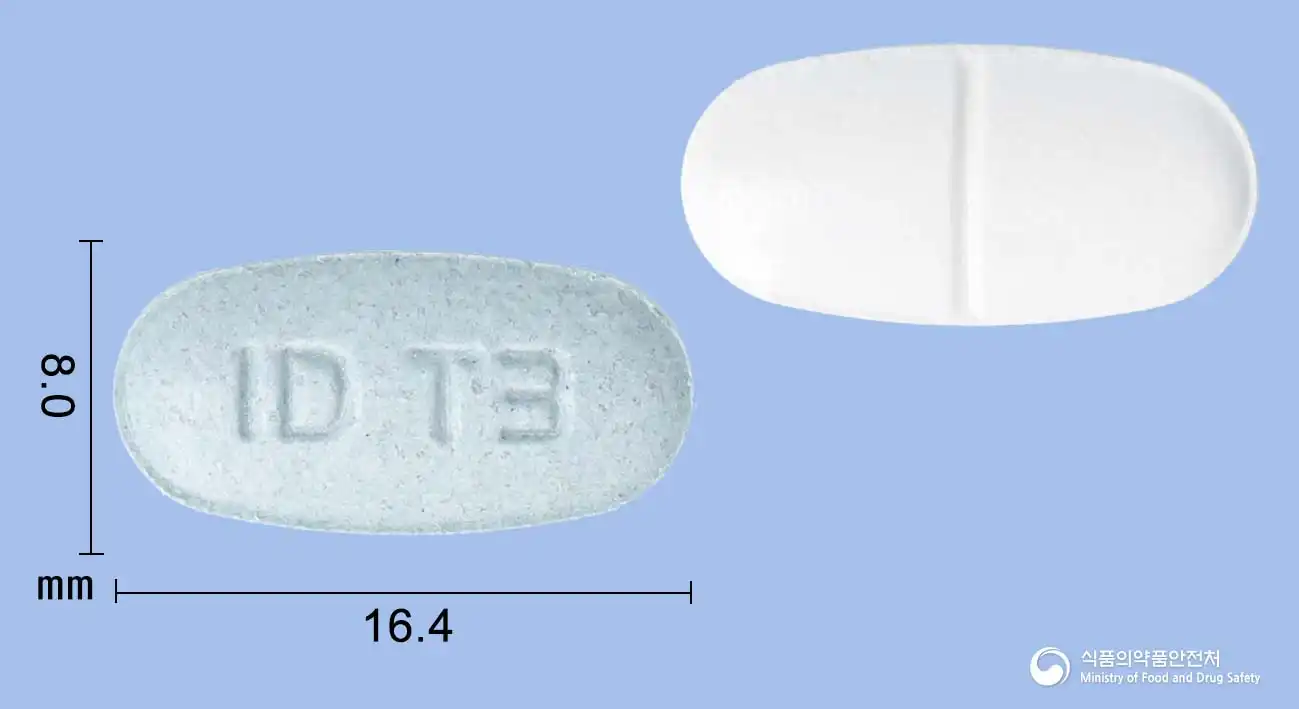 Combination
Telmisartan 80mg · Amlodipine Besylate 6.935mg
Prescription medication · Combination
Ildong Pharmaceutical Co., Ltd.
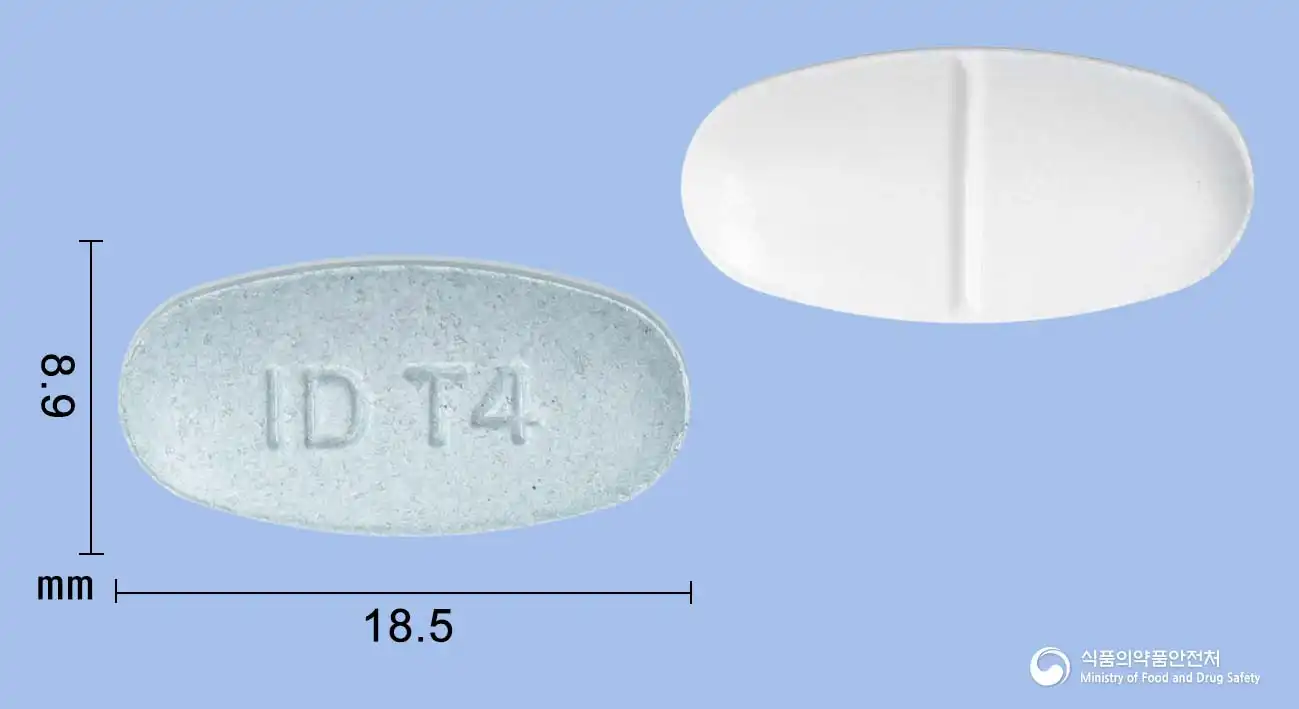 Combination
Telmisartan 80mg · Amlodipine Besylate 13.87mg
Prescription medication · Combination
Ildong Pharmaceutical Co., Ltd.
Even with the same ingredient, the dose and directions can differ by strength and dosage form. Talk to a doctor or pharmacist before switching from a medication you are already taking.
No questions yet.
For anything that needs medical judgment, consult a doctor or pharmacist.
This drug information is based on data provided by the Korea Ministry of Food and Drug Safety.
Consult a doctor or pharmacist for accurate dosage, administration, and usage instructions.