
 한국어
한국어 English
 日本語
日本語 中文(简体)
 Viewing now
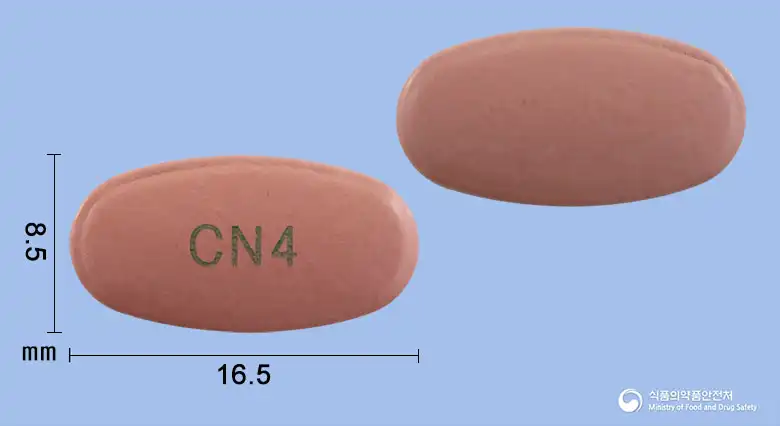
Nexium Mups 40 mg (Esomeprazole Magnesium Trihydrate)
Esomeprazole Magnesium Trihydrate 44.5mg
Tablet · Prescription medication
HLB Pharma Co., Ltd.
MFDS item code 201605617 · Approved 2016.09.22 · Insurance code 647303190
Treatment of gastroesophageal reflux disease (including erosive esophagitis), treatment and prevention of recurrence of Helicobacter pylori associated peptic ulcers, relief of gastrointestinal symptoms related to non-steroidal anti-inflammatory drugs, treatment and prevention of gastric and duodenal ulcers, treatment of Zollinger-Ellison syndrome, maintaining effect for preventing rebleeding from gastric ulcers.
This medication is used in the treatment of gastroesophageal reflux disease and erosive esophagitis, and it is also effective in long-term maintenance therapy to prevent recurrence in patients with esophagitis. In addition, it helps alleviate symptoms of gastroesophageal reflux disease without esophagitis. It is administered in combination with antibiotics for the treatment and prevention of recurrence of duodenal ulcers and peptic ulcers caused by Helicobacter pylori infection. It is also used to treat upper gastrointestinal symptoms caused by NSAID use, and for the prevention of gastric ulcers and duodenal ulcers. This medication assists in the treatment of Zollinger-Ellison syndrome and prevention of rebleeding from gastric or duodenal ulcers during maintenance therapy. It is broadly used in the treatment and prevention of various gastrointestinal conditions.
This medication should be swallowed with liquids such as water and should not be chewed or crushed. Patients who have difficulty swallowing the tablets can dissolve it in half a cup of non-carbonated water. Other beverages should not be used as they may dissolve the enteric coating. Once dissolved, it should be consumed immediately or within 30 minutes without chewing, and the cup used for the medication should be rinsed with half a cup of non-carbonated water and drunk again. Floating medication particles should not be chewed or crushed during consumption.
Adolescents 12 years and older follow the same dosage as adults. No experience has been reported for children under 12 years.
This medication should not be administered to patients with specific allergic reactions or a history of allergy to this medication or similar ingredients. Additionally, patients undergoing treatment with certain antibiotics or antivirals, as well as nursing women, should not use this medication. Patients with heart issues or those who have previously had a myocardial infarction should use this medication with caution. While taking this medication, rare but serious blood abnormalities, allergic reactions, neurological issues, gastrointestinal problems, and liver function abnormalities can occur, so symptoms should be closely monitored. Prolonged use of this medication may lead to electrolyte imbalances such as magnesium, calcium, or potassium deficiencies, necessitating regular testing. Due to its acid-reducing effects, this medication may slightly increase the risk of gastrointestinal bacterial infections; therefore, if gastrointestinal symptoms like diarrhea persist, consulting a physician is necessary. Long-term use may increase the risk of fractures, so patients at risk of osteoporosis are recommended to undergo periodic bone density tests. This medication can interact with other drugs; therefore, patients taking certain antibiotics, antivirals, anticoagulants, or anticonvulsants should inform their doctor or pharmacist. There is limited data on the safety of this medication during pregnancy, so caution is advised, and it is best not to take it while breastfeeding. In case of overdose, no specific antidote exists, so treatment should focus on symptom relief and general management. Finally, this medication should be kept out of the reach of children, and it is safer not to transfer it to other containers.
Urticaria, angioedema, anaphylaxis, shock, hypomagnesemia, severe edema, hepatitis, jaundice, liver failure, encephalopathy, skin and mucous membrane syndrome (Stevens-Johnson syndrome), toxic epidermal necrolysis (Lyell's syndrome), acute generalized exanthematous pustulosis, eosinophilia and systemic symptoms with drug reaction (DRESS syndrome), interstitial nephritis, severe allergic reactions, severe skin adverse reactions, respiratory issues, liver abnormalities (jaundice),
Not everyone experiences these, and they can vary from person to person.
This medication should be stored in a tightly sealed container to prevent exposure to air or moisture. It is important to maintain a storage temperature between 1 degrees and 30 degrees Celsius.
Pink rectangular film-coated tablets
28 tablets/box [7 tablets/Alu-Alu x 4]
Even with the same ingredient, strength, dosage form and how it is taken can differ.
Viewing nowEsomeprazole Magnesium Trihydrate 44.5mg
Tablet · Prescription medication
HLB Pharma Co., Ltd.
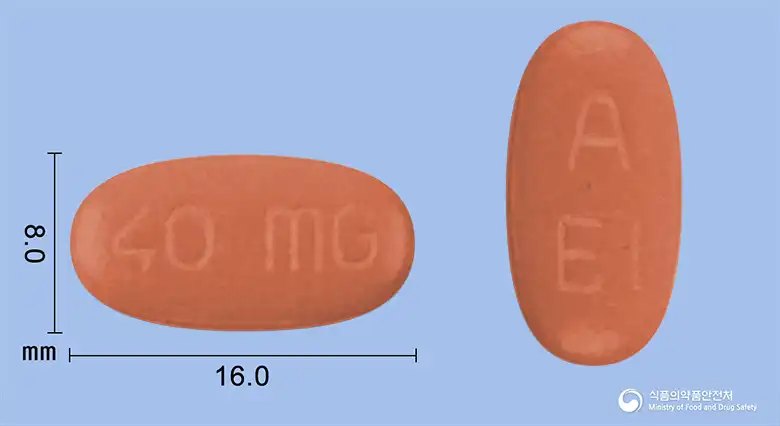
Esomeprazole Magnesium Trihydrate 44.5mg
Tablet · Prescription medication
AstraZeneca Korea Co., Ltd.
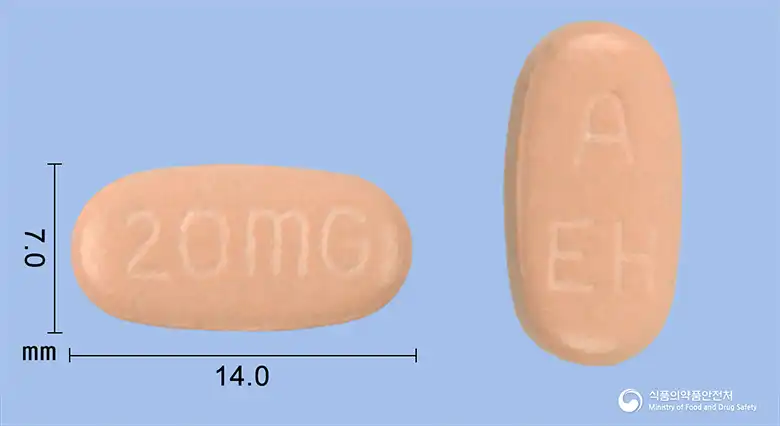
Esomeprazole Magnesium Trihydrate 22.3mg
Tablet · Prescription medication
AstraZeneca Korea Co., Ltd.

Esomeprazole Magnesium Trihydrate 22.3mg
Tablet · Prescription medication
Daewon Pharmaceutical Co., Ltd.
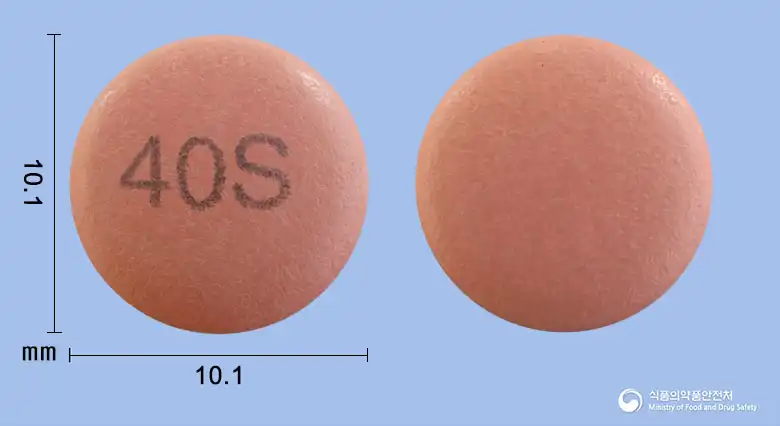
Esomeprazole Magnesium Trihydrate 44.5mg
Tablet · Prescription medication
Daewon Pharmaceutical Co., Ltd.
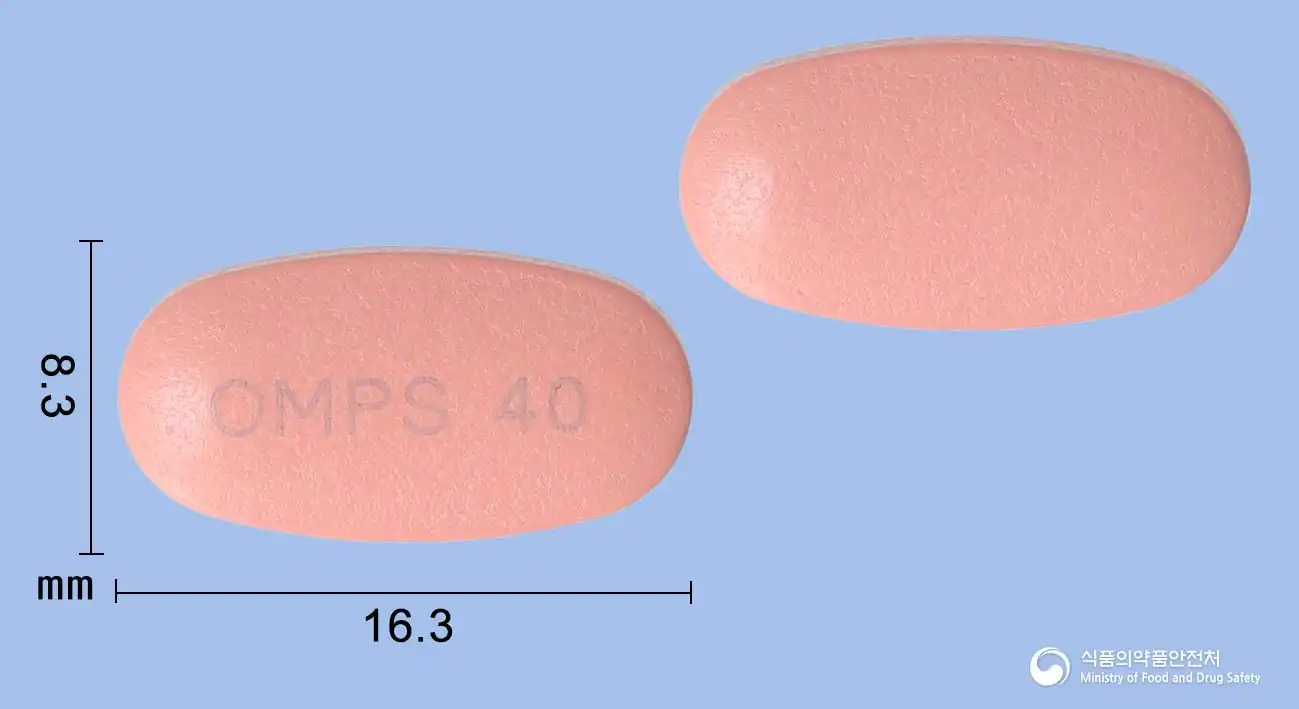
Esomeprazole Magnesium Dihydrate 43.38mg
Tablet · Prescription medication
Jongkundang Co., Ltd.
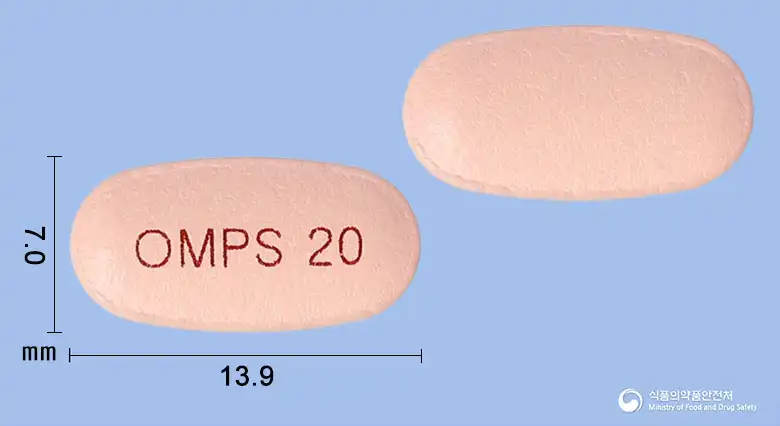
Esomeprazole Magnesium Dihydrate 21.69mg
Tablet · Prescription medication
Chong Kun Dang Pharmaceutical Corp.

Esomeprazole Magnesium Trihydrate 22.3mg
Tablet · Prescription medication
Samjin Pharmaceutical Co., Ltd.
Even with the same ingredient, the dose and directions can differ by strength and dosage form. Talk to a doctor or pharmacist before switching from a medication you are already taking.
No questions yet.
For anything that needs medical judgment, consult a doctor or pharmacist.
This drug information is based on data provided by the Korea Ministry of Food and Drug Safety.
Consult a doctor or pharmacist for accurate dosage, administration, and usage instructions.