Treatment and prevention of osteoporosis in postmenopausal women and men
Who takes it
Adults
Adult dose
Take 1 tablet of this medication orally once a week.
Since food can interfere with the absorption of this medication, it should be taken at least 30 minutes before breakfast or at least 2 hours before or after ingesting food and beverages throughout the day.
When taking, it should be swallowed with a sufficient amount of pure water (170–230 mL) in an upright position and not chewed or sucked.
Do not lie down for at least 30 minutes after taking the medication.
Treatment and prevention of osteoporosis in postmenopausal women and men
Osteoporosis
View approved original textHide original text
This medication is used for the treatment and prevention of osteoporosis that can occur in both postmenopausal women and men. Osteoporosis is a condition where the strength of bones weakens, increasing the risk of fractures, and this drug helps strengthen bones and reduce the risk of fractures. Therefore, it is an essential medication to maintain healthy bones and prevent problems related to osteoporosis.
How to take
Adult dose
Take 1 tablet of this medication orally once a week.
Since food can interfere with the absorption of this medication, it should be taken at least 30 minutes before breakfast or at least 2 hours before or after ingesting food and beverages throughout the day.
When taking, it should be swallowed with a sufficient amount of pure water (170–230 mL) in an upright position and not chewed or sucked.
Do not lie down for at least 30 minutes after taking the medication.
Precautions
This medication can irritate the gastrointestinal mucosa, which may cause symptoms such as esophagitis, esophageal ulcers, and esophageal erosion. If you experience symptoms such as difficulty swallowing, pain while swallowing, pain behind the breastbone, or heartburn during treatment, stop taking the medication immediately and consult a doctor.
When taking this medication, it is important to take it with a sufficient amount of water (170–230 mL) and to remain upright for at least 30 minutes after taking it. It is crucial to take it at least 30 minutes before or after meals with an interval.
Patients with esophageal dysmotility, severe kidney impairment, hypocalcemia, or lactose intolerance should not take this medication.
The effectiveness of this drug may be reduced if taken with other medications that interfere with the absorption of calcium and vitamin D, so sufficient time intervals should be maintained between doses.
Patients undergoing dental surgery or with oral diseases are at risk of jaw necrosis, so they should consult a doctor before dental treatment and pay special attention to oral hygiene.
Use of this medication is not recommended during pregnancy or breastfeeding, and it is necessary to consult a doctor before use.
In case of overdose, symptoms of hypocalcemia may occur, so caution is needed, and patients should inform medical personnel immediately if any abnormal symptoms arise.
The elderly can generally use this medication safely, but it is advisable to consult a doctor if there are any specific health conditions.
During treatment, it is important to consume sufficient calcium and vitamin D along with weight-bearing exercises, and it is advisable to avoid smoking and excessive alcohol consumption.
Side effects and when to seek care immediately
Serious side effects
Hives, severe swelling (edema), chest tightness, difficulty breathing, cold sweat, paleness, fever with severe rash, blisters, skin peeling, pain in oral/eye mucosa, shortness of breath or difficulty breathing, asthma attacks, respiratory abnormalities accompanied by cough+fever, yellowing of the skin or eyes (jaundice), severe fatigue, sudden and severe headaches, lightning headaches, seizures, confusion, visual abnormalities, paralysis, urination
Mild side effects
Back pain
pain
abdominal pain
neck pain
weakness
chest pain
infections
hypertension
cardiovascular diseases
angina
Show 30 moreCollapse
nausea
diarrhea
bloating
gastritis
gastrointestinal disorders
rectal disorders
dental disorders
petechiae
anemia
joint pain
joint disorders
muscle pain
bone pain
bone disorders
leg cramps
bursitis
tendon disorders
depression
dizziness
insomnia
anxiety
neuralgia
vertigo
tension
sensory disturbances
pharyngitis
rhinitis
dyspnea
pneumonia
rashes
Not everyone experiences these, and they can vary from person to person.
Storage
This medication should be stored in a tightly closed container to prevent air and moisture from entering, and it is recommended to store it at room temperature between 1 and 30 degrees Celsius. Storing it this way will help maintain the effectiveness of the medication and ensure safe use.
Appearance and packaging
Appearance
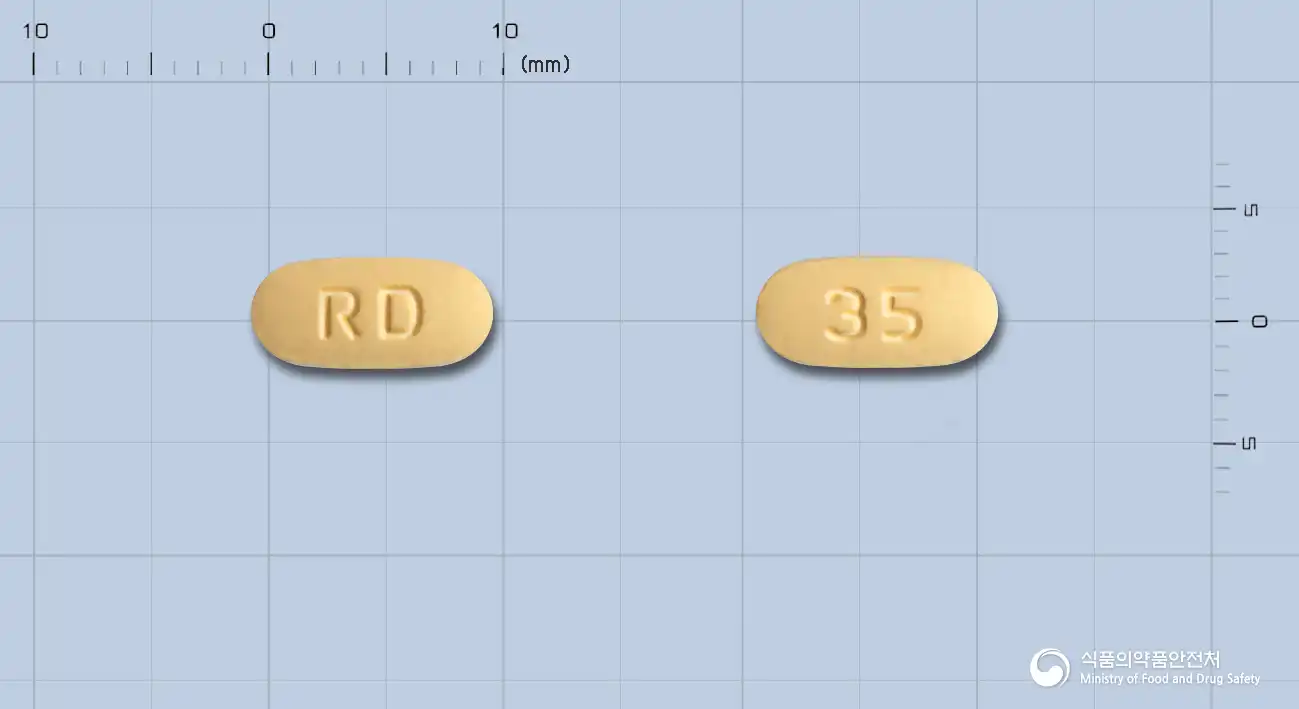
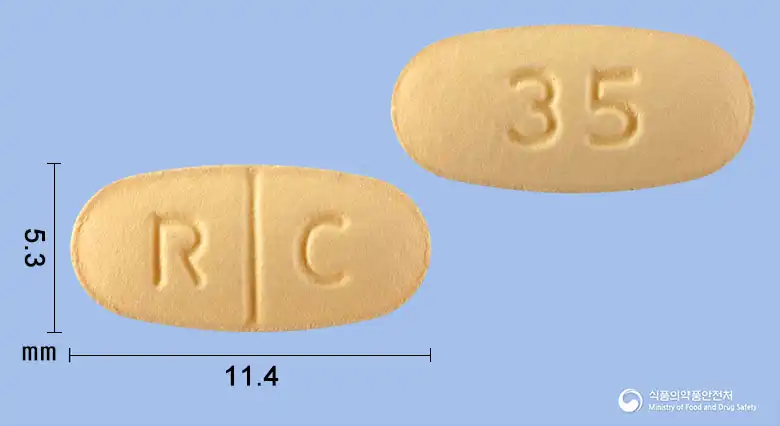
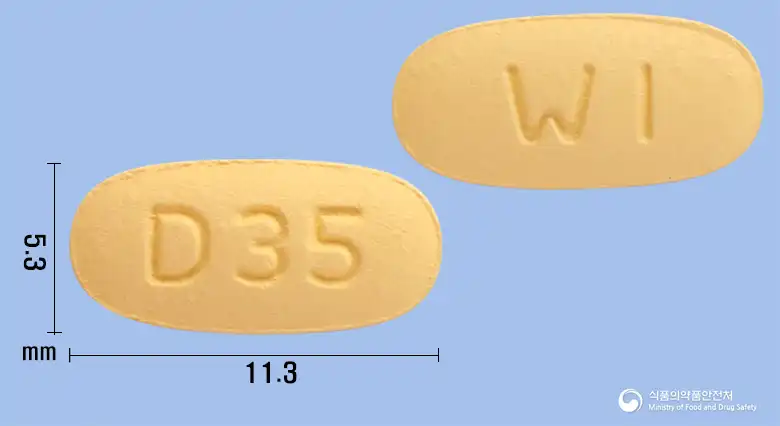
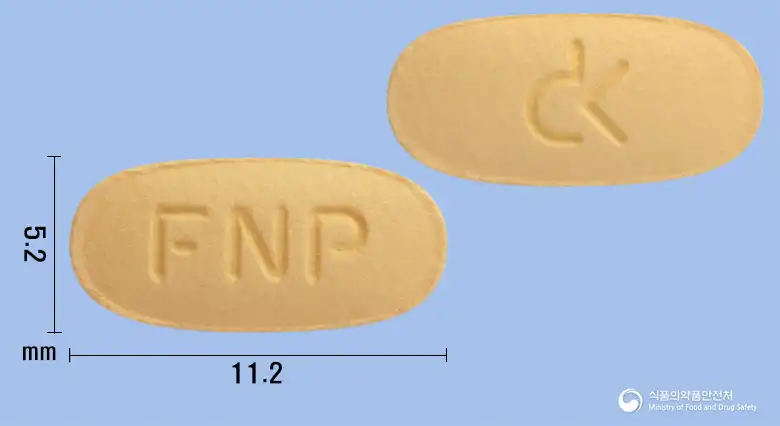
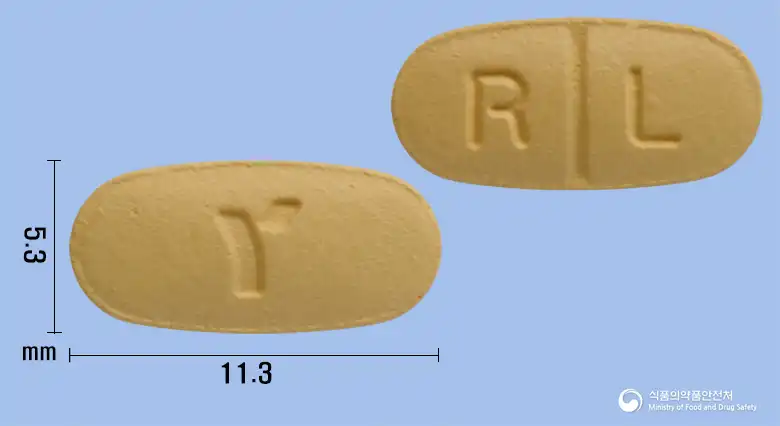
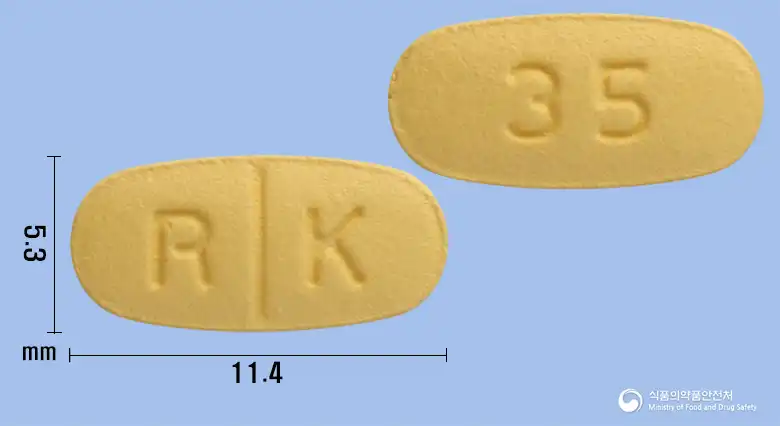
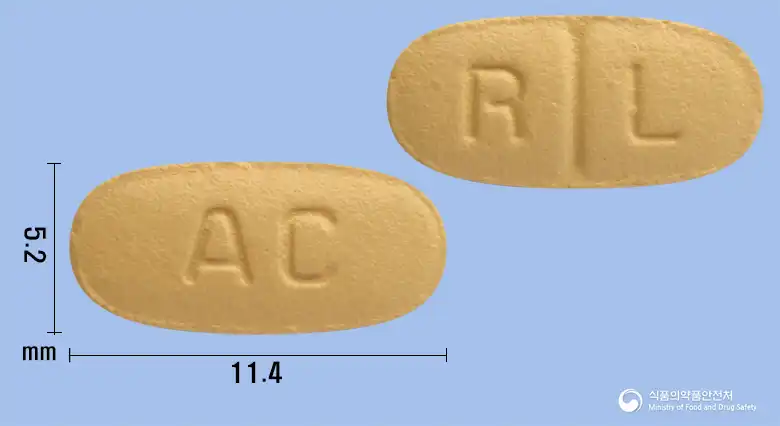
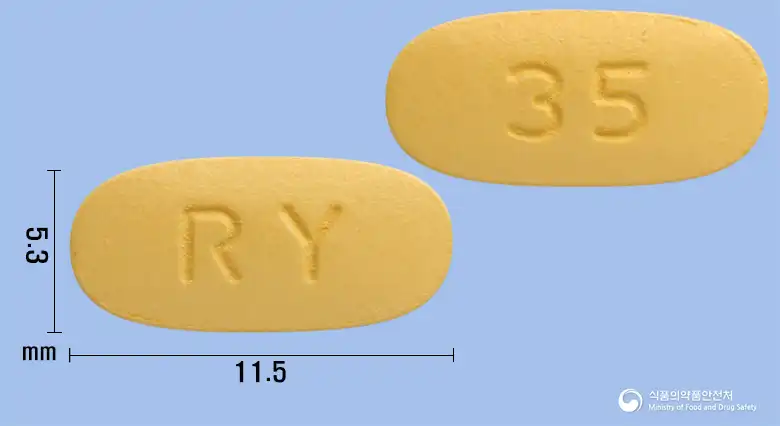
Light orange oval film-coated tablets
Package unit
4 tablets/PTP
Same-ingredient medicines
Even with the same ingredient, strength, dosage form and how it is taken can differ.
Even with the same ingredient, the dose and directions can differ by strength and dosage form. Talk to a doctor or pharmacist before switching from a medication you are already taking.
Questions about this medicine
No questions yet.
For anything that needs medical judgment, consult a doctor or pharmacist.
This drug information is based on data provided by the Korea Ministry of Food and Drug Safety. Consult a doctor or pharmacist for accurate dosage, administration, and usage instructions.

 한국어
한국어 English
 日本語
日本語 中文(简体)
 Viewing nowCombination