
 한국어
한국어 English
 日本語
日本語 中文(简体)
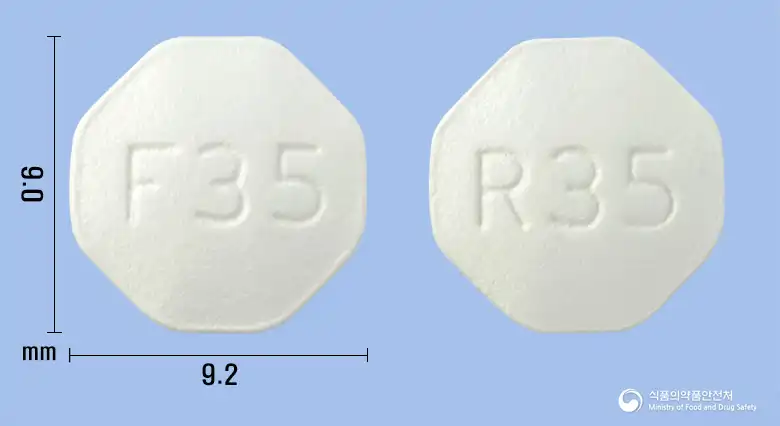 Viewing nowCombination
Tuberotong 30/5 mg (Pimasartan Potassium, Rosuvastatin)
Fimasartan Potassium Trihydrate Granules 75mg · Rosuvastatin Calcium 5.2mg
Tablet · Prescription medication · Combination
Boryung Pharmaceutical Co., Ltd.
MFDS item code 201605337 · Approved 2016.08.31 · Insurance code 641906560
Effectiveness in improvement of hypertension, hypercholesterolemia, and reduction of cardiovascular disease risk
This drug is used for patients who need to take both Pimasartan and Rosuvastatin simultaneously. Pimasartan is mainly used to control blood pressure in patients with essential hypertension. Rosuvastatin helps lower cholesterol levels in patients with hypercholesterolemia who are not controlled by diet and exercise. Additionally, it slows the progression of atherosclerosis and reduces the risk of cardiovascular disease. It particularly reduces the risk of stroke, myocardial infarction, and vascular revascularization in middle-aged individuals with high-sensitive C-reactive protein levels. Therefore, this drug is used for the treatment of patients with both hypertension and hyperlipidemia.
Pimasartan: Administer 30–60 mg once daily regardless of meals, and if blood pressure is not controlled, the dose may be increased to 120 mg once daily. For patients with renal impairment, start at 30 mg once daily in cases of severe impairment and do not exceed 60 mg. For patients with reduced effective blood volume, the initial recommended dose is 30 mg once daily. Rosuvastatin: Start at 5 mg once daily.
This drug can cause serious harm to the fetus and newborn, especially during the second and third trimesters of pregnancy; therefore, it should be discontinued immediately if pregnancy is confirmed. Women who are allergic to any components of this medicine or are pregnant or may become pregnant, as well as breastfeeding women, should not take this medicine. Patients with severe liver dysfunction, severely impaired kidney function, or specific muscle disorders should not take this medicine. Patients with low blood volume or salt depletion, impaired kidney function, or heart disease should be cautious when taking this medicine and should do so under medical supervision. This medicine can cause muscle-related side effects such as muscle pain, myopathy, and rarely rhabdomyolysis; if any abnormal symptoms in the muscles occur, it is essential to notify medical personnel immediately. Regular liver function tests and blood tests must be performed during treatment, and administration should be stopped if there are any abnormal symptoms in the liver or kidneys. As this medicine may interact with other drugs, it is necessary to inform a doctor or pharmacist, especially when taken in conjunction with potassium-sparing diuretics, lithium, non-steroidal anti-inflammatory drugs, certain antibiotics, antifungals, and immunosuppressants. The safety and efficacy of this drug in children and adolescents under 18 have not been established, and the elderly may be more sensitive to this drug, so caution is needed. Dizziness or drowsiness may occur while driving or operating machinery, so caution is advised. This drug should be kept out of reach of children, and it is recommended to avoid transferring it to other containers.
Not everyone experiences these, and they can vary from person to person.
This drug should be stored in a tightly closed container to avoid exposure to air or moisture and should be kept at room temperature between 1 to 30 degrees Celsius. Storing it this way helps maintain the effectiveness of the medicine for a longer period.
White, convex, octagonal film-coated tablets
30 tablets/box [10 tablets/PTP packaging × 3], 100 tablets/box [10 tablets/PTP packaging × 10], 30 tablets/box [10 tablets/Alu-Alu packaging × 3], 100 tablets/box [10 tablets/Alu-Alu packaging × 10]
Even with the same ingredient, strength, dosage form and how it is taken can differ.
Viewing nowCombinationFimasartan Potassium Trihydrate Granules 75mg · Rosuvastatin Calcium 5.2mg
Tablet · Prescription medication · Combination
Boryung Pharmaceutical Co., Ltd.
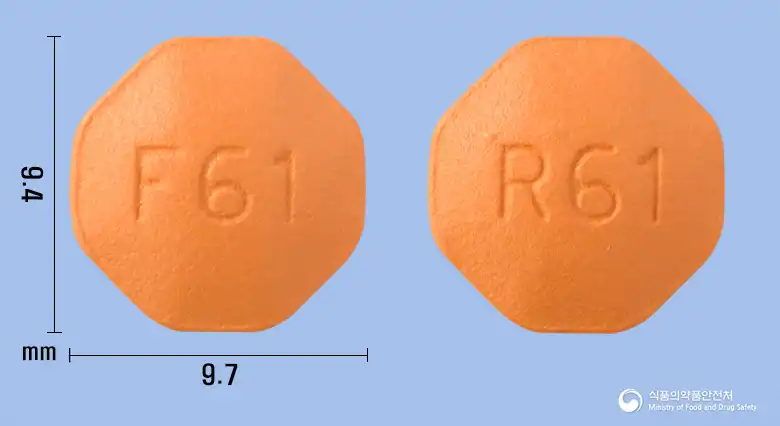 Combination
Fimasartan Potassium Trihydrate Granules 150mg · Rosuvastatin Calcium 10.4mg
Tablet · Prescription medication · Combination
Boryung Co., Ltd.
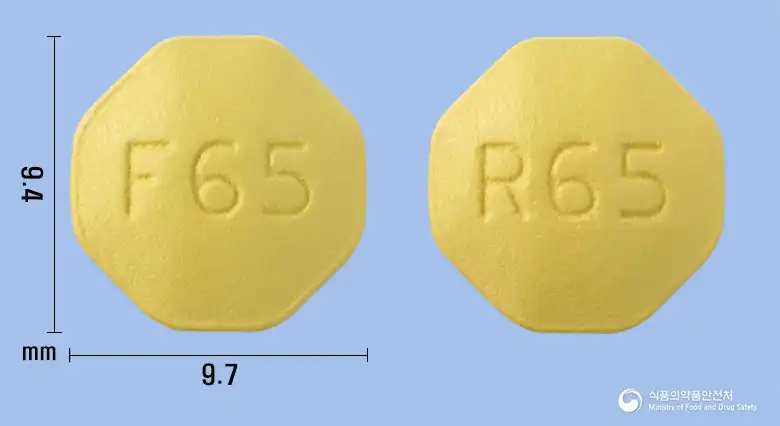 Combination
Fimasartan Potassium Trihydrate Granules 150mg · Rosuvastatin Calcium 5.2mg
Tablet · Prescription medication · Combination
Boryung Pharmaceutical Co., Ltd.
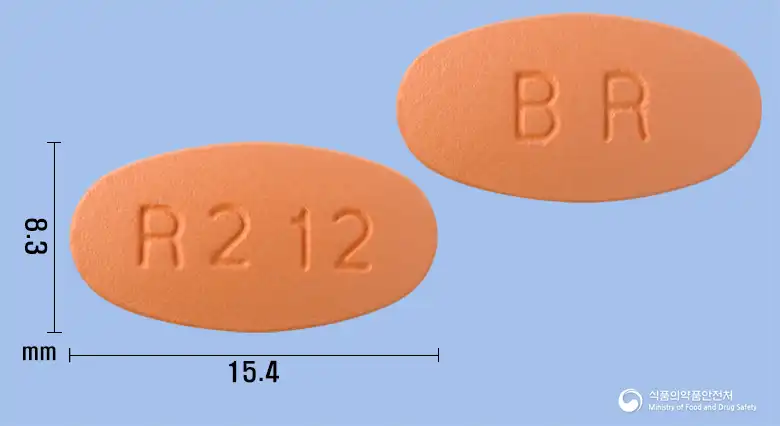 Combination
Fimasartan Potassium Trihydrate Granules 300mg · Rosuvastatin Calcium 20.8mg
Tablet · Prescription medication · Combination
Boryung Pharmaceutical Co., Ltd.
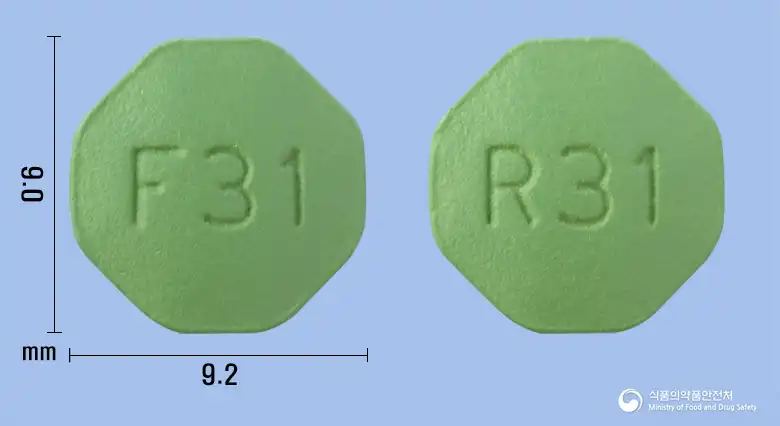 Combination
Fimasartan Potassium Trihydrate Granules 75mg · Rosuvastatin Calcium 10.4mg
Tablet · Prescription medication · Combination
Boryung Pharmaceutical Co., Ltd.
Fimasartan Potassium Trihydrate Granules 75mg · Rosuvastatin Calcium 10.4mg
Tablet · Prescription medication · Combination
Boryung Biopharma Co., Ltd.
Fimasartan Potassium Trihydrate Granules 75mg · Rosuvastatin Calcium 5.2mg
Tablet · Prescription medication · Combination
Boryung Biopharma Co., Ltd.
Fimasartan Potassium Trihydrate Granules 150mg · Rosuvastatin Calcium 10.4mg
Tablet · Prescription medication · Combination
Boryung Biopharma Co., Ltd.
Even with the same ingredient, the dose and directions can differ by strength and dosage form. Talk to a doctor or pharmacist before switching from a medication you are already taking.
No questions yet.
For anything that needs medical judgment, consult a doctor or pharmacist.
This drug information is based on data provided by the Korea Ministry of Food and Drug Safety.
Consult a doctor or pharmacist for accurate dosage, administration, and usage instructions.