
 한국어
한국어 English
 日本語
日本語 中文(简体)
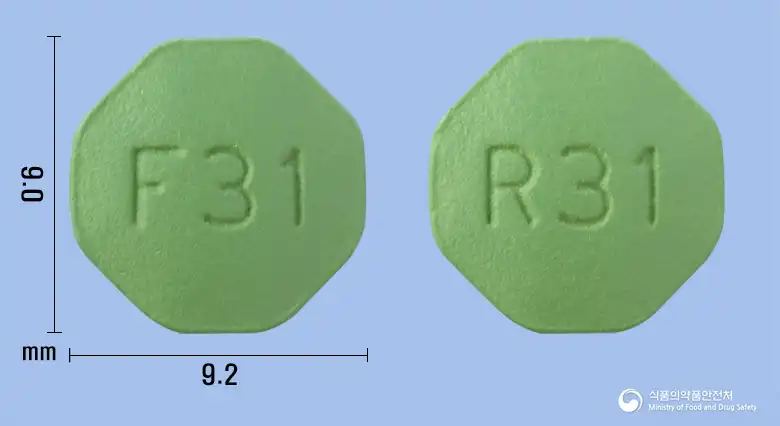 Viewing nowCombination
Tubero Tablet 30/10 mg (Pimasartan Potassium, Rosuvastatin)
Fimasartan Potassium Trihydrate Granules 75mg · Rosuvastatin Calcium 10.4mg
Tablet · Prescription medication · Combination
Boryung Pharmaceutical Co., Ltd.
MFDS item code 201605336 · Approved 2016.08.31 · Insurance code 641906550
(Hypertension, Hypercholesterolemia) Improvement and reduction of cardiovascular disease risk
This medication is used for patients who require the combined administration of two drugs, Pimasartan and Rosuvastatin. Pimasartan is primarily used for the treatment of essential hypertension. Rosuvastatin is effective for dyslipidemia such as hypercholesterolemia and is used as an adjunct when dietary control and exercise alone cannot manage the condition. It is also helpful in the treatment of patients with homozygous familial hypercholesterolemia or primary dysbetalipoproteinemia. Rosuvastatin lowers cholesterol levels in patients with hypercholesterolemia and is used to delay the progression of atherosclerosis and reduce the risk of cardiovascular disease. Therefore, this medication is suitable for patients with both hypertension and dyslipidemia, effectively improving blood pressure and cholesterol levels.
1. Pimasartan The recommended dosage of this medication is 30 to 60 mg once daily, administered regardless of meals. If blood pressure is not adequately controlled, the dosage may be increased to 120 mg once daily. It is recommended to take it at the same time each day (e.g. morning). 2. Rosuvastatin The initial dosage is 5 mg once daily, and for cases requiring greater reduction of LDL-cholesterol levels, it can be adjusted to a maintenance dose.
This medication can cause serious harm to the fetus and newborn if taken during pregnancy, especially in the second and third trimesters; therefore, it should be discontinued immediately if pregnancy is confirmed. Patients who are allergic to the ingredients of this medication, women who are pregnant or may become pregnant, nursing mothers, and women of childbearing age who are not using appropriate contraception should not take this medication. This medication should not be used in patients with moderate to severe liver impairment, patients with bile duct obstruction, patients with muscle disorders, patients with severe renal impairment, and patients taking certain medications. Patients with low blood volume or sodium, patients with impaired kidney function, and patients with heart valve disease should be especially cautious when taking this medication and adjust the dosage under physician supervision. This medication can cause serious muscle-related side effects such as myalgia or myopathy, and rarely rhabdomyolysis, so if symptoms of muscle pain or weakness occur, patients should inform medical personnel immediately. Additionally, this medication may affect liver function, so it is important to have regular liver function tests before and during the course of treatment. There may be interactions with other medications, so if the patient is taking current medications, they must inform their healthcare provider, especially when taken with potassium-sparing diuretics, lithium, non-steroidal anti-inflammatory drugs, etc. There may be symptoms such as dizziness or drowsiness when driving or operating machinery, so caution is advised. This medication has not been established for safety and efficacy in children and adolescents under 18, so it is advisable not to use it in this population. In case of overdose, appropriate treatment based on symptoms is necessary, and especially symptoms of hypotension or liver function abnormalities may occur, so patients should consult medical personnel immediately. Finally, this medication should be stored out of reach of children and should not be transferred to other containers.
Hives, severe swelling (edema), chest tightness, difficulty breathing, cold sweat, pallor, severe rash with high fever, blisters, skin peeling, pain in the mucous membranes of the mouth/eyes, shortness of breath or difficulty breathing, asthma attacks, respiratory issues with cough and fever, jaundice (yellowing of the skin or eyes), extreme lethargy, sudden and severe headache, thunderclap headache, seizures, confusion, visual disturbances, paralysis, urination
Not everyone experiences these, and they can vary from person to person.
Store this medication in a tightly sealed container to prevent air or moisture from entering, and keep it at room temperature, between 1 to 30 degrees Celsius. Proper storage will help maintain the effectiveness of the medication.
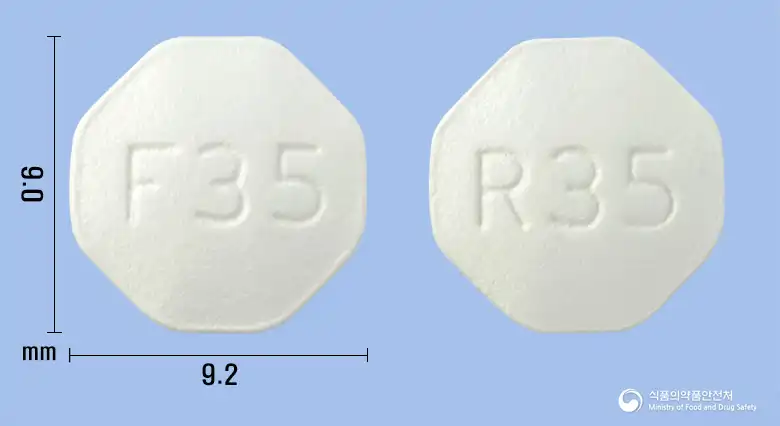
Light green, convex, octagonal film-coated tablets
30 tablets/box [10 tablets/PTP packaging × 3], 100 tablets/box [10 tablets/PTP packaging × 10], 30 tablets/box [10 tablets/Alu-Alu packaging × 3], 100 tablets/box [10 tablets/Alu-Alu packaging × 10]
Even with the same ingredient, strength, dosage form and how it is taken can differ.
Viewing nowCombinationFimasartan Potassium Trihydrate Granules 75mg · Rosuvastatin Calcium 10.4mg
Tablet · Prescription medication · Combination
Boryung Pharmaceutical Co., Ltd.
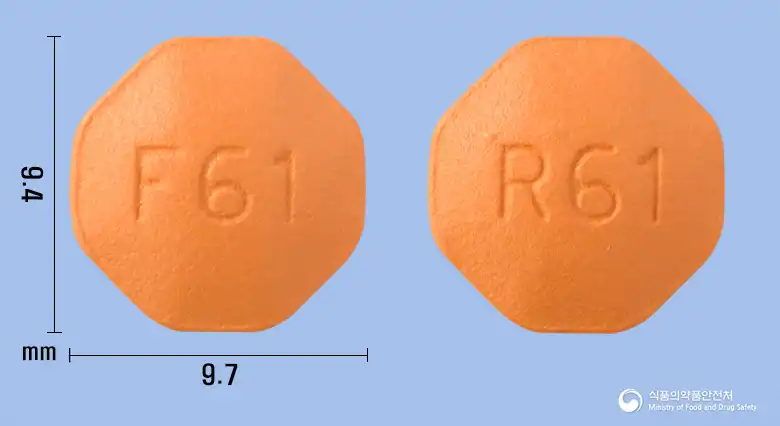 Combination
Fimasartan Potassium Trihydrate Granules 150mg · Rosuvastatin Calcium 10.4mg
Tablet · Prescription medication · Combination
Boryung Co., Ltd.
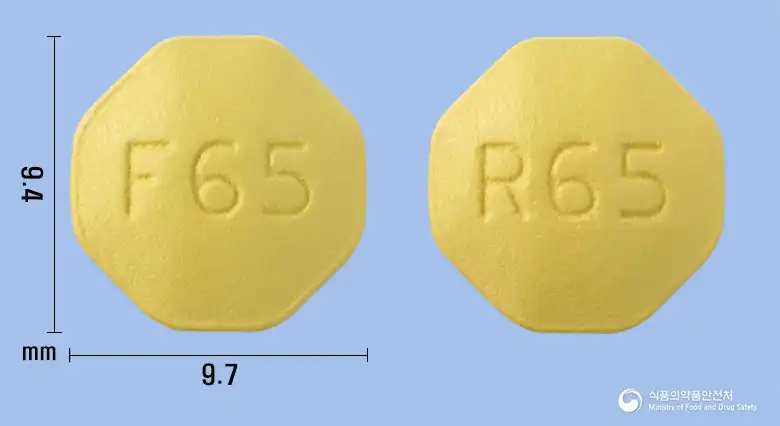 Combination
Fimasartan Potassium Trihydrate Granules 150mg · Rosuvastatin Calcium 5.2mg
Tablet · Prescription medication · Combination
Boryung Pharmaceutical Co., Ltd.
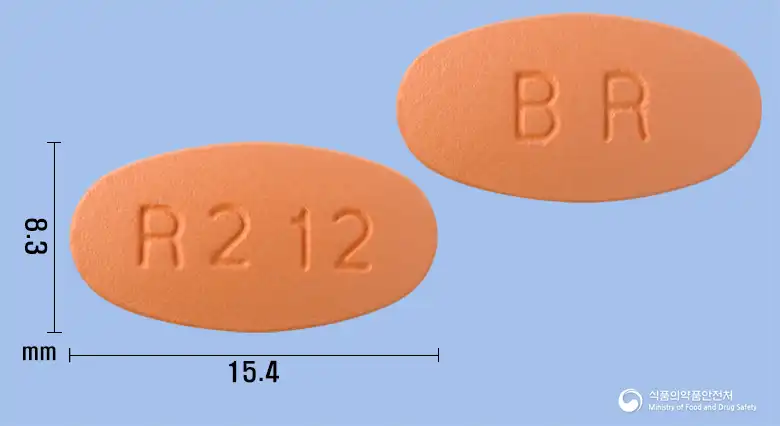 Combination
Fimasartan Potassium Trihydrate Granules 300mg · Rosuvastatin Calcium 20.8mg
Tablet · Prescription medication · Combination
Boryung Pharmaceutical Co., Ltd.
 Combination
Fimasartan Potassium Trihydrate Granules 75mg · Rosuvastatin Calcium 5.2mg
Tablet · Prescription medication · Combination
Boryung Pharmaceutical Co., Ltd.
Fimasartan Potassium Trihydrate Granules 75mg · Rosuvastatin Calcium 10.4mg
Tablet · Prescription medication · Combination
Boryung Biopharma Co., Ltd.
Fimasartan Potassium Trihydrate Granules 75mg · Rosuvastatin Calcium 5.2mg
Tablet · Prescription medication · Combination
Boryung Biopharma Co., Ltd.
Fimasartan Potassium Trihydrate Granules 150mg · Rosuvastatin Calcium 10.4mg
Tablet · Prescription medication · Combination
Boryung Biopharma Co., Ltd.
Even with the same ingredient, the dose and directions can differ by strength and dosage form. Talk to a doctor or pharmacist before switching from a medication you are already taking.
No questions yet.
For anything that needs medical judgment, consult a doctor or pharmacist.
This drug information is based on data provided by the Korea Ministry of Food and Drug Safety.
Consult a doctor or pharmacist for accurate dosage, administration, and usage instructions.