
 한국어
한국어 English
 日本語
日本語 中文(简体)
Dosage form image
Viewing nowHaniBanju (Ibandronic Acid Sodium Monohydrate) (Pre-filled)
Ibandronate Sodium Monohydrate 3.375mg
Injections · Prescription medication
Hana Pharmaceutical Co., Ltd.
MFDS item code 201605329 · Notified 2016.08.31 · Insurance code 657805921
Improvement of postmenopausal osteoporosis
This medication is used to treat osteoporosis, which commonly occurs in postmenopausal women. After menopause, the decrease in female hormones can weaken bones, and this drug increases bone density to reduce the risk of fractures. It plays an important role in the treatment of osteoporosis, improving bone health and enhancing the quality of life in daily activities. Therefore, it is effective in preventing and treating postmenopausal osteoporosis.
Administer 3 mg intravenously once every 3 months over 15-30 seconds. Patients are advised to additionally take calcium and vitamin D. If a regular dosing day is missed, the injection should be given as soon as possible, and thereafter, administration should continue regularly at 3-month intervals.
This medication must be administered intravenously, and it must be used with great caution when administering it into an artery or around a vein as it may cause tissue damage. It should not be used in patients with an allergy to this drug or its components, or in patients with untreated hypocalcemia. During the use of this drug, some patients may experience gastrointestinal symptoms such as gastritis, diarrhea, abdominal pain, dyspepsia, nausea, and constipation. Musculoskeletal symptoms such as myalgia, arthralgia, and musculoskeletal pain have also been reported, and symptoms such as fatigue, headache, and rash may occur as well. Some patients may temporarily experience flu-like symptoms such as arthralgia, myalgia, fever, chills, fatigue, nausea, appetite loss, and bone pain. Severe allergic reactions or anaphylaxis may occur, so if these symptoms arise during administration, treatment should be stopped immediately and appropriate care should be sought. This drug can temporarily lower serum calcium levels, so it is essential to treat hypocalcemia or bone and mineral metabolism disorders before administration. Proper intake of calcium and vitamin D is required during the treatment period, and supplements should be taken if necessary. Particular caution should be taken in patients undergoing dental treatment or those with risk factors due to the risk of jaw osteonecrosis, and an oral examination and preventive dental treatment should be considered before administration. During the administration of this drug, excessive dental procedures should be avoided, and if symptoms associated with osteonecrosis arise, a specialist should be consulted. This drug can rarely cause osteonecrosis of the external auditory canal, so if ear infections or pain persist, inform the doctor. Long-term use may pose risks for atypical fractures, particularly femoral fractures, so if there is pain in the thigh or groin, assessment should be promptly obtained. It may affect kidney function, so patients with kidney disease or those taking medications affecting the kidneys should have regular check-ups with their doctor. It is advisable not to use this drug in pregnant or lactating women, as safety has not been established. In the case of overdose, monitoring kidney and liver functions is essential, and if side effects like hypocalcemia occur, appropriate treatment should be sought. This drug should not be mixed with calcium-containing solutions or other intravenous medications and must be administered only with the specified solution. Used needles and syringes should not be reused and must be disposed of safely.
Urticaria, angioedema, facial swelling/edema, anaphylactic reactions/shock, Stevens-Johnson syndrome, erythema multiforme, bullous dermatitis, severe allergic reactions, severe skin adverse reactions, dyspnea, difficulty breathing, asthma attacks, skin desquamation, multiple organ failure, death, acute renal failure, vascular issues (phlebitis/thrombophlebitis), severe swelling, severe edema, osteonecrosis, fractures, atypical fractures.
Gastritis, diarrhea, abdominal pain, dyspepsia, nausea, constipation, musculoskeletal pain, arthralgia, myalgia, flu-like symptoms (including arthralgia, myalgia, fever, chills, fatigue, nausea, appetite loss, bone pain), fatigue, headache, rash, bone pain, weakness, injection site reactions, back pain, fever, hypothyroidism, peripheral neuropathy, hearing loss, dizziness, insomnia, anxiety, tinnitus, lipoma, ocular hemorrhage, heart failure, and urinary issues.
Not everyone experiences these, and they can vary from person to person.
This medication should be stored in a tightly sealed container to prevent exposure to air and moisture, ideally at a temperature between 1 degree to 30 degrees Celsius. Proper storage preserves the drug's efficacy and prevents deterioration.
It is a colorless and transparent solution in a colorless and transparent glass pre-filled syringe with a disposable needle attached.
1 package (3mL) x 1 pre-filled syringe
Even with the same ingredient, strength, dosage form and how it is taken can differ.
Ibandronate Sodium Monohydrate 3.375mg
Injections · Prescription medication
Hana Pharmaceutical Co., Ltd.
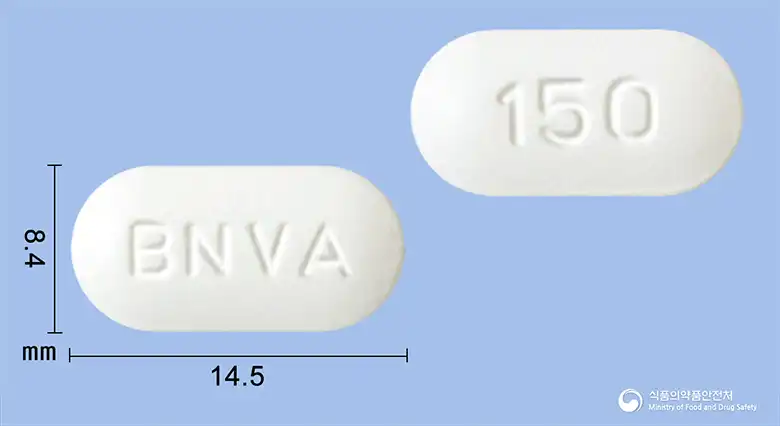
Ibandronate Sodium Monohydrate 168.75mg
Tablet · Prescription medication
Jeil Pharmaceutical Co., Ltd.
Ibandronate Sodium Monohydrate 3.375mg
Solution · Prescription medication
Jeil Pharmaceutical Co., Ltd.
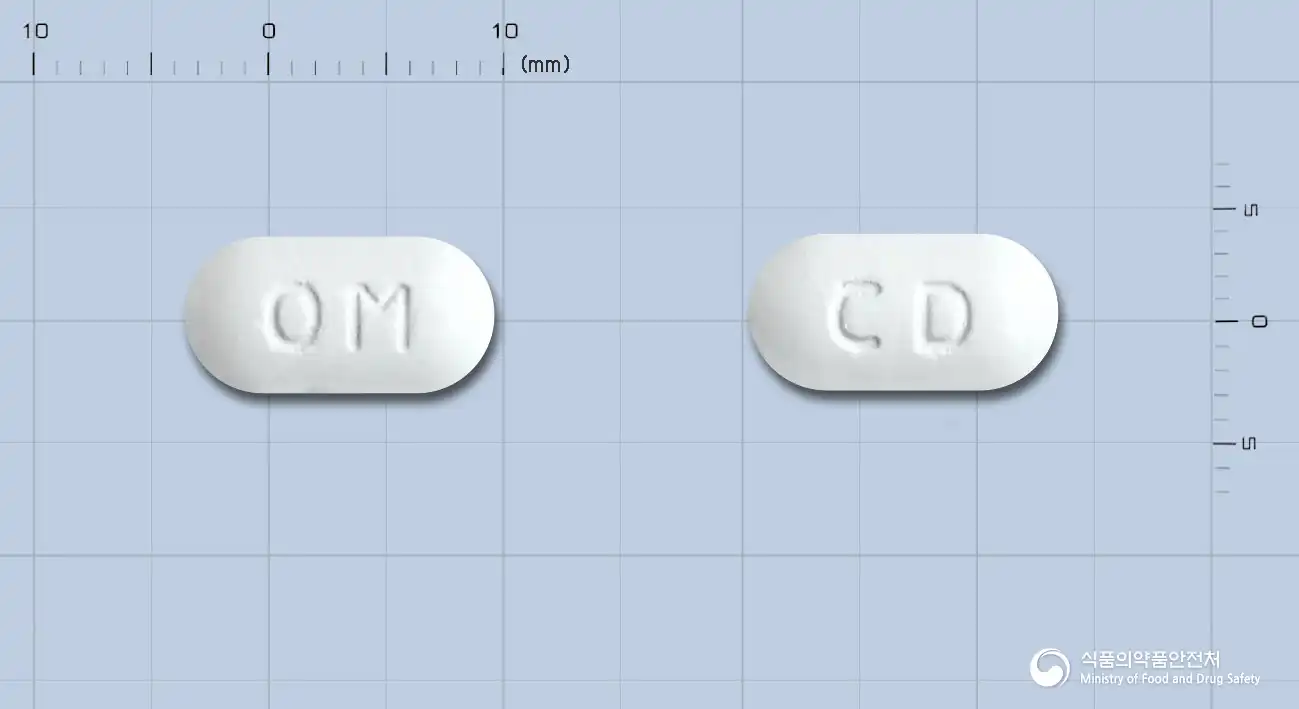
Ibandronate Sodium Monohydrate 168.75mg
Tablet · Prescription medication
Chodang Pharmaceutical Co., Ltd.
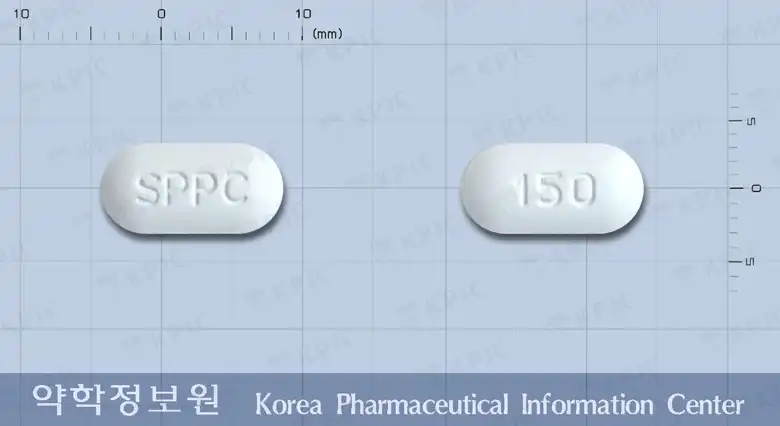
Ibandronate Sodium Monohydrate 168.75mg
Tablet · Prescription medication
Shinpoong Pharmaceutical Co., Ltd.
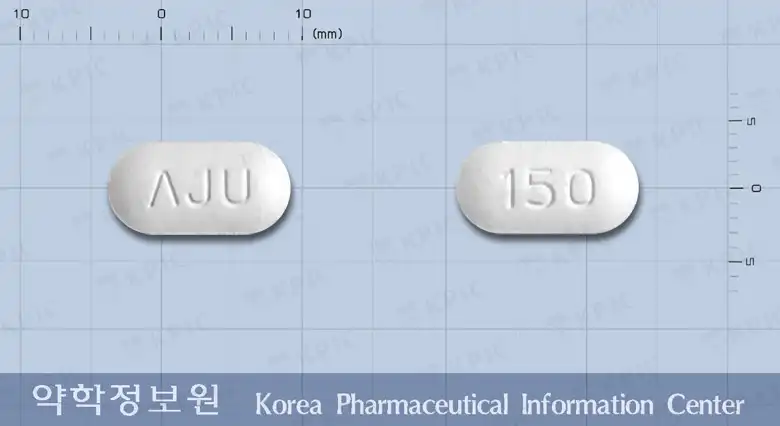
Ibandronate Sodium Monohydrate 168.75mg
Tablet · Prescription medication
Ajou Pharmaceutical Co., Ltd.
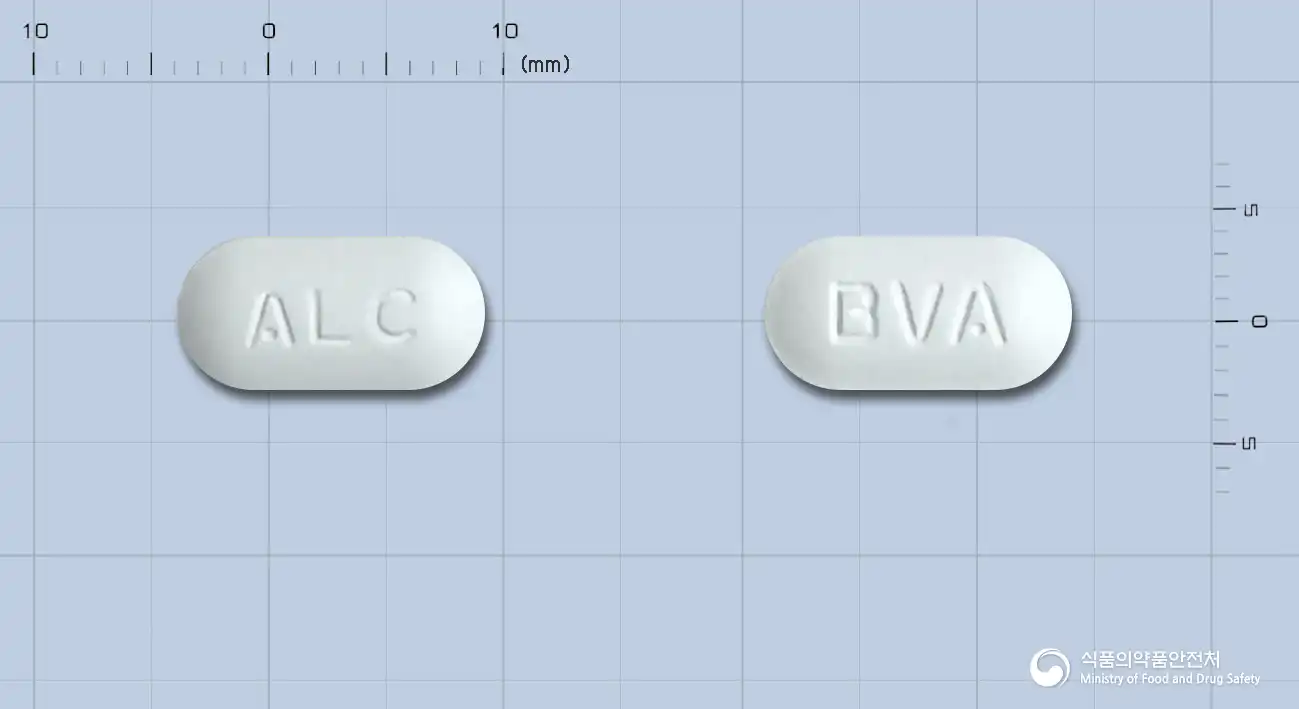
Ibandronate Sodium Monohydrate 168.75mg
Tablet · Prescription medication
Aliko Pharmaceutical Co., Ltd.
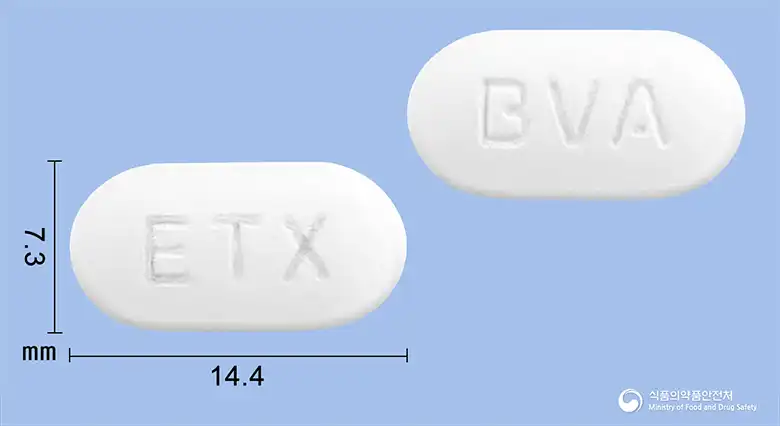
Ibandronate Sodium Monohydrate 168.75mg
Tablet · Prescription medication
Teragen Etex Co., Ltd.
Even with the same ingredient, the dose and directions can differ by strength and dosage form. Talk to a doctor or pharmacist before switching from a medication you are already taking.
No questions yet.
For anything that needs medical judgment, consult a doctor or pharmacist.
This drug information is based on data provided by the Korea Ministry of Food and Drug Safety.
Consult a doctor or pharmacist for accurate dosage, administration, and usage instructions.