
 한국어
한국어 English
 日本語
日本語 中文(简体)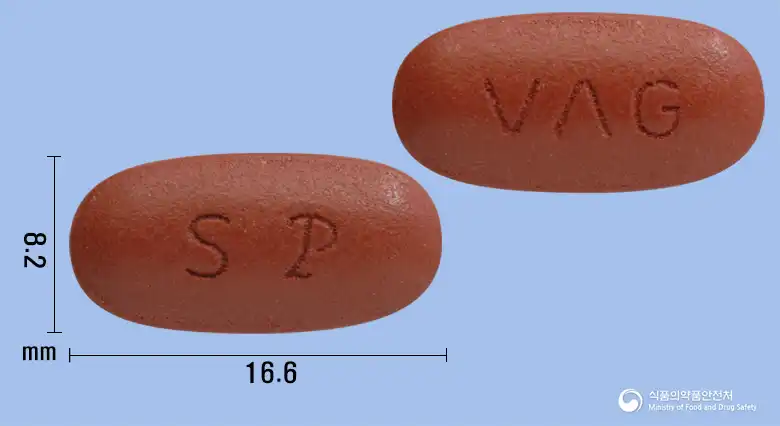
Summary
- Main use
- Improvement of fatigue and physical weakness, relief of oral and skin inflammation symptoms
- Who takes it
- Adults
- Adult dose
- For individuals aged 12 and over, take 1 tablet once daily after meals.
Ingredients
- Folic Acid0.4mg / 1 tablet
- Riboflavin15mg / 1 tablet
- Pyridoxine Hydrochloride20mg / 1 tablet
- Tocopherol Acetate Granules 50%60mg / 1 tablet
- Nicotinamide100mg / 1 tablet
- Calcium Pantothenate20mg / 1 tablet
- Zinc Sulfate Hydrate61.74mg / 1 tablet
- Cyanocobalamin Powder 0.1%12mg / 1 tablet
- Ascorbic Acid Granules 97%257.73mg / 1 tablet
- Thiamine Nitrate Powder 33.3%45mg / 1 tablet
- Manufacturer
- 신풍제약(주)
Efficacy & effects
Improvement of fatigue and physical weakness, relief of oral and skin inflammation symptoms
- Physical fatigue
- weakness
- angular cheilitis
- cheilitis
- stomatitis
- glossitis
- eczema
- dermatitis
View approved original textHide original text
This drug contains vitamins E, B1, B2, B6, and C, which help alleviate physical fatigue experienced during pregnancy, breastfeeding, or after illness, as well as during aging to maintain physical strength. It is also effective for inflammation symptoms occurring in the mouth and tongue such as angular cheilitis, cheilitis, stomatitis, and glossitis, as well as for alleviating skin disorders like eczema and dermatitis. Additionally, it contains zinc, which helps enhance immunity and wound healing. This drug is used for overall health maintenance and symptom relief.
How to take
Adult dose
For individuals aged 12 and over, take 1 tablet once daily after meals.
Precautions
This drug should not be taken by anyone who has had an allergic reaction to this drug or any of its components. Infants under 12 months of age should not take this drug. During the use of this drug, it should not be taken with phosphate, calcium salts, oral tetracycline antibiotics, antacids, and drugs like levodopa. Individuals currently under medical treatment, those with oxaluria, pregnant or potentially pregnant women, nursing mothers, premature infants, infants, anyone with heart or circulatory system dysfunction, kidney disorders, those with hypoproteinemia, or individuals with gout or kidney stones must consult a doctor or pharmacist before taking this drug. If symptoms such as gastrointestinal discomfort, diarrhea, constipation, skin rash or redness, nausea, vomiting, digestive disturbances, abdominal pain, hypotension, pulmonary edema occur while taking this drug, you must immediately stop taking it and consult a specialist. Additionally, this drug can alter the menstrual cycle or prolong bleeding, so caution is needed. Women taking oral contraceptives containing estrogen or those at risk of thrombosis should be cautious as taking vitamin E may increase the risk of thrombosis. Long-term high-dose use can lead to tolerance, and prolonged high-dose pyridoxine use may cause nerve disorders. Patients with folic acid deficiency should be careful as taking more than a certain amount of vitamin B12 can cause hematological adverse reactions. High-dose use can result in side effects such as peptic ulcers, glucose intolerance disorders, hyperuricemia, liver damage, etc. Excessive consumption may lead to symptoms such as nausea, vomiting, hypernatremia, congestive heart failure, and edema, so caution is advised. When taken with certain diuretics, there is a risk of hyperkalemia, so always consult a specialist. If an overdose occurs or symptoms do not improve after a month, consult a specialist immediately. This drug must be taken according to the prescribed dosage and schedule, as it may affect blood sugar measurements in urinalysis. Also, this drug can cause urine to turn yellow, affecting clinical test results. It is advisable to avoid consuming tannin-containing teas such as green tea or black tea before, during, and after taking this drug. When storing, keep it in a sealed container away from children's reach, and store it in a cool, dry place away from direct sunlight. Moreover, this drug should not be transferred to other containers to prevent misuse and maintain the quality of the medicine.
Side effects and when to seek care immediately
Serious side effects
Edema (swelling), pulmonary edema (swelling)
Mild side effects
Gastrointestinal discomfort, diarrhea, constipation, rash, redness (flushing), nausea, vomiting, loose stools, gastrointestinal disturbances, digestive disorders, upper abdominal pain, hypotension, pulmonary edema (swelling), menstrual cycles becoming earlier or progressively heavier, prolonged bleeding, sensory neuropathy or neurological symptoms, hematological adverse reactions, exacerbation of peptic ulcers, glucose intolerance, hyperuricemia, liver damage, hypernatremia, congestive heart failure, edema (swelling)
Not everyone experiences these, and they can vary from person to person.
Interactions
Drug interactions
This drug should not be taken with phosphates, calcium salts, oral tetracycline preparations, antacids, or levodopa. Additionally, consult with a doctor or pharmacist if taken concurrently with oral contraceptives containing estrogen, anti-aldosterone agents, or triamterene.
Food interactions
Avoid tannin-containing teas such as green or black tea before, during, or after taking this drug.
Storage
This drug should be stored in a sealed container to prevent air or moisture from entering, and it is safe to store at a temperature between 1°C to 30°C. This way of storage helps maintain the drug's effectiveness and prevents deterioration.
Appearance and packaging
Appearance
Brownish-red, convex, oval film-coated tablets
Package unit
30 tablets/bottle, 100 tablets/box [10 tablets/PTP x 10]
Questions about this medicine
No questions yet.
For anything that needs medical judgment, consult a doctor or pharmacist.