
 한국어
 English
 日本語
 中文(简体)
Dosage form image
Viewing nowOstarene Injection (Diclofenac Sodium)
Diclofenac Sodium 37.5mg
Prescription medication
Os Korea Pharmaceutical Co., Ltd.
MFDS item code 201604658 · Notified 2016.07.28 · Insurance code 629701151
Relief of inflammation and pain (including postoperative and post-traumatic), joint disorders (including arthritis), and renal and hepatic colic
This medication is used for chronic joint and inflammatory diseases such as rheumatoid arthritis, osteoarthritis (degenerative joint disease), and ankylosing spondylitis. It is also effective for the inflammation and pain occurring after surgery or trauma, acute gout, non-articular rheumatism, low back pain, toothache, dysmenorrhea, and various inflammatory and painful conditions in the ENT region, including periscapular inflammation. The injection formulation is also used for kidney and liver pain treatment. Thus, this medication helps alleviate and improve various inflammatory and painful diseases, contributing to enhancing the quality of life of patients.
Adults: Inject 75mg (1 ampule) of diclofenac sodium deeply into the upper outer quadrant of one buttock once daily by intramuscular injection. In severe cases, 75mg (1 ampule) may be administered twice daily; in this case, inject alternately into each buttock. After the initial treatment period, switch to tablets or suppositories. The dose may be adjusted as appropriate according to age, disease, and symptoms. To minimize the cardiovascular adverse reactions of this medicine, use the lowest effective dose for the shortest duration possible.
This medication may increase the risk of gastric bleeding in individuals who regularly consume more than three glasses of alcohol per day, so it must be discussed with a doctor or pharmacist. This medication can increase the risk of cardiovascular diseases, so individuals with a history or risk factors for heart disease or stroke should be cautious when taking it. Serious gastrointestinal adverse reactions such as gastric bleeding, ulcers, and perforation may occur, so elderly individuals and those with a history of gastrointestinal diseases should be particularly careful. Severe allergic reactions can cause a myocardial infarction, so if you experience chest pain or allergic symptoms while taking this medication, consult medical personnel immediately. When using ampoule injections, care must be taken to avoid glass fragmentation, and caution is particularly required when administering to children or the elderly. Patients with peptic ulcers, severe liver or kidney disorders, severe hypertension, heart failure, or hypersensitivity to any component of this medication should not take it. Patients with a history of asthma or allergic reactions may experience life-threatening anaphylaxis upon taking this medication, so it should be avoided. This medication should be used at the minimum effective dose for the shortest duration possible, and regular blood tests and liver and kidney function tests are required if taken for an extended period. The risk of adverse reactions increases when taken with other non-steroidal anti-inflammatory drugs, so it is preferable not to combine them. This medication should be avoided during pregnancy, especially in late pregnancy as it may harm the fetus, and breastfeeding should be stopped or medication discontinued during lactation. Children and the elderly may have impaired temperature regulation, hence should be more cautious of adverse reactions after taking this medication. In case of overdose, symptoms such as hypotension, kidney failure, seizures, gastrointestinal disturbance, and respiratory depression may occur, and immediate medical attention is required.
Gastrointestinal bleeding, serious cardiovascular thrombotic reactions, myocardial infarction, stroke, bleeding from the stomach or intestines, ulcers, perforation, shock symptoms, peptic ulcer, esophageal ulcer, agranulocytosis, decrease in hemoglobin, leukopenia, thrombocytopenia, anemia, aplastic anemia, hemolytic anemia, tendency to bleed, purpura, allergic purpura, Stevens-Johnson syndrome, Lyell syndrome, photosensitivity, erythema, itching, eczema, dermatitis, angioedema, erythema multiforme, flushing, exudative dermatitis, hepatitis, jaundice, liver dysfunction, elevation of GOT and GPT, acute renal failure, oliguria, hematuria, proteinuria, BUN, elevated serum creatinine, hyperkalemia, asthma attack, rash, urticaria, aseptic meningitis, headache, nausea, vomiting, insomnia, stiffness of the neck, fever, consciousness disturbance, depression, irritability, anxiety, diplopia, drowsiness, dizziness, nervousness, paralysis, confusion, hallucination, convulsions, blurred vision, tinnitus, transient pain, dryness, superficial keratitis, elevated blood pressure, decreased blood pressure, palpitations, tachycardia, congestive heart failure, ventricular extrasystole, myocardial infarction, Kounis syndrome, epistaxis, asthma, pharyngeal edema, interstitial pneumonia, frequent urination, nocturia, erectile dysfunction, vaginal bleeding, edema, generalized weakness, sweating, DRESS syndrome
Not everyone experiences these, and they can vary from person to person.
This medication should be stored in a tightly sealed container that can block light, and it is best to keep it at room temperature between 1 degree and 30 degrees Celsius. Storing it this way will help maintain the medication's efficacy and prevent deterioration.
A brown ampoule containing a colorless and transparent liquid.
2ml / ampoule x 50
Even with the same ingredient, strength, dosage form and how it is taken can differ.
Diclofenac Sodium 37.5mg
Prescription medication
Os Korea Pharmaceutical Co., Ltd.

Diclofenac Sodium 25mg
Tablet · Prescription medication
Dongkwang Pharmaceutical Co., Ltd.
Diclofenac Sodium 75mg
Prescription medication
Ajou Pharmaceuticals Co., Ltd.
Diclofenac Sodium 37.5mg
Prescription medication
Hwanin Pharmaceutical Co., Ltd.
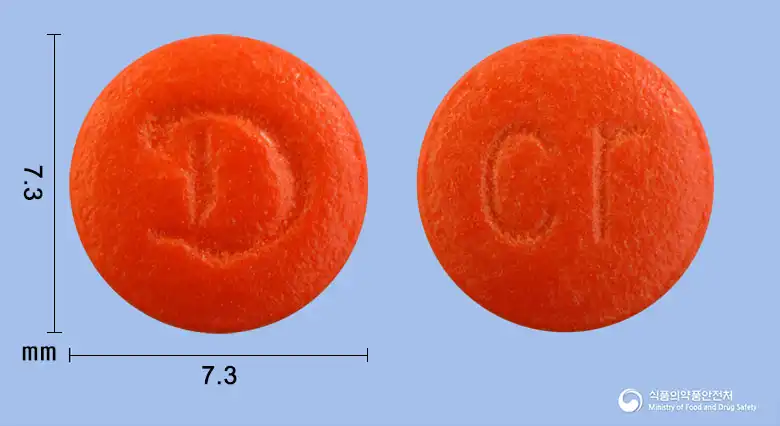
Diclofenac Sodium 25mg
Tablet · Prescription medication
GL Pharma Co., Ltd.
Diclofenac Sodium 75mg
Solution · Prescription medication
YuYoung Pharmaceutical Co., Ltd.
Diclofenac Sodium 37.5mg
Prescription medication
Daehwa Pharmaceutical Co., Ltd.
Diclofenac Sodium 37.5mg
Prescription medication
Dongkwang Pharmaceutical Co., Ltd.
Even with the same ingredient, the dose and directions can differ by strength and dosage form. Talk to a doctor or pharmacist before switching from a medication you are already taking.
No questions yet.
For anything that needs medical judgment, consult a doctor or pharmacist.
This drug information is based on data provided by the Korea Ministry of Food and Drug Safety.
Consult a doctor or pharmacist for accurate dosage, administration, and usage instructions.