
 한국어
 English
 日本語
 中文(简体)
 Viewing nowCombination
CantaBell Tablet 16/5 mg
Candesartan Cilexetil 16mg · Amlodipine Besylate 6.94mg
Tablet · Prescription medication · Combination
Jongkundang Co., Ltd.
MFDS item code 201604623 · Approved 2016.07.26 · Insurance code 643307530
Treatment of essential hypertension not controlled with monotherapy
This medication helps effectively lower blood pressure when patients with essential hypertension find it difficult to control their blood pressure with monotherapy of either candesartan cilexetil or amlodipine. It works by dilating blood vessels to manage blood pressure steadily and also contributes to the prevention of cardiovascular complications resulting from hypertension. Thus, this medication is very suitable for the treatment of essential hypertension and is used to effectively control blood pressure.
The recommended dose of this medicine is 1 tablet once daily, taken with water, with or without food. It is recommended to take it at the same time each day, if possible (e.g., in the morning). Before administering this medicine, it is recommended that the dose be adjusted using the individual components (candesartan cilexetil or amlodipine). However, if blood pressure is not controlled as follows, switching directly to this medicine may be considered. - 8/5 mg: For patients whose blood pressure is not adequately controlled with candesartan cilexetil 8 mg or amlodipine 5 mg. - 16/5 mg: For patients whose blood pressure is not adequately controlled with candesartan cilexetil 16 mg or amlodipine 5 mg. - 16/10 mg: For patients whose blood pressure is not adequately controlled with candesartan cilexetil 16 mg, amlodipine 10 mg, or this medicine 16/5 mg. Patients taking candesartan cilexetil and amlodipine concomitantly may switch to this medicine (a combination product containing the same amounts of each active ingredient) for convenience. ○ Patients with renal impairment: Since the recommended initial dose of candesartan cilexetil in patients with renal impairment is 4 mg once daily, this medicine is not suitable for initial treatment. ○ Patients with hepatic impairment: Since the recommended initial dose of candesartan cilexetil in patients with mild to moderate hepatic impairment is 2 mg once daily, this medicine is not suitable for initial treatment.
○ Children: The safety and efficacy of this medicine have not been established in children 18 years of age or younger; therefore, its use is not recommended.
This medication should not be administered to pregnant women. If pregnancy is confirmed during treatment with this medication, it should be discontinued immediately. Patients with allergic reactions to this medication, severe liver dysfunction, and those with a history of certain kidney diseases or vascular edema should not take this medication. Caution should be exercised when administering this medication to elderly patients or those with hyperkalemia, mild liver dysfunction, or severe hypotension or valvular heart disease. As this medication has blood pressure-lowering effects, patients who exhibit symptoms of hypotension or have low blood volume must be especially cautious, and blood pressure and renal function should be regularly monitored. In clinical trials and post-marketing surveys, side effects such as headache, dizziness, peripheral edema, flushing, etc. have been reported, and rarely skin rashes, blood disorders, liver function abnormalities may occur. This medication may interact with other antihypertensive agents or diuretics, thus you must consult your physician or pharmacist, particularly being cautious with the concomitant use of potassium-sparing diuretics or lithium preparations. Breastfeeding women are advised not to take this medication; if it is absolutely necessary to use it, breastfeeding should be discontinued. Safety and effectiveness for children under 18 years have not been established, so this medication should not be used in this population. In cases of overdose, severe hypotension, dizziness, tachycardia, among others, may occur, and immediate medical attention should be sought. This medication should be kept out of reach of children and should not be transferred to other containers.
Not everyone experiences these, and they can vary from person to person.
This medication must be stored in a tightly closed container to protect it from air and moisture. It is important to maintain a storage temperature between 1 and 30 degrees Celsius.
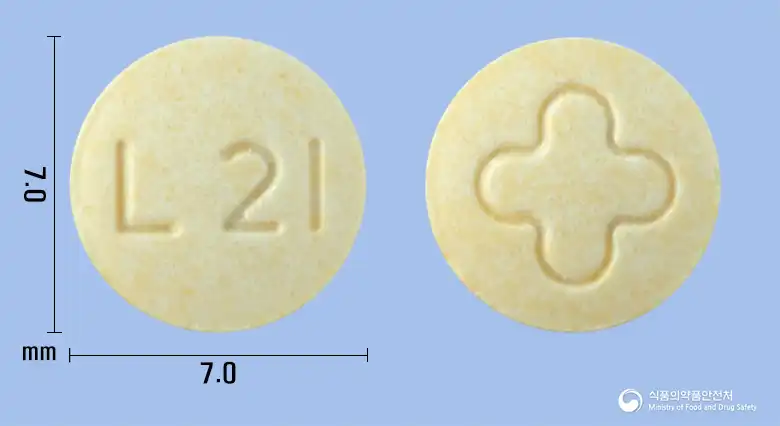
Pale yellow round tablet
5 tablets/bottle, 30 tablets/bottle, 100 tablets/bottle
Even with the same ingredient, strength, dosage form and how it is taken can differ.
Viewing nowCombinationCandesartan Cilexetil 16mg · Amlodipine Besylate 6.94mg
Tablet · Prescription medication · Combination
Jongkundang Co., Ltd.
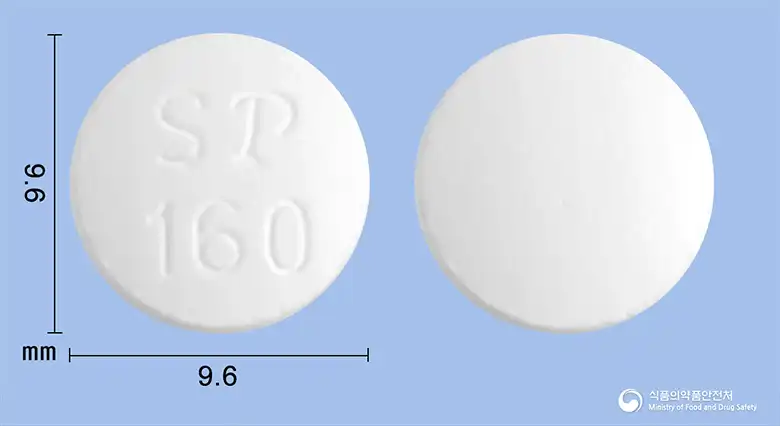 Combination
Candesartan Cilexetil 16mg · Amlodipine Besylate 13.87mg
Tablet · Prescription medication · Combination
Shinpoong Pharmaceutical Co., Ltd.
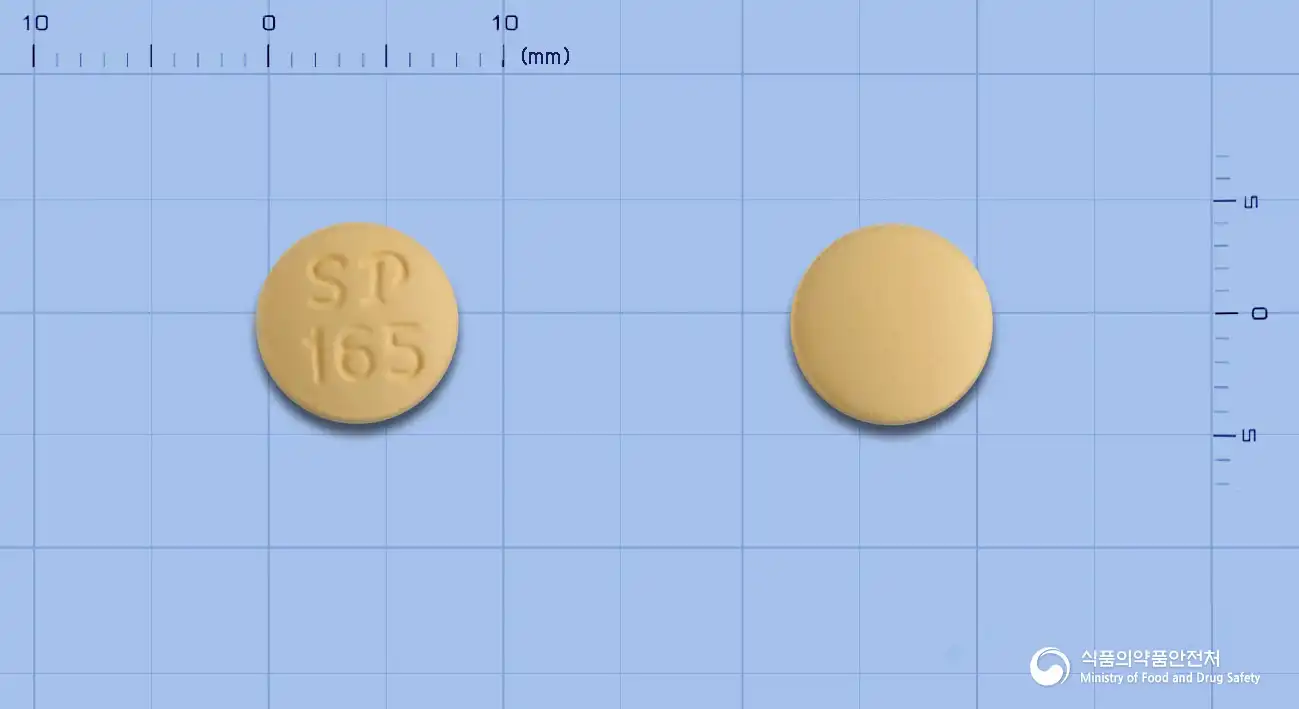 Combination
Candesartan Cilexetil 16mg · Amlodipine Besylate 6.935mg
Tablet · Prescription medication · Combination
Shinpoong Pharmaceutical Co., Ltd.
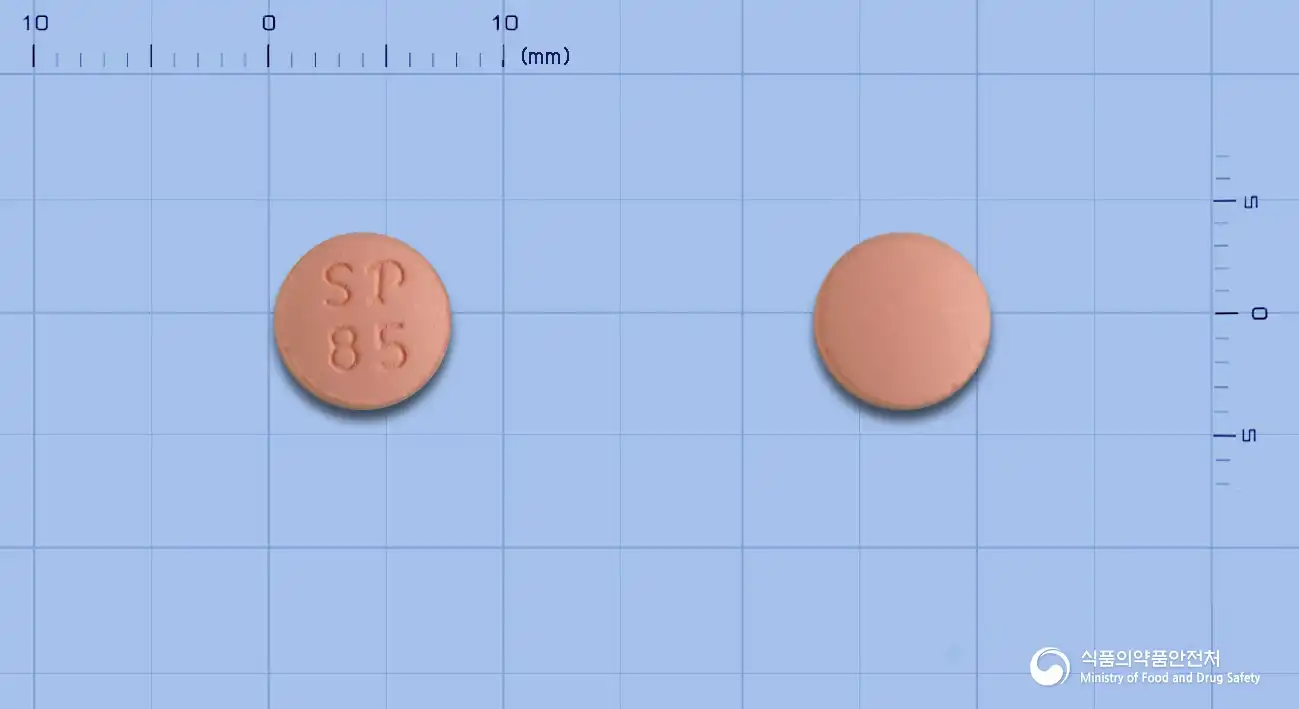 Combination
Candesartan Cilexetil 8mg · Amlodipine Besylate 6.935mg
Tablet · Prescription medication · Combination
Shinpoong Pharmaceutical Co., Ltd.
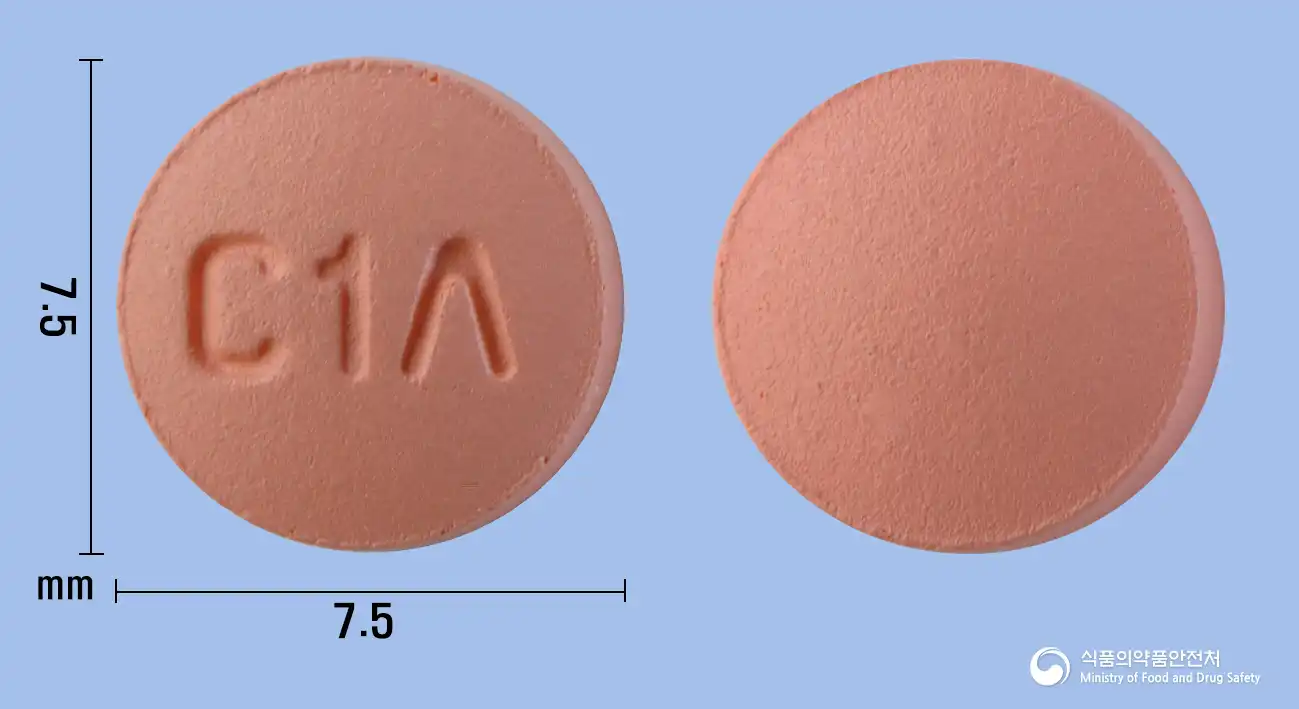 Combination
Candesartan Cilexetil 8mg · Amlodipine Besylate 6.935mg
Tablet · Prescription medication · Combination
HK inno.N Co., Ltd.
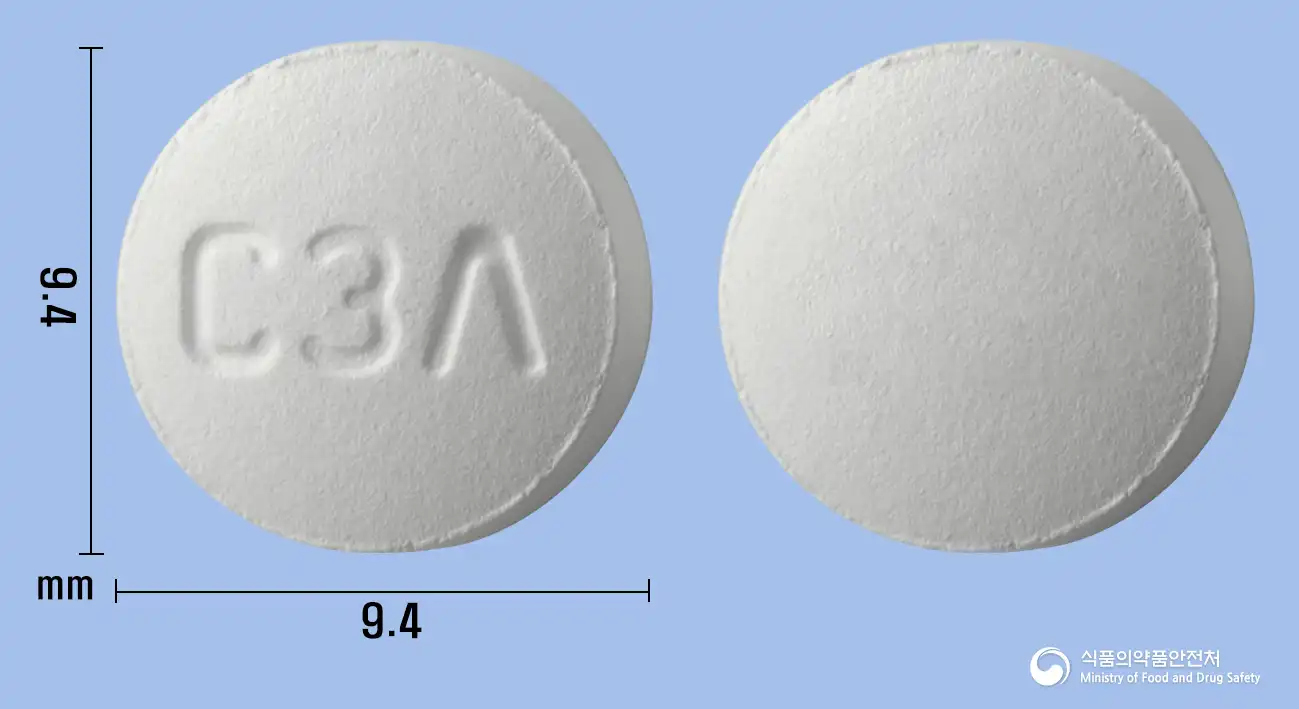 Combination
Candesartan Cilexetil 16mg · Amlodipine Besylate 13.87mg
Tablet · Prescription medication · Combination
HK inno.N Co., Ltd.
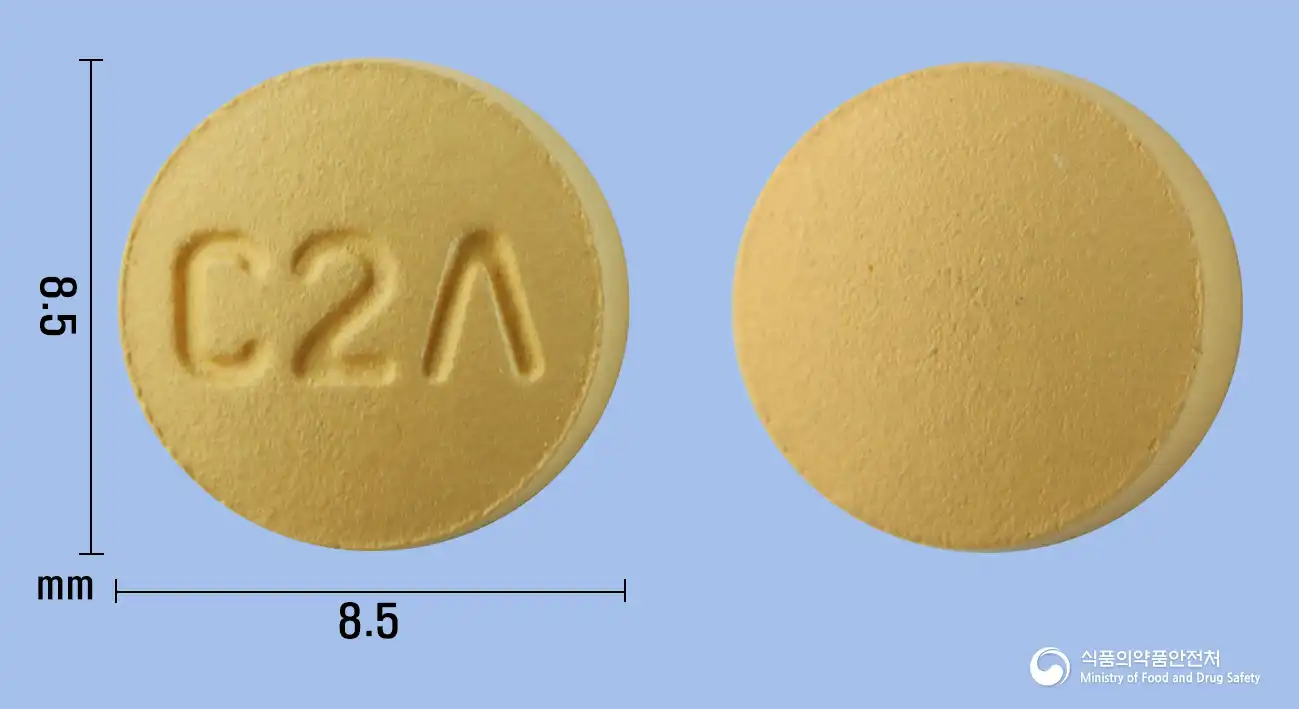 Combination
Candesartan Cilexetil 16mg · Amlodipine Besylate 6.935mg
Tablet · Prescription medication · Combination
HK inno.N Co., Ltd.
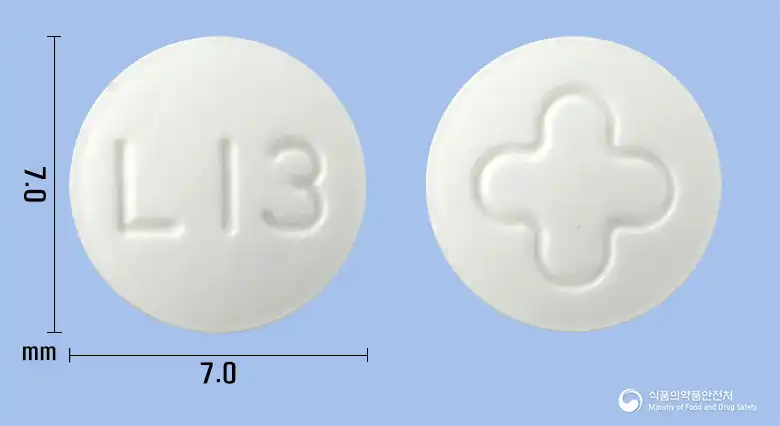 Combination
Candesartan Cilexetil 8mg · Amlodipine Besylate 6.94mg
Tablet · Prescription medication · Combination
Jongkundang Co., Ltd.
Even with the same ingredient, the dose and directions can differ by strength and dosage form. Talk to a doctor or pharmacist before switching from a medication you are already taking.
No questions yet.
For anything that needs medical judgment, consult a doctor or pharmacist.
This drug information is based on data provided by the Korea Ministry of Food and Drug Safety.
Consult a doctor or pharmacist for accurate dosage, administration, and usage instructions.