
 한국어
한국어 English
 日本語
日本語 中文(简体)
 Viewing now
Beasept 10mg (Donepezil Hydrochloride Hydrate)
Donepezil Hydrochloride Hydrate 10.43mg
Orally disintegrating Tablet · Prescription medication
Daewoong Bio Co., Ltd.
MFDS item code 201604537 · Approved 2016.07.22 · Insurance code 694001290
Improvement of symptoms associated with Alzheimer's type dementia
This medication is used for the treatment of symptoms associated with Alzheimer's type dementia. It alleviates symptoms such as memory decline, cognitive impairment, and difficulties in daily life, improving the quality of life for patients. It also helps slow the damage to memory and cognitive abilities. Regular intake can delay the progression of symptoms and support the maintenance of patients' functions. Overall, it is effective in improving symptoms caused by Alzheimer's type dementia.
Administer donepezil hydrochloride at a dose of 5 mg once daily before bedtime. This medication is an orally disintegrating tablet that should be placed on the tongue and allowed to dissolve, which can be taken with or without water.
This medication contains aspartame, an artificial sweetener, and should not be used by patients with the genetic disorder phenylketonuria. Additionally, it is safe not to take this medication if there is a history of allergy or hypersensitivity to any of its components, if the patient is pregnant or may become pregnant, or if the patient is breastfeeding. Patients with heart disease or who have experienced issues like bradycardia or arrhythmia should use this medication with special caution and have their heart condition monitored regularly. Patients with a history of gastric ulcers or peptic ulcers or who are taking non-steroidal anti-inflammatory drugs should be cautious, as this medication may increase gastric acid secretion and worsen symptoms. Patients with respiratory diseases such as asthma or chronic obstructive pulmonary disease should exercise caution, as symptoms may worsen during use. Patients with extrapyramidal disorders such as Parkinson’s disease should consult a doctor before taking this medication, as it may exacerbate neurological symptoms. This medication contains Tartrazine (Yellow No. 4), so patients with allergic reactions to this ingredient should be cautious. This medication can slow the heartbeat or cause arrhythmia; therefore, patients with heart disease may require regular electrocardiogram tests. Furthermore, this medication may promote gastrointestinal motility and increase gastric acid secretion, which could worsen peptic ulcers, so patients with a history of gastrointestinal diseases should closely monitor symptom changes. Caution is needed during driving or operating machinery, especially during the initial phase of treatment or when increasing the dose, as symptoms such as dizziness, fatigue, or muscle cramps may occur. This medication can interact with various drugs, so if other medications are being taken, it is essential to inform a doctor or pharmacist and seek consultation. Pregnant or breastfeeding women should avoid taking this medication, and if necessary, breastfeeding should be discontinued following a doctor's instructions. Safety has not been established for children, so it should not be used in pediatric patients. In cases of overdose, serious side effects such as nausea, vomiting, bradycardia, and respiratory depression may occur, and it is necessary to visit a medical institution immediately, and an antidote may be used if necessary. This medication should be taken as an orally disintegrating tablet, placed on the tongue to dissolve, and can be taken with or without water; it should be kept out of reach of children. It should be stored unopened to prevent discoloration due to light exposure.
Severe allergic reactions including hives, severe swelling, chest tightness, dyspnea, respiratory distress, and severe allergic responses. Symptoms of liver abnormalities including hepatitis, liver dysfunction, and jaundice. Serious cardiovascular responses such as syncope, bradycardia, heart block, QT interval prolongation, myocardial infarction, heart failure, and cardiac arrest. Serious neurological symptoms including cerebral convulsions, cerebral hemorrhage, cerebrovascular disorders, cerebrovascular anomalies, cerebral infarction, cerebral ischemia. Peptic ulcers, asthma.
Nausea, vomiting, diarrhea, loss of appetite, headache, fatigue, insomnia, dizziness, rash, itching, muscle pain, incontinence, swelling, fever, thrombocytopenia, drowsiness, tremor, gait disturbance, involuntary movements, decreased concentration, mental dullness, anxiety, hallucinations, aggressive behavior, confusion, and other general mild symptoms have been reported.
Not everyone experiences these, and they can vary from person to person.
This medication should be stored in a well-closed container that is airtight, at a temperature between 1 and 30 degrees Celsius. Storing it this way will help maintain the effectiveness of the medication for a longer time.
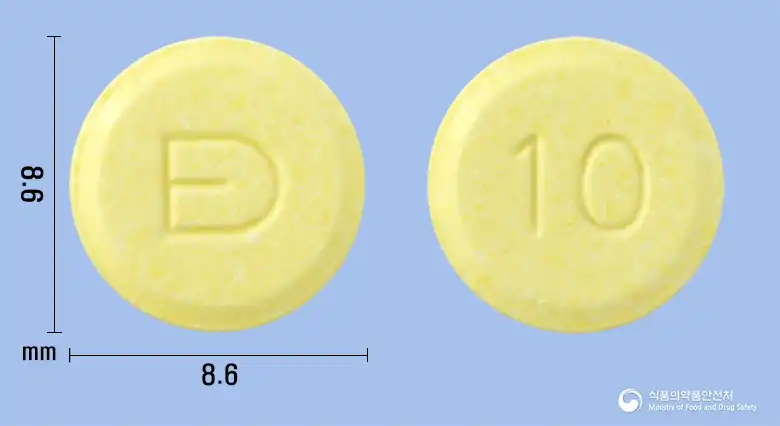
Yellow round orally disintegrating tablet
30 tablets (10 tablets/PTP x 3)
Even with the same ingredient, strength, dosage form and how it is taken can differ.
Viewing nowDonepezil Hydrochloride Hydrate 10.43mg
Orally disintegrating Tablet · Prescription medication
Daewoong Bio Co., Ltd.
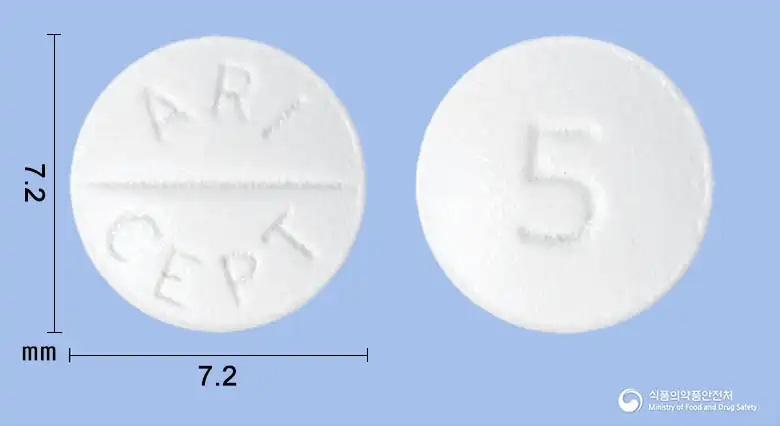
Donepezil Hydrochloride 5mg
Tablet · Prescription medication
HanDoc Co., Ltd.
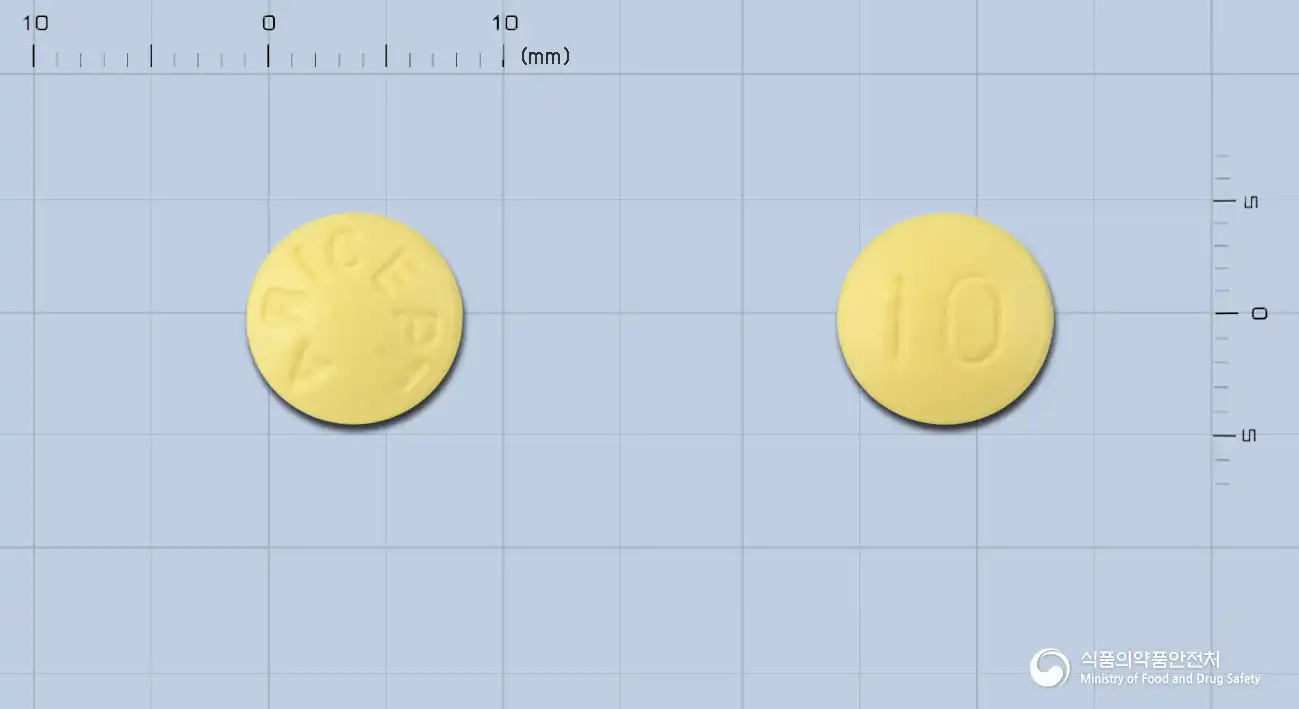
Donepezil Hydrochloride 10mg
Tablet · Prescription medication
Hanmi Pharmaceutical Co., Ltd.

Donepezil Hydrochloride Hydrate 10.43mg
Tablet · Prescription medication
IYun Pharmaceuticals Co., Ltd.

Donepezil Hydrochloride Hydrate 10.43mg
Tablet · Prescription medication
Yuhan Corporation
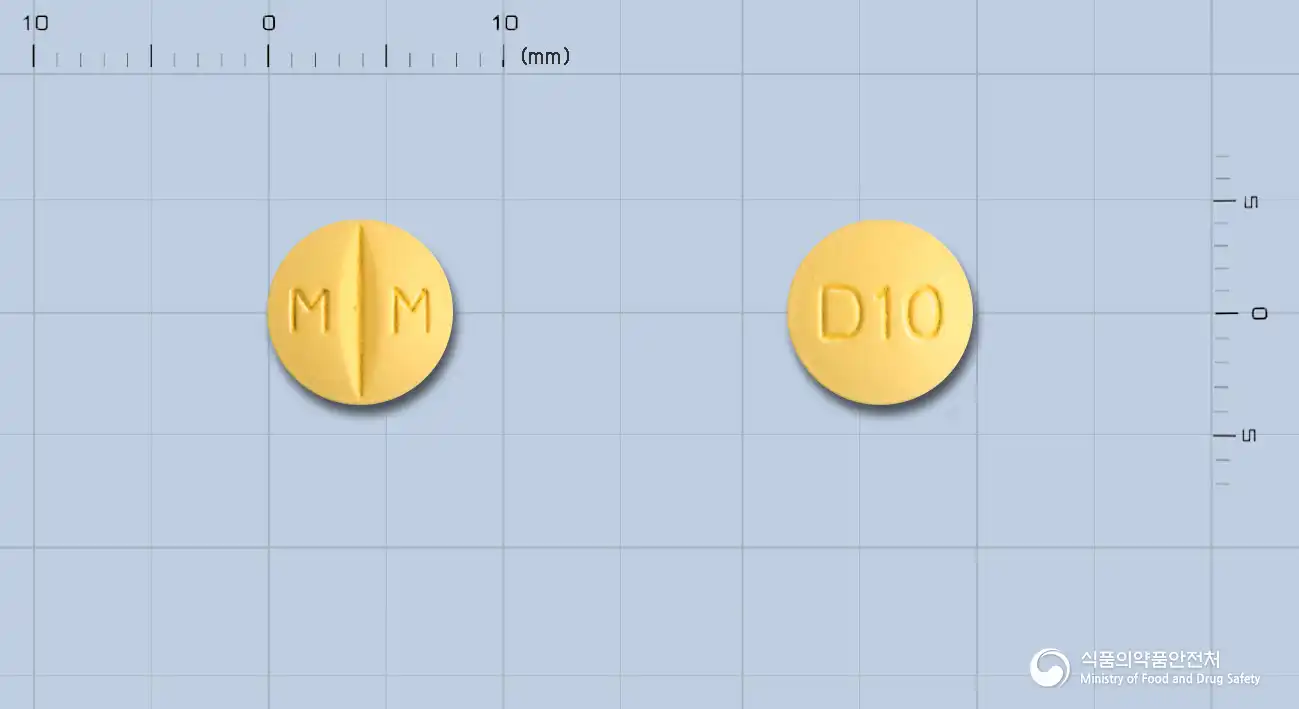
Donepezil Hydrochloride Hydrate 10.43mg
Tablet · Prescription medication
Myungmoon Pharmaceutical Co., Ltd.
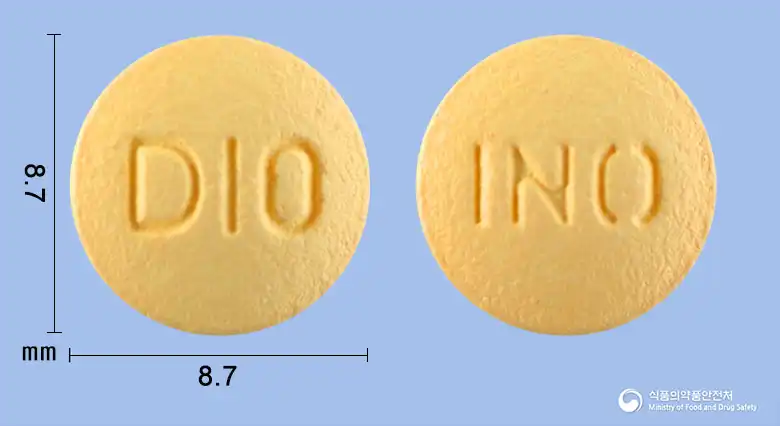
Donepezil Hydrochloride Hydrate 10.43mg
Tablet · Prescription medication
HK inno.N Co., Ltd.
Donepezil Hydrochloride 10mg
Tablet · Prescription medication
Celltrion Pharmaceutical Co., Ltd.
Even with the same ingredient, the dose and directions can differ by strength and dosage form. Talk to a doctor or pharmacist before switching from a medication you are already taking.
No questions yet.
For anything that needs medical judgment, consult a doctor or pharmacist.
This drug information is based on data provided by the Korea Ministry of Food and Drug Safety.
Consult a doctor or pharmacist for accurate dosage, administration, and usage instructions.