
 한국어
 English
 日本語
 中文(简体)
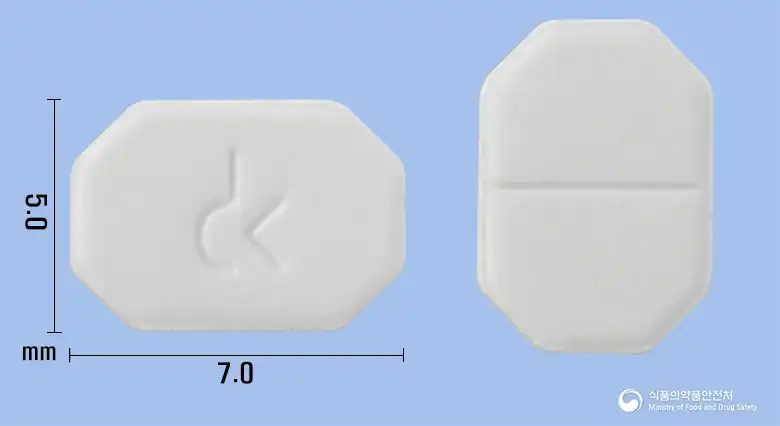 Viewing now
Amrosfin S Tablets 2.5 mg (S-Amlodipine Besylate 2.5 Hydrate)
S-Amlodipine Besylate 2.5 Hydrate 3.74mg
Tablet · Prescription medication
Dongkook Pharmaceutical Co., Ltd.
MFDS item code 201604247 · Approved 2016.07.11 · Insurance code 653403670
Treatment of hypertension and myocardial ischemia (stable and variant angina)
This medication is used in the treatment of hypertension and when blood supply to the heart is insufficient due to narrowed or spastic blood vessels. It is particularly effective for stable angina and variant angina, which occur in situations where the coronary arteries are firmly closed or constrict suddenly. It helps in preventing heart complications like myocardial infarction and alleviating symptoms. It stabilizes the patient's blood pressure, reduces the burden on the heart, and improves overall cardiovascular health.
Take this medicine with plenty of water. Adults: Administer esamlodipine 2.5 mg orally once daily; the dose may be increased to a maximum of 5 mg daily according to the patient's response. Adjust the dose as appropriate according to symptoms.
This medication should not be used in certain patients. For example, do not administer it to individuals who are allergic to this drug or its components, pregnant or breastfeeding women, patients in severe shock, patients with severe heart valve diseases, patients with unstable angina, patients who have recently experienced a myocardial infarction, or patients with severe liver dysfunction or hypotension. Additional caution is required for patients with severely impaired kidney function, the elderly, patients with acute heart failure, patients in hypertensive crisis, and patients with mild to moderate liver dysfunction. Although this medication is generally well tolerated, side effects such as warmth or flushing, fatigue, edema, palpitations, dizziness, headache, dyspepsia, drowsiness, and ankle edema may occur during administration. Rare side effects, including dry mouth, increased sweating, hypotension, fainting, sensory abnormalities, sexual dysfunction, and skin rashes, have also been reported. If severe side effects or allergic reactions occur, discontinue use immediately and consult a healthcare provider. Do not abruptly stop this medication as it may worsen symptoms; reduce the dosage gradually as per your doctor’s instructions and be careful not to stop taking it unilaterally. Take with plenty of water and be cautious with activities like driving or operating machinery, as the medication may lower blood pressure. This medication may interact with other drugs, so inform your healthcare provider about any medications you are currently taking, especially when taking specific antibiotics, heart medications, antihypertensives, or grapefruit juice. If you are pregnant or breastfeeding, avoid using this medication as its safety has not been established; it is recommended to stop breastfeeding if you are nursing. In case of overdose, serious hypotension, cardiac abnormalities, and shock may occur, necessitating immediate emergency treatment and following the healthcare provider's directions. Store this medication out of reach of children and avoid transferring it to other containers, as this may adversely affect its quality. In elderly patients, the concentration in the body may increase, so start with a lower dose and monitor their condition during treatment.
Not everyone experiences these, and they can vary from person to person.
Store this medication in a tightly sealed container to protect it from air and moisture. It is important to maintain a storage temperature between 1 and 30 degrees Celsius at room temperature to preserve its effectiveness for a longer duration.
White octagonal tablets
30 tablets/bottle, 300 tablets/bottle
Even with the same ingredient, strength, dosage form and how it is taken can differ.
Viewing nowS-Amlodipine Besylate 2.5 Hydrate 3.74mg
Tablet · Prescription medication
Dongkook Pharmaceutical Co., Ltd.
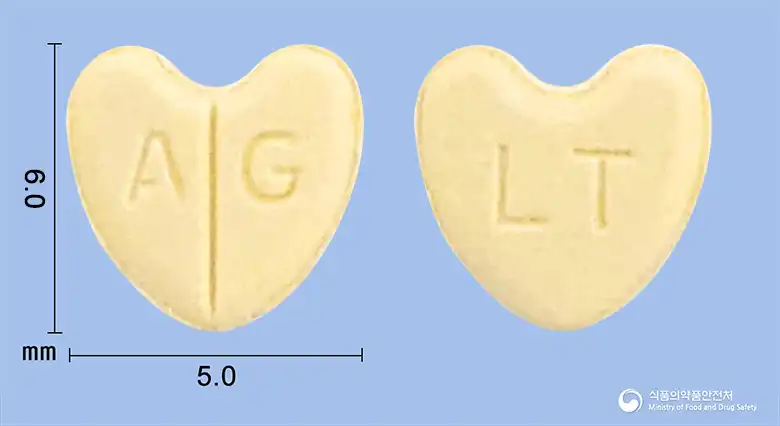
S-Amlodipine Besylate 2.5 Hydrate 3.74mg
Tablet · Prescription medication
Anguk Pharmaceutical Co., Ltd.
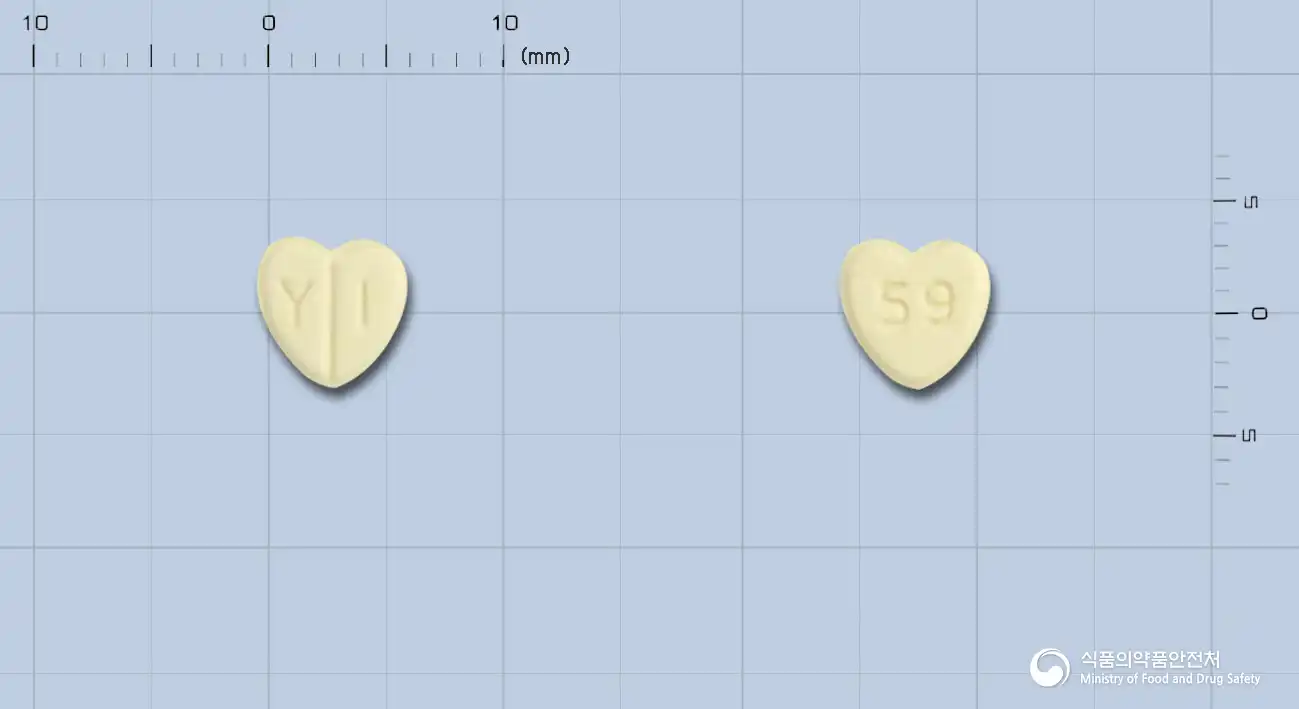
S-Amlodipine Besylate 2.5 Hydrate 3.74mg
Tablet · Prescription medication
Youngil Pharmaceutical Co., Ltd.
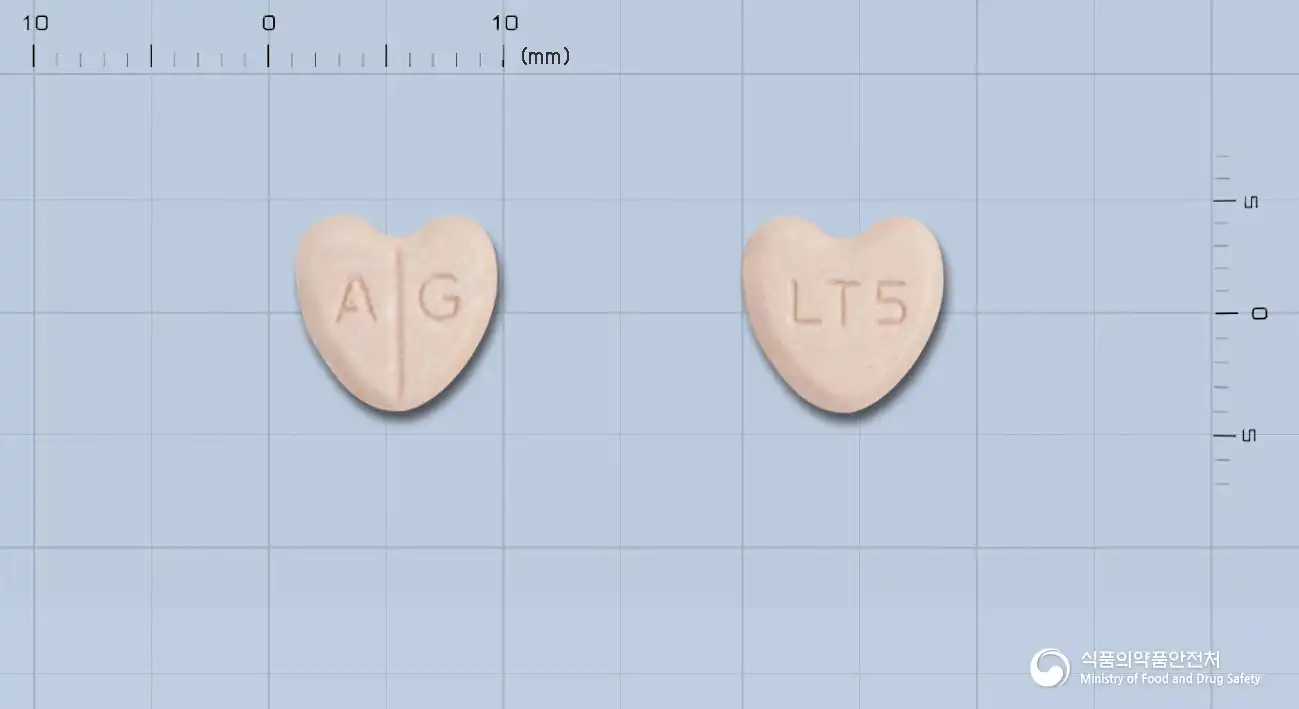
S-Amlodipine Besylate 2.5 Hydrate 7.48mg
Tablet · Prescription medication
Ahn-Guk Pharmaceutical Co., Ltd.
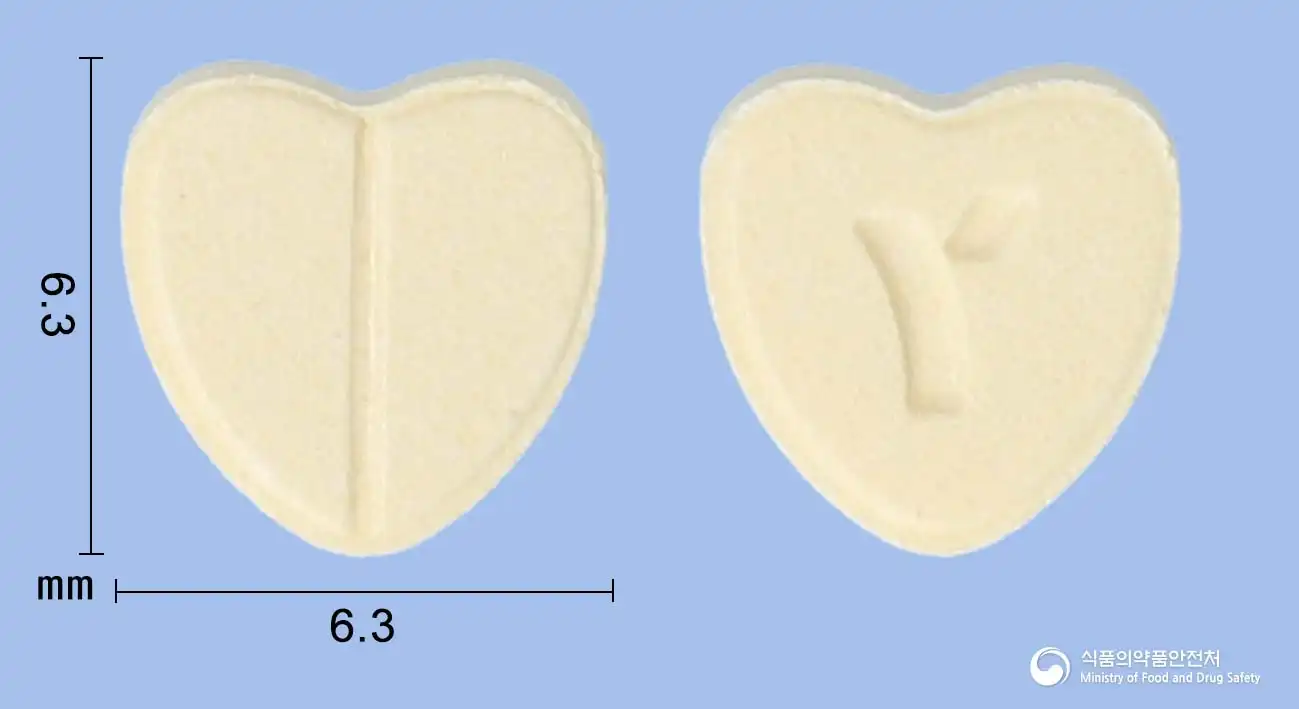
S-Amlodipine Besylate 2.5 Hydrate 3.74mg
Tablet · Prescription medication
Youyoung Pharmaceutical Co., Ltd.
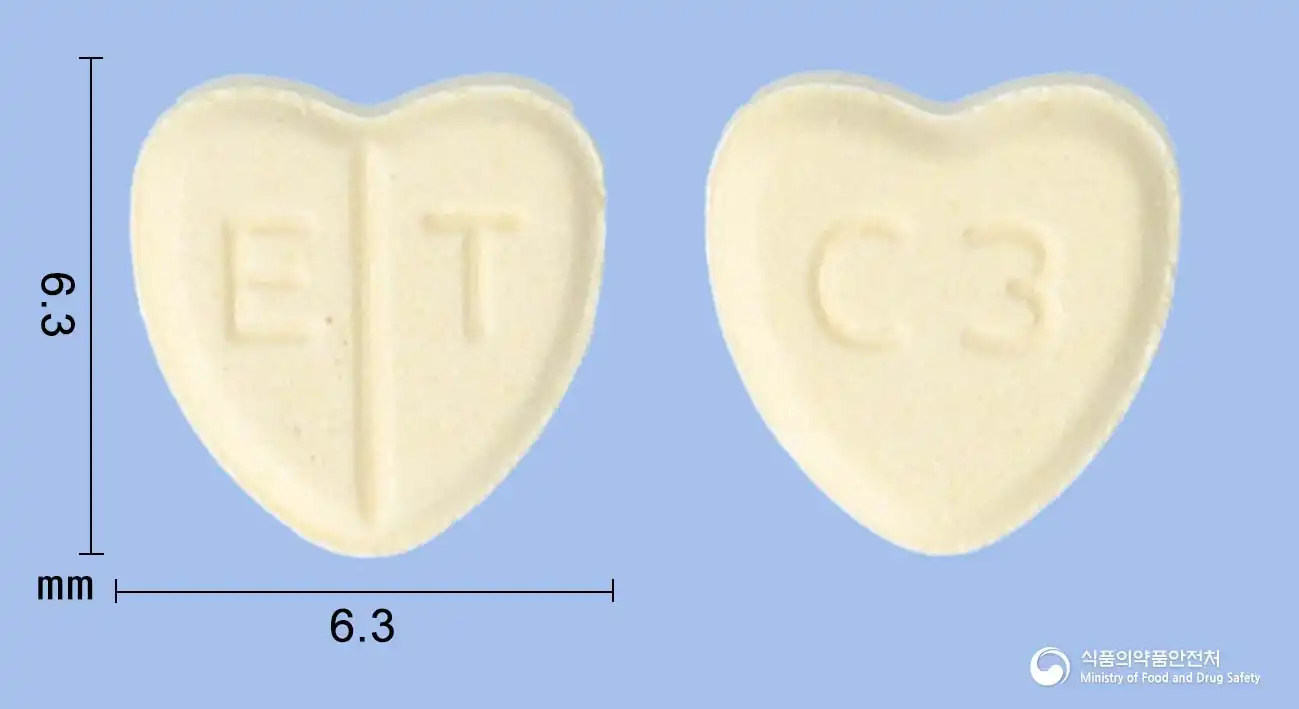
S-Amlodipine Besylate 2.5 Hydrate 3.74mg
Tablet · Prescription medication
Teragen Etex Co., Ltd.
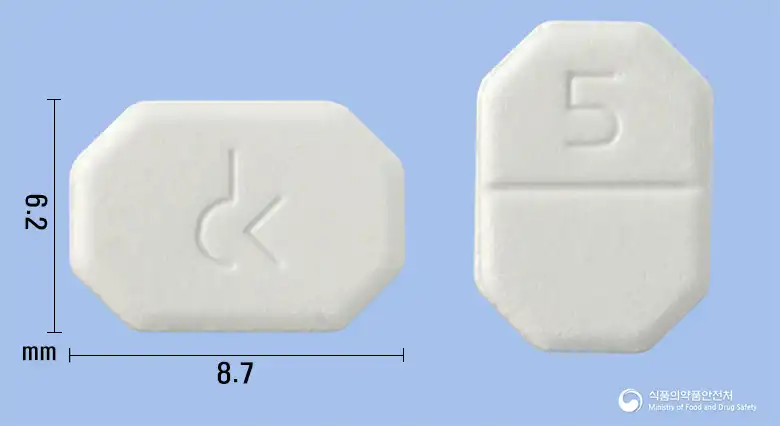
S-Amlodipine Besylate 2.5 Hydrate 7.48mg
Tablet · Prescription medication
Dongkuk Pharmaceutical Co., Ltd.
Even with the same ingredient, the dose and directions can differ by strength and dosage form. Talk to a doctor or pharmacist before switching from a medication you are already taking.
No questions yet.
For anything that needs medical judgment, consult a doctor or pharmacist.
This drug information is based on data provided by the Korea Ministry of Food and Drug Safety.
Consult a doctor or pharmacist for accurate dosage, administration, and usage instructions.