
 한국어
 English
 日本語
 中文(简体)
 Viewing now
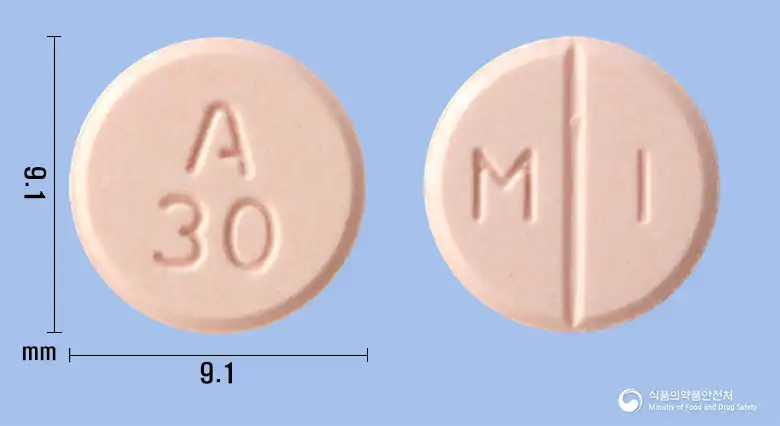
Repizole 30mg (Aripiprazole)
Aripiprazole 30mg
Tablet · Prescription medication
MYEONGIN PHARM. Co., Ltd.
MFDS item code 201604198 · Approved 2016.07.07 · Insurance code 651904410
Treatment of schizophrenia, acute manic or mixed episodes of bipolar disorder, and Tourette's disorder
This medication is used to treat acute mania and mixed episodes associated with schizophrenia and bipolar disorder. It is also effective in alleviating the symptoms of Tourette's disorder. It is a medication that helps improve symptoms of major psychiatric and neurological disorders.
Adults with schizophrenia: The recommended initial dose is 10 mg or 15 mg once daily, with or without food. For the treatment of schizophrenia, the dose of this medicine may be adjusted within the range of 10-30 mg daily. The dose should not be increased before 2 weeks, which is the time required to reach steady state. Maintenance therapy: The efficacy of maintenance therapy for schizophrenia was demonstrated in a clinical trial comparing placebo with a dose of 15 mg daily in patients with schizophrenia who had been stabilized with another antipsychotic for at least 3 months. Switching from another antipsychotic: When switching from an existing antipsychotic to this medicine, it is most appropriate to start this medicine while gradually reducing the dose of the existing medication. The period of overlapping treatment with most antipsychotics should be minimized. Treatment of manic and mixed episodes associated with bipolar disorder, adults: The recommended initial dose, as monotherapy or as adjunctive therapy with lithium or valproate, is 15 mg once daily, with or without food. The dose may be increased to 30 mg daily depending on clinical response. Doses above 30 mg daily have not been evaluated in clinical trials. Maintenance therapy: The efficacy of maintenance therapy for bipolar I disorder was demonstrated in a clinical trial in patients stabilized with this medicine for at least 6 weeks (15 mg or 30 mg daily as monotherapy). CYP2D6 poor metabolizers: 1/2 of the usual dose Strong CYP2D6 inhibitors (e.g., quinidine, fluoxetine, paroxetine) or strong CYP3A4 inhibitors (e.g., ketoconazole, itraconazole, clarithromycin): 1/2 of the usual dose Strong CYP3A4 inducers (e.g., carbamazepine, rifampin): 2 times the usual dose over 1~2 weeks
Adolescents with schizophrenia (13-17 years): The recommended dose is 10 mg once daily, with or without food. Doses of 10 mg and 30 mg daily were studied in adolescent patients (13-17 years). The initial daily dose was 2 mg, increased to 5 mg after 2 days, and then to 10 mg after another 2 days. Thereafter, the dose was increased in 5 mg increments. However, a dose of 30 mg daily was not more effective than a dose of 10 mg daily. Children with bipolar I disorder (10-17 years): The recommended dose as monotherapy is 10 mg once daily, with or without food. Efficacy was demonstrated at doses of 10 mg or 30 mg daily in children (10-17 years) with bipolar I disorder. The initial dose is 2 mg daily, increased to 5 mg after 2 days and then to 10 mg after another 2 days. Thereafter, the dose should be increased in 5 mg increments. Children with Tourette's disorder (6-18 years): This medicine has demonstrated efficacy at doses of 2 mg to 20 mg daily in children (6-18 years) with Tourette's disorder. The initial dose is 2 mg daily, with gradual increases in 5 mg increments at intervals of at least 2 weeks.
This medication is used for the treatment of psychiatric disorders, specifically prescribed for depression, schizophrenia, bipolar disorder, etc. During the use of this medication, there may be an increase in suicidal thoughts or behaviors, so close monitoring by a physician is required, especially for children and young adults. Particular attention should be paid during the first few weeks of treatment or when changing dosages to watch for any sudden changes in mood or behavior. Before administering this medication to patients suspected of bipolar disorder, appropriate diagnosis and screening tests are necessary. Rarely, severe side effects such as neuroleptic malignant syndrome may occur, characterized by high fever, muscle rigidity, and changes in mental state, and immediate medical attention should be sought. Prolonged use may result in tardive dyskinesia, which are irreversible abnormal movements, so it is important to adhere to the minimum dosage and treatment duration. Elderly patients with dementia are at increased risk of cerebrovascular accidents such as strokes, and this medication has not been approved for the treatment of dementia-related psychiatric disorders; therefore, it should be used with caution. Patients with diabetes should regularly monitor their blood sugar levels due to the potential for increased blood sugar and worsening diabetes. This medication may increase the risk of thrombosis, so patients with risk factors for thrombosis should discuss it with their physician and take appropriate preventive measures before use. Patients with cardiovascular diseases or a history of hypotension or seizures need to be cautious while taking this medication. This medication may cause drowsiness or dizziness, so caution is advised when driving or operating machinery. While taking this medication, side effects such as dry mouth, constipation, headache, insomnia, anxiety, tremors, muscle rigidity, weight gain, and others may occur. Patients with allergic reactions or lactose intolerance should not take this medication. Should any abnormal symptoms, sudden mood changes, or suicidal thoughts develop during treatment, immediate consultation with a physician is necessary.
Not everyone experiences these, and they can vary from person to person.
This medication may be sensitive to air or moisture, so it should be stored in a tightly sealed container. It is recommended to maintain the storage temperature between 1 to 30 degrees Celsius.
Pink round tablets
30 tablets/bottle, 200 tablets/bottle
Even with the same ingredient, strength, dosage form and how it is taken can differ.
Viewing nowAripiprazole 30mg
Tablet · Prescription medication
MYEONGIN PHARM. Co., Ltd.
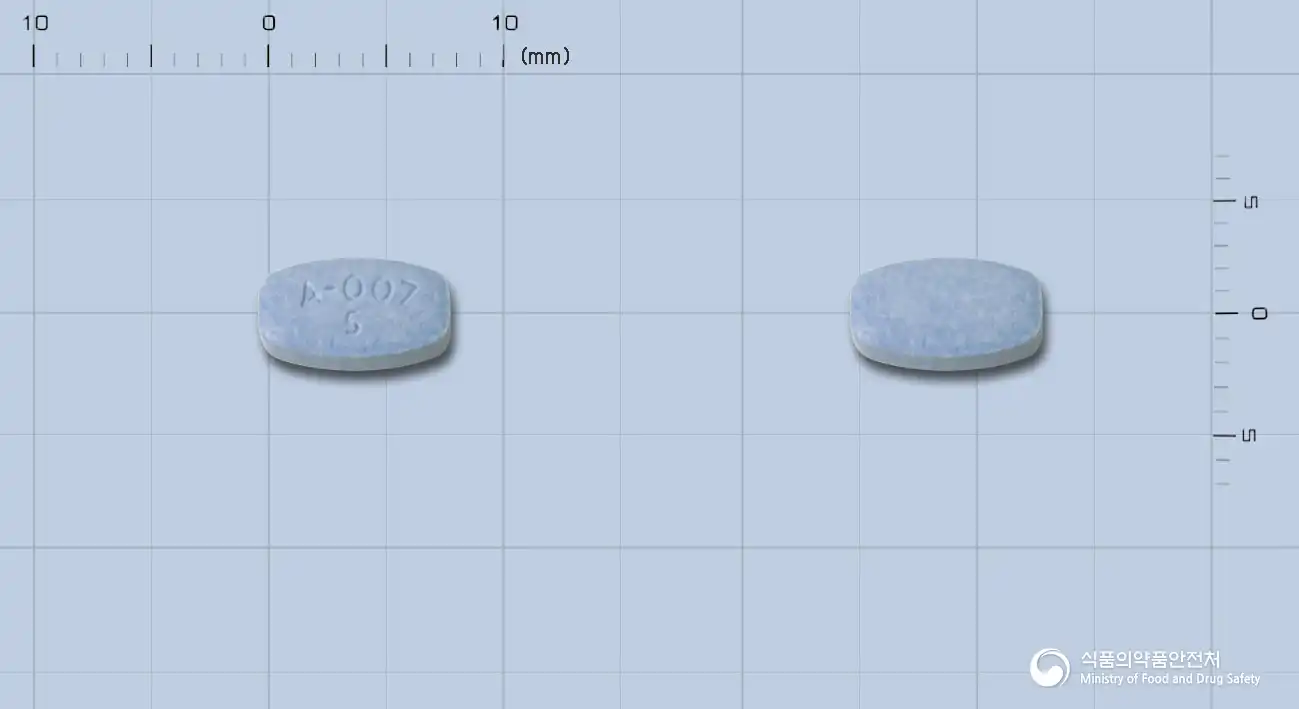
Aripiprazole 5mg
Tablet · Prescription medication
Otsuka Pharmaceutical Co., Ltd.
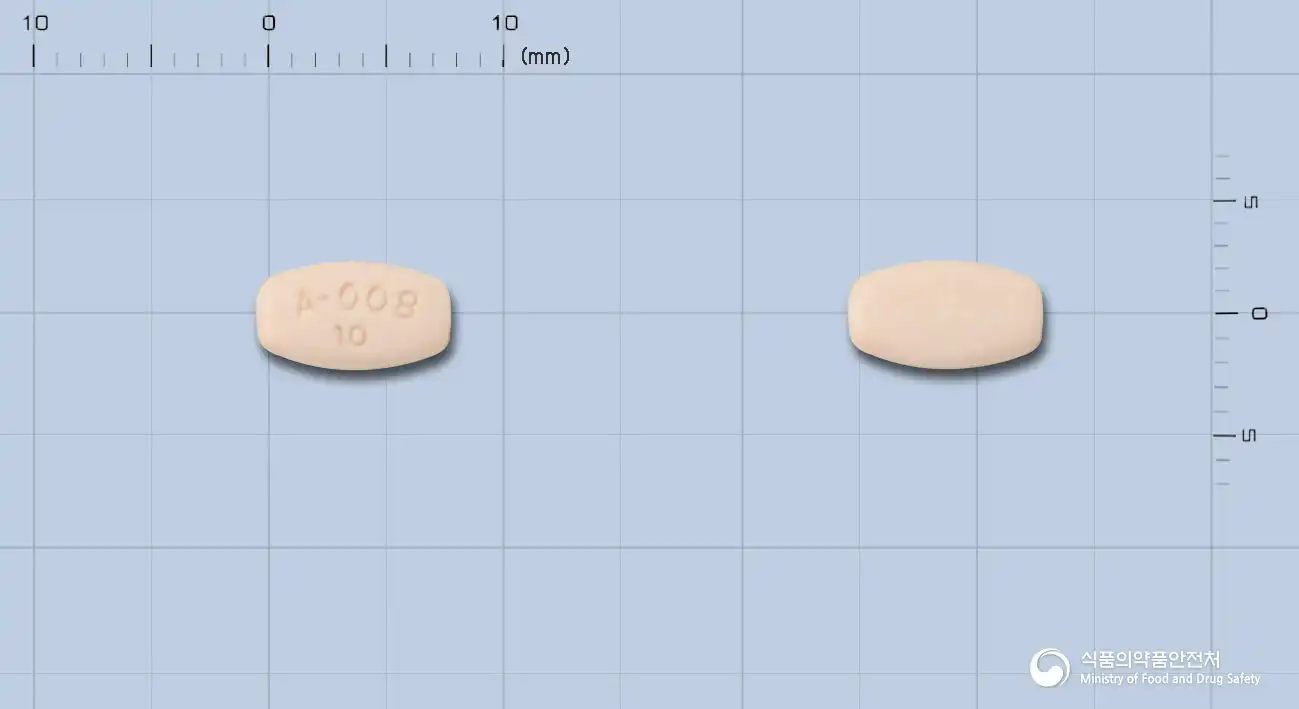
Aripiprazole 10mg
Tablet · Prescription medication
Otsuka Pharmaceutical Co., Ltd.
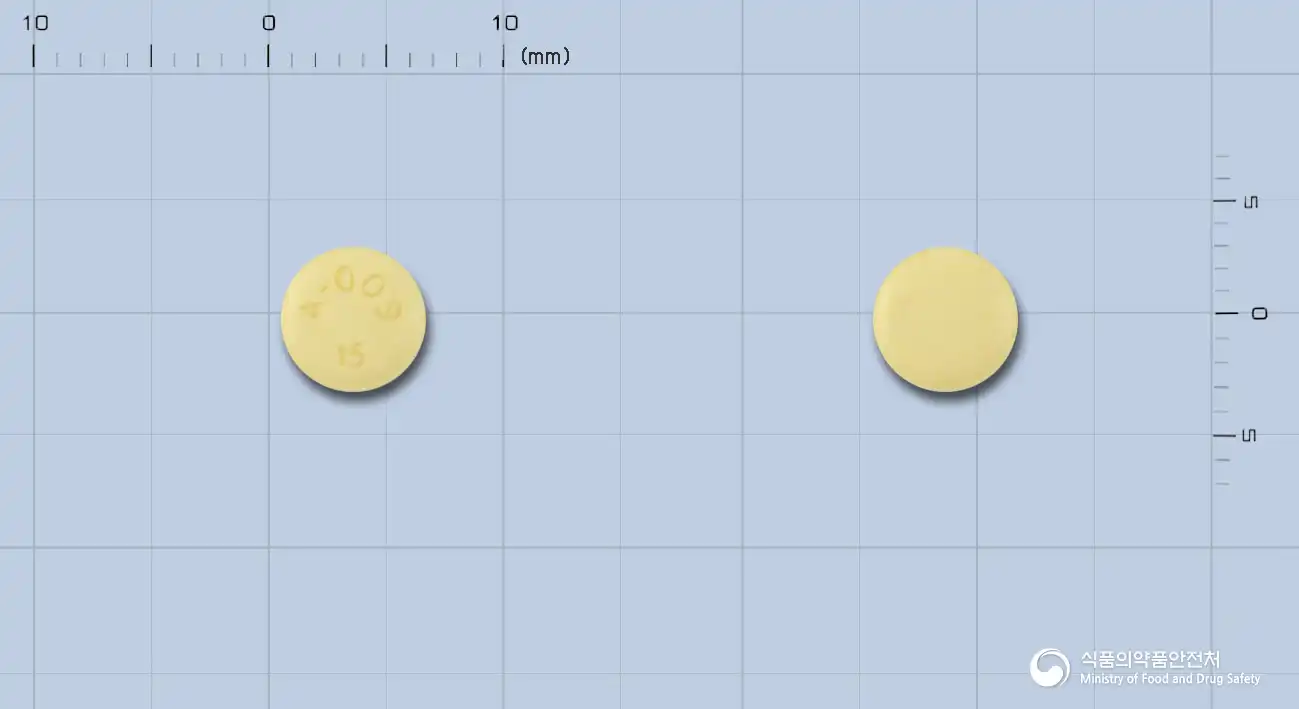
Aripiprazole 15mg
Tablet · Prescription medication
Otsuka Pharmaceutical Co., Ltd.
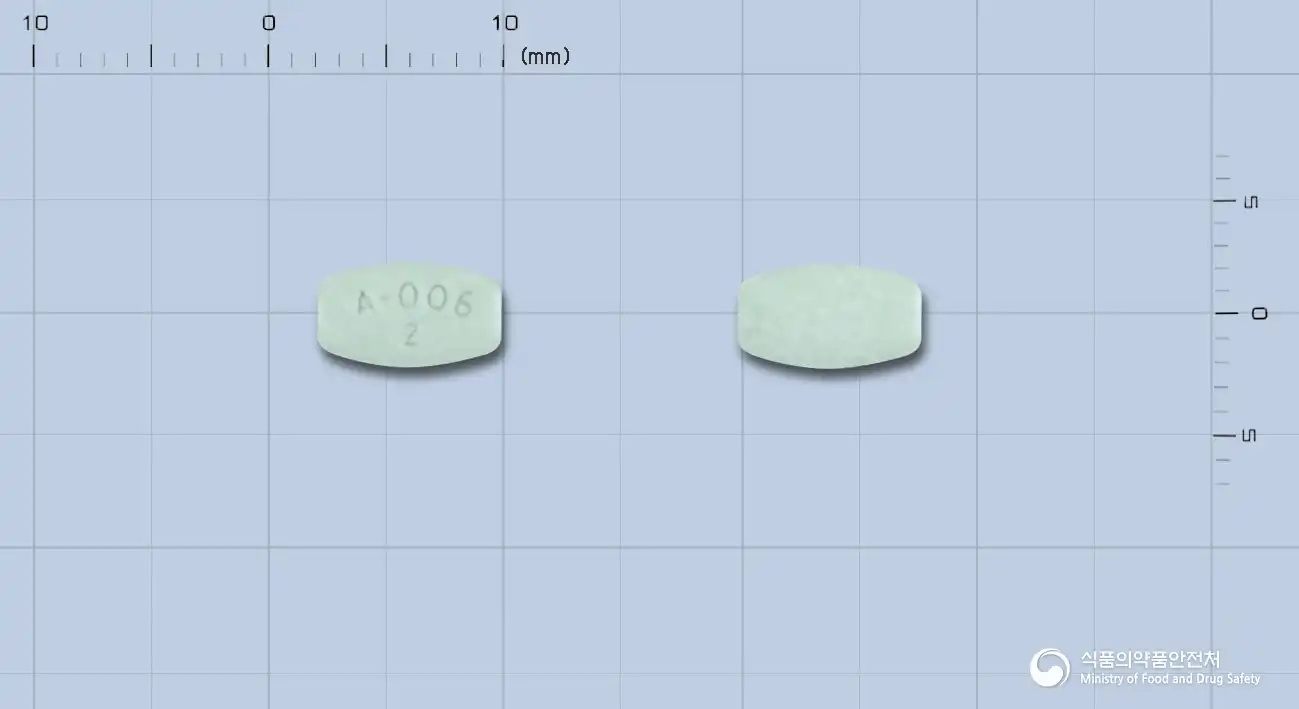
Aripiprazole 2mg
Tablet · Prescription medication
Korea Otsuka Pharmaceutical Co., Ltd.
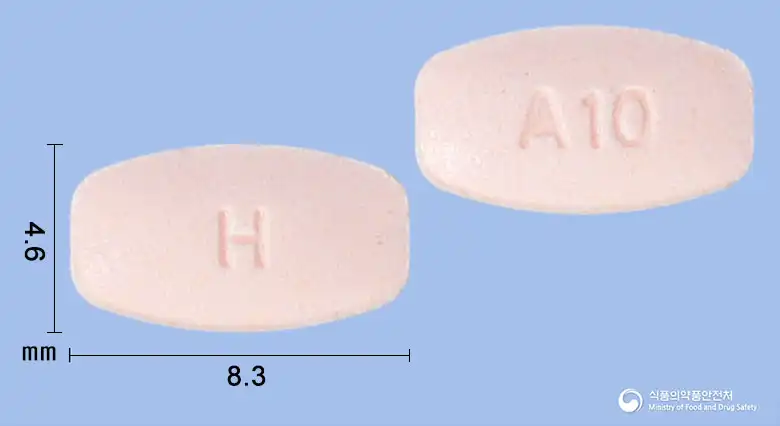
Aripiprazole 10mg
Tablet · Prescription medication
Hyundai Pharmaceutical Co., Ltd.
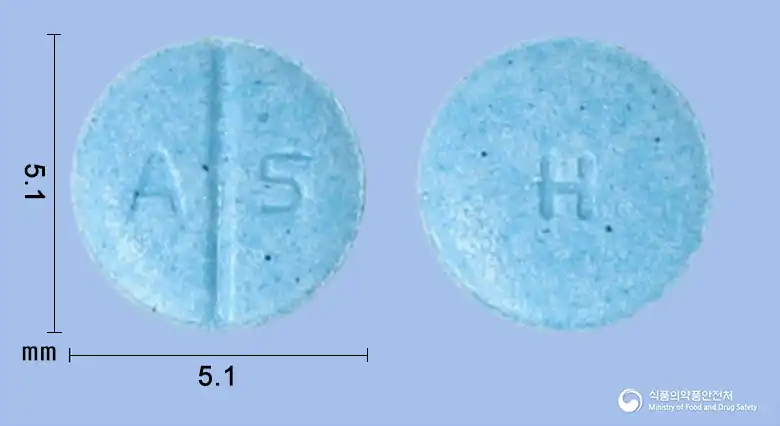
Aripiprazole 5mg
Tablet · Prescription medication
Hyundai Pharmaceutical Co., Ltd.
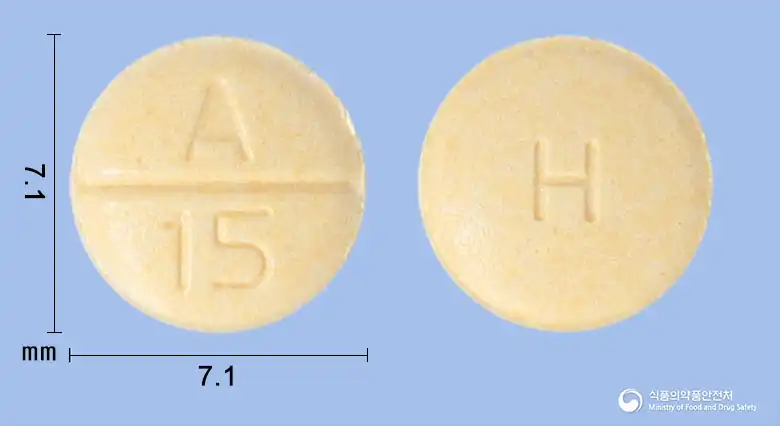
Aripiprazole 15mg
Tablet · Prescription medication
Hyundai Pharmaceutical Co., Ltd.
Even with the same ingredient, the dose and directions can differ by strength and dosage form. Talk to a doctor or pharmacist before switching from a medication you are already taking.
No questions yet.
For anything that needs medical judgment, consult a doctor or pharmacist.
This drug information is based on data provided by the Korea Ministry of Food and Drug Safety.
Consult a doctor or pharmacist for accurate dosage, administration, and usage instructions.