
 한국어
 English
 日本語
 中文(简体)
 Viewing now
Tolostae 2 mg (Tolterodine L-tartrate)
Tolterodine-L-Tartrate 2mg
Tablet · Prescription medication
Youyu Pharmaceutical Co., Ltd.
MFDS item code 201604188 · Approved 2016.07.05
Treatment of overactive bladder (urgency, frequent urination, etc.)
Used effectively to improve symptoms such as urinary urgency, frequency, and urge incontinence caused by overactive bladder.
Adults: Administer 2 mg of tolterodine L-tartrate orally twice daily. However, based on the patient's response to and tolerability of the medicine, the dose per administration may be reduced from 2 mg to 1 mg and administered twice daily. Patients with renal impairment, hepatic impairment, or taking ketoconazole or another strong CYP3A4 inhibitor: The recommended dose is 1 mg of this medicine per administration twice daily.
This medication should not be used in patients with difficulty urinating or patients with conditions that impede the passage of food down the esophagus. Additionally, it should not be administered to patients with uncontrolled glaucoma with elevated eye pressure, patients with allergies to this medication, patients with myasthenia gravis, or patients with severe ulcerative colitis or toxic megacolon. Care should be taken when using this medication in patients at risk of difficulty urinating, those with controlled glaucoma, gastrointestinal obstruction disorders, or those with issues related to kidney or liver function. There may be drug interactions if taken with certain antibiotics, antifungals, or immunosuppressants, so consultation with a physician is advised. This medication can cause relatively common side effects such as dry mouth, indigestion, and reduced tear production, and may occasionally cause symptoms like dizziness, headache, anxiety, constipation, and urinary difficulty. Rarely, serious side effects such as allergic reactions, arrhythmias, and skin rashes have been reported; if any abnormal symptoms occur, medical assistance should be sought immediately. This medication can affect the electrical intervals of heartbeats, so special attention should be given to patients with heart disease or electrolyte imbalances. Furthermore, this medication may induce drowsiness or delay reaction times, necessitating caution when driving or operating machinery. Its safety during pregnancy has not been established, and it should be avoided; women of childbearing age should only use it with adequate contraceptive measures. During breastfeeding, this medication may be excreted in breast milk, so nursing should be stopped or use should be avoided. It is not recommended for children as its safety and effectiveness have not been sufficiently established. In cases of overdose, symptoms such as visual disturbances, difficulty in urination, and severe central nervous system symptoms may occur, so one must seek appropriate treatment at a healthcare facility immediately. This medication should be stored out of reach of children and in its original container to maintain quality.
Not everyone experiences these, and they can vary from person to person.
This medication should be stored in a tightly sealed container to prevent air and moisture from entering, and it is advisable to keep it at a cool temperature below 25 degrees Celsius. Storing it this way can help maintain its efficacy for a longer time.
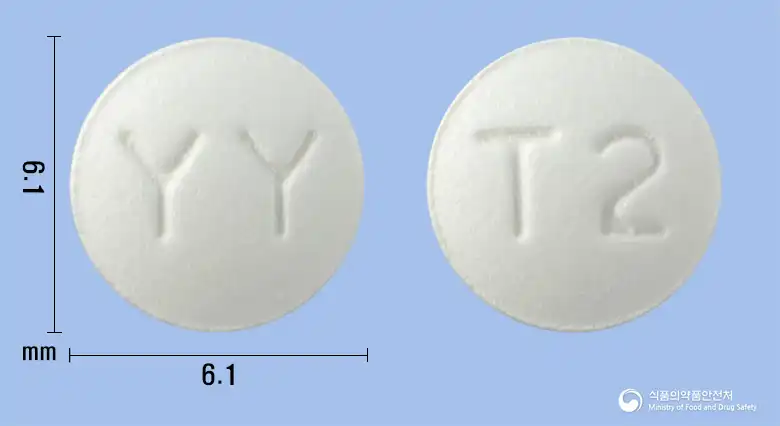
White, biconvex, round film-coated tablets
30 tablets/bottle, 300 tablets/bottle
Even with the same ingredient, strength, dosage form and how it is taken can differ.
Viewing nowTolterodine-L-Tartrate 2mg
Tablet · Prescription medication
Youyu Pharmaceutical Co., Ltd.
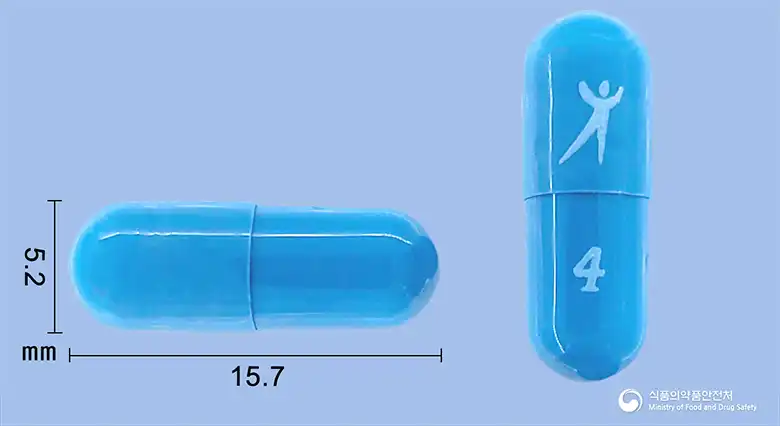
Tolterodine-L-Tartrate 4mg
Prescription medication
Viatris Korea Co., Ltd.
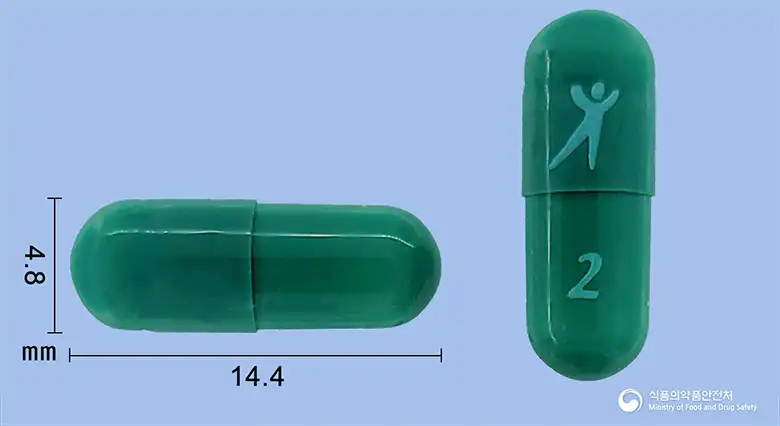
Tolterodine-L-Tartrate 2mg
Prescription medication
Viatris Korea Co., Ltd.
Tolterodine-L-Tartrate 2mg
Tablet · Prescription medication
Daewon Pharmaceutical Co., Ltd.
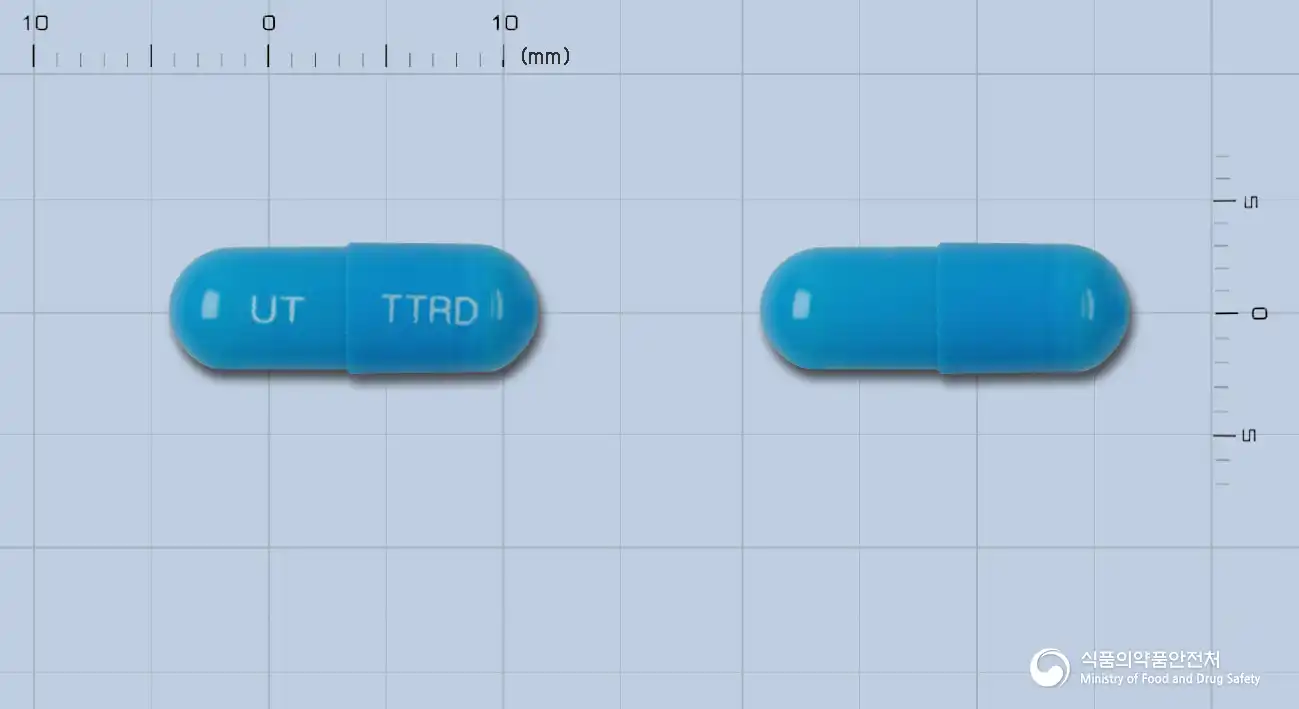
Tolterodine-L-Tartrate 4mg
Prescription medication
Korea United Pharm, Co., Ltd.
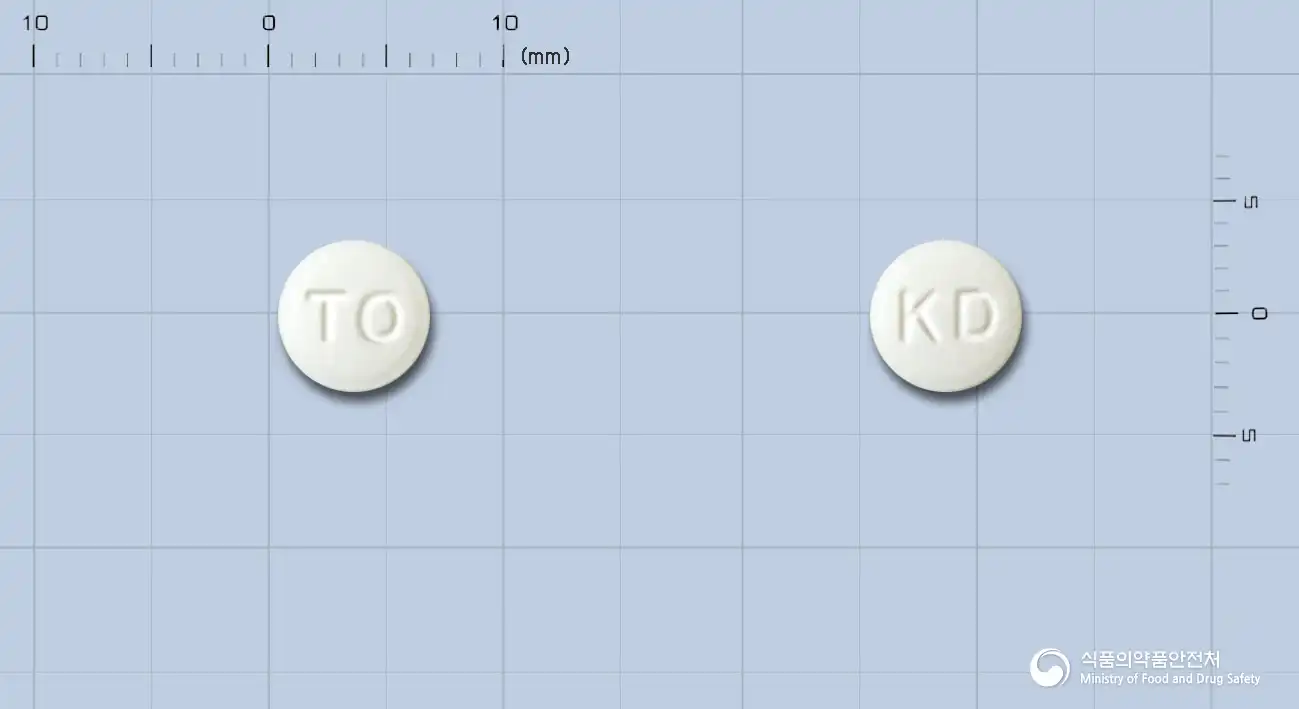
Tolterodine-L-Tartrate 2mg
Tablet · Prescription medication
Kyungdong Pharmaceutical Co., Ltd.
Tolterodine-L-Tartrate 4mg
Tablet · Prescription medication
Vynex Co., Ltd.
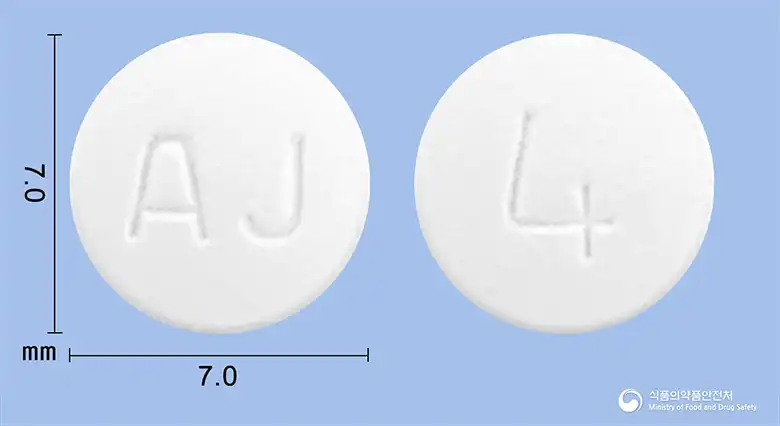
Tolterodine-L-Tartrate 4mg
Tablet · Prescription medication
Aju Pharmaceuticals Co., Ltd.
Even with the same ingredient, the dose and directions can differ by strength and dosage form. Talk to a doctor or pharmacist before switching from a medication you are already taking.
No questions yet.
For anything that needs medical judgment, consult a doctor or pharmacist.
This drug information is based on data provided by the Korea Ministry of Food and Drug Safety.
Consult a doctor or pharmacist for accurate dosage, administration, and usage instructions.