
 한국어
한국어 English
 日本語
日本語 中文(简体)
 Viewing now
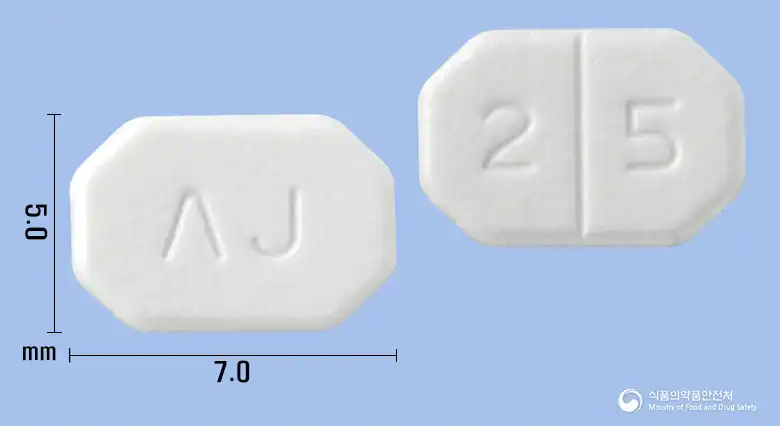
Estension Tablet 2.5 mg (Esamlodipine Besylate 2.5 Hydrate)
S-Amlodipine Besylate 2.5 Hydrate 3.74mg
Tablet · Prescription medication
Ajou Pharmaceutical Co., Ltd.
MFDS item code 201604159 · Approved 2016.07.05
Improvement of myocardial ischemia due to hypertension and coronary artery disease (stable angina, variant angina)
This medication helps control blood pressure in patients with hypertension. It is also used to treat myocardial ischemia resulting from stable angina due to fixed obstruction of the coronary arteries and variant angina caused by vascular spasm. With these effects, it contributes to improving blood flow to the heart and alleviates angina symptoms. Therefore, it is effective in treating hypertension and angina-related heart diseases.
This medication should be taken with a sufficient amount of water. Adults should take 2.5 mg of esamlodipine once daily orally and may increase to a maximum of 5 mg daily based on the patient's response. Adjust dosage as appropriate based on symptoms.
This medication should not be administered to certain patients. For instance, patients who have had allergic reactions to this drug or similar components, women who are pregnant or breastfeeding, patients in a state of cardiogenic shock, patients with severe aortic stenosis, patients with unstable angina, patients who have recently experienced myocardial infarction, patients with severe liver dysfunction, and patients with severe hypotension should not use this drug. Additionally, it should be used with caution in patients with very poor kidney function, the elderly, patients with acute heart failure, patients in hypertensive crisis, and patients with mild to moderate liver dysfunction. When taking this medication, various side effects may occur, the most common of which include flushing accompanied by facial redness or warmth, fatigue, swelling, palpitations, dizziness, headaches, abdominal pain, nausea, and drowsiness. Rarely, symptoms such as dry mouth or excessive sweating, excessively low blood pressure or dizziness, skin rash, liver dysfunction, and allergic reactions have also been reported. If these symptoms occur, you should consult a physician immediately. This medication may worsen symptoms if stopped suddenly; therefore, do not discontinue use without consulting a physician and taper off the dosage gradually. When taking it, consume it with sufficient water, as blood pressure may decrease, so be cautious when driving or operating dangerous machinery. When taken with other medications, interactions can occur, so it is especially important to consult with a physician or pharmacist when used with certain antibiotics, antihypertensive drugs, antidepressants, or nitrates. During pregnancy or breastfeeding, the safety of this drug has not been established, so it is recommended to avoid use, and if breastfeeding, to discontinue breastfeeding. In children, effects have been reported for those aged 6 and older, but safety and efficacy have not been confirmed for children under 6 years old. In the elderly, the drug's concentration in the body may increase, so starting at a lower dose and using cautiously is advisable. In the case of overdose, severe hypotension, cardiac arrhythmia, and shock state may occur; immediate emergency treatment is necessary, and if needed, detoxification measures through gastric lavage or medication administration should be taken. Finally, this medication should be stored out of reach of children and transferring it to other containers should be avoided.
Hives, severe swelling, chest tightness, difficulty breathing, cold sweat, paleness, severe allergic reactions, severe rash with high fever, blisters, skin peeling, pain in mouth/eye mucous membranes, severe skin reaction, shortness of breath or difficulty breathing, asthma attacks, respiratory changes accompanied by cough and fever, respiratory problems, yellowing of skin or eyes (jaundice), extreme lethargy, liver abnormalities, sudden and very severe
Not everyone experiences these, and they can vary from person to person.
This medication should be stored in a tightly closed container to protect it from air and moisture. Additionally, it is best to store the medication at room temperature between 1 to 30 degrees Celsius, in a place that is neither too hot nor too cold.
White octagonal tablet
30 tablets, 300 tablets
Even with the same ingredient, strength, dosage form and how it is taken can differ.
Viewing nowS-Amlodipine Besylate 2.5 Hydrate 3.74mg
Tablet · Prescription medication
Ajou Pharmaceutical Co., Ltd.
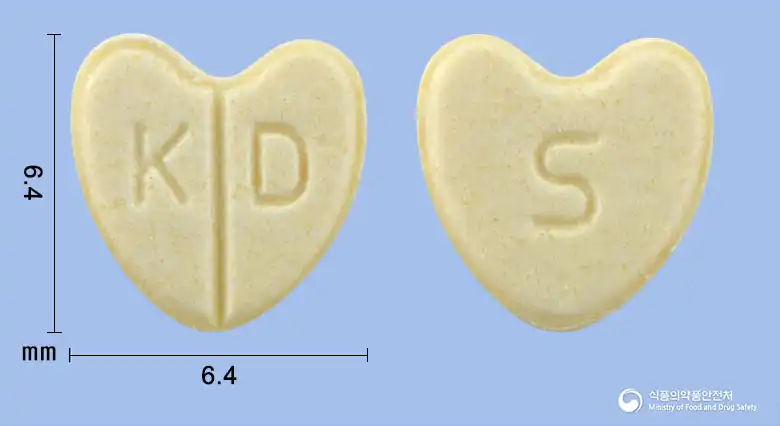
S-Amlodipine Besylate 2.5 Hydrate 3.74mg
Tablet · Prescription medication
Kwangdong Pharmaceutical Co., Ltd.
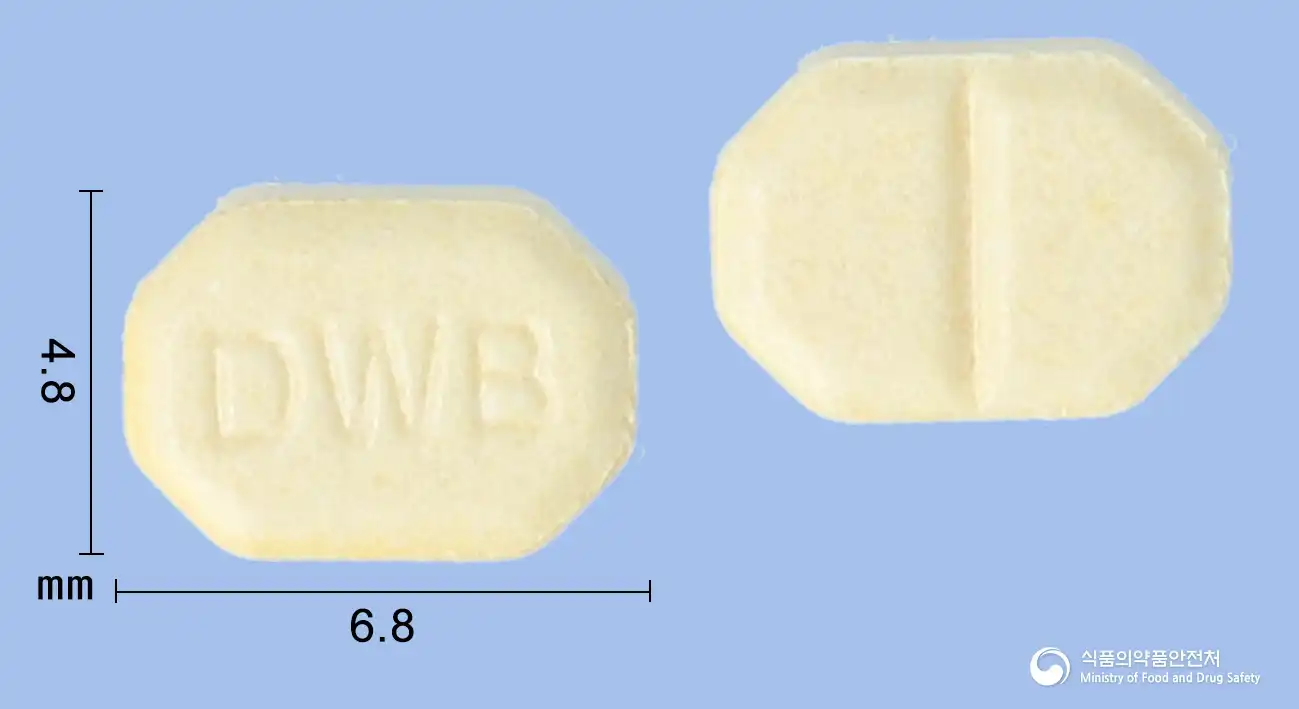
S-Amlodipine Besylate 2.5 Hydrate 3.69mg
Tablet · Prescription medication
Daewoong Bio Co., Ltd.
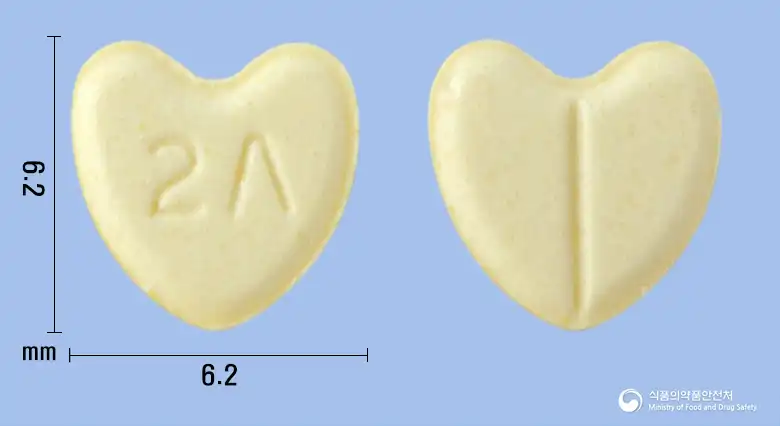
S-Amlodipine Besylate 2.5 Hydrate 3.74mg
Tablet · Prescription medication
Daiwon Pharmaceutical Co., Ltd.
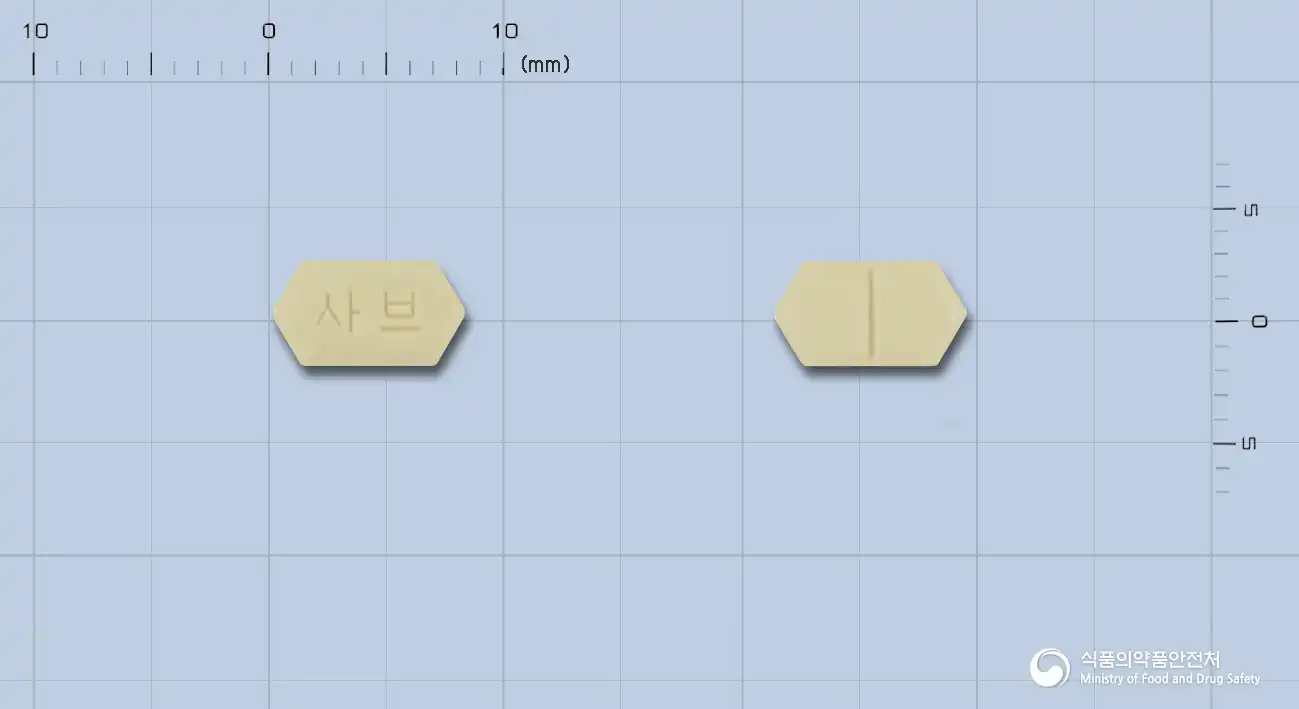
S-Amlodipine Besylate 2.5 Hydrate 3.74mg
Tablet · Prescription medication
Ilsung IS Co., Ltd.
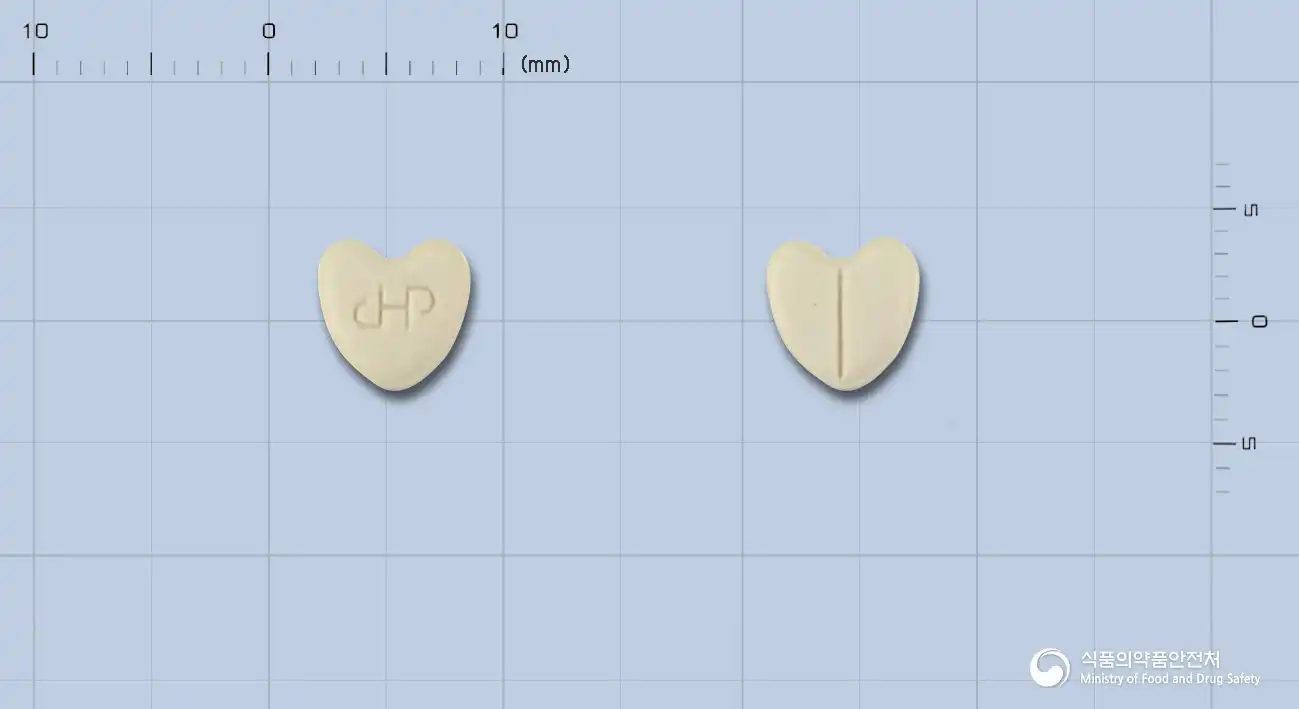
S-Amlodipine Besylate 2.5 Hydrate 3.74mg
Tablet · Prescription medication
Daehwa Pharmaceutical Co., Ltd.
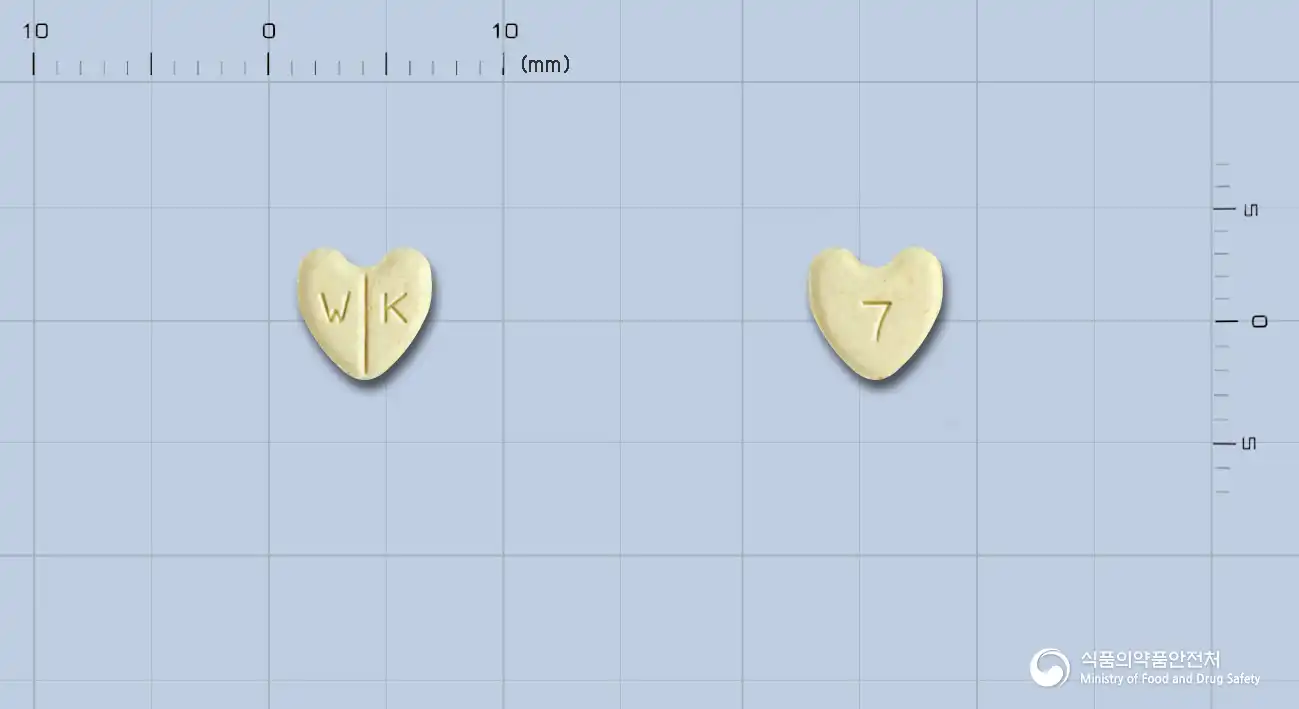
S-Amlodipine Besylate 2.5 Hydrate 3.74mg
Tablet · Prescription medication
Austin Pharmaceutical Co., Ltd.
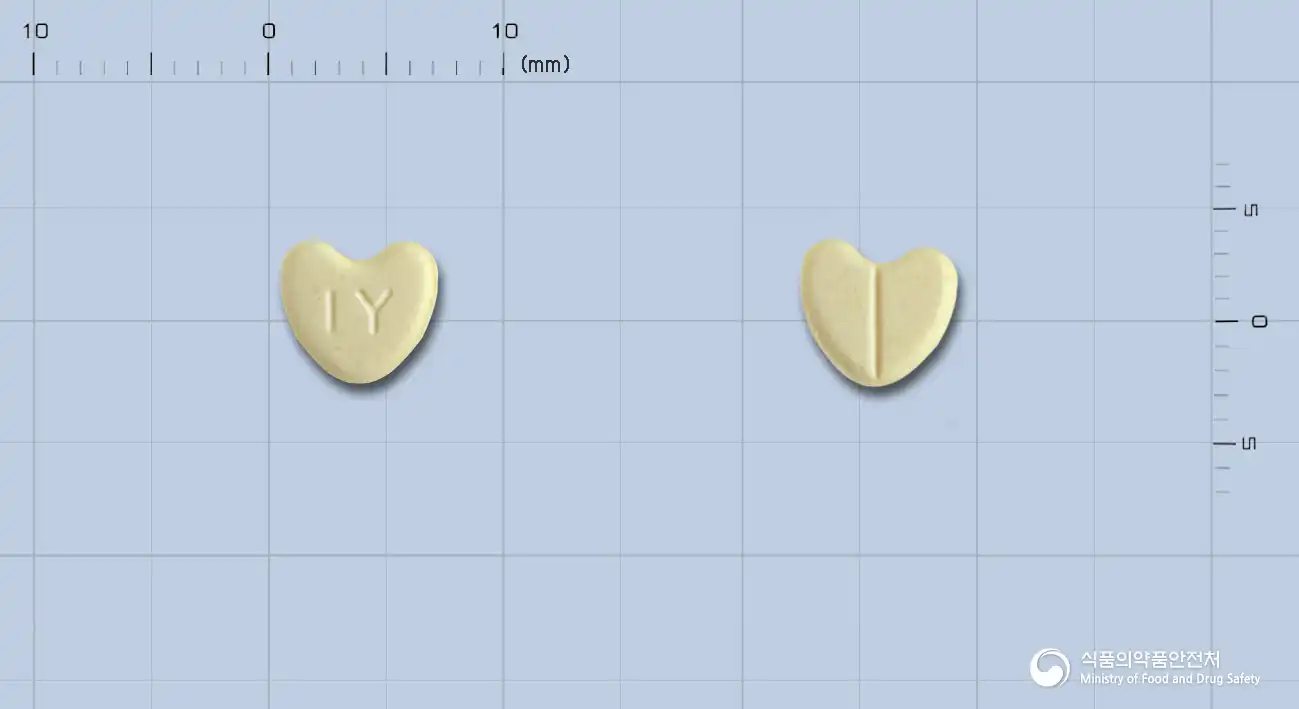
S-Amlodipine Besylate 2.5 Hydrate 3.74mg
Tablet · Prescription medication
Il Yang Pharmaceutical Co., Ltd.
Even with the same ingredient, the dose and directions can differ by strength and dosage form. Talk to a doctor or pharmacist before switching from a medication you are already taking.
No questions yet.
For anything that needs medical judgment, consult a doctor or pharmacist.
This drug information is based on data provided by the Korea Ministry of Food and Drug Safety.
Consult a doctor or pharmacist for accurate dosage, administration, and usage instructions.