
 한국어
 English
 日本語
 中文(简体)
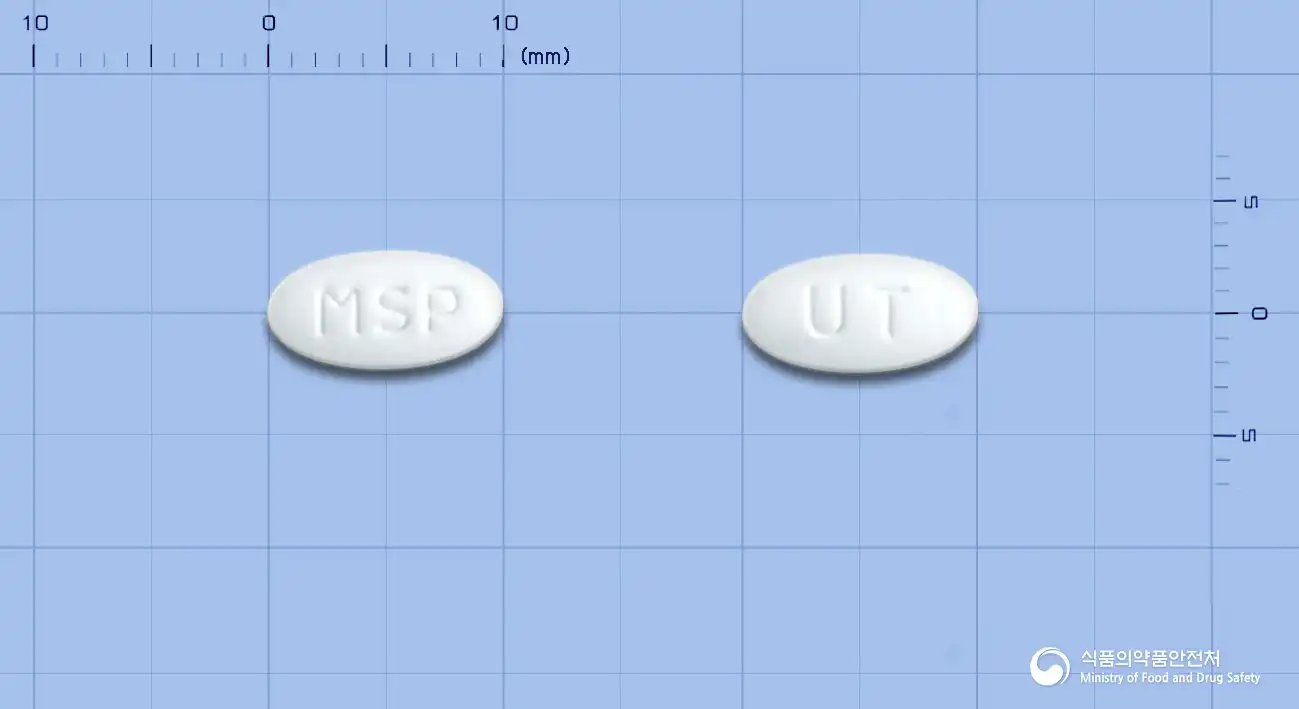 Viewing now
Gastin CR Tablets (Mosapride Citrate Hydrate)
Mosapride Citrate Dihydrate 5.29mg
Tablet · Prescription medication
Korea United Pharm, Inc.
MFDS item code 201604113 · Approved 2016.06.30 · Insurance code 644309090
Relief of gastrointestinal symptoms (heartburn, nausea, etc.) caused by functional dyspepsia
This medication is used to relieve gastrointestinal symptoms such as heartburn, nausea, and vomiting that occur due to functional dyspepsia.
Adults: Administer 15 mg of mosapride citrate anhydrous orally once daily. Take this drug on an empty stomach, avoiding meals (see “2. General Precautions, item 2” under Precautions for Use). Since this drug is an extended-release formulation, do not take it by breaking, crushing, or chewing it; swallow the tablet whole.
This medicine contains lactose and should not be used by patients with genetic disorders such as galactose intolerance, Lapp lactase deficiency, or glucose-galactose malabsorption. While taking this medication, side effects such as diarrhea, nausea, dry mouth, and fatigue may occur, and in severe cases, liver dysfunction or jaundice may occur, so if symptoms arise, immediate consultation with a physician is advised. Rare reports of rash, urticaria, eosinophilia, blood abnormalities, gastrointestinal symptoms, palpitations, dizziness, and headache have been noted. Clinical trials and post-marketing surveys have reported cases of abdominal pain, dyspepsia, diarrhea, nausea, and excessive milk secretion as side effects, so if these symptoms persist or worsen, consultation with healthcare professionals should be sought. This medication can alter blood concentration when taken with food, so it is recommended to take it on an empty stomach. Taking it with anticholinergics may reduce the effectiveness of this medication, so caution is needed when combined. Women who are pregnant or may become pregnant should use it only after carefully considering the need and risks of treatment, and it is advisable to avoid taking it while breastfeeding or to discontinue breastfeeding if possible. Safety in children has not been established; therefore, it is preferable not to use it in children. Elderly patients may have impaired renal and hepatic function, so their condition should be monitored closely, and dosages should be adjusted as necessary. This medication should be stored in a secure place out of reach of children, and it is better to avoid transferring it to another container to maintain quality. Animal studies have shown an increased risk of tumor formation in the liver and thyroid after prolonged high-dose administration, so excessive prolonged use should be avoided.
Not everyone experiences these, and they can vary from person to person.
This medication should be stored in an airtight, tightly sealed container, and it is better to keep it at a temperature between 1 degree and 30 degrees Celsius. This helps maintain the drug's efficacy and prevent degradation.
White oval shaped sustained-release film-coated tablet
For domestic use: 300 tablets/bottle, 30 tablets/bottle For export: 30 tablets/PTP (10 tablets x 3), 10 tablets/PTP (10 tablets x 1)
Even with the same ingredient, strength, dosage form and how it is taken can differ.
Viewing nowMosapride Citrate Dihydrate 5.29mg
Tablet · Prescription medication
Korea United Pharm, Inc.
Mosapride Citrate Dihydrate 5.29mg
Prescription medication
Daewoong Pharmaceutical Co., Ltd.
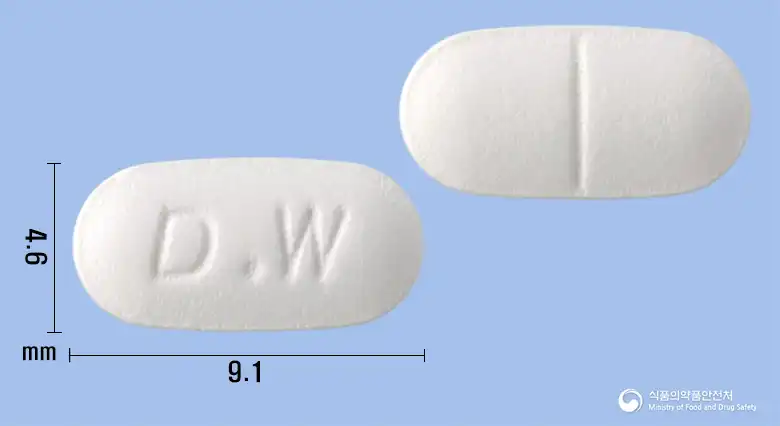
Mosapride Citrate Dihydrate 5.29mg
Tablet · Prescription medication
Daewoong Pharmaceutical Co., Ltd.
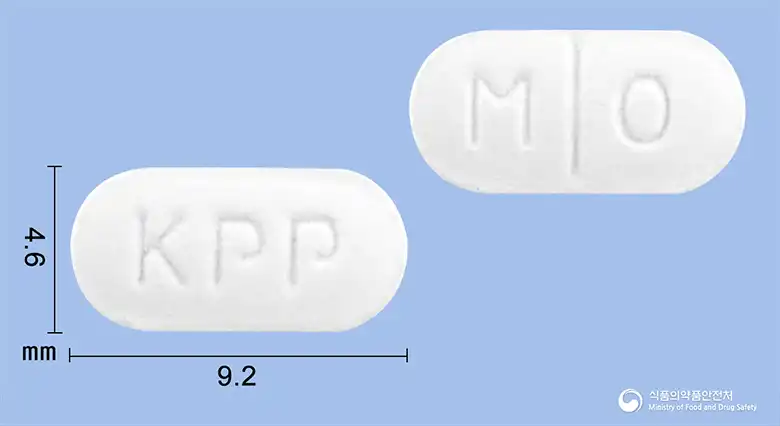
Mosapride Citrate Dihydrate 5.29mg
Tablet · Prescription medication
Korea Prime Pharmaceutical Co., Ltd.
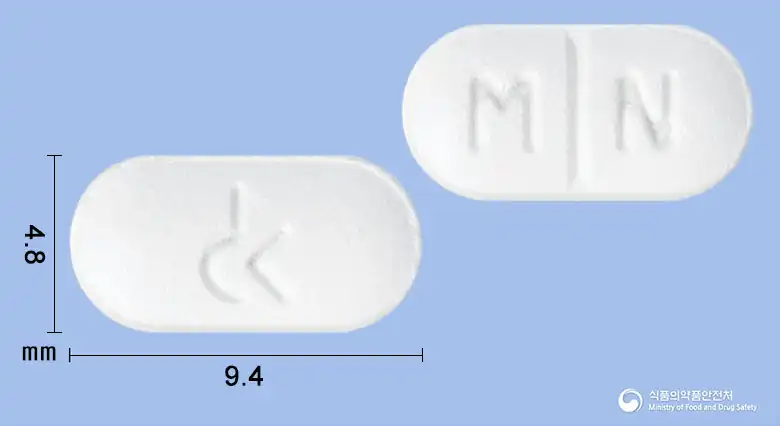
Mosapride Citrate Dihydrate 5.29mg
Tablet · Prescription medication
Dongkuk Pharmaceutical Co., Ltd.
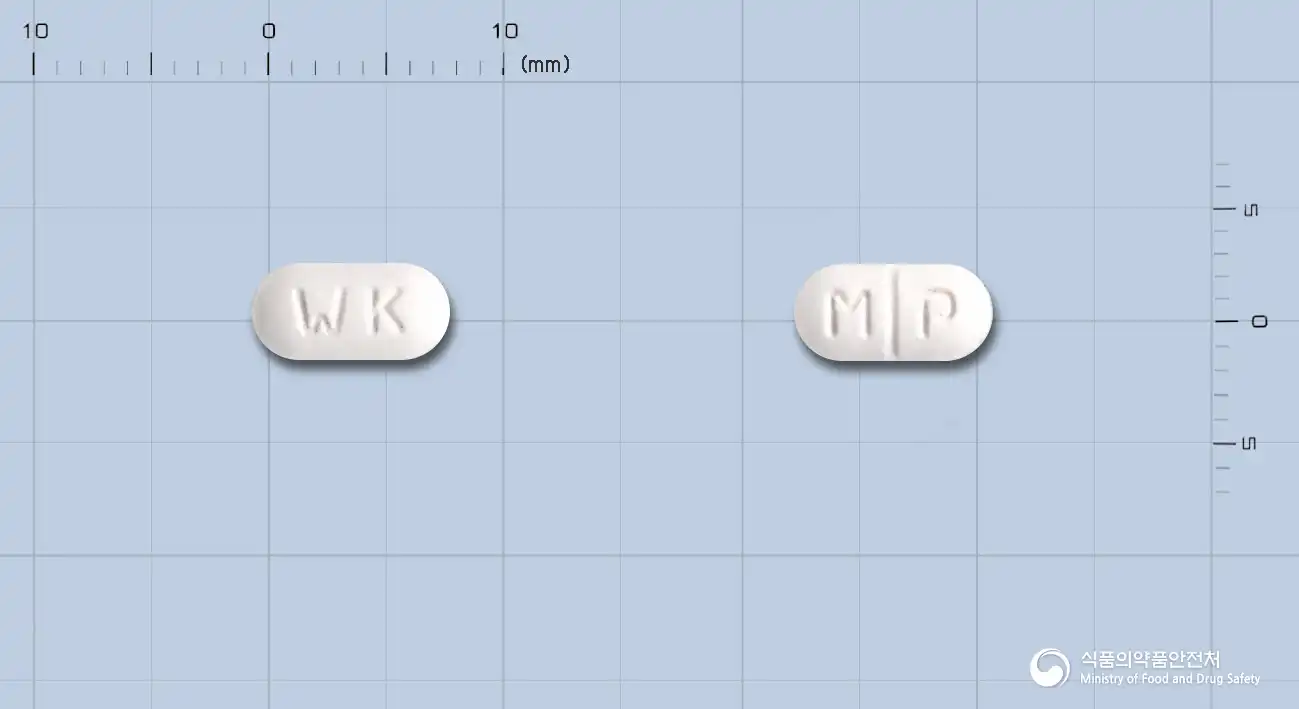
Mosapride Citrate Dihydrate 5.29mg
Tablet · Prescription medication
Austin Pharmaceutical Co., Ltd.
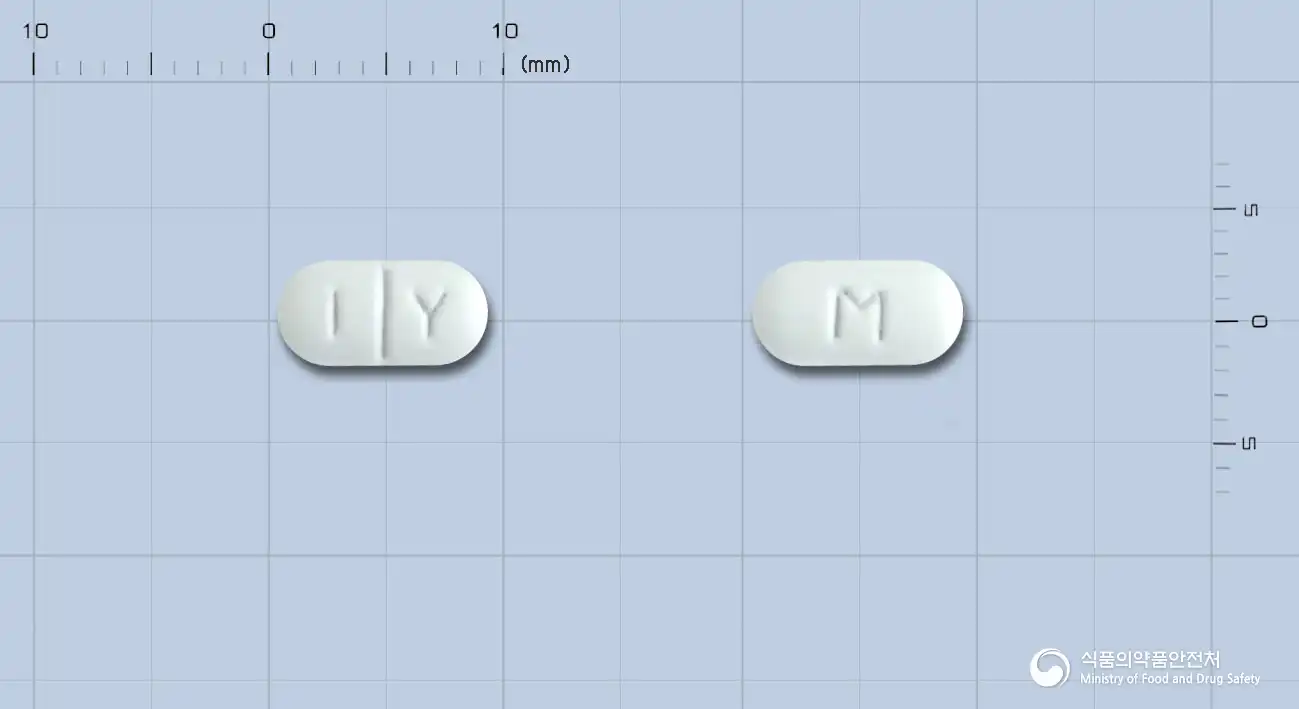
Mosapride Citrate Dihydrate 5.29mg
Tablet · Prescription medication
Il-Yang Pharmaceutical Co., Ltd.
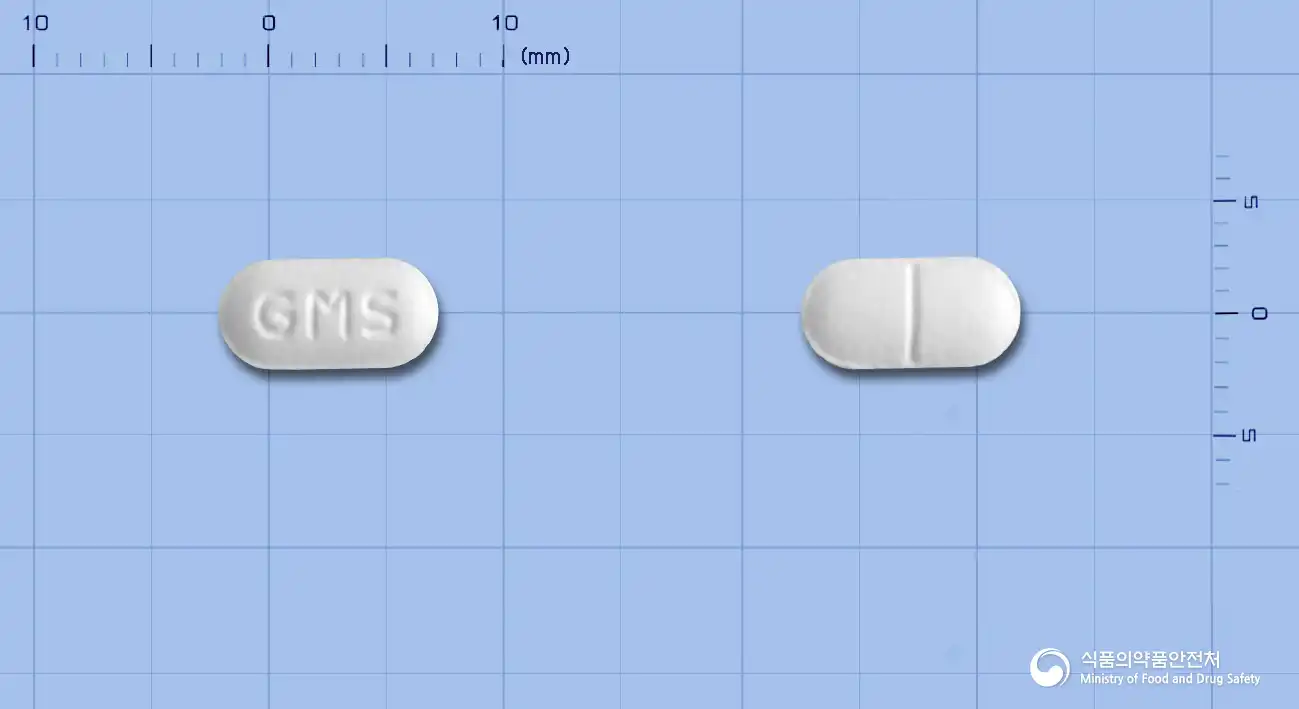
Mosapride Citrate Dihydrate 5.29mg
Tablet · Prescription medication
Kujoo Pharmaceutical Co., Ltd.
Even with the same ingredient, the dose and directions can differ by strength and dosage form. Talk to a doctor or pharmacist before switching from a medication you are already taking.
No questions yet.
For anything that needs medical judgment, consult a doctor or pharmacist.
This drug information is based on data provided by the Korea Ministry of Food and Drug Safety.
Consult a doctor or pharmacist for accurate dosage, administration, and usage instructions.