
 한국어
한국어 English
 日本語
日本語 中文(简体)
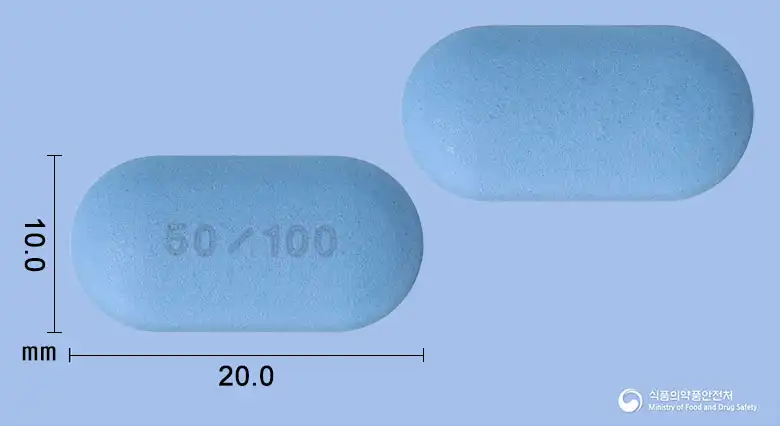 Viewing nowCombination
Dubimet Extended-Release Tablet 0.5/1000 mg
Metformin Hydrochloride 1000mg · Lobeglitazone Sulfate 0.5mg
Tablet · Prescription medication · Combination
Jongkundang Co., Ltd.
MFDS item code 201604112 · Approved 2016.06.30 · Insurance code 643307480
Improvement of blood sugar control in adult type 2 diabetes
This medication is used to help control blood sugar levels by complementing diet and exercise in adults with type 2 diabetes. It is especially prescribed for patients whose blood sugar control is insufficient with metformin monotherapy, and it can also be used for patients who are transitioning from a combination therapy of rosiglitazone and metformin. In other words, this medication helps effectively improve blood sugar levels.
This medication is generally administered once daily with the evening meal. The 0.5/1000 mg extended-release tablet is taken as one tablet daily. Patients taking the 0.25/500 mg, 0.25/750 mg, and 0.25/1000 mg extended-release tablets should take two tablets simultaneously once daily. For patients unable to achieve sufficient blood sugar control with metformin monotherapy, the initial dose is rosiglitazone 0.5 mg once daily.
This medication should not be used in patients with weak heart function, especially if there are symptoms of heart failure, and medical attention is required. During treatment, careful observation for signs of heart failure such as weight change, shortness of breath, and edema should be conducted. If symptoms of heart failure occur, appropriate tests and treatment adjustments may be necessary, and discontinuation of this medication may be required. It should not be administered to patients with severely impaired kidney function, liver dysfunction, acute infections, or severe trauma. It is also advised that pregnant or nursing women avoid taking this medication. This medication can cause a rare but serious side effect known as lactic acidosis; therefore, dehydration, vomiting, diarrhea, and excessive alcohol consumption should be avoided while taking it. Additionally, caution is needed since there is a risk of hypoglycemia when used in conjunction with other medications that lower blood sugar. Weight gain or edema may occur during treatment, thus regular medical consultations are necessary to check for abnormal symptoms. This medication may affect liver and kidney function, necessitating regular blood tests and kidney function assessments. Vitamin B12 levels may also decrease, so testing and supplementation may be required as necessary. In specific circumstances such as surgery or radiation tests, this medication may need to be temporarily discontinued, and consultation with a physician is essential before resuming. Its safety and efficacy have not been adequately confirmed in children and the elderly, so caution should be exercised. In case of overdose, seek medical help immediately for proper treatment, and blood dialysis may be beneficial. Patients should not change or discontinue dosage without consulting a physician and need to be attentive to drug interactions. It is normal for the tablet shell to be excreted in feces, so continue taking the medication knowing this.
Edema, symptoms and signs of heart failure, lactic acidosis, severe allergic reactions, severe skin reactions, shortness of breath, asthma attacks, respiratory distress with cough and fever, jaundice, liver abnormalities, sudden and severe headaches, seizures, confusion, visual disturbances, paralysis, decreased urine output, severe edema, elevated blood pressure, acute kidney failure, acute respiratory distress syndrome, myocardial infarction, sepsis, brainstem infarction, brain aneurysm, subdural hematoma, platelet abnormalities,
Not everyone experiences these, and they can vary from person to person.
This medication may be sensitive to air or moisture, so it should be stored in a tightly sealed container. It is best to maintain a storage temperature between 1 and 30 degrees Celsius to preserve the drug's efficacy.
Blue rectangular extended-release film-coated tablet
Bottle packaging - 30 tablets/bottle
Even with the same ingredient, strength, dosage form and how it is taken can differ.
Viewing nowCombinationMetformin Hydrochloride 1000mg · Lobeglitazone Sulfate 0.5mg
Tablet · Prescription medication · Combination
Jongkundang Co., Ltd.
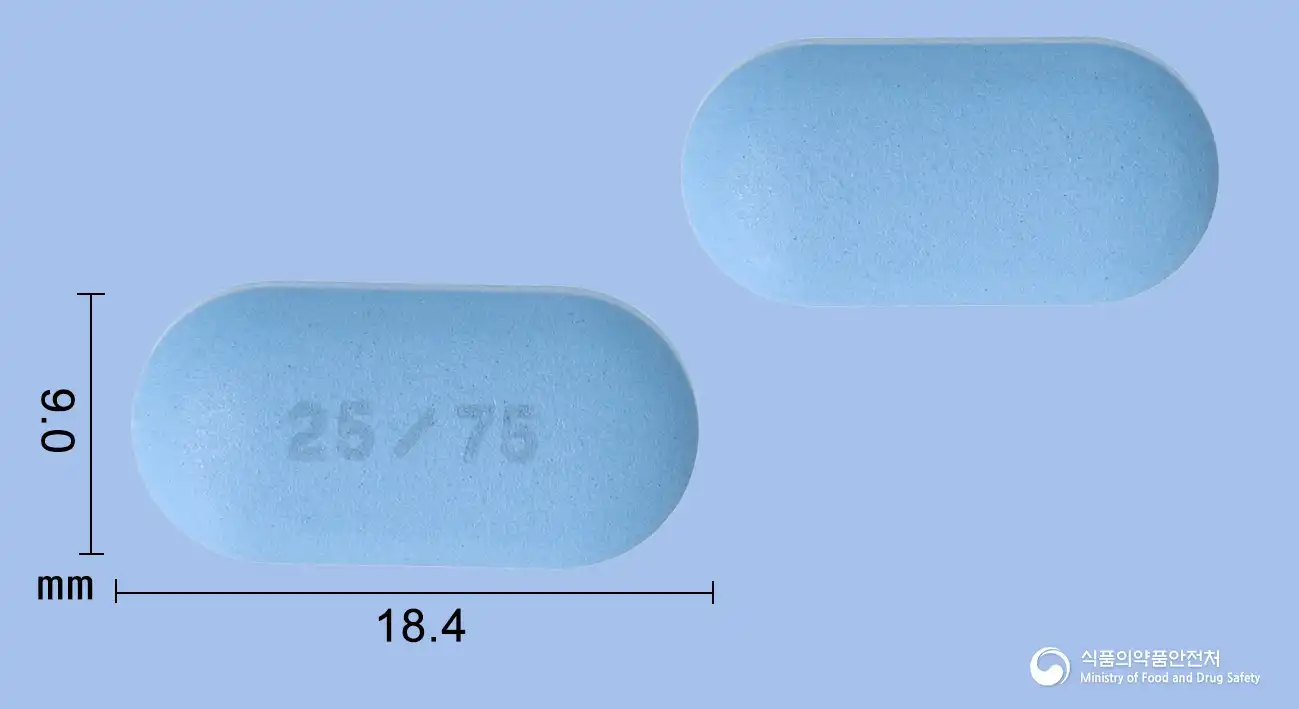 Combination
Metformin Hydrochloride 750mg · Lobeglitazone Sulfate 0.25mg
Tablet · Prescription medication · Combination
Jongkundang Co., Ltd.
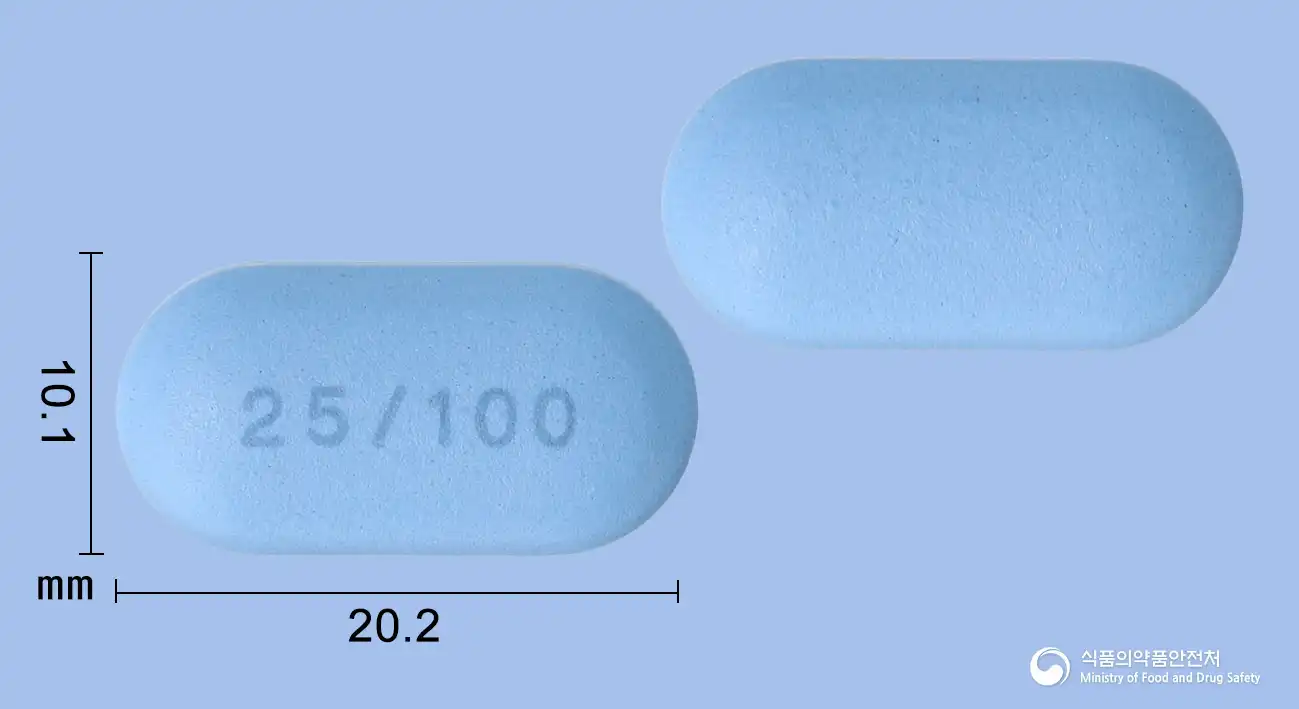 Combination
Metformin Hydrochloride 1000mg · Lobeglitazone Sulfate 0.25mg
Tablet · Prescription medication · Combination
Jongkundang Co., Ltd.
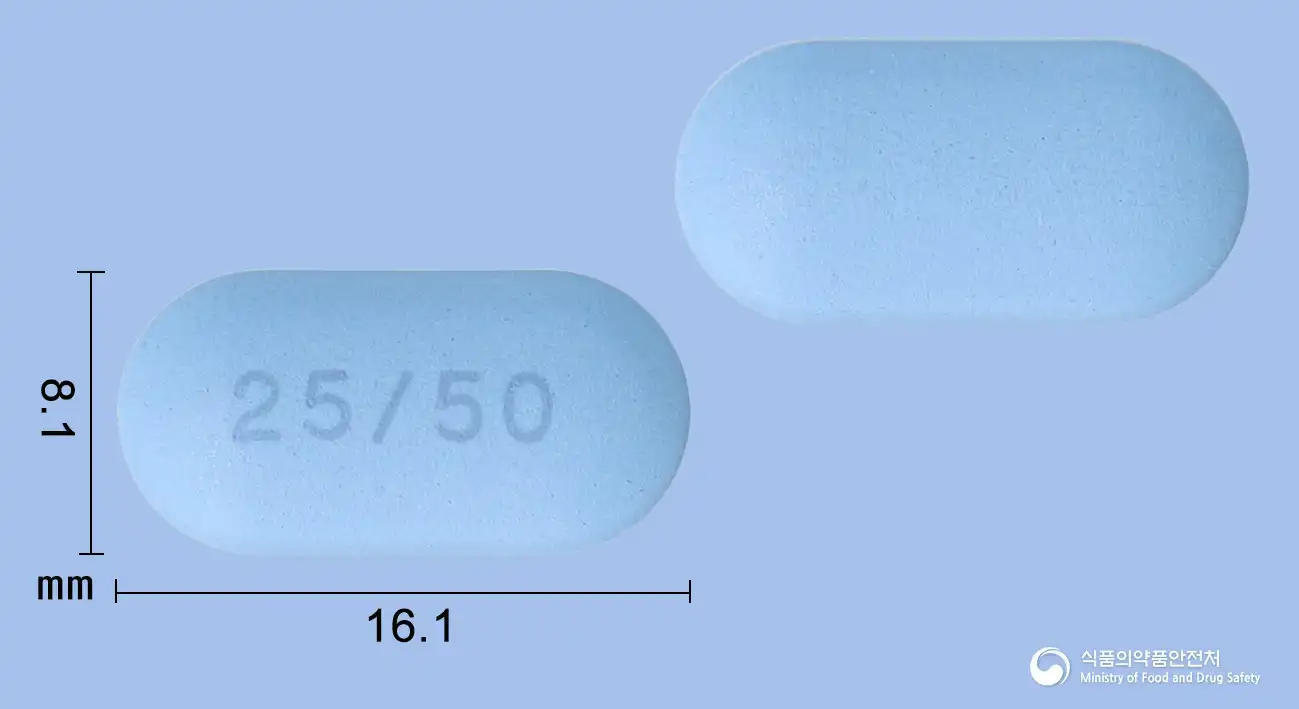 Combination
Metformin Hydrochloride 500mg · Lobeglitazone Sulfate 0.25mg
Tablet · Prescription medication · Combination
Jongkundang Co., Ltd.
Even with the same ingredient, the dose and directions can differ by strength and dosage form. Talk to a doctor or pharmacist before switching from a medication you are already taking.
No questions yet.
For anything that needs medical judgment, consult a doctor or pharmacist.
This drug information is based on data provided by the Korea Ministry of Food and Drug Safety.
Consult a doctor or pharmacist for accurate dosage, administration, and usage instructions.