
 한국어
 English
 日本語
 中文(简体)
 Viewing now
Alfural XL Tablets (Alfuzosin Hydrochloride)
Alfuzosin Hydrochloride 5mg
Tablet · Prescription medication
Daewon Pharmaceutical Co., Ltd.
MFDS item code 201604032 · Approved 2016.06.28 · Insurance code 671806170
Treatment of symptoms of benign prostatic hyperplasia, and catheter-assisted treatment of associated acute urinary retention
This medication is used to treat various functional symptoms caused by benign prostatic hyperplasia and serves as an adjunct for catheter treatment during acute urinary retention. It is effective in alleviating symptoms such as difficulty in urination due to prostatic hyperplasia, and it is used effectively along with catheter insertion in acute urinary retention cases. This treatment helps relieve symptoms in patients and improves their quality of life.
The recommended dose is 10mg once daily, taken immediately after the evening meal. Do not chew; swallow whole. When administered as adjunctive therapy to a catheter for acute urinary retention associated with benign prostatic hyperplasia, the recommended dose is 10mg once daily, taken after a meal starting on the first day of catheterization. Take for 2-3 days while the catheter is in place and for 1 day after catheter removal, for a total of 3-4 days.
This medication contains the ingredient alfuzosin and should not be used in certain patients. Patients allergic to alfuzosin or any other component of this medication, those with orthostatic hypotension, patients with severely impaired liver function, patients with significantly reduced kidney function (creatinine clearance less than 30 mL/min), patients with intestinal obstruction, patients already taking other alpha-blockers, and those on strong CYP3A4 inhibitors should not use this medication. Moreover, some patients, particularly those being treated for hypertension, may experience symptoms such as dizziness, fatigue, and sweating due to orthostatic hypotension within a few hours after the first dose. When such symptoms occur, it is necessary to lie down and rest, and extra caution is required, particularly for older patients. These symptoms are generally temporary and do not require stopping the treatment, but patients taking heart disease medications or other antihypertensives should be cautious due to the risk of significant blood pressure drop. Patients with symptoms of orthostatic hypotension or those taking antihypertensives or nitrate medications should be administered this medication cautiously, and it should not be used alone in patients with coronary artery disease. If symptoms of angina pectoris recur or worsen, medication should be discontinued immediately. Additionally, it should be used carefully in patients with congenital or acquired QT interval prolongation or those taking medications that prolong the QT interval. Common side effects may include dizziness, headache, nausea, abdominal pain, constipation, and fatigue, while rare side effects may include skin rash, angioedema, and erectile dysfunction. Moreover, this medication may rarely cause a complication called intraoperative floppy iris syndrome during cataract surgery, so patients planning surgery should inform their doctor. When taking this medication, do not crush or chew the tablets; it should be swallowed whole. Patients with previous experience taking other alpha-blockers should be cautious due to the risk of hypotension. Rarely, priapism (persistent erection) may occur, and patients should be adequately informed about this. This medication may increase the hypotensive effect or drug concentration when taken with certain antihypertensives or strong CYP3A4 inhibitors, so concurrent use should be avoided or done with caution. This medication has no indications for use in pregnant or breastfeeding women, nor is it used in pediatric patients. Patients may experience dizziness or weakness during treatment, so caution is required when driving or operating machinery. In case of overdose, hospitalization may be necessary to maintain a lying position and receive hypotension treatment, and this medication is not removed by dialysis. Finally, keep this medication out of reach of children and do not transfer it to another container for safety.
Not everyone experiences these, and they can vary from person to person.
This medication may be sensitive to air or moisture; therefore, it should be stored in a tightly closed container. It is best to maintain a storage temperature between 1 and 30 degrees Celsius at room temperature to safely preserve the efficacy of the medication.
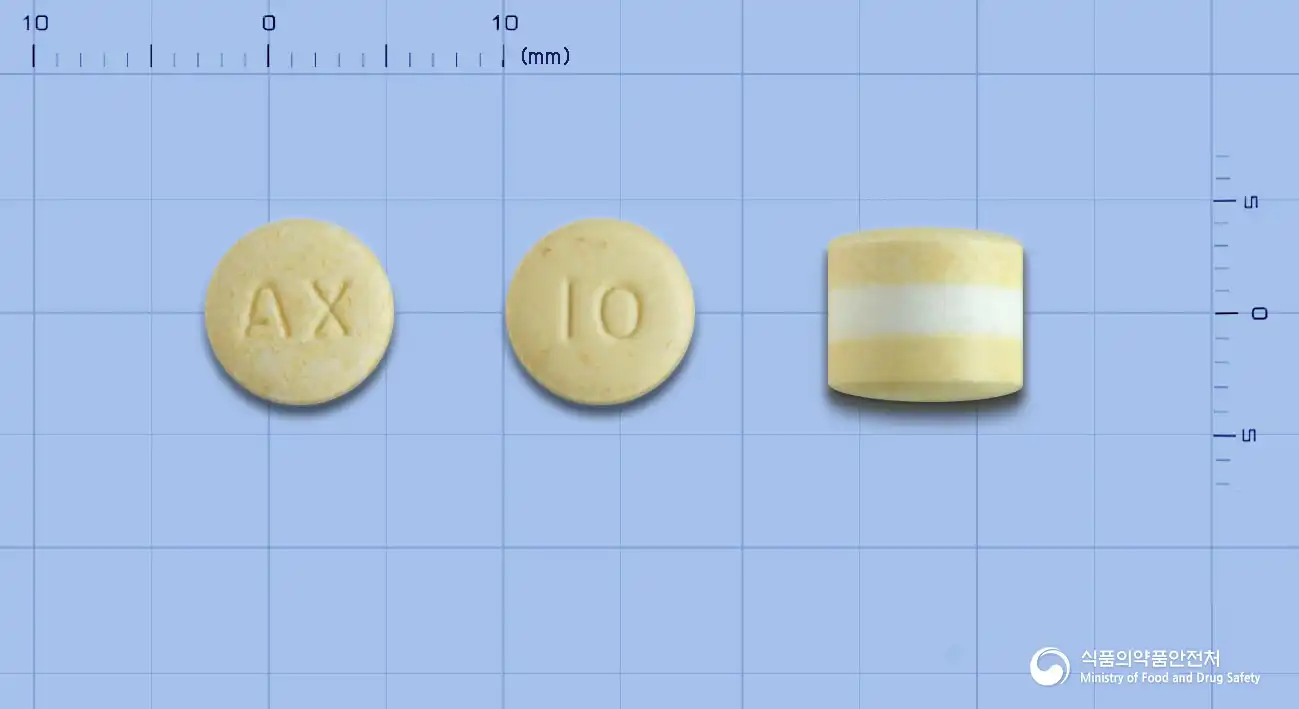
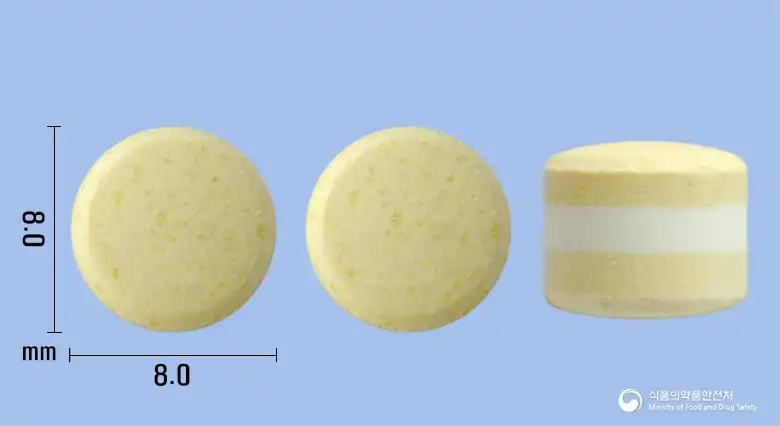
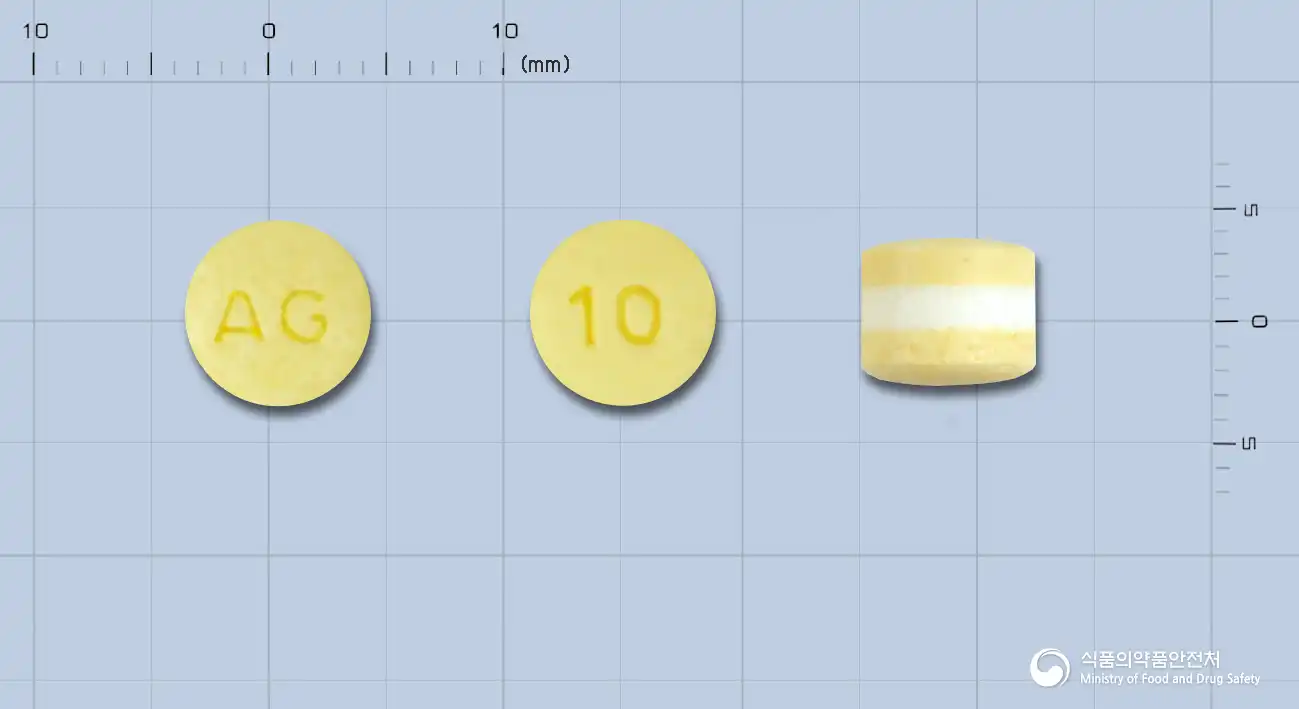
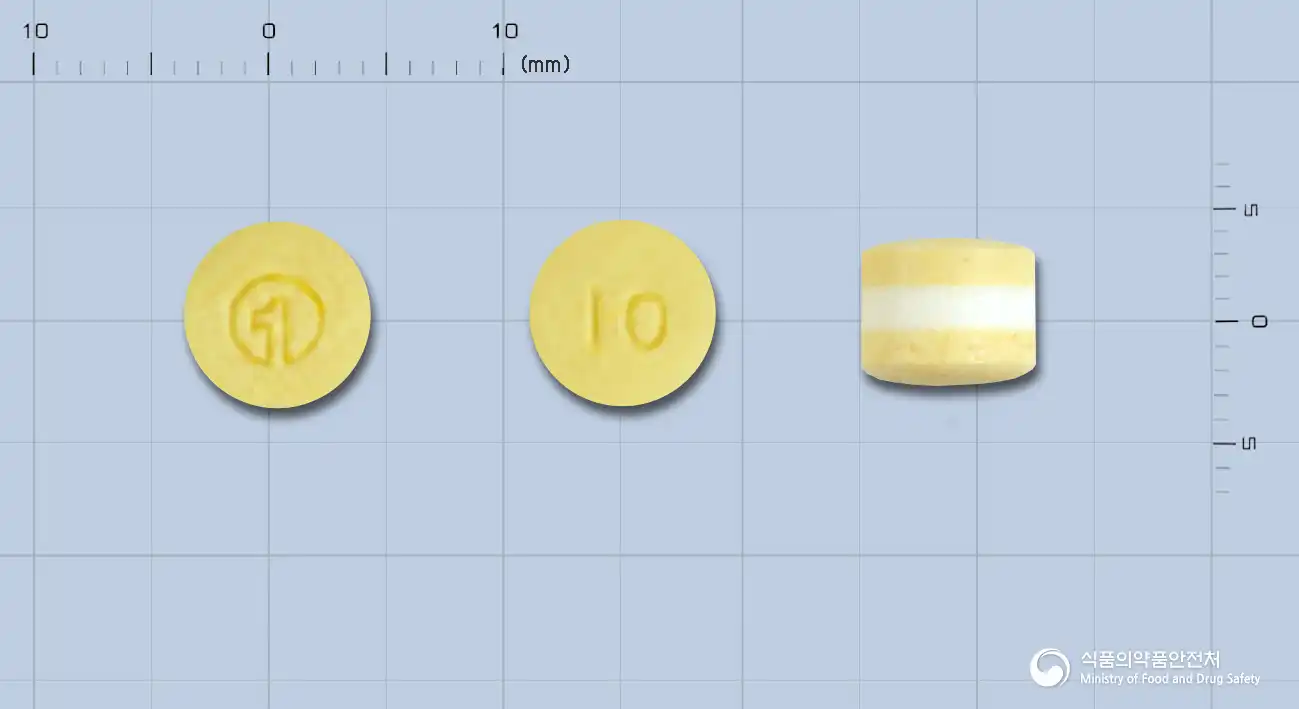
This medication consists of a three-layer film-coated tablet with two yellow layers sandwiching one white layer, both sides convex.
30 tablets/bottle
Even with the same ingredient, strength, dosage form and how it is taken can differ.
Viewing nowAlfuzosin Hydrochloride 5mg
Tablet · Prescription medication
Daewon Pharmaceutical Co., Ltd.
Alfuzosin Hydrochloride 10mg
Tablet · Prescription medication
Handok Co., Ltd.
Alfuzosin Hydrochloride 5mg
Tablet · Prescription medication
Ahn-Gook Pharmaceutical Co., Ltd.
Alfuzosin Hydrochloride 5mg
Tablet · Prescription medication
Korea Pharmaceutical Co., Ltd.
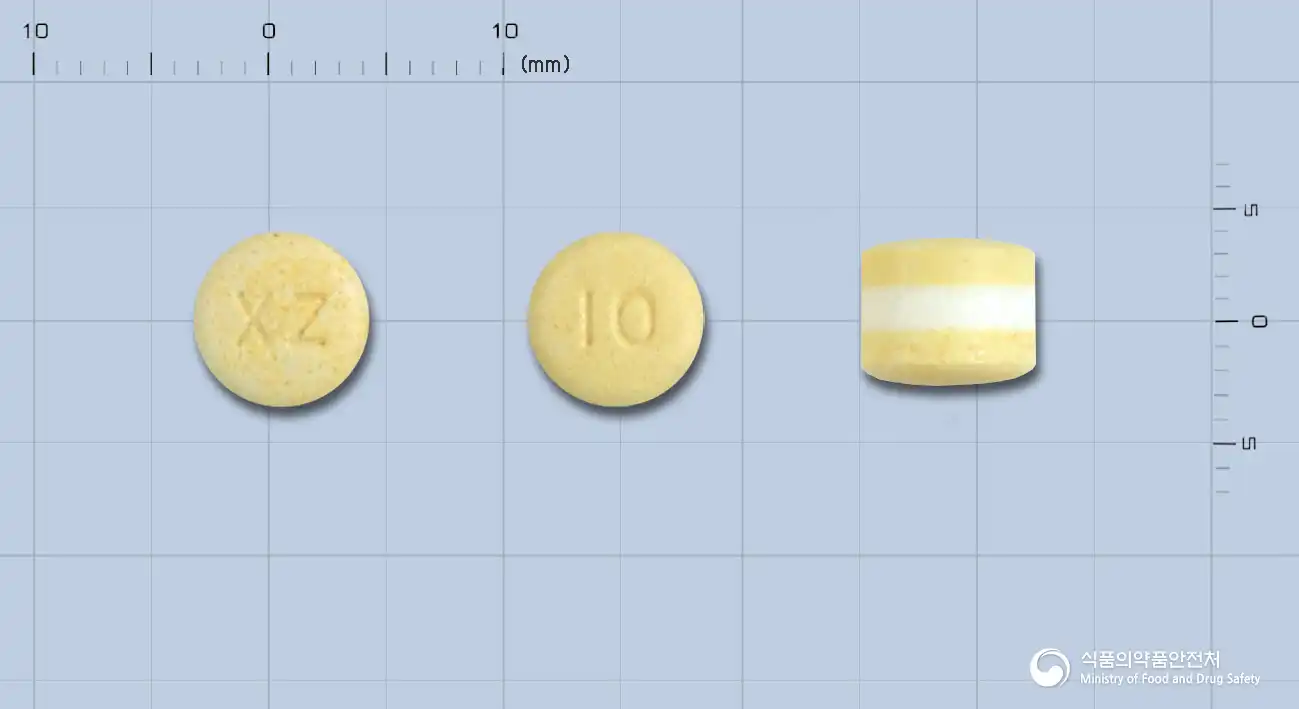
Alfuzosin Hydrochloride 5mg
Tablet · Prescription medication
Dongkwang Pharmaceutical Co., Ltd.
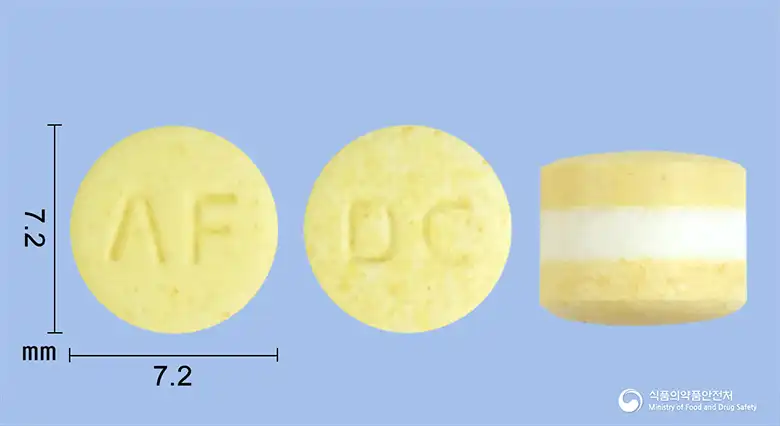
Alfuzosin Hydrochloride 5mg
Tablet · Prescription medication
Dong Gu Bio Pharmaceutical Co., Ltd.
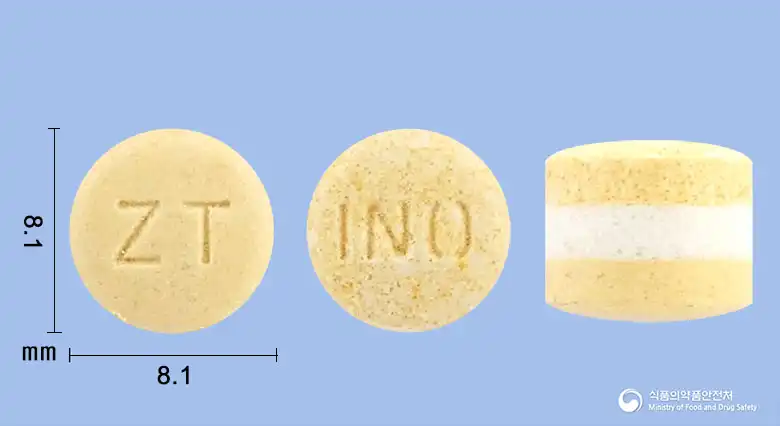
Alfuzosin Hydrochloride 5mg
Tablet · Prescription medication
HK inno.N Co., Ltd.
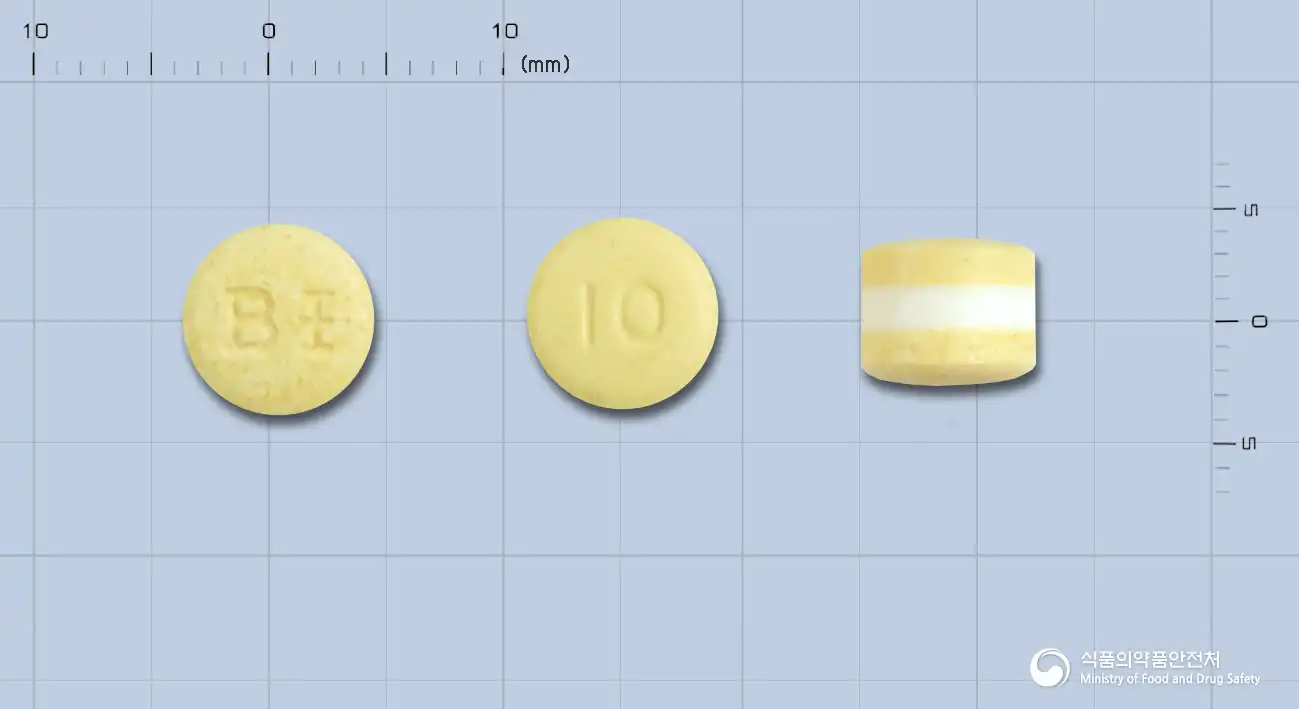
Alfuzosin Hydrochloride 5mg
Tablet · Prescription medication
Bionex Co., Ltd.
Even with the same ingredient, the dose and directions can differ by strength and dosage form. Talk to a doctor or pharmacist before switching from a medication you are already taking.
No questions yet.
For anything that needs medical judgment, consult a doctor or pharmacist.
This drug information is based on data provided by the Korea Ministry of Food and Drug Safety.
Consult a doctor or pharmacist for accurate dosage, administration, and usage instructions.