
 한국어
 English
 日本語
 中文(简体)
 Viewing now
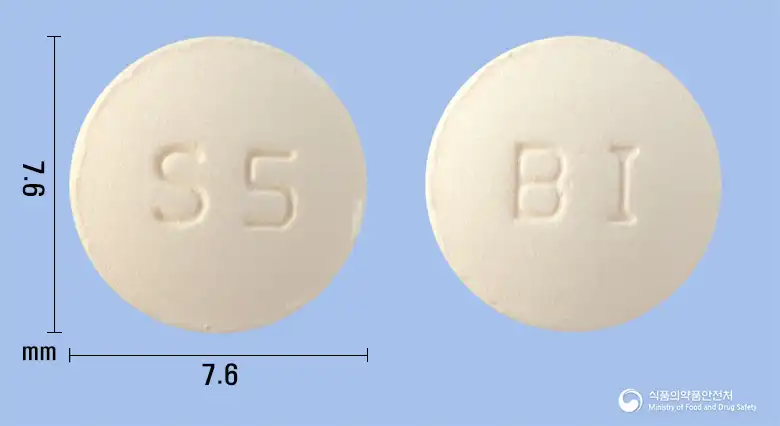
Solicon 5 mg (Solfenacin Succinate)
Solifenacin Succinate 5mg
Tablet · Prescription medication
Bionex Co., Ltd.
MFDS item code 201604008 · Approved 2016.06.28 · Insurance code 643104250
Treatment of overactive bladder symptoms (e.g., urinary frequency and urgency)
This medication is used for symptoms of overactive bladder such as urgency urinary incontinence, frequent urination, and urgency. It helps alleviate uncomfortable urinary symptoms, thereby improving the quality of life for patients.
The usual recommended dose for adults (including older adults) is 5 mg once daily. If necessary, the dose may be increased to a maximum of 10 mg once daily. This medicine may be taken with or without food and should be swallowed whole with water. Dosage adjustment is necessary for the following patients. 1. Patients with renal impairment No dose adjustment is necessary for patients with mild or moderate renal impairment (creatinine clearance>30 ml/min). Caution is required in patients with severe renal impairment (creatinine clearance≤30 ml/min), and the dose should not exceed 5 mg once daily. 2. Patients with hepatic impairment No dose adjustment is necessary for patients with mild hepatic impairment. Caution is required in patients with moderate hepatic impairment (Child-Pugh class B), and the dose should not exceed 5 mg once daily. 3. Patients receiving a strong cytochrome P450 3A4 (CYP3A4) inhibitor For patients receiving ketoconazole or another strong CYP3A4 inhibitor (e.g., ritonavir, nelfinavir, itraconazole), limit the maximum daily dose to 5 mg.
This medication should not be used by patients with symptoms of urinary retention. Patients with severe gastrointestinal issues should also avoid this medication. It should not be administered to patients with severe muscle weakness such as myasthenia gravis or those with glaucoma. Individuals allergic to this medication or its components should not take it. Patients receiving hemodialysis or those with severely impaired liver or kidney function should not use this medication. Additionally, individuals with certain genetic disorders affecting lactose metabolism should avoid this medication. Patients at risk for urinary obstruction or those who may experience decreased gastrointestinal motility should use this medication cautiously. Patients with moderate liver or kidney dysfunction should also limit the maximum daily dosage. Caution is advised when taken with certain medications, and patients with esophagitis or gastroesophageal reflux disease should be carefully monitored. Patients with autonomic nervous system disorders should exercise caution when using this medication. When taking this medication, symptoms such as dry mouth or constipation, and blurred vision may frequently occur. These symptoms may be more common with higher dosages. Rarely, severe side effects such as serious bowel obstruction or angioedema may occur, so if any unusual symptoms arise, consult a physician immediately. This medication may affect heart rhythm; therefore, patients with heart disease or electrolyte imbalances should be particularly cautious. Severe allergic reactions like angioedema or anaphylaxis may occur, so if such symptoms develop, discontinue use and seek treatment immediately. Caution is advised while driving or operating machinery as symptoms such as drowsiness or blurred vision may occur. Using this medication with other anticholinergic agents may enhance its effects or increase side effects. It may also reduce the effectiveness of medications that promote gastrointestinal motility. This medication is metabolized by certain enzymes in the liver; therefore, using it with medications that inhibit these enzymes may increase drug concentration and the risk of side effects. Hence, dosage adjustment is necessary when used with potent enzyme inhibitors. Safety during pregnancy has not been established, hence caution is needed for pregnant women. Nursing mothers should avoid this medication as it can be transmitted through breast milk and may harm the neonate. This medication should not be used in children, as its safety and efficacy have not been established. Overdose may result in headache, dry mouth, dizziness, drowsiness, and blurred vision; immediate medical attention should be sought in such cases. This medication is known not to be mutagenic or carcinogenic and does not affect reproductive ability or fetal development.
Dry mouth, constipation, blurred vision, urinary retention, dry eyes, fecal impaction, colonic obstruction, intestinal obstruction, vascular neurogenic edema, nausea, dyspepsia, upper abdominal pain, vomiting, urinary tract infection, influenza, pharyngitis, dizziness, depression, lower limb edema, fatigue, cough, hypertension, dysuria, decreased urinary flow, post-void residual, cystitis, rhinopharyngitis, vomiting, gastroesophageal reflux disease, bowel obstruction, peripheral edema, headache, hallucinations, drowsiness, delirium, renal impairment, itching, rash, urticaria, angioedema, erythema multiforme, exfoliative dermatitis, atrial fibrillation, palpitations, tachycardia, polymorphic ventricular tachycardia, prolonged QT interval on electrocardiogram, abnormal liver function tests, decreased appetite, hyperkalemia, speech disturbance, anaphylactic reaction, glaucoma, muscle weakness, facial edema, increased urination, urination disorders, urgency, neurogenic bladder, skin tingling, diarrhea, bloating, acute renal failure, nocturia, reduced urine volume, sensory disturbances, generalized edema, chest tightness, periorbital edema, edema, male perineal pain, benign prostatic hyperplasia, male genital itching, decreased libido, erectile dysfunction, abnormal orgasm, retrograde ejaculation, hematospermia, pneumonia, keratosis, hair loss, sinking feeling, anxiety, decreased sexual desire, ovarian carcinoma, bile duct cancer, uterine cancer, back pain, vaginal bleeding, myocardial infarction, decreased cardiac output, syncope, hearing impairment, soft tissue inflammation, headache, thirst, drowsiness
Not everyone experiences these, and they can vary from person to person.
This medication may be sensitive to air or moisture, so it must be stored in a tightly sealed container. It is best to keep it at room temperature between 1 to 30 degrees Celsius.
Light pink round film-coated tablet
100 tablets (10 tablets/PTP x 10)
Even with the same ingredient, strength, dosage form and how it is taken can differ.
Viewing nowSolifenacin Succinate 5mg
Tablet · Prescription medication
Bionex Co., Ltd.
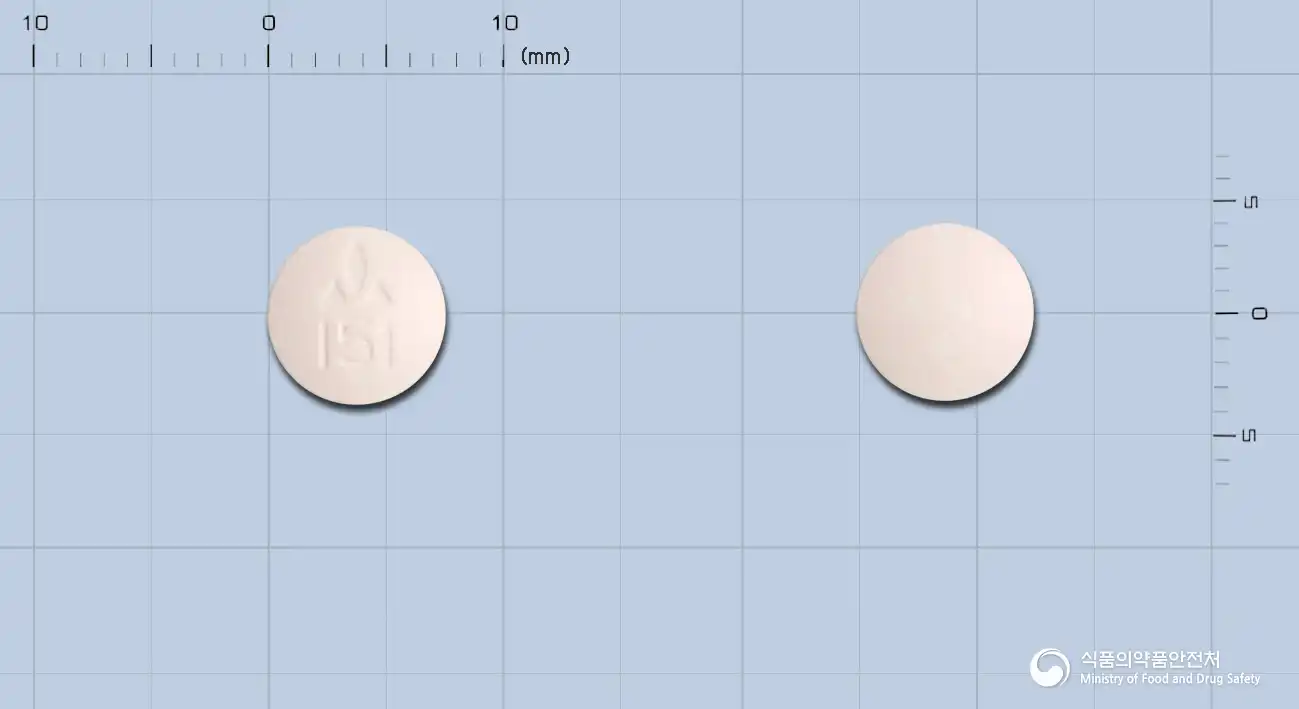
Solifenacin Succinate 10mg
Tablet · Prescription medication
Astellas Pharma Korea, Inc.
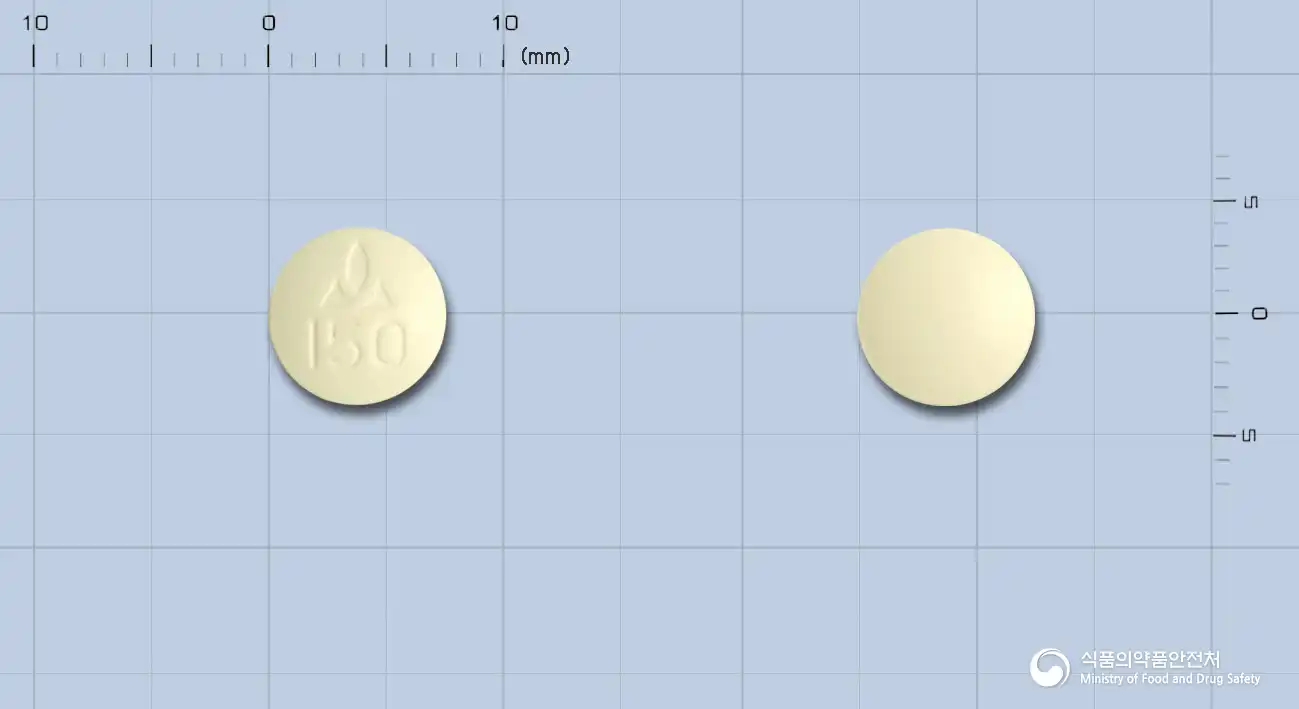
Solifenacin Succinate 5mg
Tablet · Prescription medication
Korea Astellas Pharma Co., Ltd.
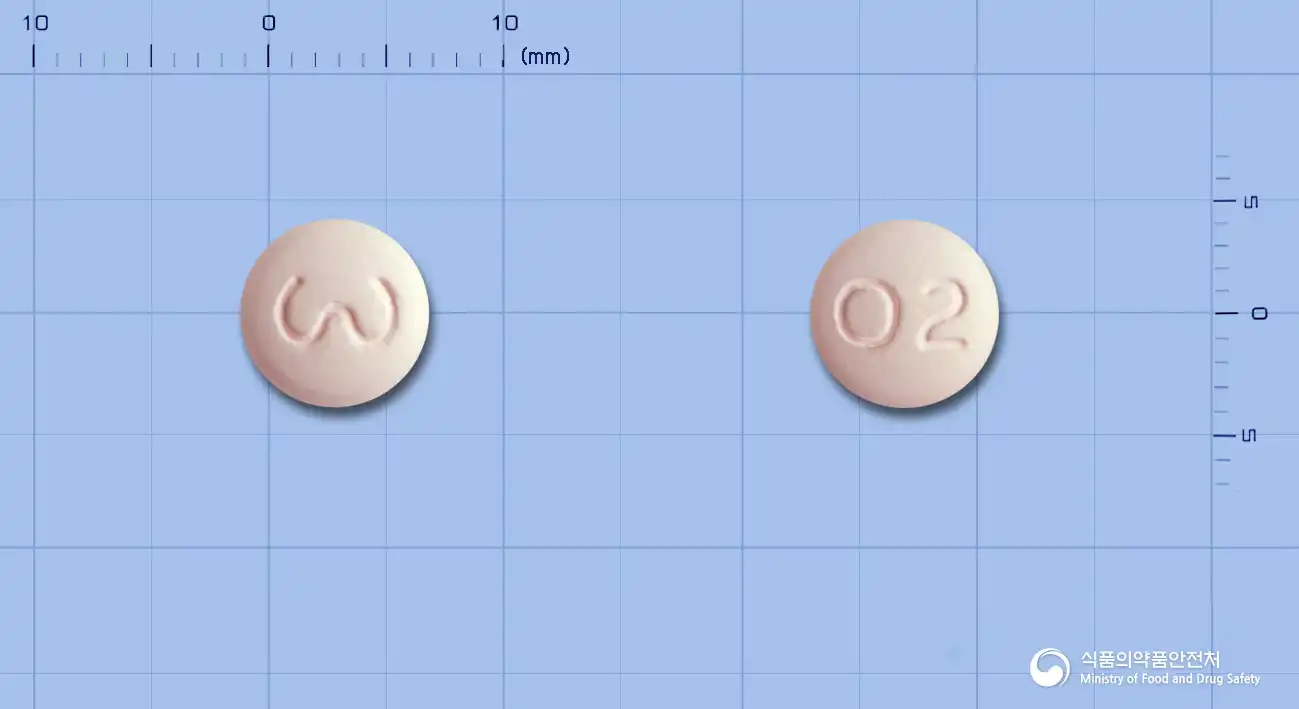
Solifenacin Succinate 10mg
Tablet · Prescription medication
Withus Pharmaceutical Co., Ltd.
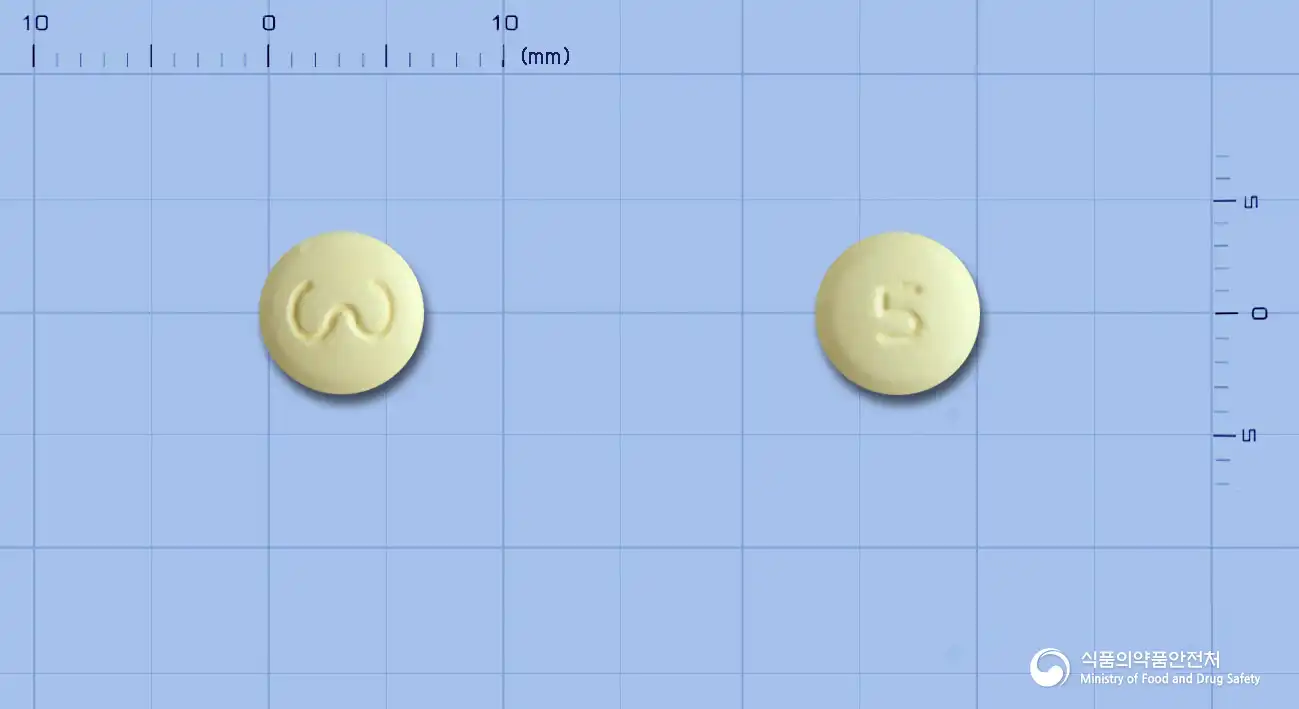
Solifenacin Succinate 5mg
Tablet · Prescription medication
Withus Pharmaceutical Co., Ltd.
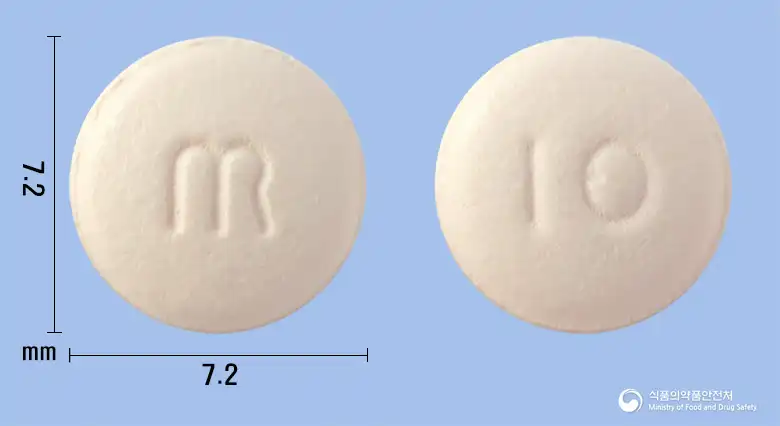
Solifenacin Succinate 10mg
Tablet · Prescription medication
Mothers Pharmaceutical Co., Ltd.
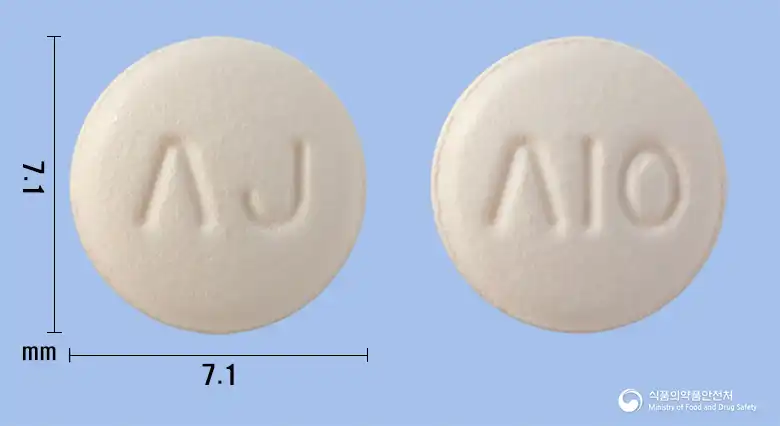
Solifenacin Succinate 10mg
Tablet · Prescription medication
Aju Pharmaceutical Co., Ltd.
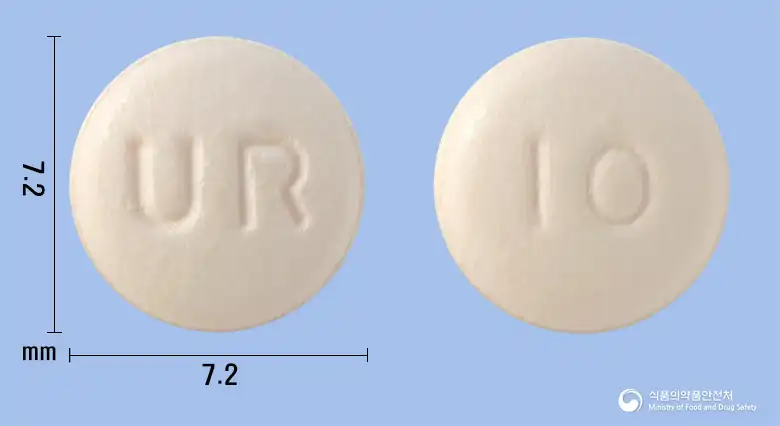
Solifenacin Succinate 10mg
Tablet · Prescription medication
Korea Hyutecs Pharmaceutical Co., Ltd.
Even with the same ingredient, the dose and directions can differ by strength and dosage form. Talk to a doctor or pharmacist before switching from a medication you are already taking.
No questions yet.
For anything that needs medical judgment, consult a doctor or pharmacist.
This drug information is based on data provided by the Korea Ministry of Food and Drug Safety.
Consult a doctor or pharmacist for accurate dosage, administration, and usage instructions.