
 한국어
 English
 日本語
 中文(简体)
 Viewing now
Alpha Lipoic Acid Tablet 600mg
Thioctic Acid 600mg
Tablet · Prescription medication
Huons Meditech Co., Ltd.
MFDS item code 201603951 · Approved 2016.06.27 · Insurance code 670401330
Relief of diabetic polyneuropathy
This medication helps alleviate symptoms caused by diabetic polyneuropathy. It reduces pain and discomfort resulting from nerve damage, improving the patient's quality of life. It supports the recovery of nerve function and alleviates difficulties in daily living. It is effectively used for the relief of symptoms of neuropathy caused by diabetic complications.
Adults: Take 600 milligrams of thioctic acid once daily with plenty of water about 30 minutes before breakfast.
This medication contains alpha-lipoic acid, which should not be administered to certain patients. Patients who have previously experienced allergic reactions to this medication or have hypersensitivity to any of its excipients should not use it. In addition, it is not administered to children and adolescents as safety and efficacy have not been sufficiently established for this age group. While taking this medication, gastrointestinal symptoms such as nausea, vomiting, abdominal pain, or diarrhea may occur rarely. Skin allergic reactions like rashes or hives and itching may occur rarely as well. There is also a risk of lowering blood sugar levels, which may lead to symptoms similar to hypoglycemia, such as dizziness, sweating, headaches, and vision disturbances; caution should be exercised. Rarely, changes in taste sensation may occur. Frequent alcohol consumption may exacerbate neuropathic symptoms and impair the therapeutic effects of this medication, hence diabetic neuropathy patients should avoid alcohol consumption. This applies not only during medication but also during the drug-free period. This medication may interact with certain drugs. For example, when taken with the anticancer drug cisplatin, the effectiveness of cisplatin may be reduced. Additionally, taking this medication simultaneously with drugs containing metal elements like iron or magnesium, or with milk may hinder absorption in the body. Therefore, it is advisable to take this medication 30 minutes before breakfast and to take metal-containing preparations separately at lunch or dinner. When taken with insulin or other oral hypoglycemic agents, the blood sugar-lowering effect may be amplified, requiring frequent blood sugar monitoring and preparation for the risk of hypoglycemia. Dosage adjustments of diabetes medications may be necessary. Women who are pregnant or breastfeeding should only take this medication under a physician's careful discretion as its safety has not been fully established, and it should only be used in urgent situations. In cases of overdose, severe toxicity symptoms may occur. Initial symptoms of overdose may include anxiety and altered consciousness, followed by severe cases leading to generalized seizures, acidosis, hypoglycemia, shock, muscle damage, blood abnormalities, and multiple organ failure. In such cases, immediate hospitalization and appropriate treatment should be sought, including emesis induction, gastric lavage, or administration of activated charcoal. Finally, this medication should be stored in a tightly sealed container to avoid exposure to air or moisture. It should be kept at room temperature between 1 degree and 30 degrees Celsius, out of reach of children. Also, transferring the medication from its original container to another may result in degradation of quality or accidents.
Not everyone experiences these, and they can vary from person to person.
This medication should be stored in a tightly sealed container to prevent exposure to air or moisture. It is also recommended to store it at room temperature between 1 degree and 30 degrees Celsius.
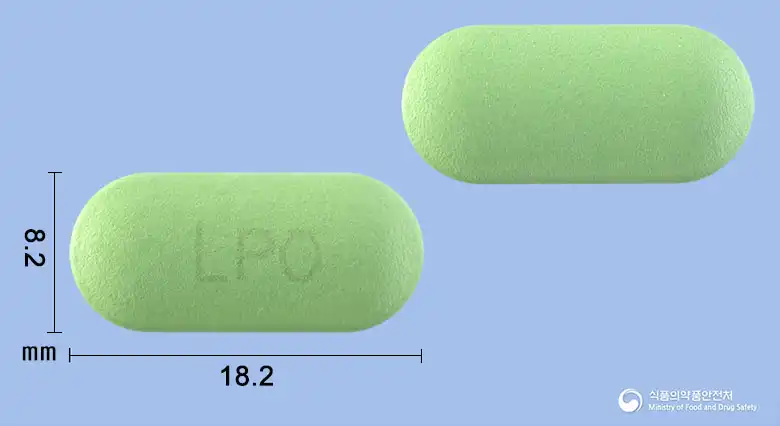
Green oblong film-coated tablet
30 tablets/bottle, 100 tablets/bottle
Even with the same ingredient, strength, dosage form and how it is taken can differ.
Viewing nowThioctic Acid 600mg
Tablet · Prescription medication
Huons Meditech Co., Ltd.
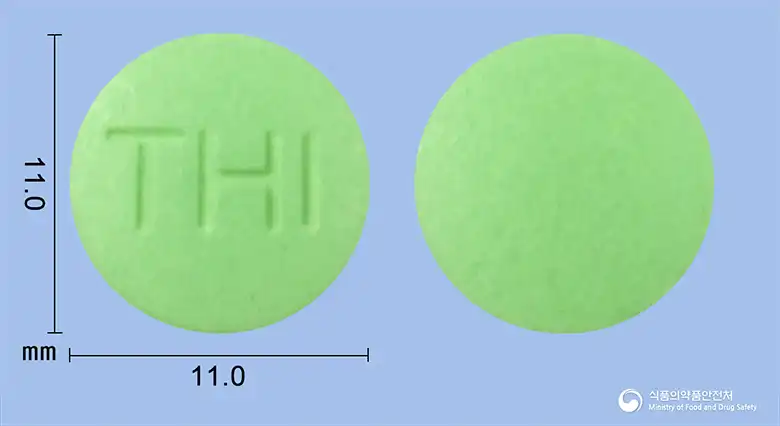
Thioctic Acid 200mg
Tablet · Prescription medication
Bukwang Pharmaceutical Co., Ltd.
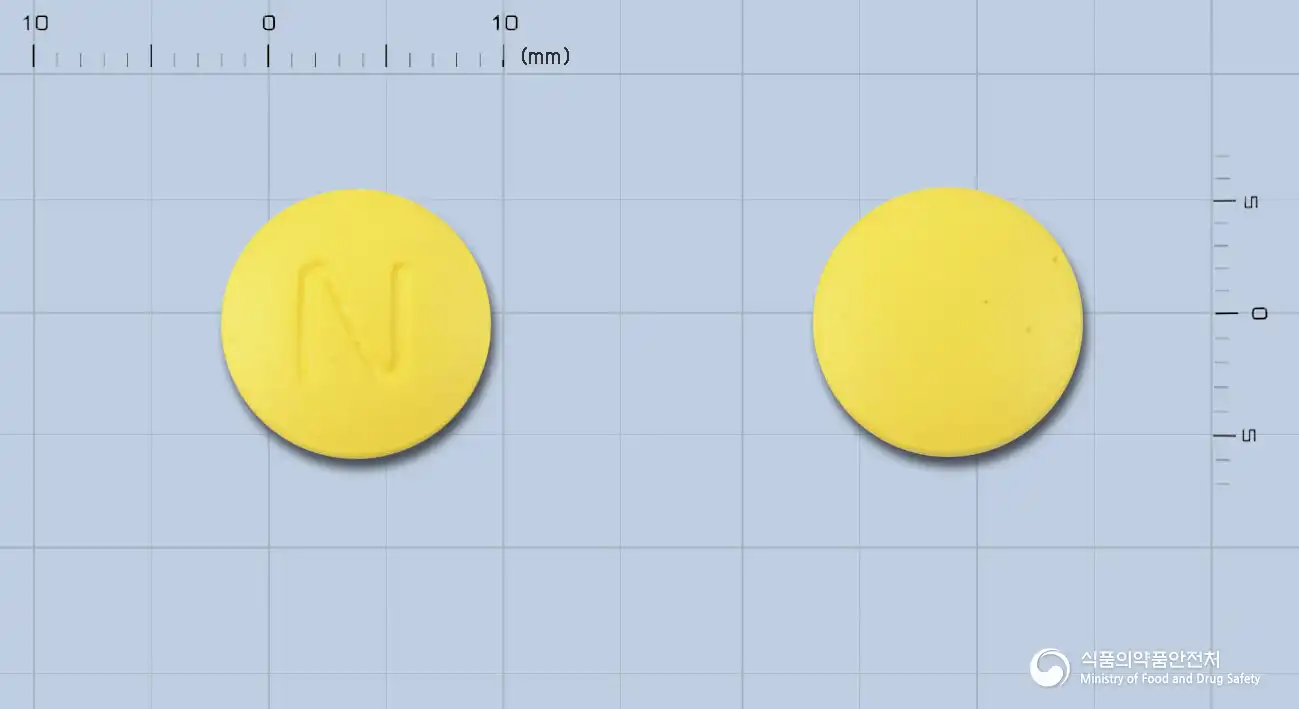
Thioctic Acid 200mg
Tablet · Prescription medication
Jongkundang Co., Ltd.
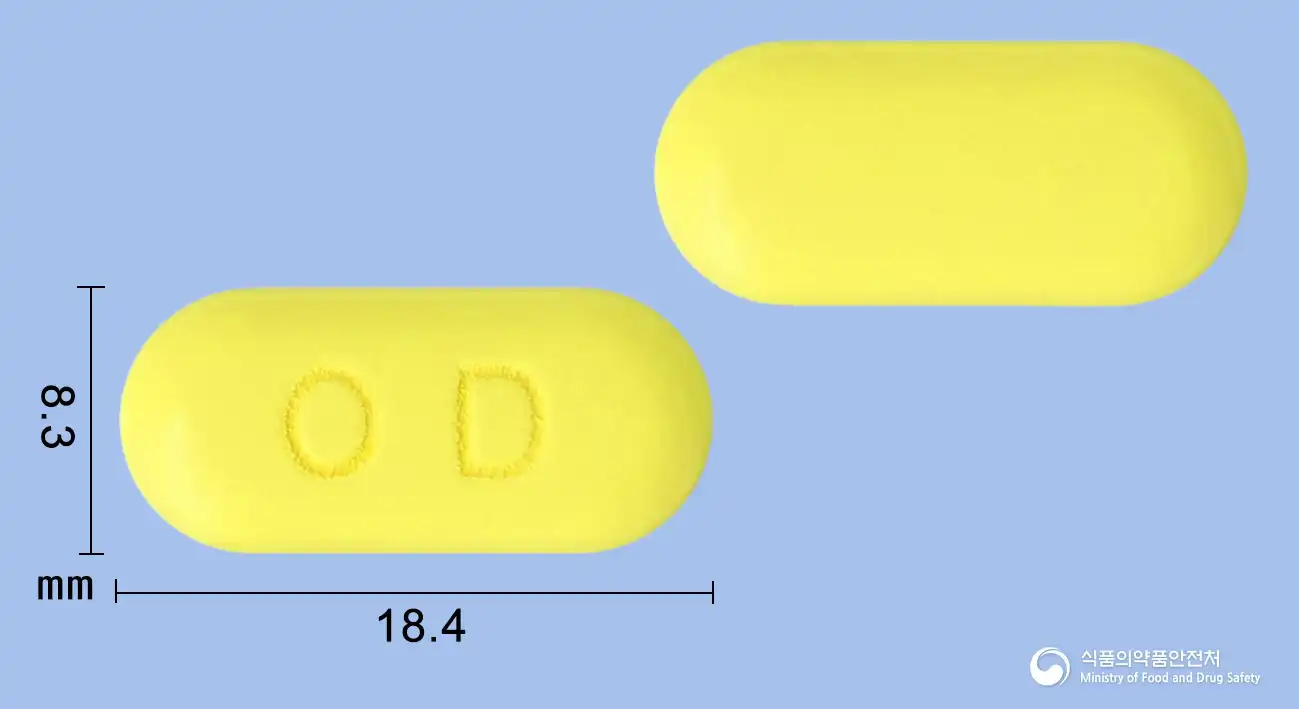
Thioctic Acid 600mg
Tablet · Prescription medication
Jongkundang Co., Ltd.
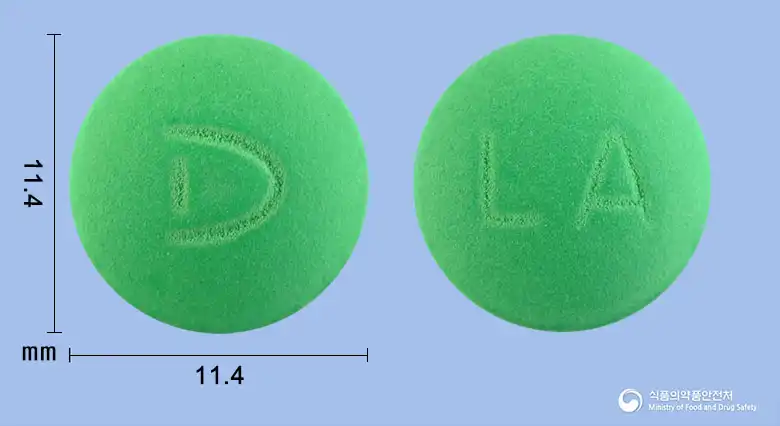
Thioctic Acid 200mg
Tablet · Prescription medication
Darim Biotech Co., Ltd.
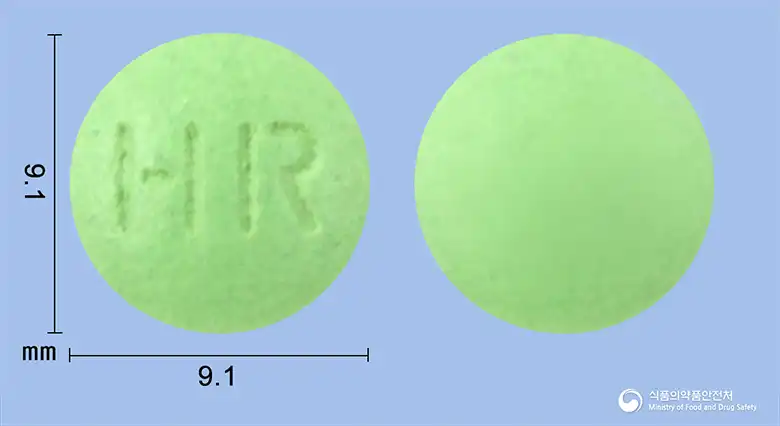
Thioctic Acid 600mg
Tablet · Prescription medication
Bukwang Pharmaceutical Co., Ltd.
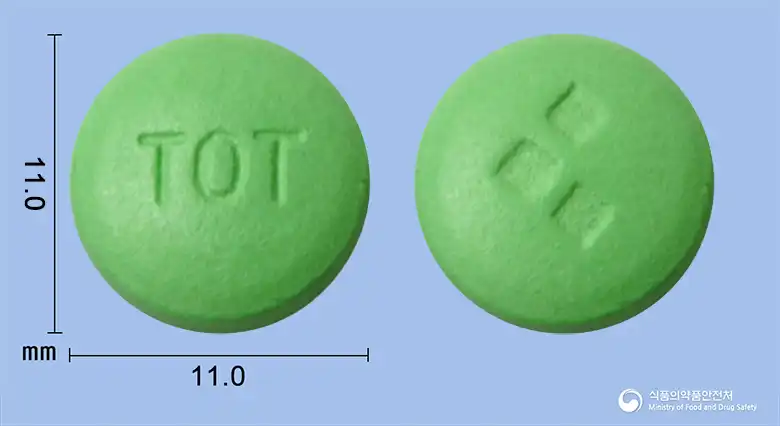
Thioctic Acid 200mg
Tablet · Prescription medication
Myungjin Pharmaceutical Co., Ltd.
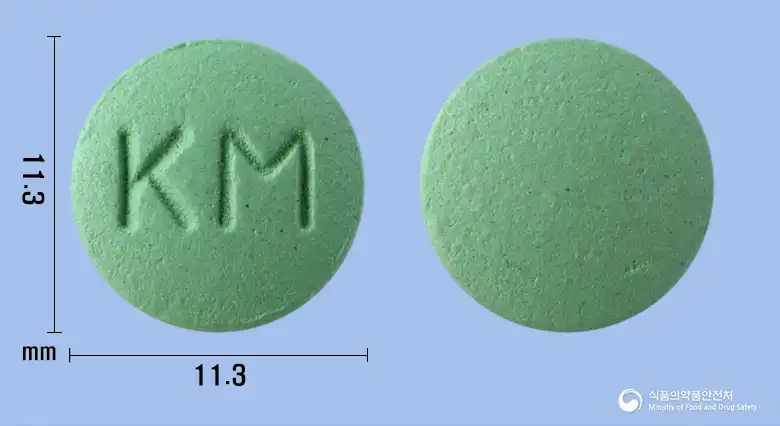
Thioctic Acid 200mg
Tablet · Prescription medication
(Huons Co., Ltd.)
Even with the same ingredient, the dose and directions can differ by strength and dosage form. Talk to a doctor or pharmacist before switching from a medication you are already taking.
No questions yet.
For anything that needs medical judgment, consult a doctor or pharmacist.
This drug information is based on data provided by the Korea Ministry of Food and Drug Safety.
Consult a doctor or pharmacist for accurate dosage, administration, and usage instructions.