
 한국어
 English
 日本語
 中文(简体)
Dosage form image
Viewing nowZaniem Tablets (Lercanidipine Hydrochloride)
Lercanidipine Hydrochloride 10mg
Tablet · Prescription medication
McNealty Pharmaceutical Co., Ltd.
MFDS item code 201603713 · Approved 2016.06.21
Treatment of mild to moderate essential hypertension
This medicine is used to treat essential hypertension of mild to moderate degree, specifically chronic blood pressure elevation with an unidentified cause.
○ Adults Administer lercanidipine hydrochloride 5 ~ 10 mg orally once daily at least 15 minutes before a meal. The dose may be increased to 20 mg depending on the patient's symptoms. Adjust the dose gradually, as it takes 2 weeks for the maximum antihypertensive effect to become apparent. For patients whose blood pressure is not controlled with this drug, combination therapy with a beta-blocker (such as atenolol), a diuretic (such as hydrochlorothiazide), or an ACE inhibitor (such as captopril or enalapril) may be used. The dose-response curve is steep and reaches a plateau at doses of 20 ~ 30 mg; doses above this range do not further increase efficacy and may instead increase adverse reactions. ○ Elderly patients: Pharmacokinetic data and clinical experience indicate that adjustment of the daily dose is not necessary; however, caution is required when initiating treatment in elderly patients. ○ Patients with hepatic or renal impairment: Special caution is required during initiation in patients with mild to moderate hepatic or renal impairment. Although the usual dosing pattern in these patients is consistent, caution is required when increasing the dose to 20 mg daily. In patients with hepatic impairment, the antihypertensive effect may be increased, so dose adjustment should be considered. Do not administer this drug to patients with severe hepatic or renal impairment.
This medication should not be administered to certain patients. For example, it should not be used in individuals allergic to this drug or similar medications, pregnant or breastfeeding women, patients with heart problems, patients with severe liver or kidney impairment, and children or adolescents under 18 years of age. Additionally, patients with cardiac function problems or mild hepatic or renal impairment, those who frequently consume alcohol, and the elderly should use this medication with caution. While taking this medication, symptoms such as facial flushing or swelling of the hands and feet, a sensation of rapid heartbeat, headaches, dizziness, indigestion, nausea, and abdominal pain may occur. Liver function abnormalities or gingival hyperplasia may occur rarely, so caution is necessary. Abruptly stopping this medication can worsen symptoms, so it should be gradually reduced when discontinuing. Care should be taken when driving or operating machinery due to dizziness or drowsiness. The drug is metabolized in the liver, so caution is necessary when taking it with other medications that affect liver function, and grapefruit juice or alcohol should be avoided as they can enhance the drug's effects. Women who are pregnant or breastfeeding should not take this medication as it may affect the fetus or newborn. Safety in children or adolescents under 18 years has not been established, hence it is not used in this population. The elderly require special attention, but dosage adjustment is not always necessary. In case of overdose, severe hypotension or heart problems may arise, requiring immediate visit to a medical facility for precise monitoring and appropriate treatment. Lastly, this medication should be kept out of the reach of children, and transferring it to another container may compromise its quality.
Flushing, peripheral edema, palpitations, tachycardia, hypotension, chest pain, angina, headache, dizziness, weakness, fatigue, drowsiness, neurosis, dyspepsia, nausea, vomiting, abdominal pain, diarrhea, increased serum hepatic aminotransferase levels, polyuria, pollakiuria, gingival hyperplasia, rash, myalgia, tremors, insomnia, xerostomia, paresthesia, cough, abdominal distension, erectile dysfunction, arrhythmia, sweating, skin tingling, premature contractions, tongue rigidity, increased ventricular premature beats, dyspnea, gastrointestinal disturbance
Not everyone experiences these, and they can vary from person to person.
This medication should be stored in a tightly closed container to protect it from air and moisture, and ideally kept at a temperature between 1 and 30 degrees Celsius at room temperature. Such storage will help maintain the effectiveness of the medication and allow for safe use.
Yellow round film-coated tablets
30 tablets/bottle, 300 tablets/bottle
Even with the same ingredient, strength, dosage form and how it is taken can differ.
Lercanidipine Hydrochloride 10mg
Tablet · Prescription medication
McNealty Pharmaceutical Co., Ltd.

Lercanidipine Hydrochloride 10mg
Tablet · Prescription medication
LG Chem, Ltd.
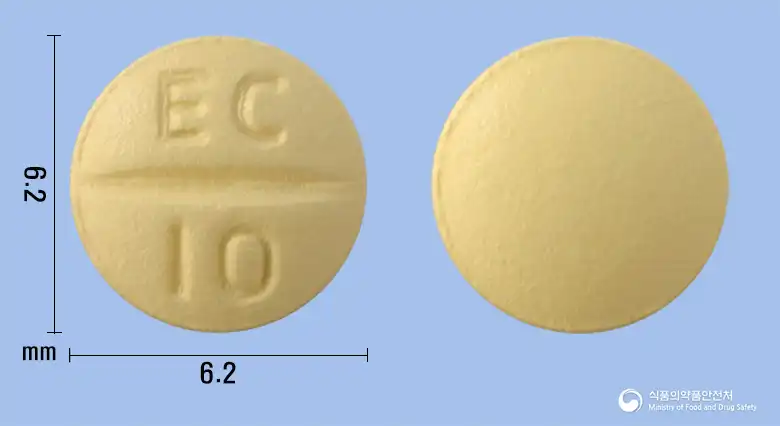
Lercanidipine Hydrochloride 10mg
Tablet · Prescription medication
Jongkundang Co., Ltd.

Lercanidipine Hydrochloride 10mg
Tablet · Prescription medication
Yuyu Pharmaceutical Co., Ltd.

Lercanidipine Hydrochloride 10mg
Tablet · Prescription medication
Samsung Pharmaceutical Co., Ltd.
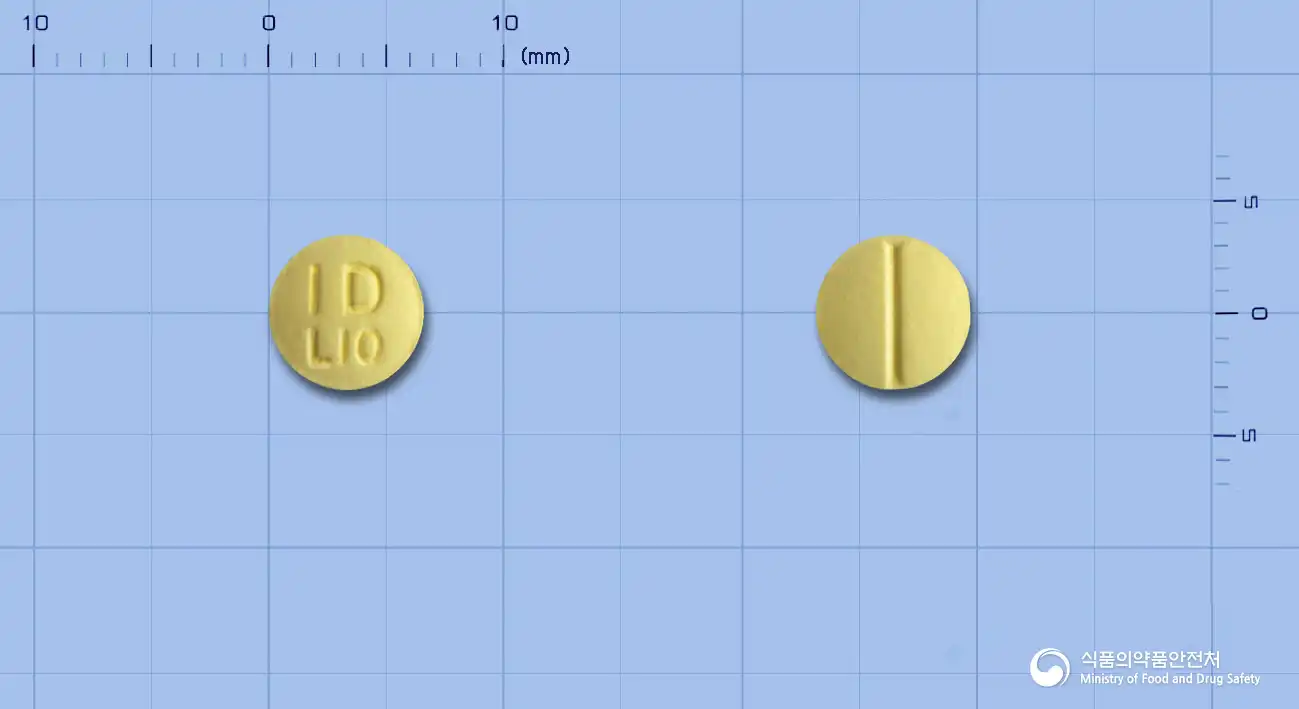
Lercanidipine Hydrochloride 10mg
Tablet · Prescription medication
Ildong Pharmaceutical Co., Ltd.
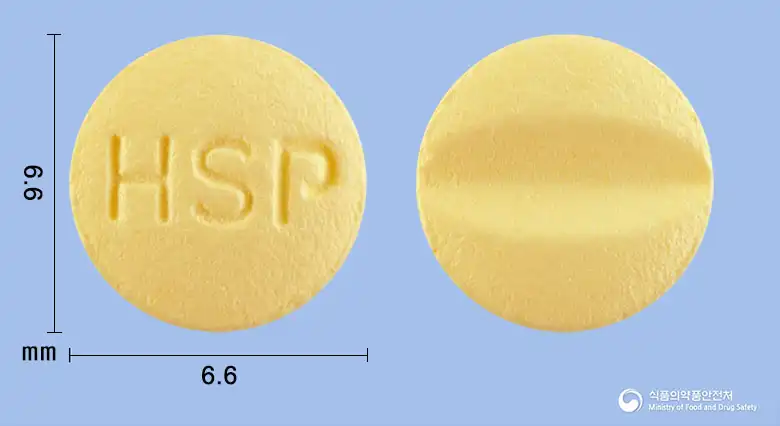
Lercanidipine Hydrochloride 10mg
Tablet · Prescription medication
Celltrion Pharmaceutical Co., Ltd.
Lercanidipine Hydrochloride 10mg
Tablet · Prescription medication
Yuhan Corporation
Even with the same ingredient, the dose and directions can differ by strength and dosage form. Talk to a doctor or pharmacist before switching from a medication you are already taking.
No questions yet.
For anything that needs medical judgment, consult a doctor or pharmacist.
This drug information is based on data provided by the Korea Ministry of Food and Drug Safety.
Consult a doctor or pharmacist for accurate dosage, administration, and usage instructions.