
 한국어
한국어 English
 日本語
日本語 中文(简体)
 Viewing now
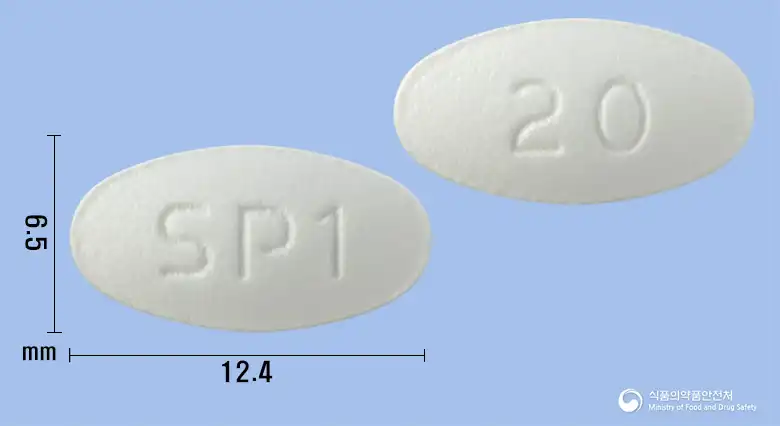
Lipitor Tablet 20 mg (Atorvastatin Calcium Hydrate)
Atorvastatin Calcium Hydrate 21.7mg
Tablet · Prescription medication
Korea Sintax Pharmaceutical Co., Ltd.
MFDS item code 201603246 · Approved 2016.06.07 · Insurance code 623004020
Reduction of risk of myocardial infarction and stroke, and improvement of hyperlipidemia
This medication is used to reduce the risk of cardiovascular diseases. It can lower the risk of myocardial infarction and stroke in adults with risk factors for coronary heart disease and patients with type 2 diabetes. Additionally, it helps reduce the risk of hospitalization for several conditions related to heart disease, such as revascularization, angina, and congestive heart failure. In patients with hyperlipidemia, it is used as an adjunct to lower total cholesterol, LDL cholesterol, and triglyceride levels while increasing HDL cholesterol to improve serum lipid levels. It is especially effective in young patients with heterozygous familial hypercholesterolemia and aids in the early prevention of cardiovascular diseases. Therefore, this medication is used to reduce the risk of cardiovascular diseases and to treat hyperlipidemia.
The recommended initial dose for hyperlipidemia is atorvastatin 10 mg once daily; however, if greater LDL cholesterol reduction is needed, it can start at 20 mg or 40 mg once daily. This medication is administered at a dosage range of 10 to 80 mg once daily. Adjustments should be individualized based on therapeutic goals and response, and lipid levels should be analyzed 2 to 4 weeks after the initiation or adjustment of dose.
The recommended initial dose for pediatric patients with heterozygous familial hypercholesterolemia (ages 10 to 17) is 10 mg once daily, with a maximum dosage of 20 mg per day. The dosage should be adjusted with intervals of 4 weeks or more.
This medication may cause muscle problems, so if symptoms of muscle pain or weakness occur, consult a doctor immediately. If there is a significant increase in muscle enzyme levels or suspicion of myopathy, discontinuation of the medication is necessary. Patients with poor liver function or active liver disease should not take this medication. Women who are pregnant, may become pregnant, or are nursing should not use this medication. It is safe for children under 10 years old to not take this medication. Alcoholics or patients with a history of liver disease should use this medication with caution. Elderly patients or those with impaired kidney function are at a higher risk of developing myopathy and should be monitored closely. This medication may interact with various other drugs; therefore, patients taking other medications should inform their physician or pharmacist. In particular, the risk of muscle damage may increase when used in combination with certain antibiotics, antifungals, or some antiviral medications. Grapefruit juice can also increase the blood concentration of this medication, so excessive intake should be avoided. If symptoms of liver dysfunction such as nausea, vomiting, malaise occur during treatment, seek medical attention immediately. Regular liver function and muscle enzyme tests are important while taking this medication. Notify healthcare professionals immediately if symptoms such as muscle pain, weakness, fever, or fatigue occur. If skin reactions such as blistering rashes, hives, or itching appear while taking this medication, discontinue use and seek medical attention. In case of overdose, there are no specific antidotes; therefore, treatment should be provided according to symptoms, and liver function and muscle enzyme levels should be monitored.
Not everyone experiences these, and they can vary from person to person.
This medication should be stored in a tightly sealed container to protect it from air or moisture. Additionally, it is best stored at room temperature between 1 to 30 degrees Celsius.
White oval film-coated tablet
30 tablets/bottle, 100 tablets/bottle
Even with the same ingredient, strength, dosage form and how it is taken can differ.
Viewing nowAtorvastatin Calcium Hydrate 21.7mg
Tablet · Prescription medication
Korea Sintax Pharmaceutical Co., Ltd.
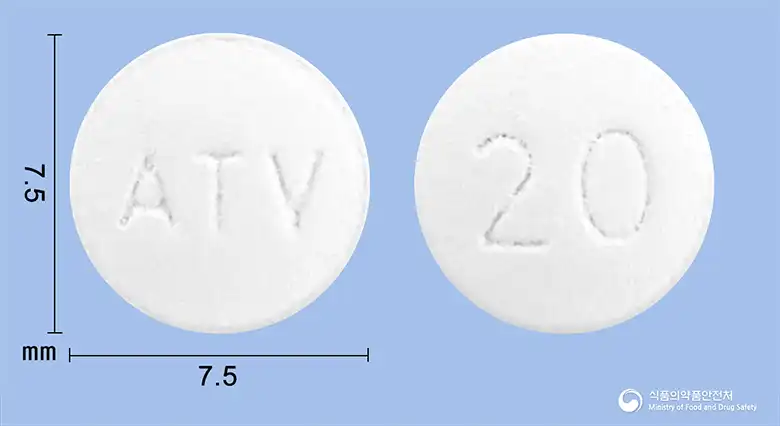
Atorvastatin Calcium Trihydrate 21.7mg
Tablet · Prescription medication
Viatris Korea Co., Ltd.
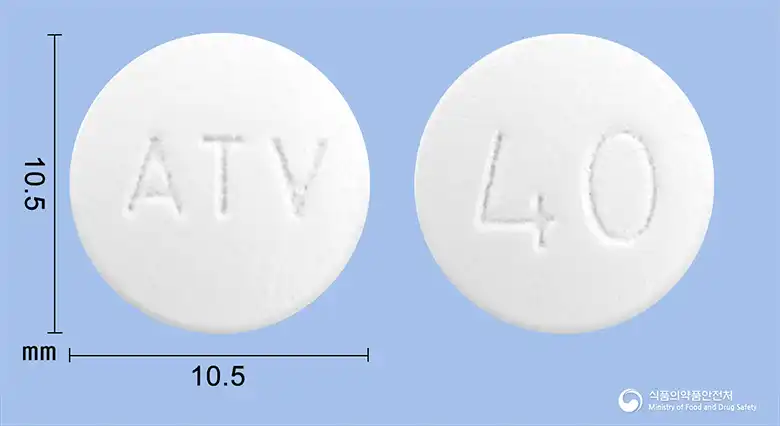
Atorvastatin Calcium Trihydrate 43.4mg
Tablet · Prescription medication
Viatris Korea Co., Ltd.
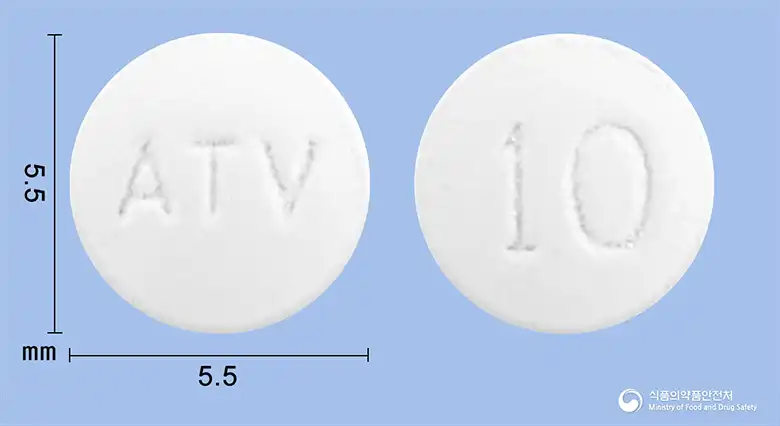
Atorvastatin Calcium Trihydrate 10.85mg
Tablet · Prescription medication
Viatris Korea Co., Ltd.
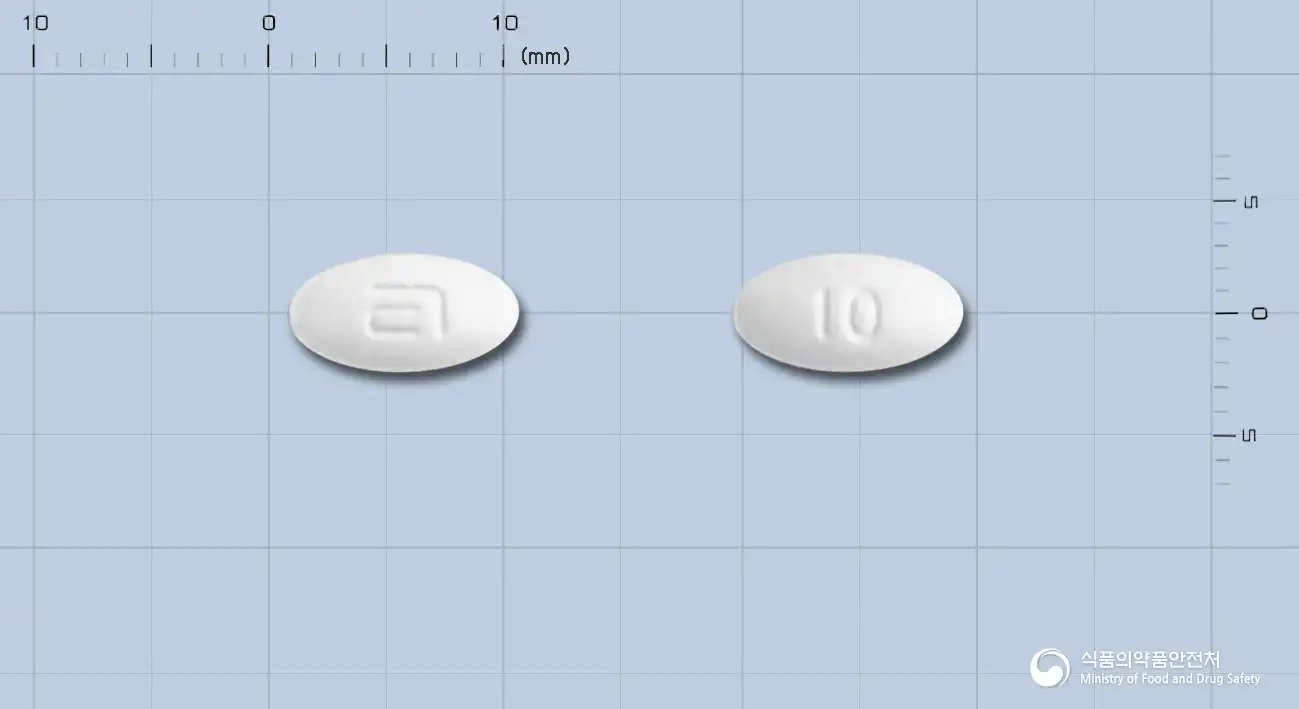
Atorvastatin Calcium Trihydrate 10.85mg
Tablet · Prescription medication
Kyungdong Pharmaceutical Co., Ltd.
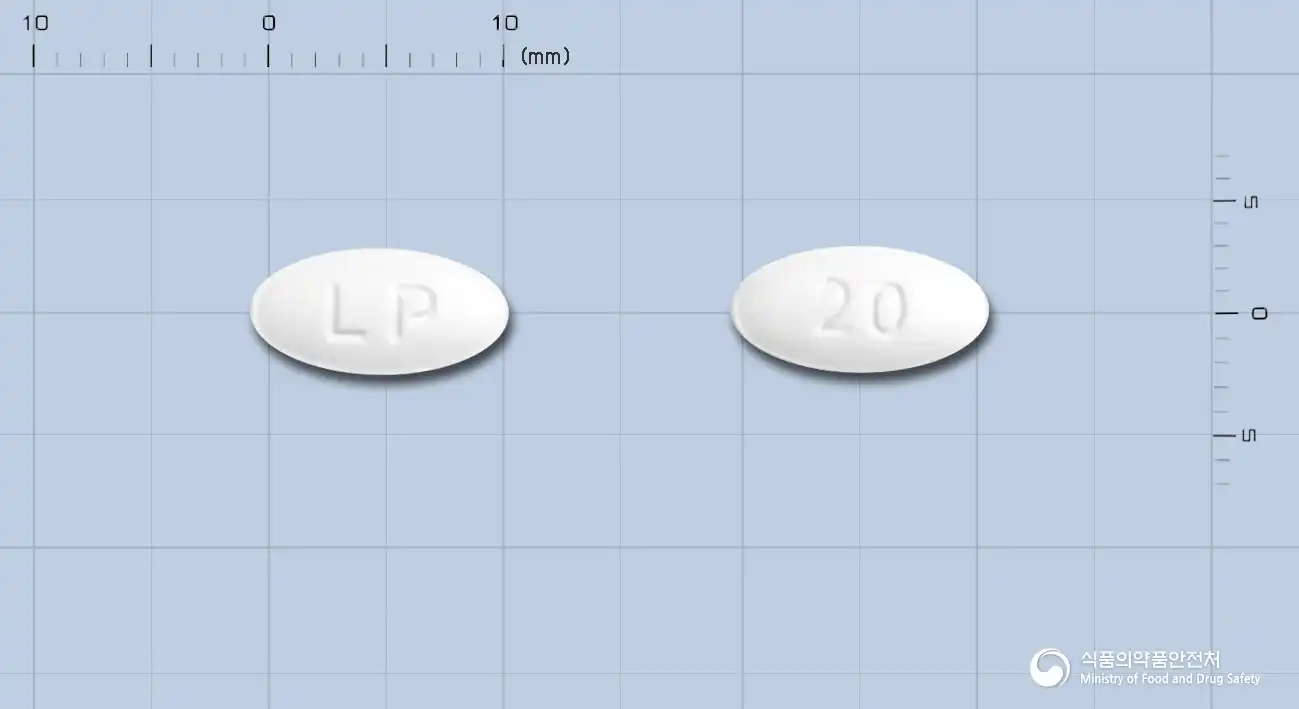
Atorvastatin Calcium Trihydrate 21.69mg
Tablet · Prescription medication
Shinil Pharmaceutical Co., Ltd.
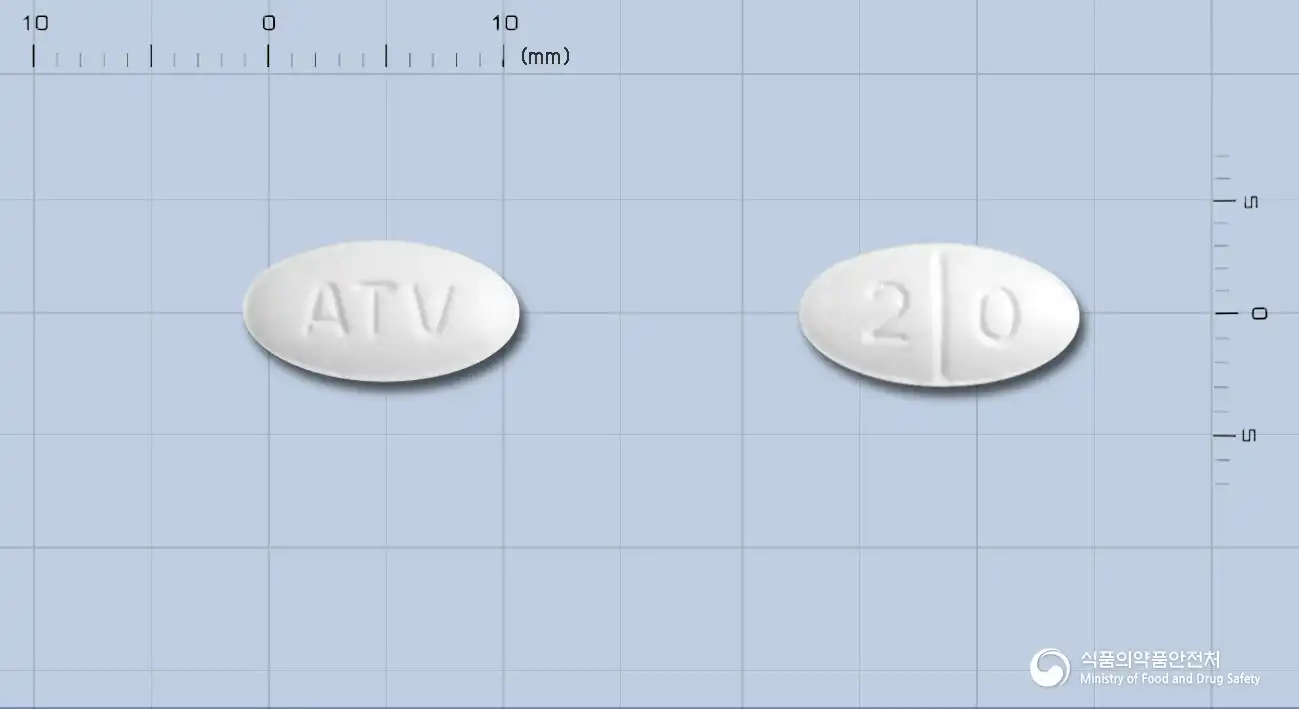
Atorvastatin Calcium Trihydrate 21.69mg
Tablet · Prescription medication
Daewon Pharmaceutical Co., Ltd.
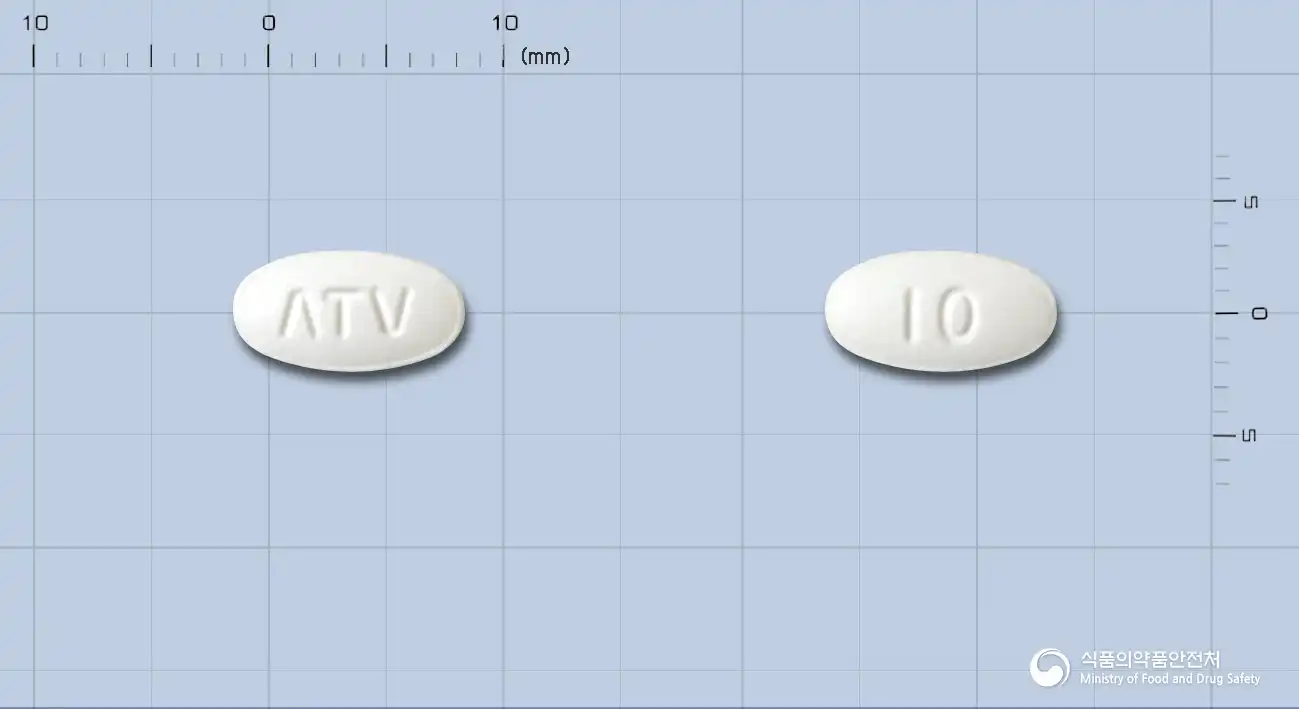
Atorvastatin Calcium Trihydrate 10.845mg
Tablet · Prescription medication
Daewon Pharmaceutical Co., Ltd.
Even with the same ingredient, the dose and directions can differ by strength and dosage form. Talk to a doctor or pharmacist before switching from a medication you are already taking.
No questions yet.
For anything that needs medical judgment, consult a doctor or pharmacist.
This drug information is based on data provided by the Korea Ministry of Food and Drug Safety.
Consult a doctor or pharmacist for accurate dosage, administration, and usage instructions.