
 한국어
한국어 English
 日本語
日本語 中文(简体)
Dosage form image
Viewing nowCombinationCabpin Tablet 60/10 mg
Fimasartan Potassium Trihydrate Granules 150mg · Amlodipine Besylate 13.88mg
Tablet · Prescription medication · Combination
Boryung Biopharma Co., Ltd.
MFDS item code 201603155 · Approved 2016.05.31
Improvement in blood pressure control in essential hypertension
This medicine can help patients with essential hypertension, whose blood pressure is not sufficiently controlled by monotherapy with pimasartan potassium. It is used to effectively manage hypertension to stabilize blood pressure and reduce the risk of cardiovascular disease.
The recommended dosage of this medicine is 1 tablet once a day, taken with water regardless of meals. It is recommended to take it at the same time each day (e.g., in the morning). If blood pressure is not controlled, adjust according to the dose of pimasartan, 30/5mg, 30/10mg, 60/5mg, or 60/10mg, and there is no need for initial dosage adjustment for the elderly (under 70 years). Patients with renal impairment should be initiated at pimasartan 30 mg for severe renal impairment.
The safety and efficacy in pediatric and adolescent patients under 18 years have not been established.
This medicine can cause serious harm or death to the fetus and newborn if taken during pregnancy, especially in the second and third trimesters. Therefore, if pregnancy is confirmed, the medication should be stopped immediately. This medicine should not be used by individuals who are allergic to its active ingredients or similar components, pregnant or breastfeeding women, patients on renal dialysis, patients with moderate to severe liver impairment, patients with obstructive biliary disease, certain kidney and diabetic patients, lactose intolerant patients, patients with severe aortic stenosis, and patients in a state of shock. Caution should be exercised when administering this medication to patients with low blood volume or sodium levels, impaired renal function, renal artery hypertension, patients with aortic or mitral valve stenosis, primary hyperaldosteronism, severe hypotension, the elderly, and patients with an allergy to Yellow No. 4. Side effects such as dizziness, headache, facial swelling, urinary disturbances, and insomnia may occur when taking this medicine, and serious renal issues or blood pressure drops may occur rarely; thus, any unusual symptoms should be reported to a doctor immediately. Particularly, if the blood pressure drops too low or severe side effects occur, medication should be stopped immediately and appropriate treatment obtained. This medicine can interact with other antihypertensives, potassium-sparing diuretics, lithium, NSAIDs, etc., so if other medications are being taken, it is essential to inform the doctor. If pregnant or breastfeeding, using this medicine may pose risks to the fetus and newborn, so consultation with a doctor is required before use and cessation of the medication or breastfeeding may be necessary. The safety and efficacy for children under 18 years have not been established, and elderly patients or those with severe liver impairment require dosage adjustments and caution. In cases of overdose, hypotension and heart problems may arise, necessitating immediate medical assistance, and generally, dialysis is not effective.
Urticaria, severe swelling (edema), chest tightness, difficulty breathing, cold sweat, pallor, severe rash with fever, blisters, skin peeling, pain in mucous membranes of the mouth/eyes, difficulty breathing or shortness of breath, asthma attacks, respiratory abnormalities accompanied by cough and fever, jaundice (yellowing of the skin or eyes), severe generalized malaise, sudden and extremely severe headache, thunderclap headache, seizures, confusion, visual disturbances, paralysis, urination
Not everyone experiences these, and they can vary from person to person.
This medicine is sensitive to light, so it should be stored in a container that blocks light. Additionally, it is advisable to store the medicine at room temperature between 1 degree and 30 degrees Celsius. Proper storage will maintain the medicine's efficacy and safety.
Yellow apple-shaped film-coated tablet
30 tablets/bottle, 300 tablets/bottle
Even with the same ingredient, strength, dosage form and how it is taken can differ.
Fimasartan Potassium Trihydrate Granules 150mg · Amlodipine Besylate 13.88mg
Tablet · Prescription medication · Combination
Boryung Biopharma Co., Ltd.
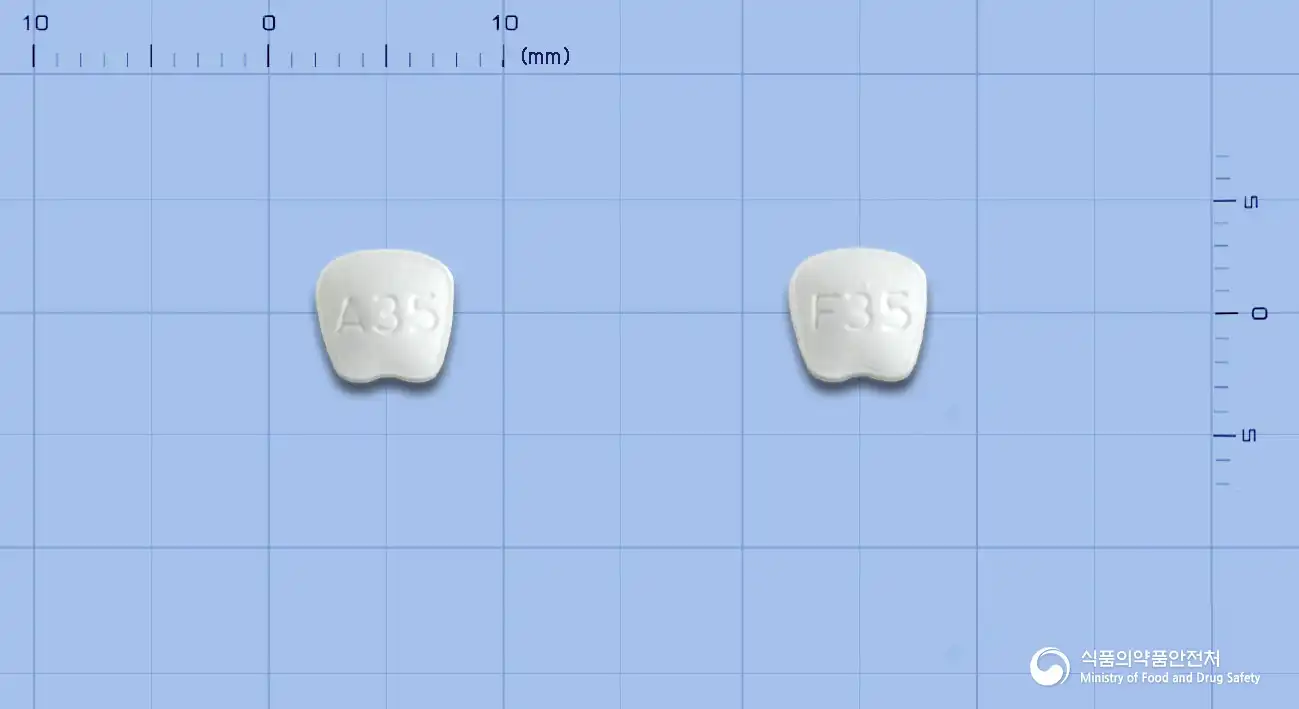 Combination
Fimasartan Potassium Trihydrate Granules 75mg · Amlodipine Besylate 6.94mg
Tablet · Prescription medication · Combination
Boryung Co., Ltd.
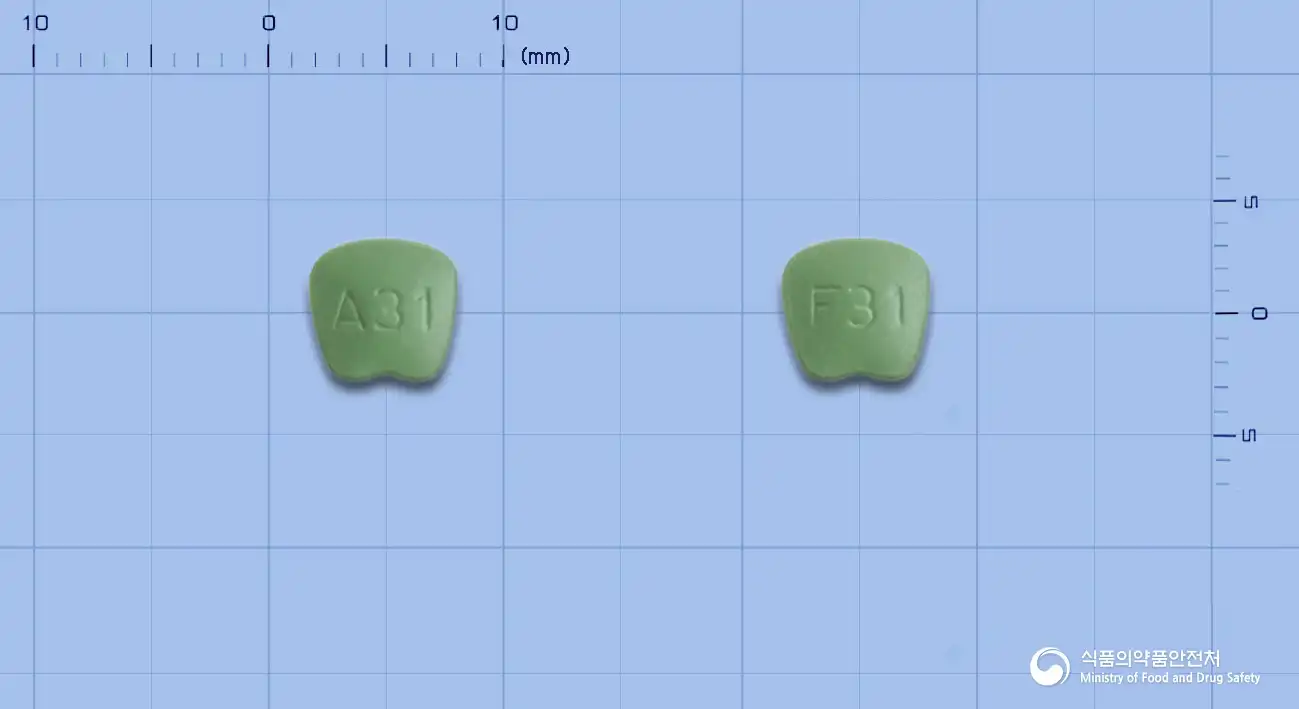 Combination
Fimasartan Potassium Trihydrate Granules 75mg · Amlodipine Besylate 13.88mg
Tablet · Prescription medication · Combination
Boryung Pharmaceutical Co., Ltd.
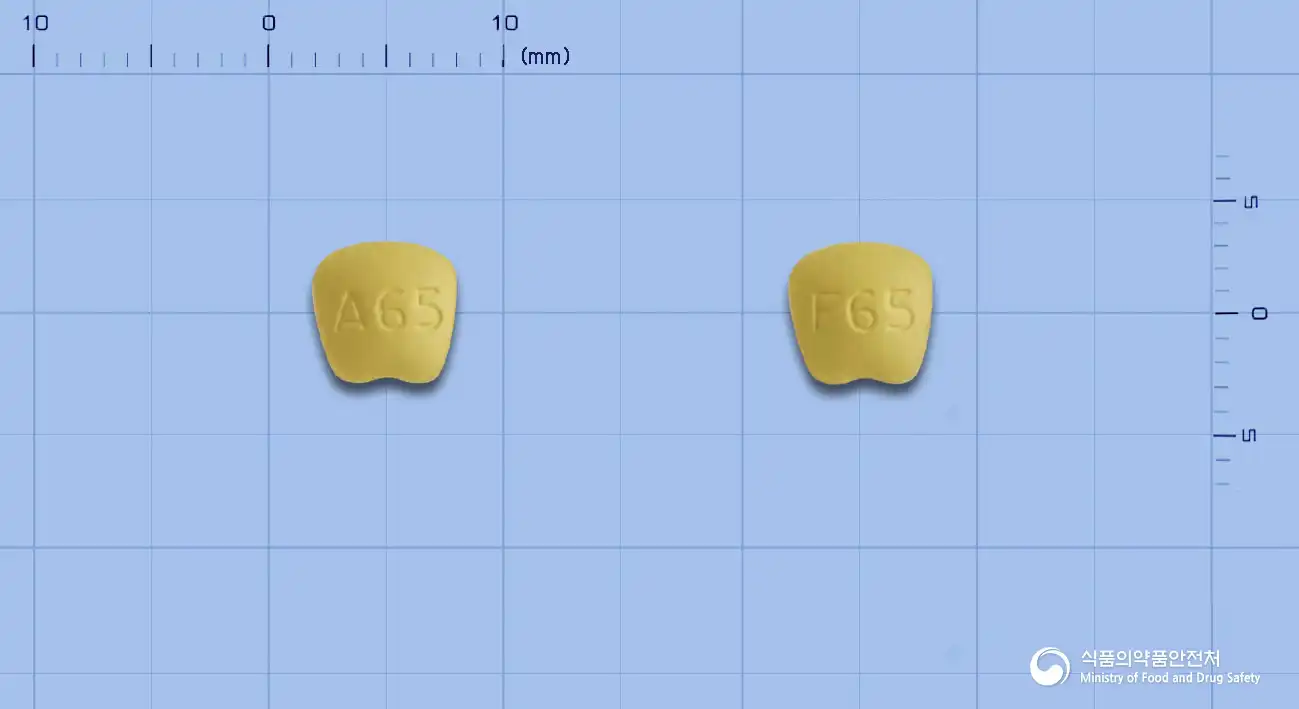 Combination
Fimasartan Potassium Trihydrate Granules 150mg · Amlodipine Besylate 6.94mg
Tablet · Prescription medication · Combination
Boryung Pharmaceutical Co., Ltd.
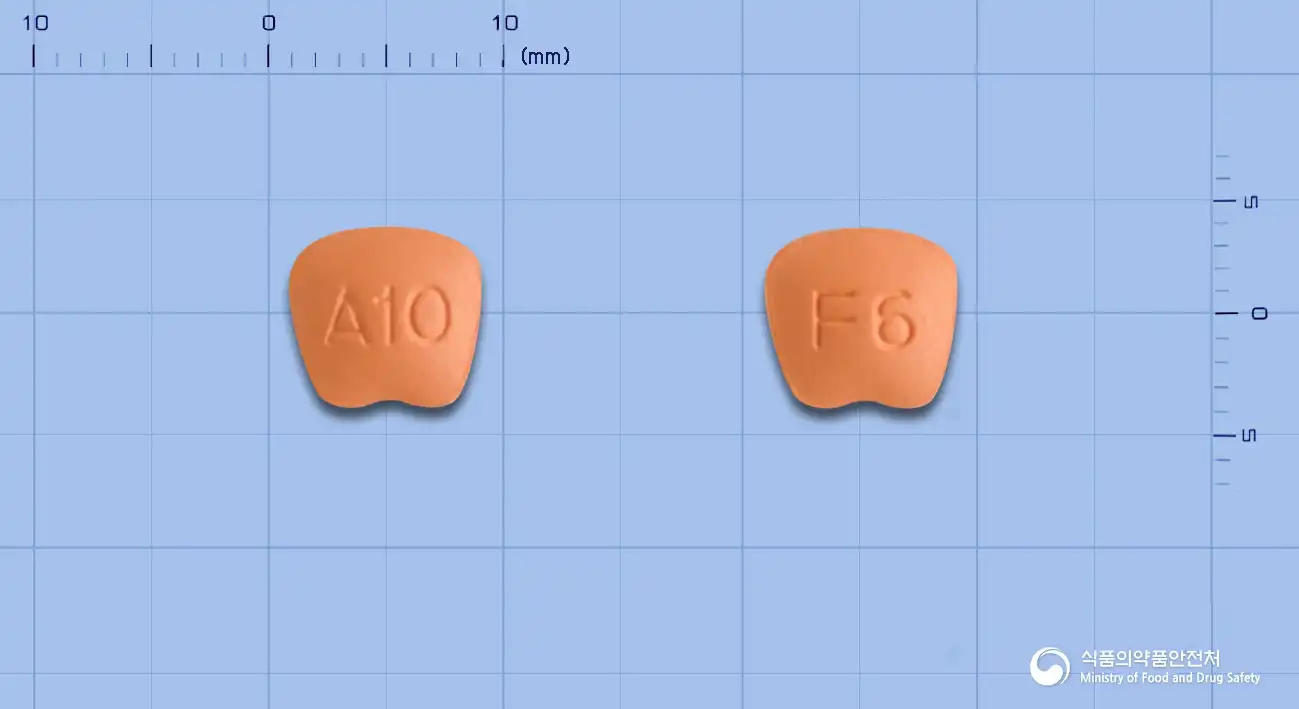 Combination
Fimasartan Potassium Trihydrate Granules 150mg · Amlodipine Besylate 13.88mg
Tablet · Prescription medication · Combination
Boryung Co., Ltd.
Fimasartan Potassium Trihydrate Granules 150mg · Amlodipine Besylate 6.94mg
Tablet · Prescription medication · Combination
Boryung Biopharma Co., Ltd.
Fimasartan Potassium Trihydrate Granules 75mg · Amlodipine Besylate 6.94mg
Tablet · Prescription medication · Combination
Boryung Biopharma Co., Ltd.
Fimasartan Potassium Trihydrate Granules 75mg · Amlodipine Besylate 13.88mg
Tablet · Prescription medication · Combination
Boryung Biopharma Co., Ltd.
Even with the same ingredient, the dose and directions can differ by strength and dosage form. Talk to a doctor or pharmacist before switching from a medication you are already taking.
No questions yet.
For anything that needs medical judgment, consult a doctor or pharmacist.
This drug information is based on data provided by the Korea Ministry of Food and Drug Safety.
Consult a doctor or pharmacist for accurate dosage, administration, and usage instructions.