
 한국어
한국어 English
 日本語
日本語 中文(简体)
Dosage form image
Viewing nowCombinationCarbPin Tablet 60/5 Milligrams
Fimasartan Potassium Trihydrate Granules 150mg · Amlodipine Besylate 6.94mg
Tablet · Prescription medication · Combination
Boryung Biopharma Co., Ltd.
MFDS item code 201603154 · Approved 2016.05.31
Improvement in blood pressure control for essential hypertension
Pimasartan potassium is used additionally to effectively control blood pressure when monotherapy is insufficiently controlling blood pressure in patients with essential hypertension.
The recommended dose of this medication is 1 tablet once daily, taken with water regardless of meals. It is advised to take it at the same time each day (e.g., in the morning).
This medication may cause serious harm to the fetus and newborn if taken during the 2nd and 3rd trimesters of pregnancy; therefore, if pregnancy is confirmed, treatment should be discontinued immediately. This medication should not be used in patients with allergies to the active ingredient or related ingredients, those who are pregnant or nursing, patients undergoing kidney dialysis, patients with moderate or severe liver dysfunction, patients with biliary obstruction, patients with certain kidney diseases or diabetic nephropathy, lactose-intolerant patients, patients with severe aortic stenosis, or patients in shock. Patients with reduced blood volume or salt levels, impaired kidney function, renovascular hypertension, aortic or mitral stenosis, primary aldosteronism, severe hypotension, elderly patients, and patients allergic to specific pigments should use this medication with special caution. Taking this medication may cause side effects such as dizziness, headache, edema, urinary disturbances, and insomnia. Rarely, severe kidney issues or blood pressure drops may occur, so if any unusual symptoms arise, consult a healthcare professional immediately. This medication lowers blood pressure, so care should be taken to avoid excessively low blood pressure or electrolyte imbalances, especially when taking diuretics or in cases of dehydration. Due to the risk of elevated serum potassium levels, patients with heart or kidney conditions should have regular blood tests. Drug interactions may occur when taken with other antihypertensive medications, specific diuretics, lithium, non-steroidal anti-inflammatory drugs, or certain antifungal agents; therefore, all medications being taken should be disclosed to healthcare providers. Pregnant or nursing women are advised not to use this medication, and if necessary, consult a doctor to select a safe alternative. The safety for use in children and adolescents under 18 years of age has not been established, so it is recommended not to use. Elderly patients may be more sensitive to this medication, so caution is needed; it should not be administered to patients with severe liver dysfunction. In case of overdose, severe hypotension or heart abnormalities may occur, and immediate medical attention should be sought. This medication must be stored out of reach of children, and transferring it to another container may compromise its quality, so caution is advised. During treatment, drowsiness or dizziness may occur, so caution should be exercised when driving vehicles or operating dangerous machinery.
Dizziness, headache, orthostatic dizziness, facial edema, peripheral edema, urinary disturbances, insomnia, dyspepsia, vomiting, nausea, upper abdominal pain, weakness, foreign body sensation, increased liver enzyme levels, reduced platelet count, increased serum creatine phosphokinase levels, cough, muscle spasms, musculoskeletal stiffness, pruritus, localized urticaria, facial flushing, flushing, erectile dysfunction, syncope, sedation, migraine, pruritus, rash, angioedema, erythema multiforme, severe
Not everyone experiences these, and they can vary from person to person.
This medication is sensitive to light; therefore, it should be stored in a container that blocks light. Additionally, it should be stored at room temperature between 1 to 30 degrees Celsius. This helps maintain the medication's effectiveness and safety.
Dark yellow apple-shaped film-coated tablet
30 tablets/bottle, 300 tablets/bottle
Even with the same ingredient, strength, dosage form and how it is taken can differ.
Fimasartan Potassium Trihydrate Granules 150mg · Amlodipine Besylate 6.94mg
Tablet · Prescription medication · Combination
Boryung Biopharma Co., Ltd.
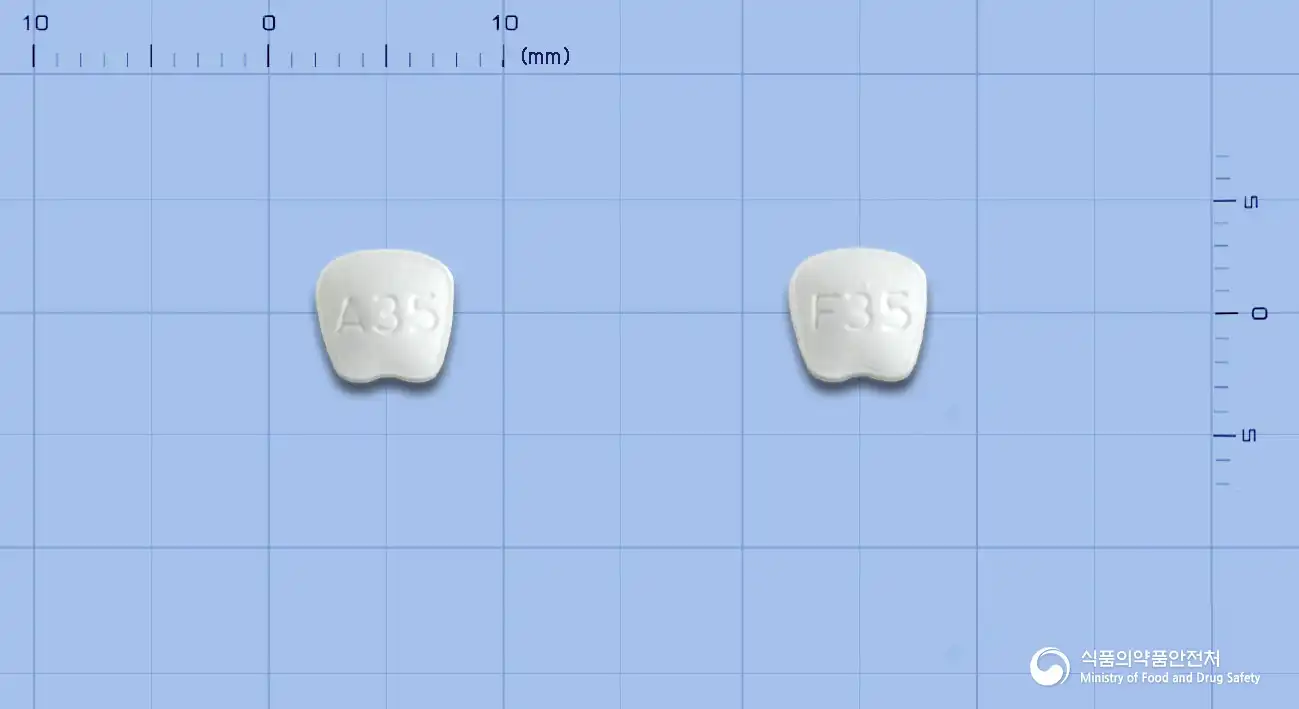 Combination
Fimasartan Potassium Trihydrate Granules 75mg · Amlodipine Besylate 6.94mg
Tablet · Prescription medication · Combination
Boryung Co., Ltd.
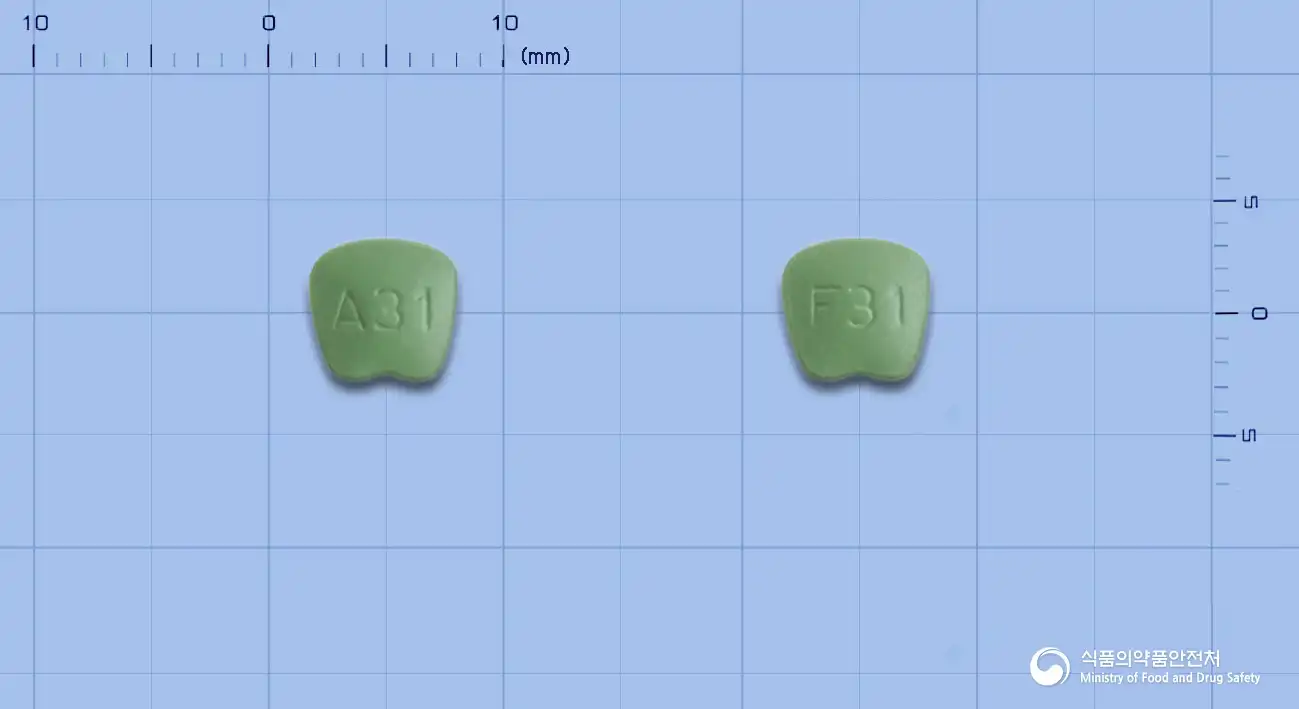 Combination
Fimasartan Potassium Trihydrate Granules 75mg · Amlodipine Besylate 13.88mg
Tablet · Prescription medication · Combination
Boryung Pharmaceutical Co., Ltd.
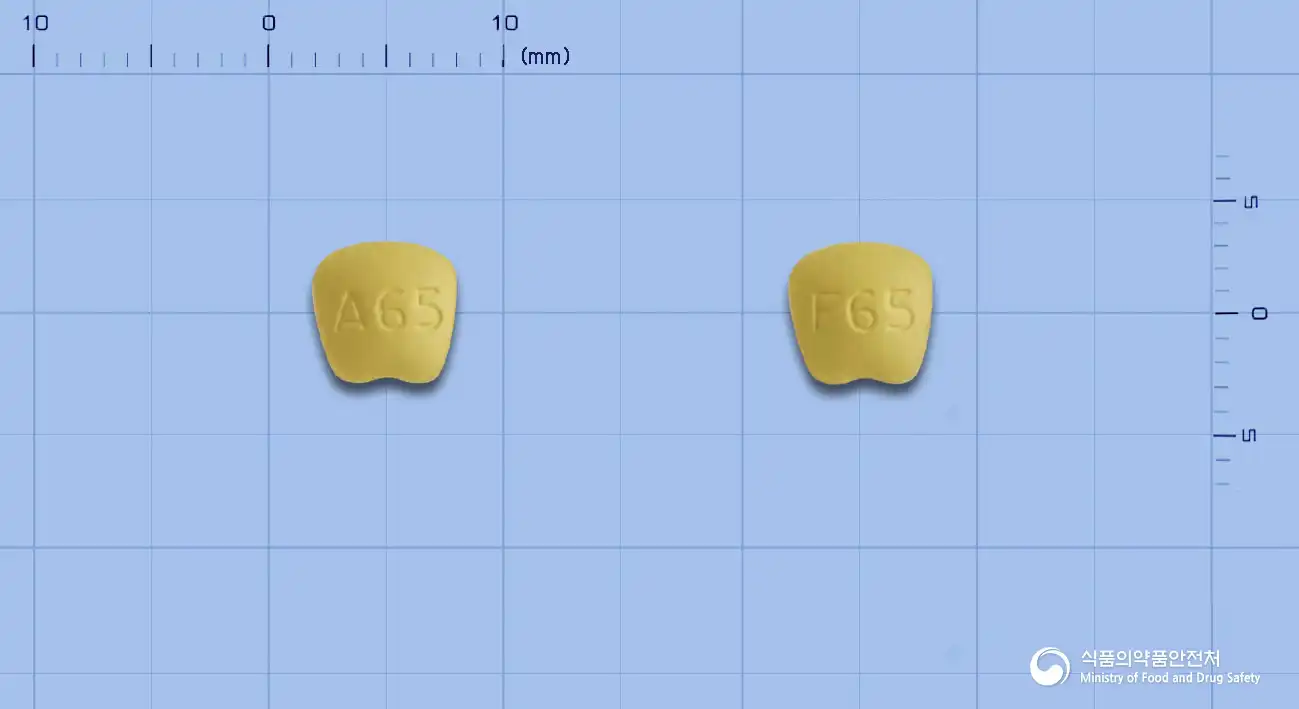 Combination
Fimasartan Potassium Trihydrate Granules 150mg · Amlodipine Besylate 6.94mg
Tablet · Prescription medication · Combination
Boryung Pharmaceutical Co., Ltd.
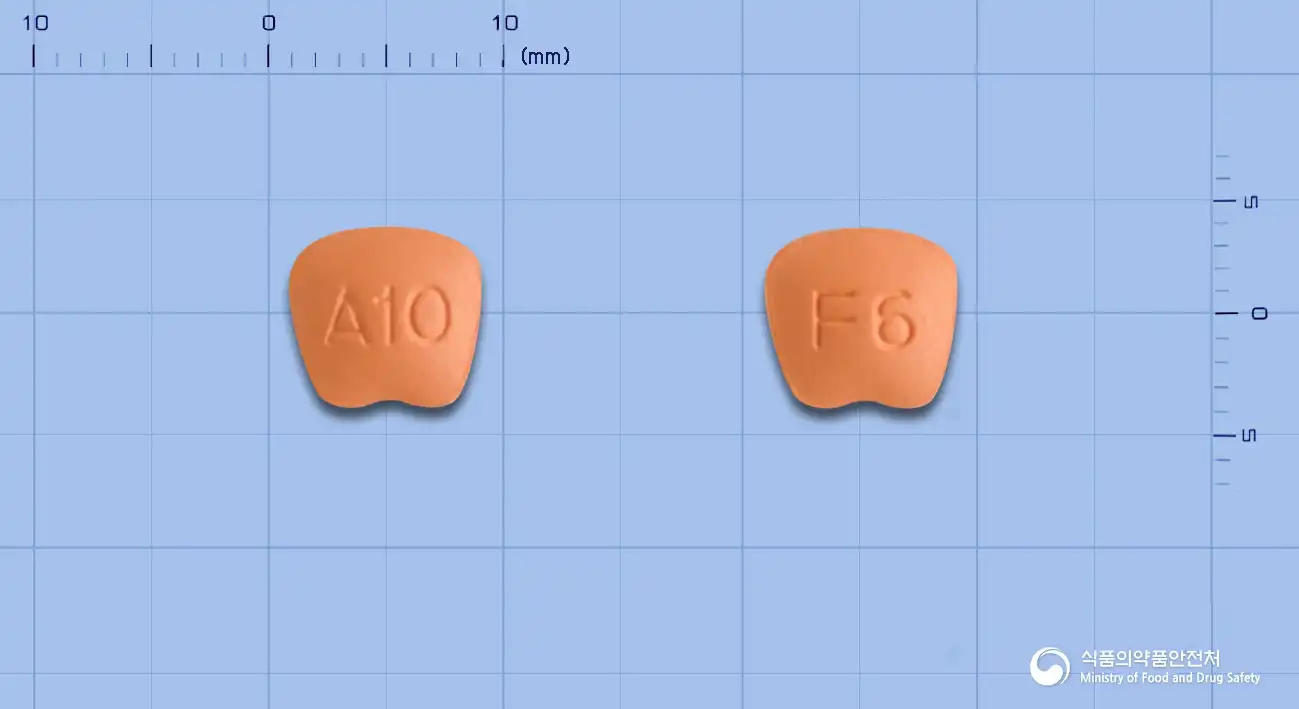 Combination
Fimasartan Potassium Trihydrate Granules 150mg · Amlodipine Besylate 13.88mg
Tablet · Prescription medication · Combination
Boryung Co., Ltd.
Fimasartan Potassium Trihydrate Granules 150mg · Amlodipine Besylate 13.88mg
Tablet · Prescription medication · Combination
Boryung Biopharma Co., Ltd.
Fimasartan Potassium Trihydrate Granules 75mg · Amlodipine Besylate 6.94mg
Tablet · Prescription medication · Combination
Boryung Biopharma Co., Ltd.
Fimasartan Potassium Trihydrate Granules 75mg · Amlodipine Besylate 13.88mg
Tablet · Prescription medication · Combination
Boryung Biopharma Co., Ltd.
Even with the same ingredient, the dose and directions can differ by strength and dosage form. Talk to a doctor or pharmacist before switching from a medication you are already taking.
No questions yet.
For anything that needs medical judgment, consult a doctor or pharmacist.
This drug information is based on data provided by the Korea Ministry of Food and Drug Safety.
Consult a doctor or pharmacist for accurate dosage, administration, and usage instructions.