
 한국어
한국어 English
 日本語
日本語 中文(简体)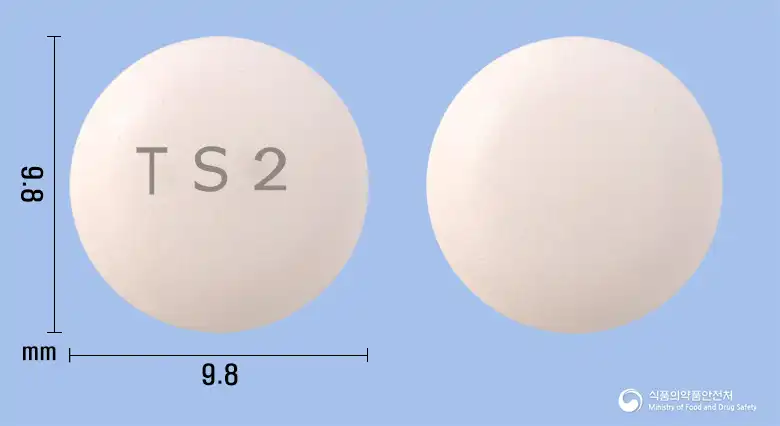
Summary
- Main use
- Improvement of melasma
- Who uses it
- Adults · Children
- Adult dosage
- For individuals aged 15 and over, take 2 tablets once, twice daily after meals.
- Children's dosage
- Do not administer to individuals under 15 years of age.
Ingredients
- Tranexamic Acid187.5mg / 1 tablet
- Ascorbic Acid75mg / 1 tablet
- L-Cysteine60mg / 1 tablet
- Calcium Pantothenate Type S9.25mg / 1 tablet
- Pyridoxine Hydrochloride1.5mg / 1 tablet
- Importer
- (주)보령
Efficacy & effects
Improvement of melasma
- Melasma
View approved original textHide original text
Melasma appears as brown spots on the face and can cause cosmetic problems for the skin. This condition is mainly caused by factors such as UV exposure, hormonal changes, and aging. Therefore, medications used for treating melasma help to reduce skin pigmentation and improve skin tone. These medications can make the skin bright and even, boosting confidence. It is used for the improvement of melasma.
Dosage and Administration
Adult dosage
For individuals aged 15 and over, take 2 tablets once, twice daily after meals.
Children's dosage
Do not administer to individuals under 15 years of age.
Precautions
This medication contains tranexamic acid and should not be taken by individuals already taking other medications containing tranexamic acid. Additionally, individuals undergoing thrombin treatment, which affects blood clotting, or those with severely impaired kidney or liver function should not use this medication. Persons with allergies to this drug or any of its components should avoid taking it. Individuals suffering from thrombosis, a condition where blood vessels become blocked, should be cautious when using this medication as it may cause issues with blood circulation. Persons receiving treatment from a physician or dentist, pregnant or breastfeeding women, as well as individuals over 55 years of age should consult with a healthcare professional before using this medication. Those with a family history or personal history of allergies, and previous experiences of drug allergies should also exercise caution. Individuals at risk of thrombosis or with kidney function issues, as well as those with a specific metabolic disorder known as cystinuria should consult before use. If there are liver spots or melasma on the skin, it may be difficult to distinguish if this medication is effective, it is advisable to consult a dermatologist. If symptoms such as skin rashes, itching, diarrhea, vomiting, abdominal pain, palpitations, headaches, or dizziness occur during the use of this medication, discontinue immediately and consult a healthcare professional. This medication makes it difficult to form clots, hence be alert for sudden severe headaches, chest pain, shortness of breath, or swelling and pain in one leg, which are early symptoms of thrombosis. It is recommended not to take this medication for longer than 2 months and to take it for about 1 month to check its effectiveness. If discontinuing and then restarting use, ensure at least a 2-month gap, and even then, no more than 2 months of continuous use should occur. Individual responses to melasma improvement can vary, and it may not completely disappear. This medication may affect urine or stool test results, so be sure to inform your healthcare provider before undergoing tests. Overdose may present symptoms such as nausea, vomiting, and hypotension; immediate treatment is required, and sufficient hydration is necessary. Store this medication in a sealed container to avoid exposure to air or moisture, ideally at room temperature between 1 and 30 degrees Celsius. Storing it this way will help maintain the drug's effectiveness and prevent deterioration. Do not transfer to another container, avoid handling with wet hands, and do not use expired products. The activated charcoal sheet contained in the packaging should never be ingested. Lastly, there have been reports of potential eye damage in animal testing with prolonged high doses of this medication, so it is advisable to avoid excessive long-term use in humans.
Side effects and when to seek care immediately
Serious side effects
- Initial symptoms of thrombosis: Severe headaches, tongue numbness, chest pain resembling constriction lasting more than 10 minutes, sudden shortness of breath, pain and swelling in one calf.
- Sudden respiratory distress of unknown cause.
- Transient loss of consciousness accompanied by chest pain.
Mild side effects
- Skin: Rash, itching
- Gastrointestinal: Diarrhea, nausea, vomiting, abdominal pain, appetite loss, heartburn
- Cardiovascular: Palpitations
- Nervous system: Headaches, dizziness
- Symptoms of overdose include nausea, vomiting, and orthostatic hypotension.
Not everyone experiences these, and they can vary from person to person.
Interactions
Drug interactions
This medication should not be taken in conjunction with tranexamic acid and thrombin. Additionally, individuals taking medications that pose a risk of thrombosis, such as oral contraceptives and hormone replacement therapy, should consult with a physician or pharmacist.
Storage
This medication should be stored in a sealed container to prevent exposure to air and moisture, ideally at room temperature between 1 and 30 degrees Celsius. Storing it this way will help maintain the drug's effectiveness and prevent deterioration.
Appearance and packaging
Appearance
Round film-coated tablets that are white or pale reddish-white
Package unit
120 tablets (60 tablets (6 tablets/PTP*10) *2)
Questions about this medicine
No questions yet.
For anything that needs medical judgment, consult a doctor or pharmacist.