
 한국어
 English
 日本語
 中文(简体)
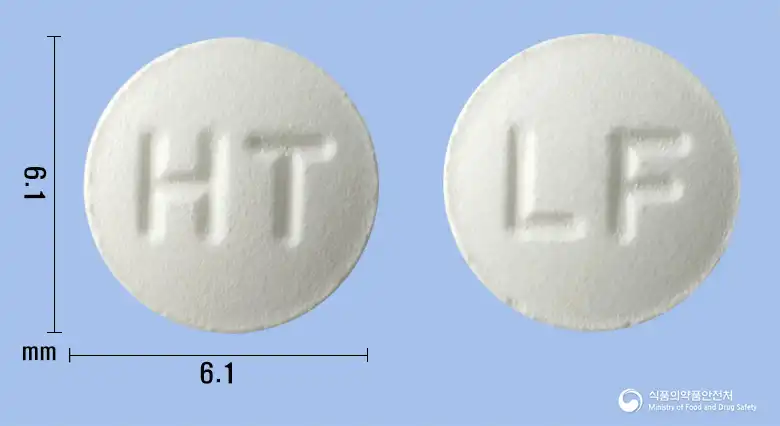 Viewing now
Lafutoga Home (Lafutidine)
Lafutidine 10mg
Tablet · Prescription medication
Korea Hytex Pharmaceutical Co., Ltd.
MFDS item code 201603129 · Approved 2016.05.31 · Insurance code 649103060
Treatment of gastrointestinal disorders (e.g., ulcers and gastritis); preanesthetic medication; combination therapy for Helicobacter pylori eradication
This medication is used to treat gastric ulcers and duodenal ulcers. It also improves gastric mucosal damage caused by acute gastritis and chronic gastritis, and enhances treatment efficacy when used in combination with antibiotics for patients with peptic ulcers infected with Helicobacter pylori. It is also used as premedication before surgery or procedures, and is effective for treating gastroesophageal reflux disease. It is used to effectively improve a variety of gastrointestinal diseases.
1. Short-term treatment of gastric ulcers: The usual dose is 10mg of lafutidine per dose, administered orally 2 times daily in the morning and at bedtime. Clinical trials of up to 8 weeks showed that most ulcers healed within 8 weeks, although healing time may occasionally vary from patient to patient. 2. Short-term treatment of duodenal ulcers: The usual dose is 10mg of lafutidine per dose, administered orally 2 times daily in the morning and at bedtime. Clinical trials of up to 6 weeks showed that most ulcers healed within 6 weeks, although healing time may occasionally vary from patient to patient. 3. Improvement of gastric mucosal lesions in acute and chronic gastritis: The usual dose is 10mg of lafutidine once daily, administered orally at bedtime. Clinical trials of up to 2 weeks showed that most lesions healed within 2 weeks, although healing time may occasionally vary from patient to patient. 4. Combination therapy with antibiotics in patients with peptic ulcer disease infected with Helicobacter pylori: Administer lafutidine 20mg, clarithromycin 500mg, and amoxicillin 1000mg 2 times daily for 7 days or 14 days. 5. Premedication for anesthesia: The usual dose is 10mg of lafutidine per dose, administered orally 2 times (at bedtime on the day before surgery and 2 hours before anesthesia on the day of surgery). 6. Treatment of reflux esophagitis: Administer 10mg of lafutidine per dose orally 2 times daily.
This medication should not be used by patients allergic to its components. This medication contains lactose, so patients with a deficiency of lactase or genetic problems that prevent lactose digestion should not take it. Patients with a history of drug allergies, those with liver or kidney function problems, patients undergoing dialysis, and elderly patients should be particularly cautious when using this medication. Severe allergic reactions such as anaphylaxis may occur during treatment, so if symptoms like paleness, low blood pressure, or difficulty breathing occur, the medication should be discontinued immediately and medical attention sought. Liver function abnormalities or jaundice may develop, so regular liver function tests are necessary, and if any abnormalities arise, the medication should be stopped. Symptoms such as agranulocytosis or thrombocytopenia resulting in reduced blood cell counts may occur, so if sore throat, fatigue, or fever appear, medical advice should be sought immediately. Rarely, serious side effects such as skin rash, convulsions, nephritis, and heart issues have been reported, so if these symptoms occur, immediate medical attention is required. Gastrointestinal symptoms such as constipation, diarrhea, vomiting, and loss of appetite may occur, along with central nervous system symptoms such as headache, drowsiness, insomnia, and dizziness. Liver enzyme levels may rise, kidney function anomalies, and blood test result changes may occur, so regular testing is needed. This medication is used to treat gastric ulcers or gastroesophageal reflux disease, and if symptoms do not improve during treatment or if malignancy is suspected, further examination is required. Elderly patients may have reduced physiological functions, so dosage and administration intervals should be adjusted and used cautiously. Dialysis patients may have increased drug levels in the blood, so they should start with a low dose and adjust gradually. Pregnant women should only be given this medication if the benefits outweigh the risks, based on a doctor’s judgement, and nursing mothers should avoid taking it as it may be excreted in breast milk. The safety of this medication in children has not been established, so it is advisable not to use it in pediatric patients. The medication should be stored out of reach of children, and it should be kept in its original container; transferring it to another container may risk misuse or degradation of quality.
Not everyone experiences these, and they can vary from person to person.
This medication should be stored in a tightly closed container to prevent exposure to air or moisture. It is recommended to keep the storage temperature between 1°C and 30°C.
White round film-coated tablet
30 tablets/bottle, 300 tablets/bottle
Even with the same ingredient, strength, dosage form and how it is taken can differ.
Viewing nowLafutidine 10mg
Tablet · Prescription medication
Korea Hytex Pharmaceutical Co., Ltd.
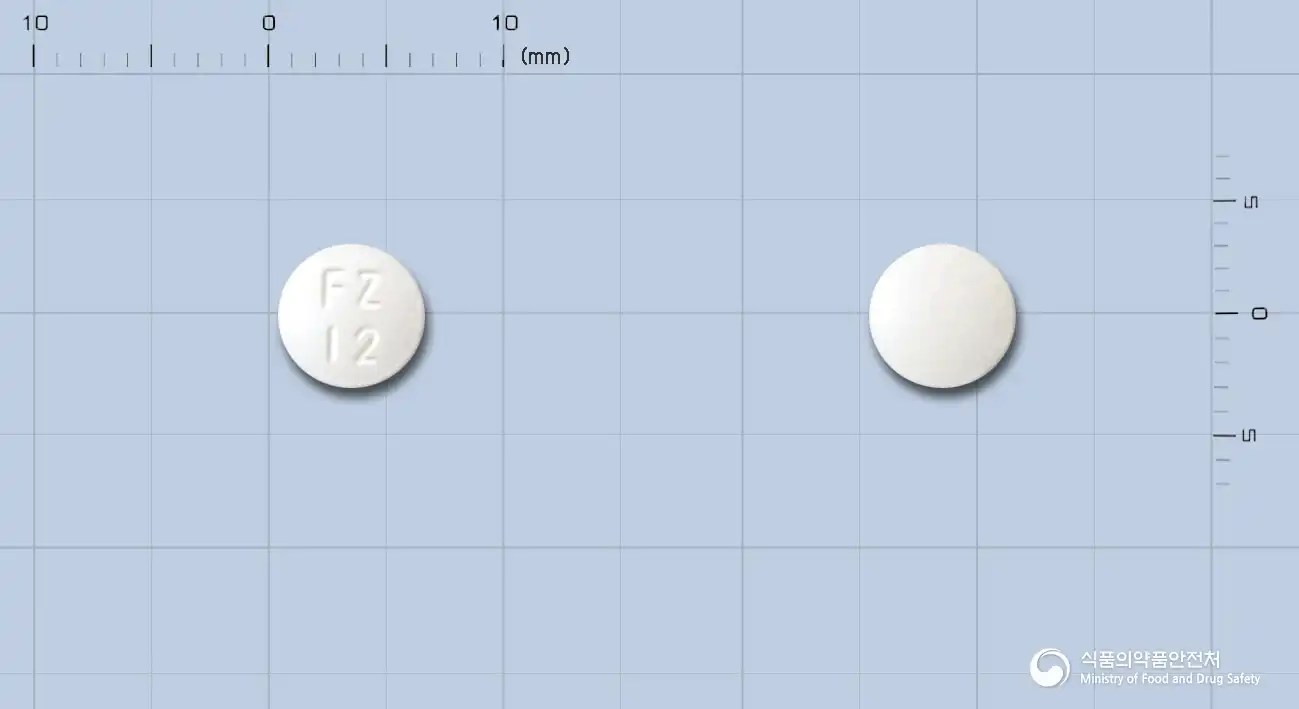
Lafutidine 10mg
Tablet · Prescription medication
Boryung Pharmaceutical Co., Ltd.
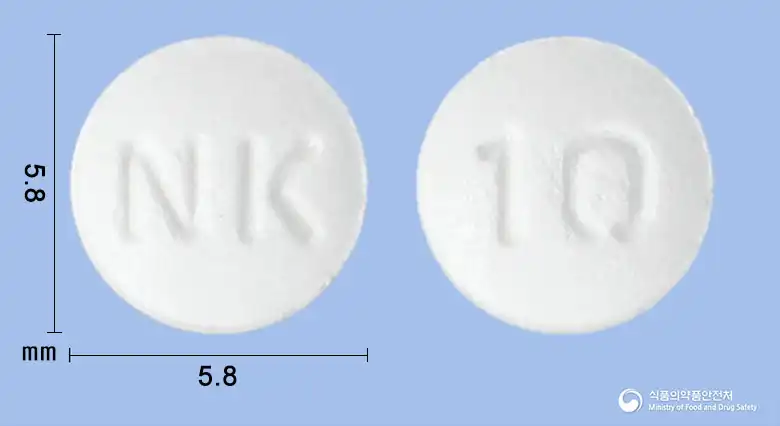
Lafutidine 10mg
Tablet · Prescription medication
Nexpam Korea Co., Ltd.
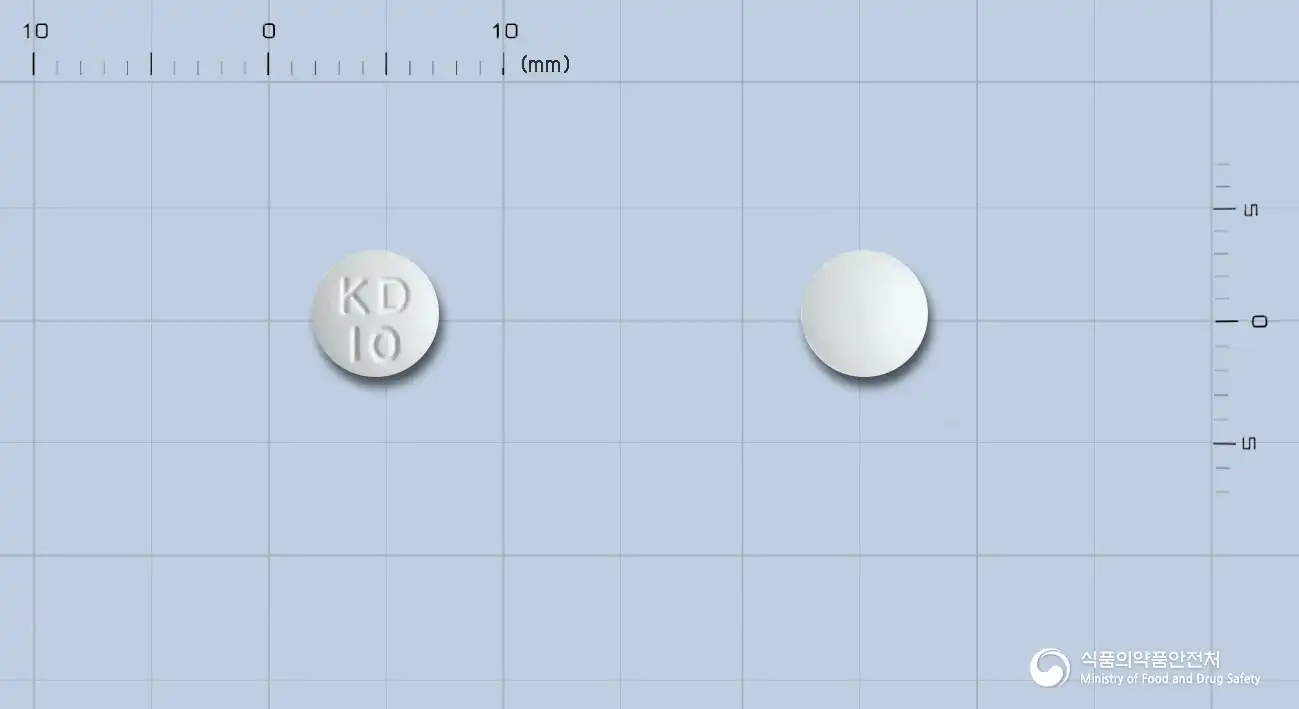
Lafutidine 10mg
Tablet · Prescription medication
Kwang Dong Pharmaceutical Co., Ltd.

Lafutidine 10mg
Tablet · Prescription medication
Ha Won Pharmaceutical Co., Ltd.
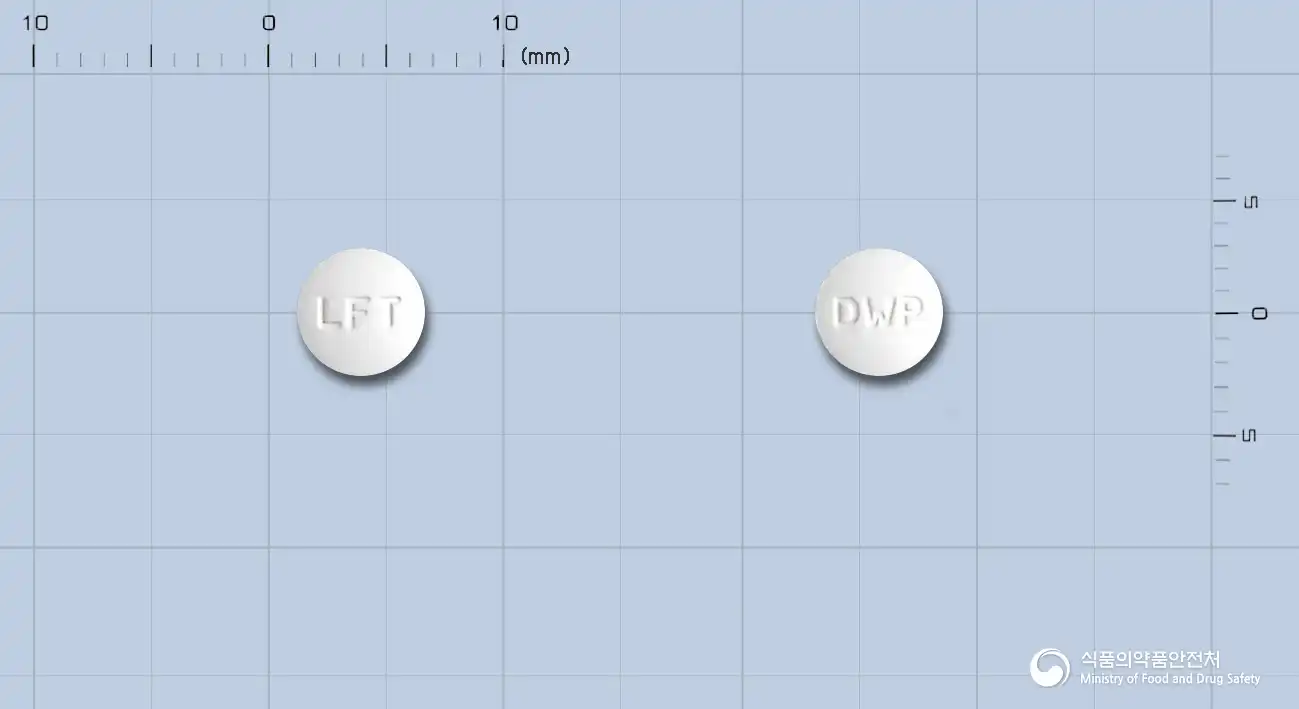
Lafutidine 10mg
Tablet · Prescription medication
Daewon Pharmaceutical Co., Ltd.
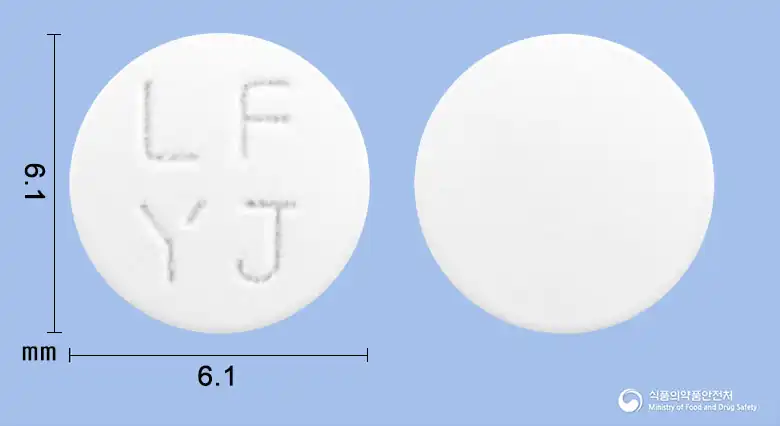
Lafutidine 10mg
Tablet · Prescription medication
Youngjin Pharmaceutical Co., Ltd.
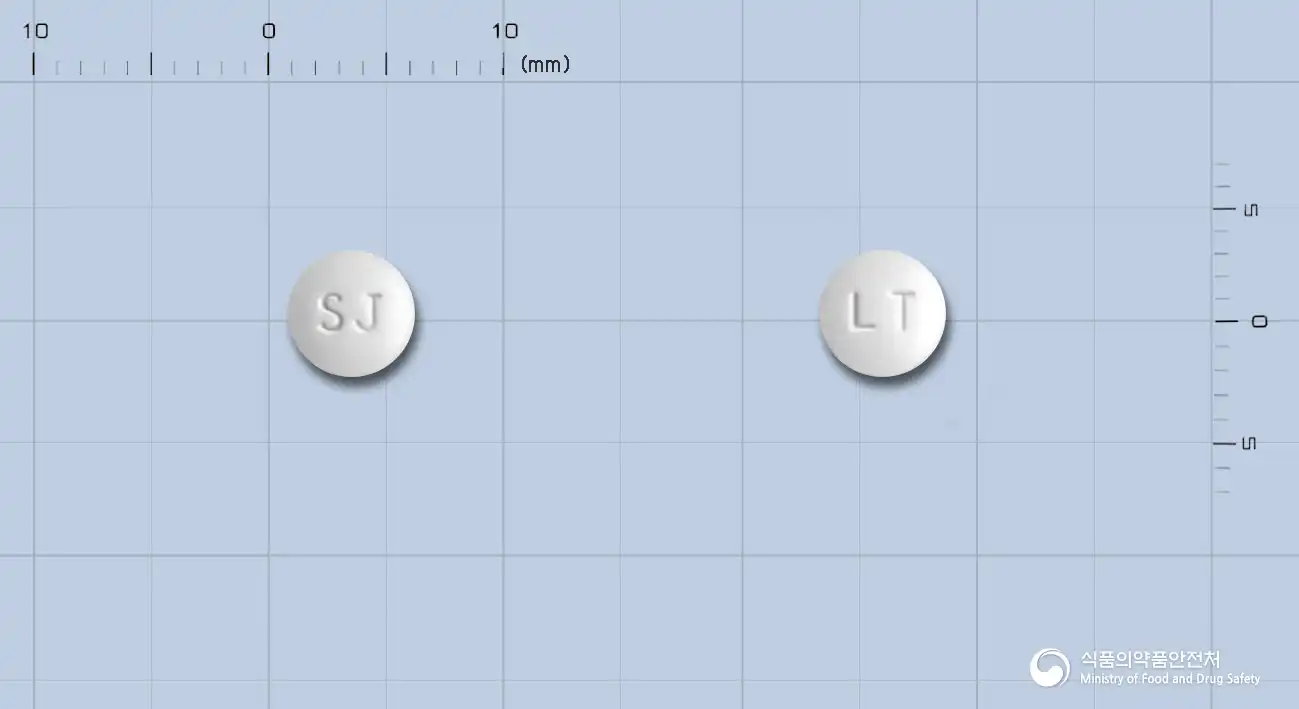
Lafutidine 10mg
Tablet · Prescription medication
Samjin Pharmaceutical Co., Ltd.
Even with the same ingredient, the dose and directions can differ by strength and dosage form. Talk to a doctor or pharmacist before switching from a medication you are already taking.
No questions yet.
For anything that needs medical judgment, consult a doctor or pharmacist.
This drug information is based on data provided by the Korea Ministry of Food and Drug Safety.
Consult a doctor or pharmacist for accurate dosage, administration, and usage instructions.