
 한국어
한국어 English
 日本語
日本語 中文(简体)
 Viewing nowCombination
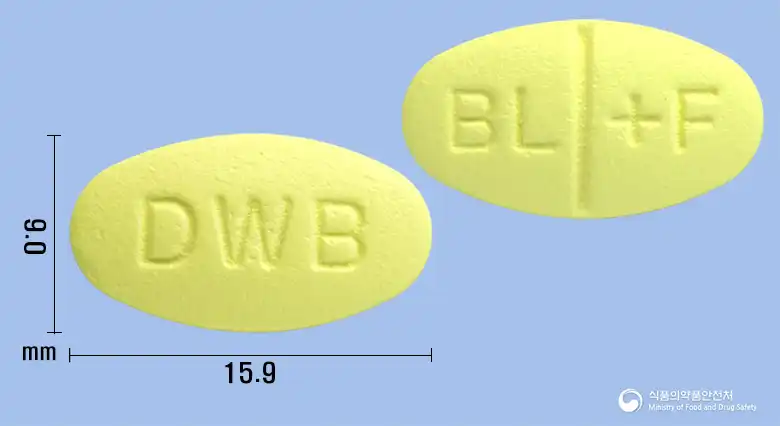
Bea Rotan Plus F Tablets
Losartan Potassium 100mg · Hydrochlorothiazide 25mg
Tablet · Prescription medication · Combination
Daewoong Bio Co., Ltd.
MFDS item code 201603093 · Approved 2016.05.31 · Insurance code 694001190
Improvement in blood pressure control when monotherapy for hypertension is insufficient
This drug is used for patients with hypertension whose blood pressure is not sufficiently controlled by monotherapy.
Losartan Potassium 50 mg / Hydrochlorothiazide 12.5 mg once daily as one tablet. A daily dose exceeding Losartan Potassium 100 mg / Hydrochlorothiazide 25 mg is not advisable. Begin with Losartan Potassium 50 mg / Hydrochlorothiazide 12.5 mg once daily; if blood pressure is not controlled after 3 weeks of treatment, the dosage may be increased to a maximum of Losartan Potassium 100 mg / Hydrochlorothiazide 25 mg.
There is no experience of use in children and adolescents, thus it should not be administered.
This medication may cause serious harm to the fetus when taken during pregnancy, especially in the second and third trimesters. Therefore, if pregnancy is confirmed, it should be discontinued immediately. This drug should not be administered to patients with certain diseases or conditions. For example, patients who are allergic to this drug or its components, those with severely impaired kidney function, severe liver impairment, and women who are pregnant or may become pregnant should not take this drug. Additionally, patients with a history of hypotension, kidney problems, liver impairment, electrolyte imbalances in the blood, diabetes, or gout should be cautious when taking this drug and should consult with a physician. During treatment, regular check-ups for blood pressure, kidney function, and electrolyte levels should be conducted to ensure there are no abnormalities. Rarely, side effects such as skin rash, headache, dizziness, cough, indigestion, myalgia, and hypotension may occur; if symptoms are severe or persistent, medical advice should be sought. Furthermore, this drug may increase sensitivity to sunlight or ultraviolet rays, so it is advisable to take precautions against UV exposure during treatment. During treatment, avoid the indiscriminate use of potassium supplements or salt substitutes containing potassium, and inform your healthcare professional about all medications you are taking due to potential drug interactions. Pregnant or nursing women should consult with their physician before taking this medication, and caution should be taken because this drug may pass into breast milk. There is insufficient experience with this drug's use in children and adolescents, so it is generally not recommended. Elderly patients may have a higher risk of side effects when taking this medication and should be monitored carefully.
Hives, severe swelling (edema), chest tightness, shortness of breath, cold sweat, pallor, severe rash with high fever, blisters, skin peeling, pain in oral/ocular mucosa, difficulty breathing or shortness of breath, asthma attacks, respiratory distress with cough + fever, yellowing of the skin or eyes (jaundice), extreme general malaise, sudden severe headache, thunderclap headache, seizures, confusion of consciousness, visual disturbances, numbness, urination
Abdominal pain, edema/swelling, palpitations, back pain, dizziness, cough, sinusitis, upper respiratory infection, weakness/fatigue, diarrhea, nausea, headache, bronchitis, pharyngitis, chest pain, facial swelling, fever, orthostatic hypotension, syncope, angina, arrhythmias (atrial fibrillation, sinus bradycardia, tachycardia, ventricular tachycardia, ventricular fibrillation), hypotension, myocardial infarction, secondary atrioventricular block, anorexia, constipation, toothache, dry mouth, dyspepsia, flatulence, gastritis, vomiting, malaise,
Not everyone experiences these, and they can vary from person to person.
This drug is sensitive to light and should be stored in an opaque container. Additionally, it should be kept away from excessively hot or cold places, and it is best stored at a normal room temperature between 1°C and 30°C.
Pale yellow oval film-coated tablet
30 tablets/bottle, 300 tablets/bottle
Even with the same ingredient, strength, dosage form and how it is taken can differ.
Viewing nowCombinationLosartan Potassium 100mg · Hydrochlorothiazide 25mg
Tablet · Prescription medication · Combination
Daewoong Bio Co., Ltd.
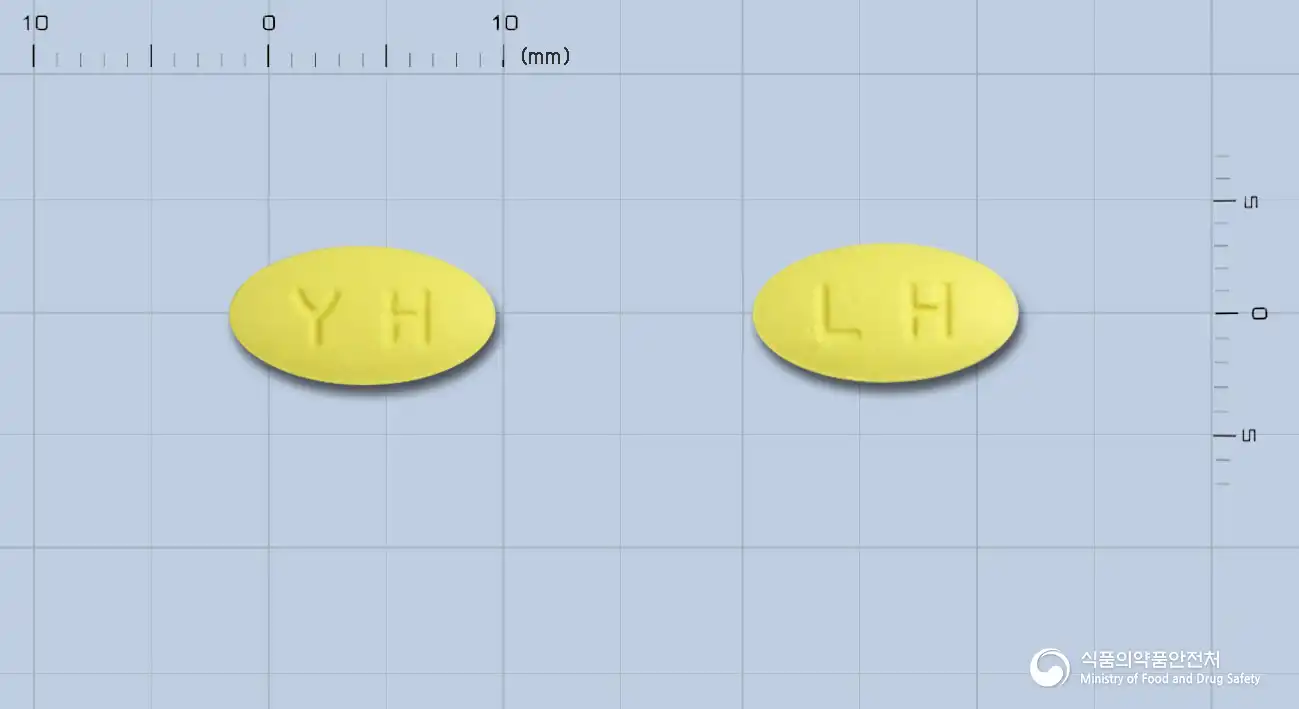 Combination
Losartan Potassium 50mg · Hydrochlorothiazide 12.5mg
Tablet · Prescription medication · Combination
(Co., Ltd.) Yuhan
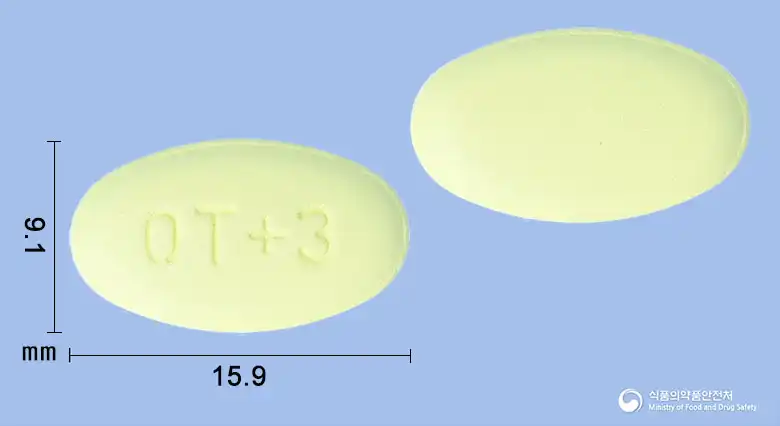 Combination
Losartan Potassium 100mg · Hydrochlorothiazide 25mg
Tablet · Prescription medication · Combination
Hanmi Pharmaceutical Co., Ltd.
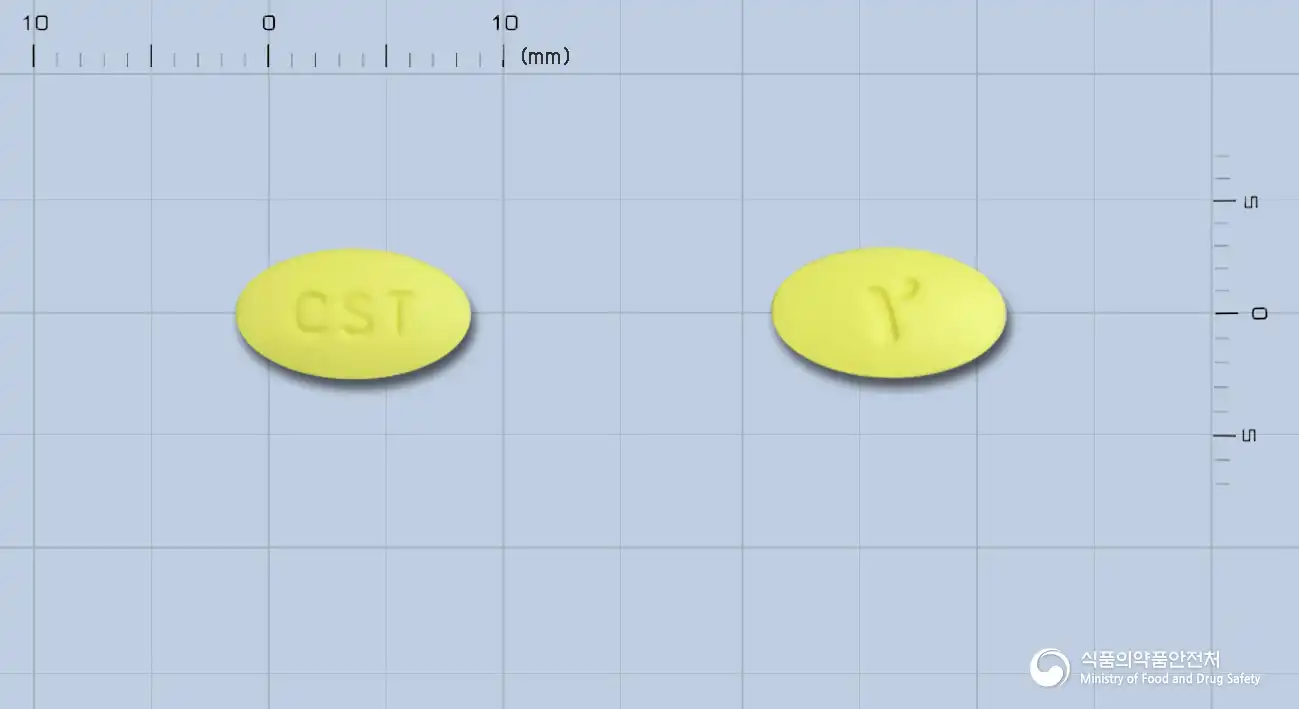 Combination
Losartan Potassium 50mg · Hydrochlorothiazide 12.5mg
Tablet · Prescription medication · Combination
(Co., Ltd. ) Yuyoung Pharmaceutical
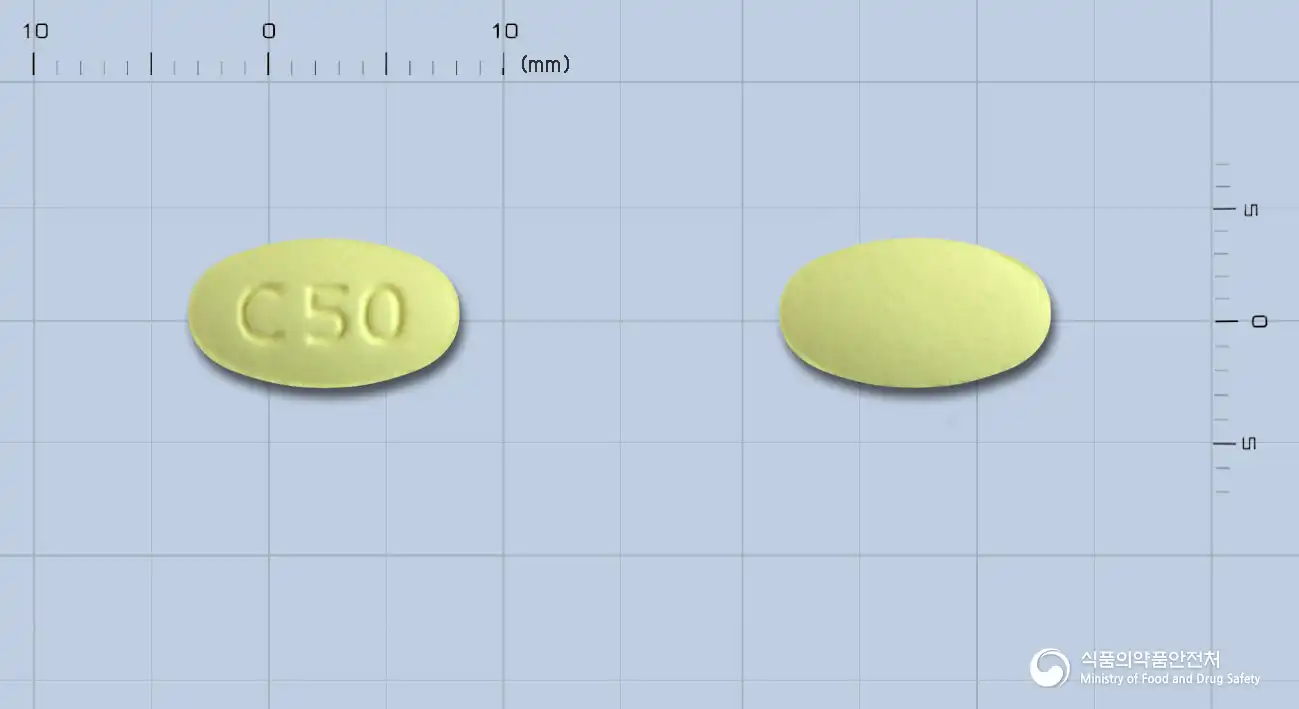 Combination
Losartan Potassium 50mg · Hydrochlorothiazide 12.5mg
Tablet · Prescription medication · Combination
Youngpoong Pharmaceutical Co., Ltd.
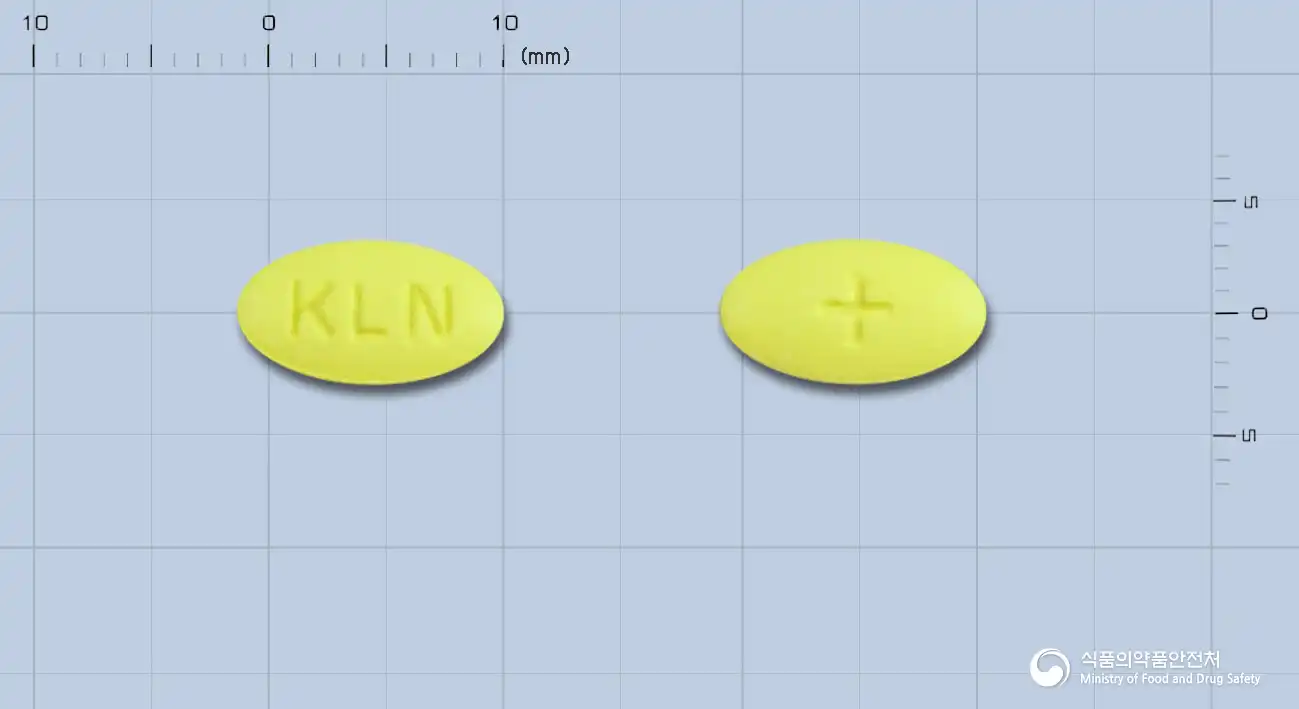 Combination
Losartan Potassium 50mg · Hydrochlorothiazide 12.5mg
Tablet · Prescription medication · Combination
Kolon Pharmaceutical Co., Ltd.
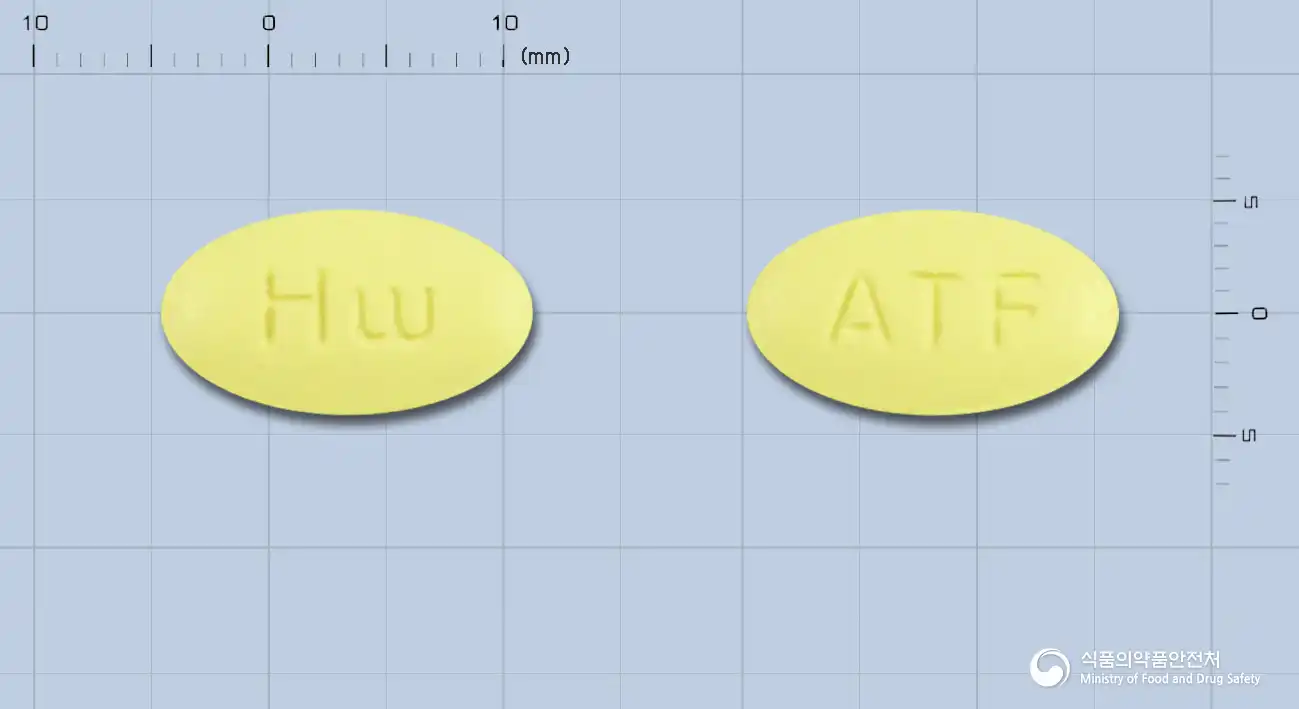 Combination
Losartan Potassium 100mg · Hydrochlorothiazide 25mg
Tablet · Prescription medication · Combination
NBK Pharmaceutical Co., Ltd.
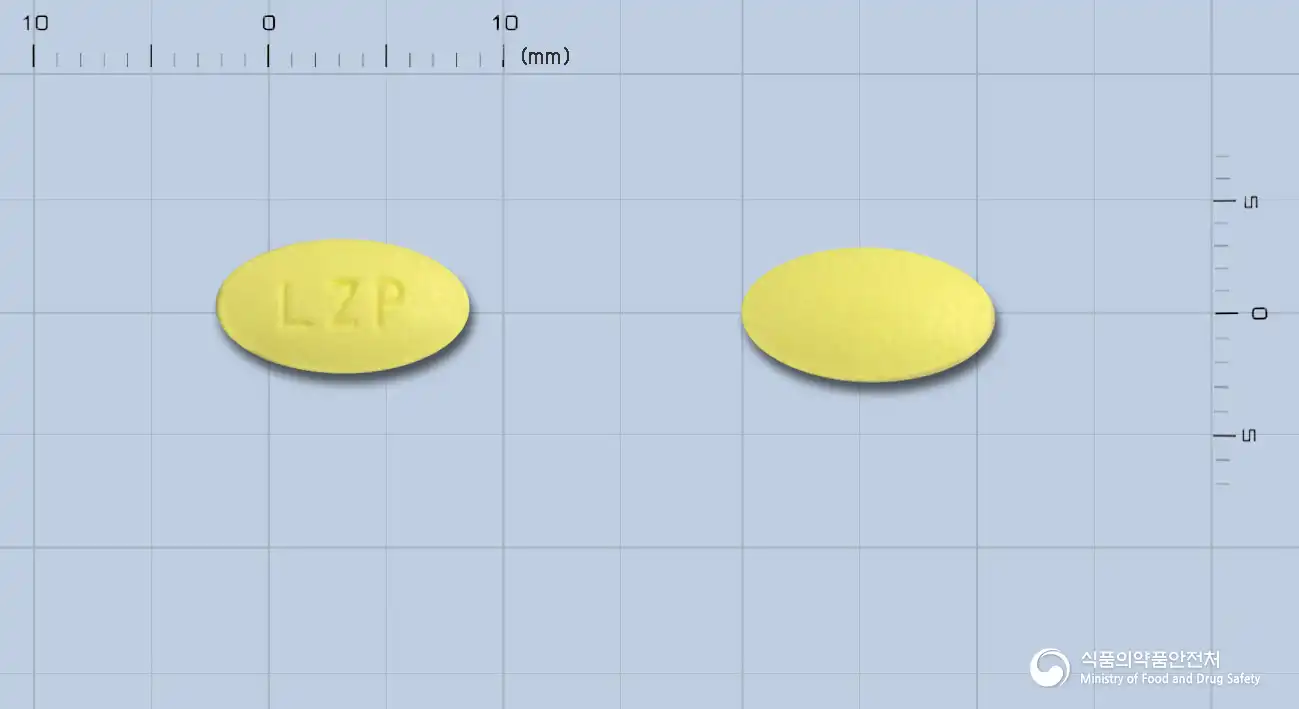 Combination
Losartan Potassium 50mg · Hydrochlorothiazide 12.5mg
Tablet · Prescription medication · Combination
Dongkwang Pharmaceutical Co., Ltd.
Even with the same ingredient, the dose and directions can differ by strength and dosage form. Talk to a doctor or pharmacist before switching from a medication you are already taking.
No questions yet.
For anything that needs medical judgment, consult a doctor or pharmacist.
This drug information is based on data provided by the Korea Ministry of Food and Drug Safety.
Consult a doctor or pharmacist for accurate dosage, administration, and usage instructions.