
 한국어
한국어 English
 日本語
日本語 中文(简体)
 Viewing nowCombination
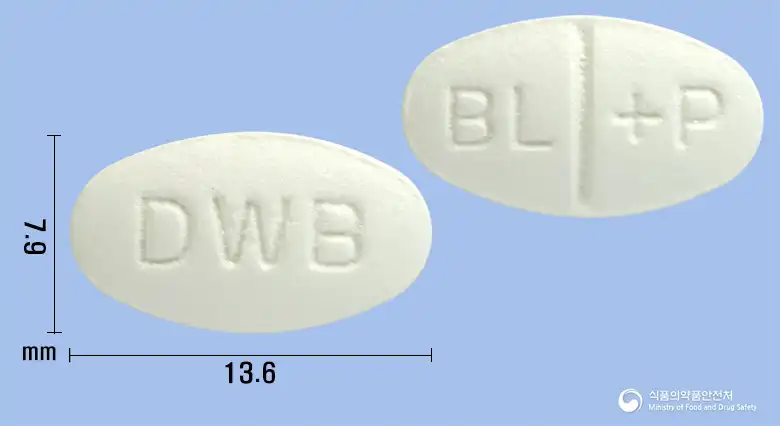
BeaRatan Plus Pro Tablet
Losartan Potassium 100mg · Hydrochlorothiazide 12.5mg
Tablet · Prescription medication · Combination
Daewoong Bio Co., Ltd.
MFDS item code 201603092 · Approved 2016.05.31 · Insurance code 694001140
Improvement in blood pressure control when monotherapy for hypertension is insufficient
This medication is used to effectively manage blood pressure in patients with hypertension where blood pressure is not sufficiently controlled by monotherapy alone.
Losartan Potassium 50 mg/Hydrochlorothiazide 12.5 mg once daily as one tablet. Doses exceeding Losartan Potassium 100 mg/Hydrochlorothiazide 25 mg per day are undesirable. Patients whose blood pressure is not controlled by monotherapy with Losartan or Hydrochlorothiazide will start with Losartan Potassium 50 mg/Hydrochlorothiazide 12.5 mg once daily as one tablet, and after 3 weeks of administration
There is no experience of use in children and adolescents (under 18 years), thus it should not be administered.
This medication can cause serious harm to the fetus, especially during the second and third trimesters of pregnancy, and should not be taken by women who are pregnant or may become pregnant. Patients who are allergic to any ingredient in this medication or who have certain kidney and liver diseases or electrolyte imbalances should not use it. Patients with excessively low blood pressure or severe renal impairment, and those with certain genetic diseases should also not take this medication. When taking this medication, careful observation for adverse effects such as hypotension, electrolyte imbalance, renal function abnormalities, hepatic function abnormalities, hyperuricemia, blood glucose changes, and skin rash or allergic reactions should be conducted. The hydrochlorothiazide component can alter electrolyte levels in the body, thus regular blood tests and electrolyte checks are necessary. This medication may interact with other antihypertensives, diuretics, potassium supplements, non-steroidal anti-inflammatory drugs, and lithium preparations, so if you are taking other medications, it is essential to consult with a healthcare provider. During the course of taking this medication, sudden dizziness or drowsiness may occur, necessitating caution when driving or operating machinery. The safety of this medication in children and adolescents has not been established, and elderly patients may experience more frequent adverse reactions, making caution necessary. Pregnant or nursing mothers should avoid taking this medication, and particularly nursing mothers should either discontinue breastfeeding or consult with a physician. Signs of overdose may include hypotension and changes in heart rate; immediate medical attention is required. This medication should be stored out of reach of children and kept in its original container, and the container or storage methods should not be altered.
Hives, angioedema (swelling of lips and eyelids, and facial rash), angioedema (swelling of the larynx/epiglottis which may cause airway obstruction), jaundice (intrahepatic cholestatic jaundice), acute respiratory distress syndrome (ARDS), difficulty breathing, renal failure, anuria, hypotension, hepatitis, cerebrovascular accident, fainting, myocardial infarction, angina, arrhythmia, secondary AV block, thrombocytopenia, vasculitis, anaphylaxis
Not everyone experiences these, and they can vary from person to person.
This medication is sensitive to light and should be stored in a container that protects it from light. Additionally, it is important to store the medication at room temperature, that is, between 1 degree and 30 degrees Celsius.
White to grayish-white oval film-coated tablets
30 tablets/bottle, 300 tablets/bottle
Even with the same ingredient, strength, dosage form and how it is taken can differ.
Viewing nowCombinationLosartan Potassium 100mg · Hydrochlorothiazide 12.5mg
Tablet · Prescription medication · Combination
Daewoong Bio Co., Ltd.
 Combination
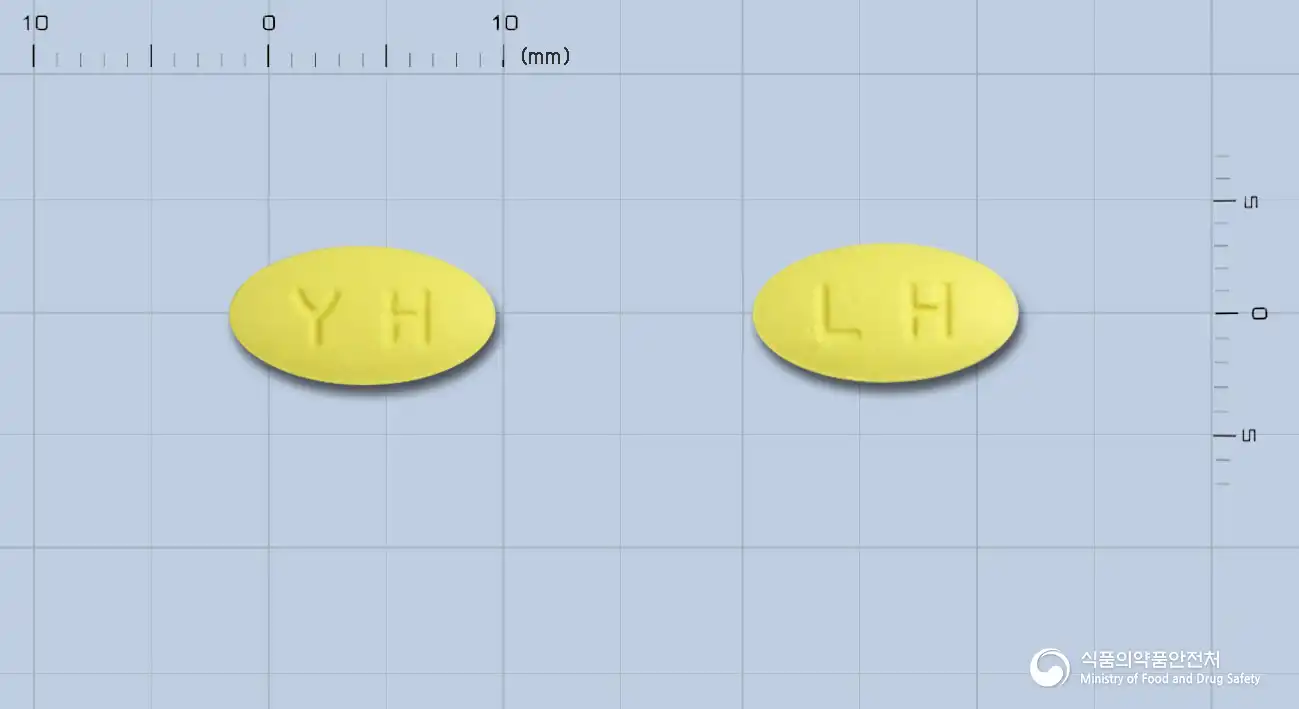
Losartan Potassium 50mg · Hydrochlorothiazide 12.5mg
Tablet · Prescription medication · Combination
(Co., Ltd.) Yuhan
 Combination
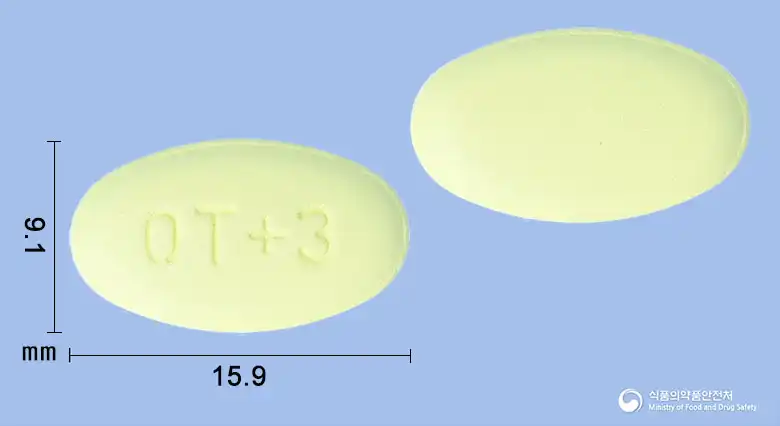
Losartan Potassium 100mg · Hydrochlorothiazide 25mg
Tablet · Prescription medication · Combination
Hanmi Pharmaceutical Co., Ltd.
 Combination
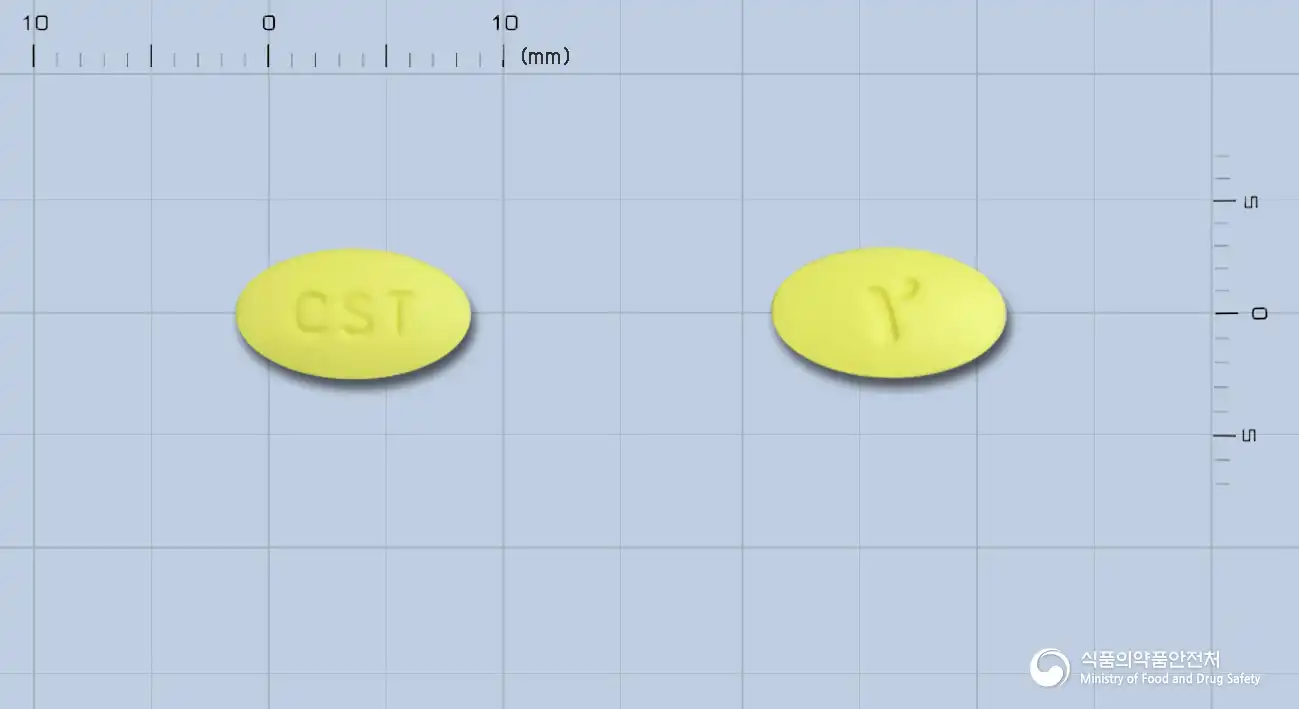
Losartan Potassium 50mg · Hydrochlorothiazide 12.5mg
Tablet · Prescription medication · Combination
(Co., Ltd. ) Yuyoung Pharmaceutical
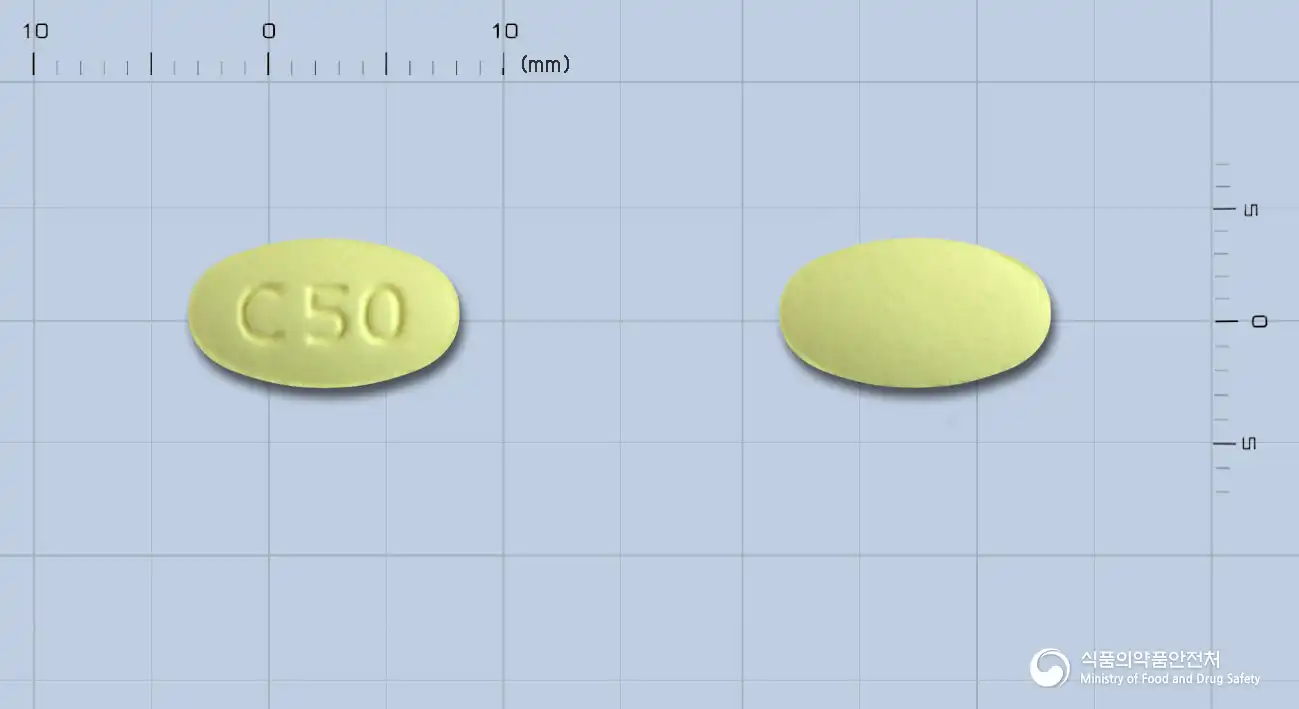 Combination
Losartan Potassium 50mg · Hydrochlorothiazide 12.5mg
Tablet · Prescription medication · Combination
Youngpoong Pharmaceutical Co., Ltd.
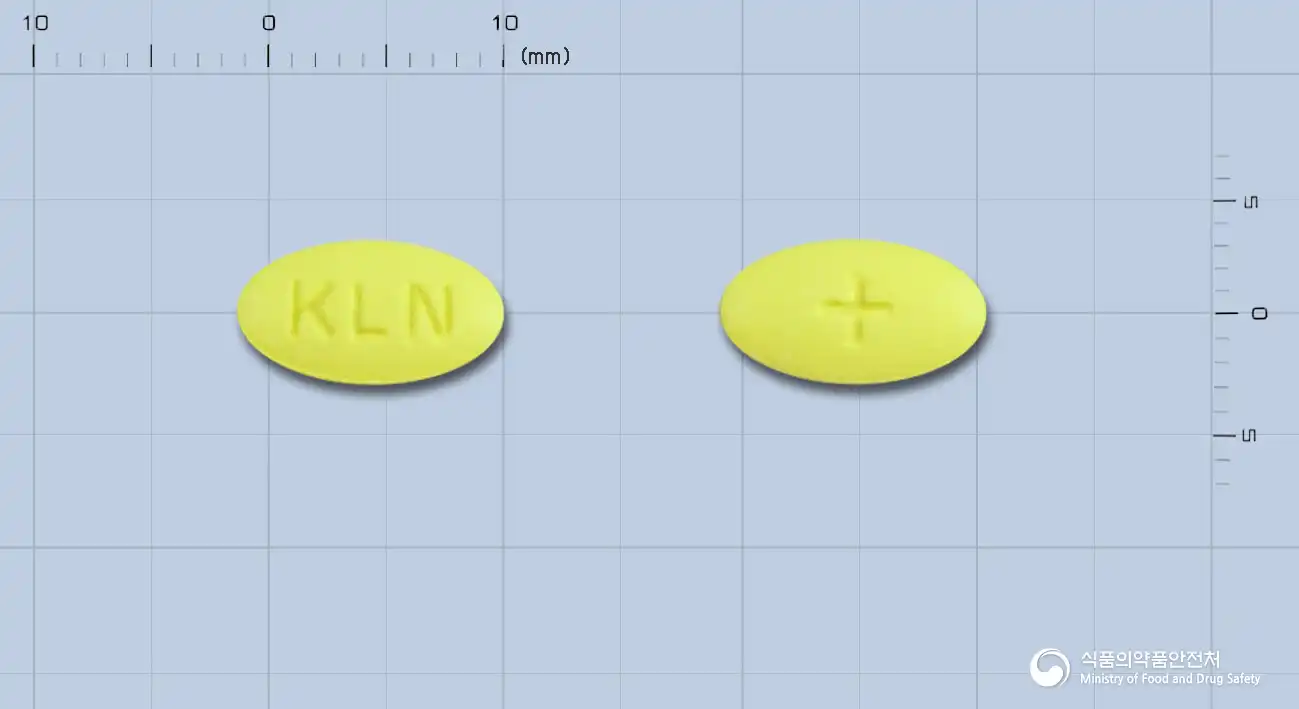 Combination
Losartan Potassium 50mg · Hydrochlorothiazide 12.5mg
Tablet · Prescription medication · Combination
Kolon Pharmaceutical Co., Ltd.
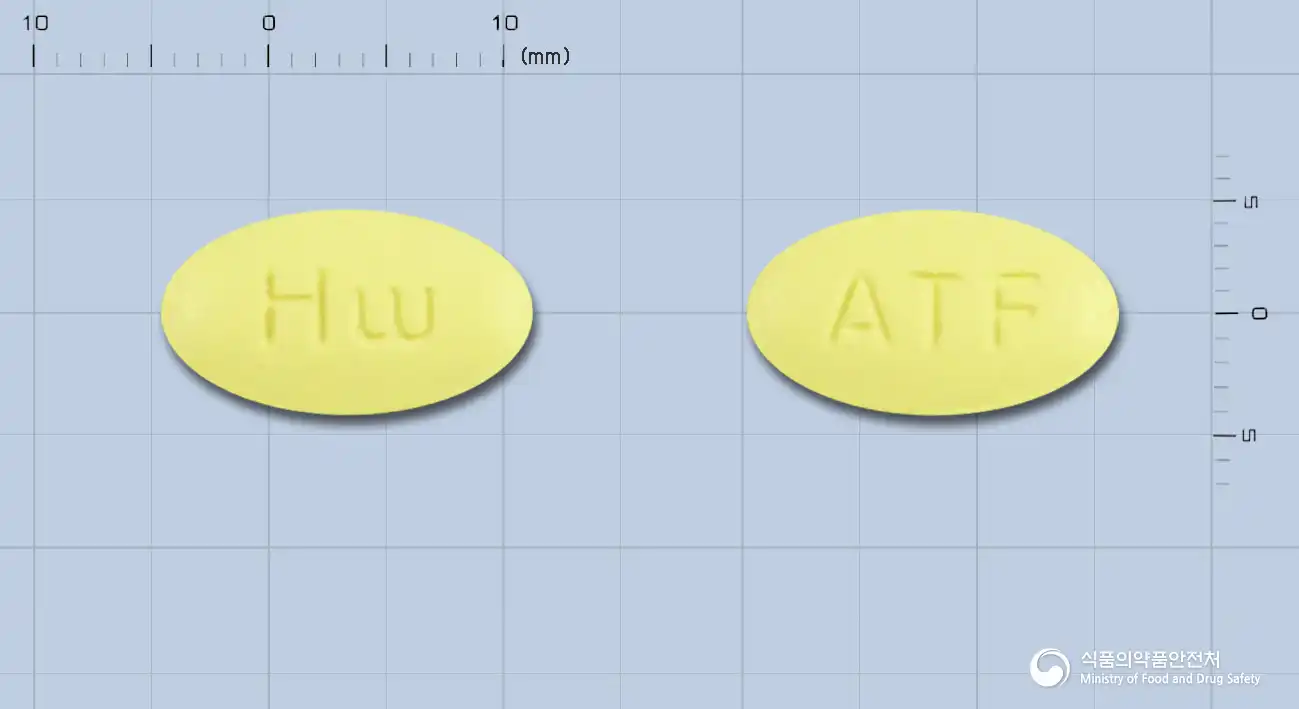 Combination
Losartan Potassium 100mg · Hydrochlorothiazide 25mg
Tablet · Prescription medication · Combination
NBK Pharmaceutical Co., Ltd.
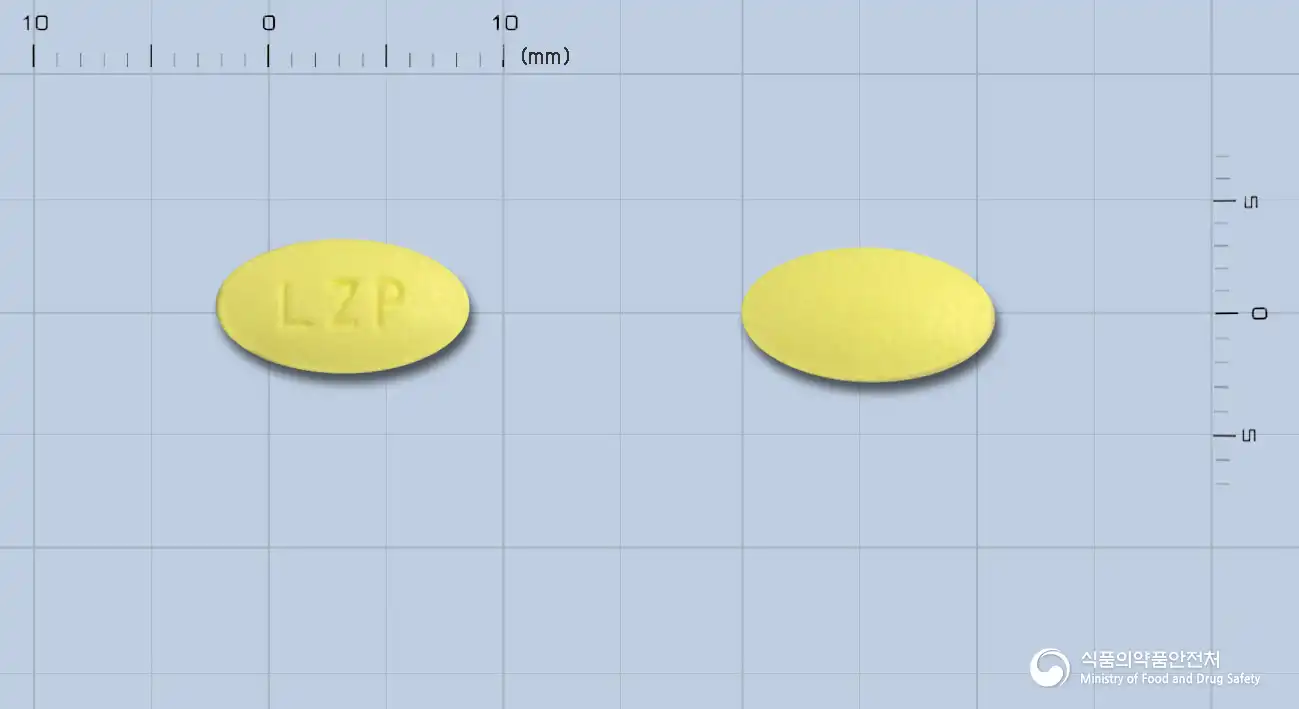 Combination
Losartan Potassium 50mg · Hydrochlorothiazide 12.5mg
Tablet · Prescription medication · Combination
Dongkwang Pharmaceutical Co., Ltd.
Even with the same ingredient, the dose and directions can differ by strength and dosage form. Talk to a doctor or pharmacist before switching from a medication you are already taking.
No questions yet.
For anything that needs medical judgment, consult a doctor or pharmacist.
This drug information is based on data provided by the Korea Ministry of Food and Drug Safety.
Consult a doctor or pharmacist for accurate dosage, administration, and usage instructions.