
 한국어
한국어 English
 日本語
日本語 中文(简体)
Dosage form image
Viewing nowSitagliptin Tablets 50mg (Sitagliptin Phosphate)
Sitagliptin Phosphate 62.04mg
Tablet · Prescription medication
Ilyun Pharmaceutical Co., Ltd.
MFDS item code 201603055 · Approved 2016.05.30
Improvement in blood sugar control in type 2 diabetes
This medication is used to help manage blood sugar levels in patients with type 2 diabetes. It may initially be administered alone; however, in cases where prior diabetes medication treatment has not been experienced or where blood sugar control is difficult with monotherapy, it can be taken in conjunction with metformin. Additionally, if blood sugar control is challenging even with monotherapy using sulfonylureas, metformin, thiazolidinediones, or insulin, this medication can be combined for more effective control. Furthermore, if adequate control is not achieved through the combination therapies of the aforementioned medications, this drug can be added as well. In this way, this medication enhances blood sugar control when combined with various treatment methods.
The recommended dose for this medication is 100 mg once daily, whether used as monotherapy or in combination therapy, with the maximum daily dose being 100 mg. It can be taken without regard to meals. In patients with renal impairment, dose adjustments may be needed based on kidney function. - Glomerular filtration rate of 30-45 mL/min/1.73 m2: administer 50 mg once daily. - Glomerular filtration rate of 15-30 mL/min/1.73 m2 or ESRD patients: 25 mg once daily.
This medication is used for the treatment of diabetes and may lead to severe allergic reactions during use, so caution is required. If any hypersensitivity reactions such as skin rash or breathlessness occur within three months of starting the medication, treatment should be stopped immediately. Additionally, since it may induce acute pancreatitis, characterized by severe inflammation of the pancreas, patients should promptly consult with healthcare providers if they experience abdominal pain, nausea, or vomiting during treatment. It is not to be used in patients with type 1 diabetes or diabetic ketoacidosis, and should be avoided in individuals allergic to this medication or its components. Patients with poor kidney function may experience increased drug concentration, necessitating dose adjustments, and regular kidney function assessments before and after administration are critical. Care should be taken when taking this medication to avoid hypoglycemia, especially when used in conjunction with insulin or sulfonylureas; adjustments to the doses of such medications may be needed if necessary. Rarely, side effects such as arthralgia or skin blisters have been reported, and should such symptoms occur, immediate consultation with a physician is advised. Pregnant or breastfeeding women are advised against the use of this medication. Elderly patients may be at risk for decreased kidney function, so dose adjustments and kidney function evaluations are needed. Overdosing may require emergency treatment, and this drug can be partially removed by hemodialysis. There is a potential for drug interactions during treatment, so patients must inform their healthcare provider of any other medications they are currently taking.
Urticaria, severe swelling (angioedema), anaphylaxis, severe skin reactions (Stevens-Johnson syndrome, exfoliative dermatitis), acute pancreatitis (including hemorrhagic or necrotizing), dyspnea, acute kidney failure, liver abnormalities (increased liver enzymes, suspected symptoms of jaundice), severe neurological symptoms (headache, seizures, consciousness disturbances, etc.), severe edema, arthritis with severity and disability, bullous pemphigoid, rhabdomyolysis, hypoglycemia
Not everyone experiences these, and they can vary from person to person.
This medication should be stored in a tightly sealed container to prevent air from entering, at room temperature between 1 and 30 degrees Celsius. Stored this way, the efficacy of the medication can be maintained for an extended period.
Light beige, bilaterally convex, round film-coated tablet
30 tablets (10 tablets/PTP*3)
Even with the same ingredient, strength, dosage form and how it is taken can differ.
Sitagliptin Phosphate 62.04mg
Tablet · Prescription medication
Ilyun Pharmaceutical Co., Ltd.
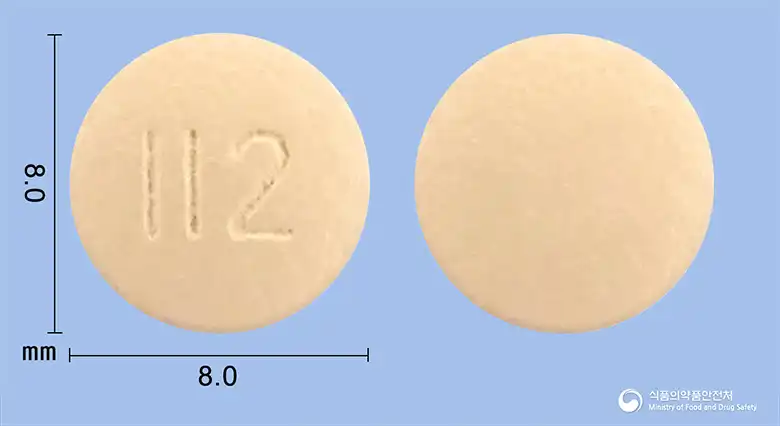
Sitagliptin Phosphate Hydrate 64.25mg
Tablet · Prescription medication
Jongkeundang Co., Ltd.
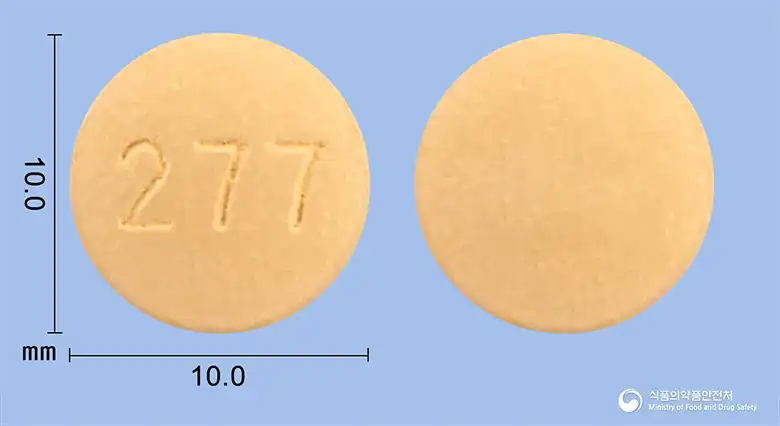
Sitagliptin Phosphate Hydrate 128.5mg
Tablet · Prescription medication
Jongkundang Co., Ltd.
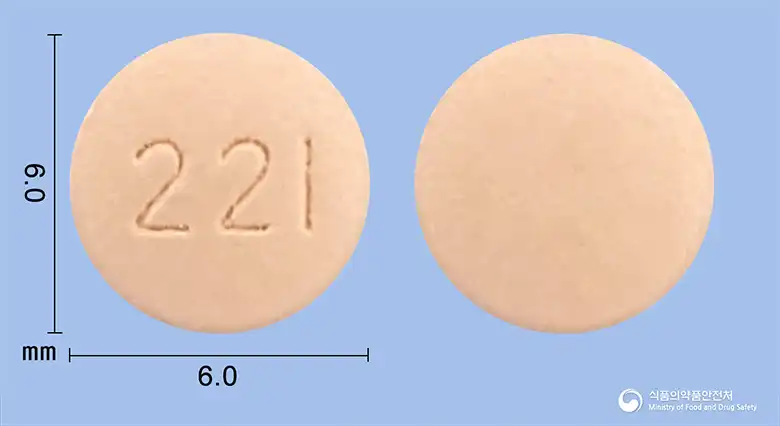
Sitagliptin Phosphate Hydrate 32.13mg
Tablet · Prescription medication
Jong Kundang Co., Ltd.
Sitagliptin Phosphate Hydrate 128.5mg
Tablet · Prescription medication
Shinpoong Pharmaceutical Co., Ltd.
Sitagliptin Phosphate Hydrate 128.5mg
Tablet · Prescription medication
Vivozon Pharmaceutical Co., Ltd.
Sitagliptin Phosphate Hydrate 64.25mg
Tablet · Prescription medication
Shinpoong Pharmaceutical Co., Ltd.
Sitagliptin Phosphate Hydrate 32.125mg
Tablet · Prescription medication
Sinpoong Pharmaceutical Co., Ltd.
Even with the same ingredient, the dose and directions can differ by strength and dosage form. Talk to a doctor or pharmacist before switching from a medication you are already taking.
No questions yet.
For anything that needs medical judgment, consult a doctor or pharmacist.
This drug information is based on data provided by the Korea Ministry of Food and Drug Safety.
Consult a doctor or pharmacist for accurate dosage, administration, and usage instructions.