
 한국어
한국어 English
 日本語
日本語 中文(简体)
 Viewing now
SecroNac 100 mg (Aceclofenac)
Aceclofenac 100mg
Tablet · Prescription medication
Dasan Pharmaceutical Co., Ltd.
MFDS item code 201602997 · Approved 2016.05.27 · Insurance code 678600670
Relief of inflammation and pain in rheumatoid arthritis, ankylosing spondylitis, etc.
Used for pain associated with rheumatoid arthritis, ankylosing spondylitis, osteoarthritis (degenerative arthritis), periarthritis of the scapulohumeral joint, toothache, post-traumatic inflammation, low back pain, sciatica, and pain due to non-articular rheumatism.
As aceclofenac, take 100 mg twice a day every 12 hours. This medication should be taken whole and not chewed or crushed. Adjust accordingly depending on symptoms. To minimize cardiovascular adverse reactions to this medication, it should be administered at the lowest effective dosage for the shortest duration.
This medication should be consulted with a doctor or pharmacist if taken by individuals who regularly consume more than three alcoholic beverages daily, as it may cause gastrointestinal bleeding. This medication may increase the risk of cardiovascular or cerebrovascular diseases, so patients with risk factors such as heart disease, hypertension, diabetes, or smoking should carefully consider whether to take it. Patients with a history of gastrointestinal ulcers or bleeding should not take this medication, and caution is needed as it may cause serious gastrointestinal issues such as gastrointestinal bleeding, ulcers, or perforation. This medication should not be given to patients with severe heart failure, heart disease, severely impaired kidney or liver function, pregnant women in late pregnancy, breastfeeding women, or those with specific allergy histories. During treatment, symptoms such as dizziness, dyspepsia, abdominal pain, nausea, diarrhea may occur, and if severe allergic reactions like serious skin rashes or difficulty breathing arise, medical attention should be sought immediately. This medication may elevate blood pressure or worsen existing hypertension, so patients with hypertension should frequently monitor their blood pressure during the initial administration and throughout the treatment period. Additionally, this medication may affect kidney function; hence, patients with kidney disease or those taking diuretics or ACE inhibitors should be closely monitored. Women who are pregnant or planning to become pregnant are advised to avoid this medication, especially during late pregnancy, as it may severely affect the fetus. This medication can interact with other drugs; thus, if other medications like anticoagulants, diuretics, antidiabetics, lithium, or methotrexate are being used, consultation with a doctor is essential. The safety and efficacy in children or adolescents have not been established, and usage is not recommended. Elderly patients are at higher risk of gastrointestinal bleeding and perforation, so special caution is required when using this medication. In case of overdose, symptoms such as gastrointestinal irritation, hypotension, respiratory depression, and convulsions may appear, necessitating immediate medical assistance. This medication should be kept out of reach of children and should not be transferred to other containers to maintain quality.
Hives, severe swelling (edema), chest tightness, difficulty breathing, cold sweat, pale appearance, severe rash with high fever, blisters, skin peeling, pain in mucous membranes of mouth/eyes, shortness of breath or breathing difficulties, asthma attacks, respiratory distress accompanied by coughing and fever, yellowing of the skin or eyes (jaundice), extreme lethargy, sudden and severe headaches, thunderclap headache, seizures, confusion, visual impairment, paralysis, urinary changes
Not everyone experiences these, and they can vary from person to person.
This medication should be stored in a tightly closed container to prevent exposure to air, and it is advisable to store it at room temperature between 1 to 30 degrees Celsius. Storing it this way will help maintain the medication's effectiveness and ensure safe usage.
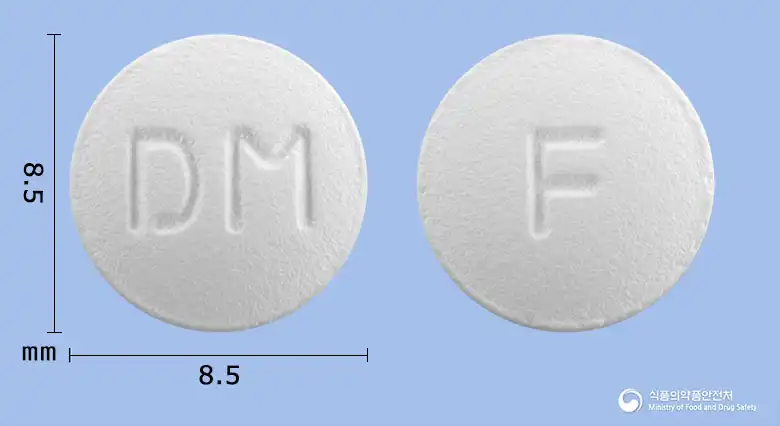
White round film-coated tablet
30 tablets/bottle, 300 tablets/bottle
Even with the same ingredient, strength, dosage form and how it is taken can differ.
Viewing nowAceclofenac 100mg
Tablet · Prescription medication
Dasan Pharmaceutical Co., Ltd.
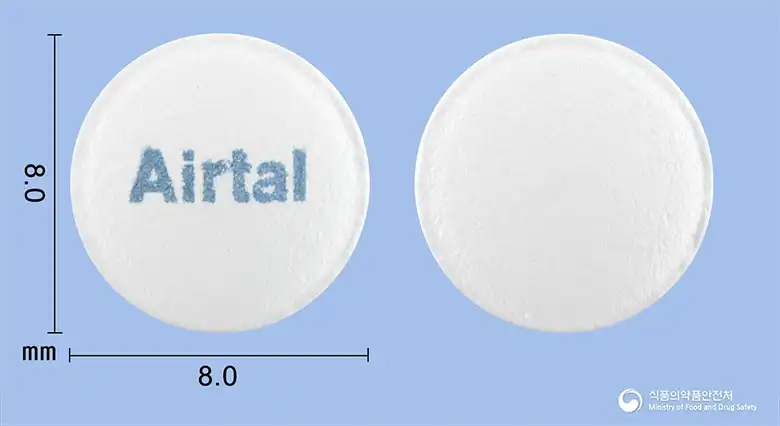
Aceclofenac 100mg
Tablet · Prescription medication
Daewoong Pharmaceutical Co., Ltd.
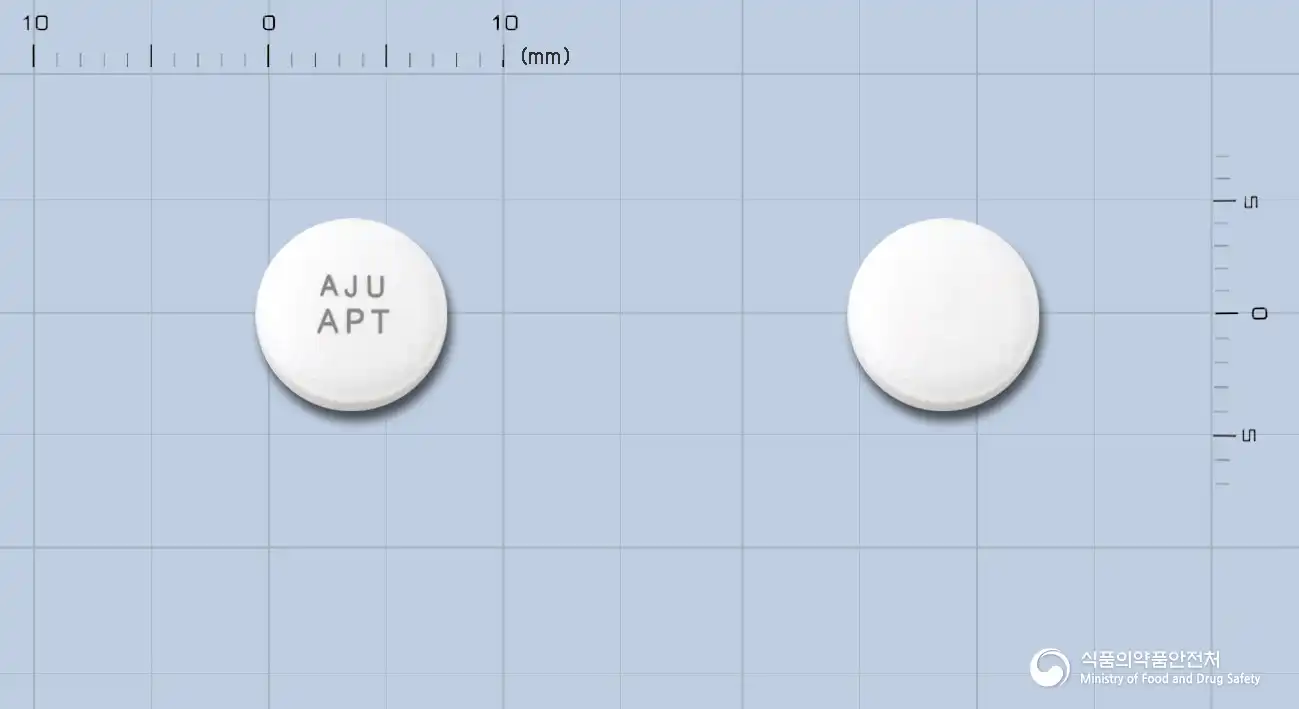
Aceclofenac 100mg
Tablet · Prescription medication
Aju Pharm Co., Ltd.
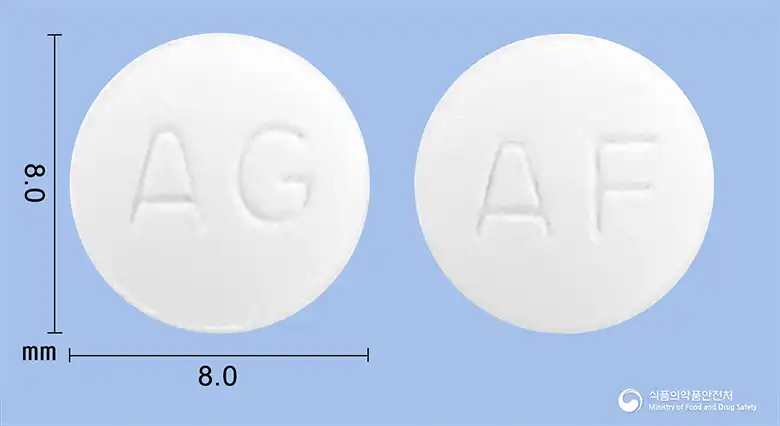
Aceclofenac 100mg
Tablet · Prescription medication
Angkuk Pharmaceutical Co., Ltd.
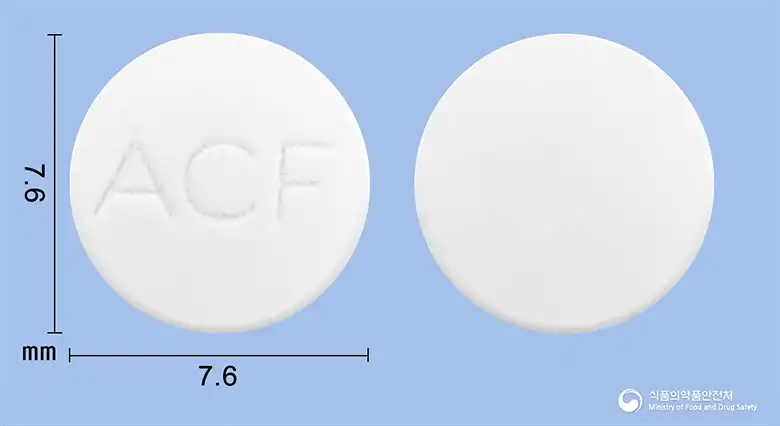
Aceclofenac 100mg
Tablet · Prescription medication
Dong-A ST Co., Ltd.
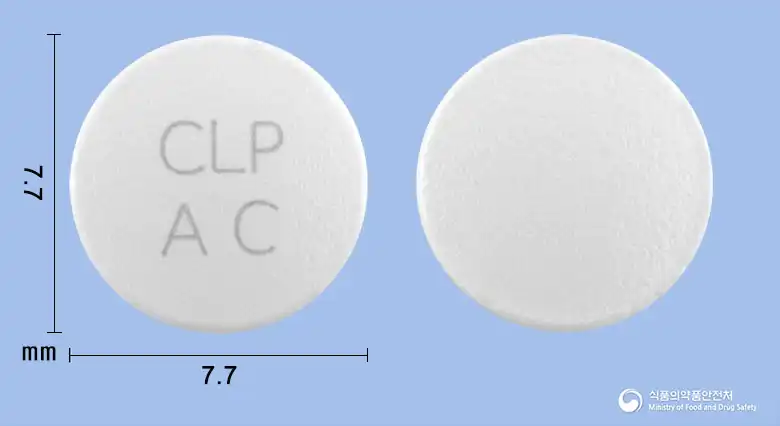
Aceclofenac 100mg
Tablet · Prescription medication
Celltrion Pharmaceutical Co., Ltd.
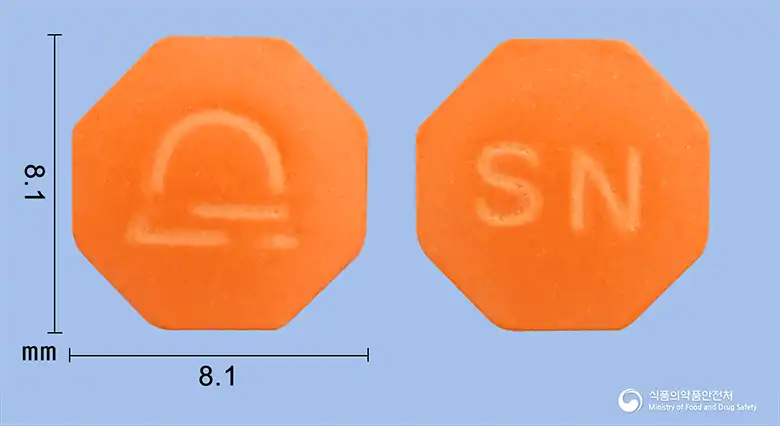
Aceclofenac 100mg
Tablet · Prescription medication
Daewon Pharmaceutical Co., Ltd.
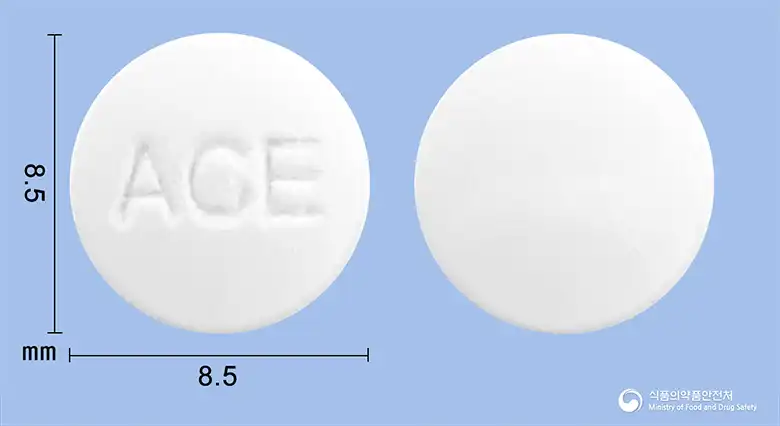
Aceclofenac 100mg
Tablet · Prescription medication
Kyungdong Pharmaceutical Co., Ltd.
Even with the same ingredient, the dose and directions can differ by strength and dosage form. Talk to a doctor or pharmacist before switching from a medication you are already taking.
No questions yet.
For anything that needs medical judgment, consult a doctor or pharmacist.
This drug information is based on data provided by the Korea Ministry of Food and Drug Safety.
Consult a doctor or pharmacist for accurate dosage, administration, and usage instructions.