
 한국어
한국어 English
 日本語
日本語 中文(简体)
 Viewing now
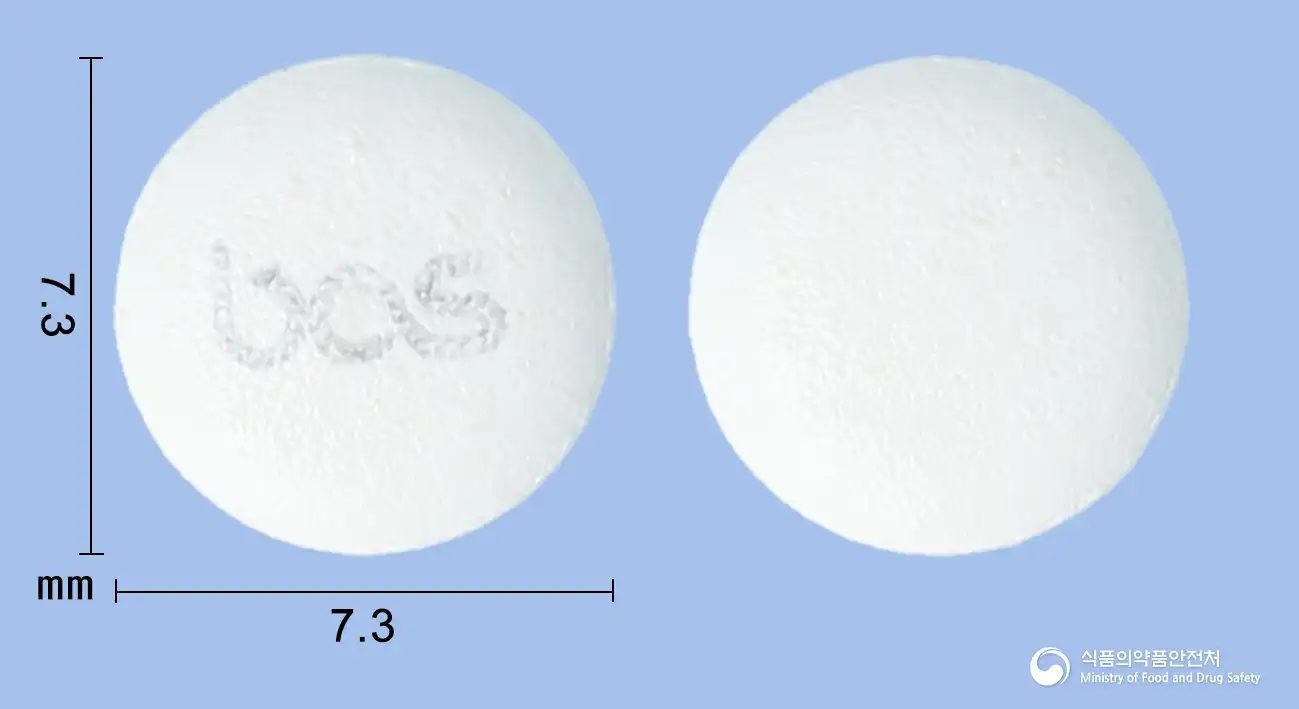
Reperisone Tablet (Reperisone Hydrochloride)
Eperisone Hydrochloride 50mg
Tablet · Prescription medication
Baskan Biopharm Co., Ltd.
MFDS item code 201602976 · Approved 2016.05.27 · Insurance code 656204550
Treatment of musculoskeletal diseases (painful muscle spasms, frozen shoulder syndrome, etc.) and neurological diseases (spastic paralysis, etc.)
This medication is used for conditions such as painful muscle spasms, frozen shoulder syndrome, adhesive capsulitis, low back pain associated with musculoskeletal diseases. It is also used for spastic paralysis, cerebrovascular disorders, spastic spinal paralysis, cervical spondylosis, postoperative sequelae, post-traumatic sequelae, amyotrophic lateral sclerosis, cerebral palsy, and other cerebrospinal disorders caused by neurological diseases. This drug helps effectively improve various muscle-related and neurological symptoms.
Administer 50 mg of reperisone hydrochloride orally three times a day after meals. Adjust dosage appropriately based on age and symptoms.
This medication should not be used in certain patients. For example, it should not be administered to patients who are allergic to this drug or who have severe muscle weakness symptoms. Additionally, this drug contains lactose, so it should not be used in patients with genetic disorders that affect lactose digestion. Individuals allergic to soybean oil, soy, and peanuts should also avoid this medication. When using this medication, it should be administered with caution to patients with a history of allergies or liver dysfunction, and to patients with abnormalities in blood lipid metabolism. Rare side effects may include shock, liver or kidney dysfunction, and anemia, so if symptoms appear, the use should be immediately stopped and appropriate treatment sought. Various symptoms such as skin rash, itching, insomnia, drowsiness, headache, nausea, vomiting, constipation, diarrhea may occur, so any abnormal symptoms should be closely monitored. Particularly serious skin conditions such as toxic epidermal necrolysis syndrome should lead to immediate cessation of administration. During treatment with this drug, feelings of weakness or drowsiness may occur, so activities like driving or operating machinery, which may be hazardous, should be avoided. This drug can affect lipid metabolism, so patients suspected of having lipid overload should have their blood lipid levels checked regularly while using it. Women who are pregnant or may become pregnant should only use this medication if the benefits of treatment outweigh the risks, and nursing mothers should avoid use if possible or stop breastfeeding during administration. Safety for use in children has not been sufficiently established, so caution should be exercised when administering it to children. Elderly patients may have diminished physical function, so care should be taken to reduce the dose and monitor usage. Finally, side effects may occur if this medication is used in conjunction with similar drugs or certain muscle relaxants, so consultation with a healthcare professional is advised.
Shock, anaphylactic reactions, angioedema, toxic epidermal necrolysis and mucocutaneous-ocular syndrome, liver abnormalities (increased ALT, AST, ALP), kidney abnormalities (proteinuria, increased BUN), anemia
Not everyone experiences these, and they can vary from person to person.
This medication should be stored in a well-closed container that is air-tight and kept at a temperature between 1°C and 30°C. Storing it this way helps maintain the medication's effectiveness for a longer period of time.
White circular film-coated tablet
30 tablets/bottle, 500 tablets/bottle
Even with the same ingredient, strength, dosage form and how it is taken can differ.
Viewing nowEperisone Hydrochloride 50mg
Tablet · Prescription medication
Baskan Biopharm Co., Ltd.
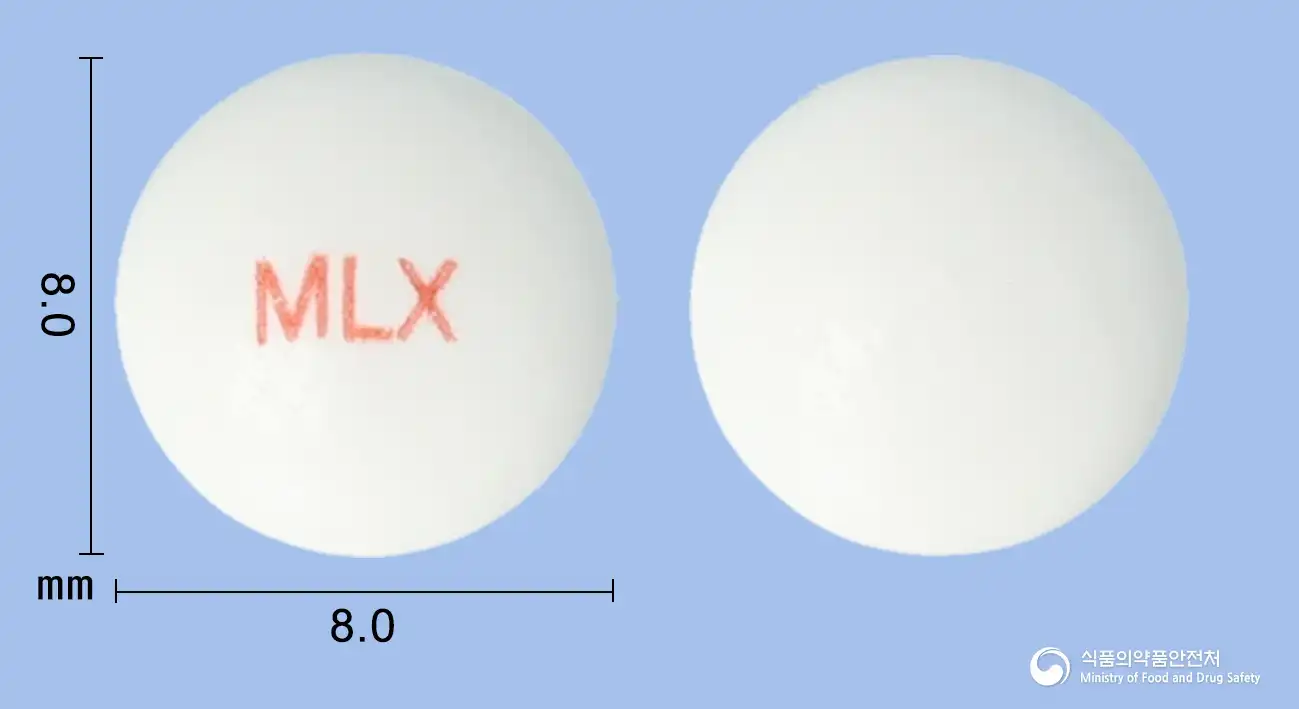
Eperisone Hydrochloride 50mg
Tablet · Prescription medication
Chodang Pharmaceutical Co., Ltd.
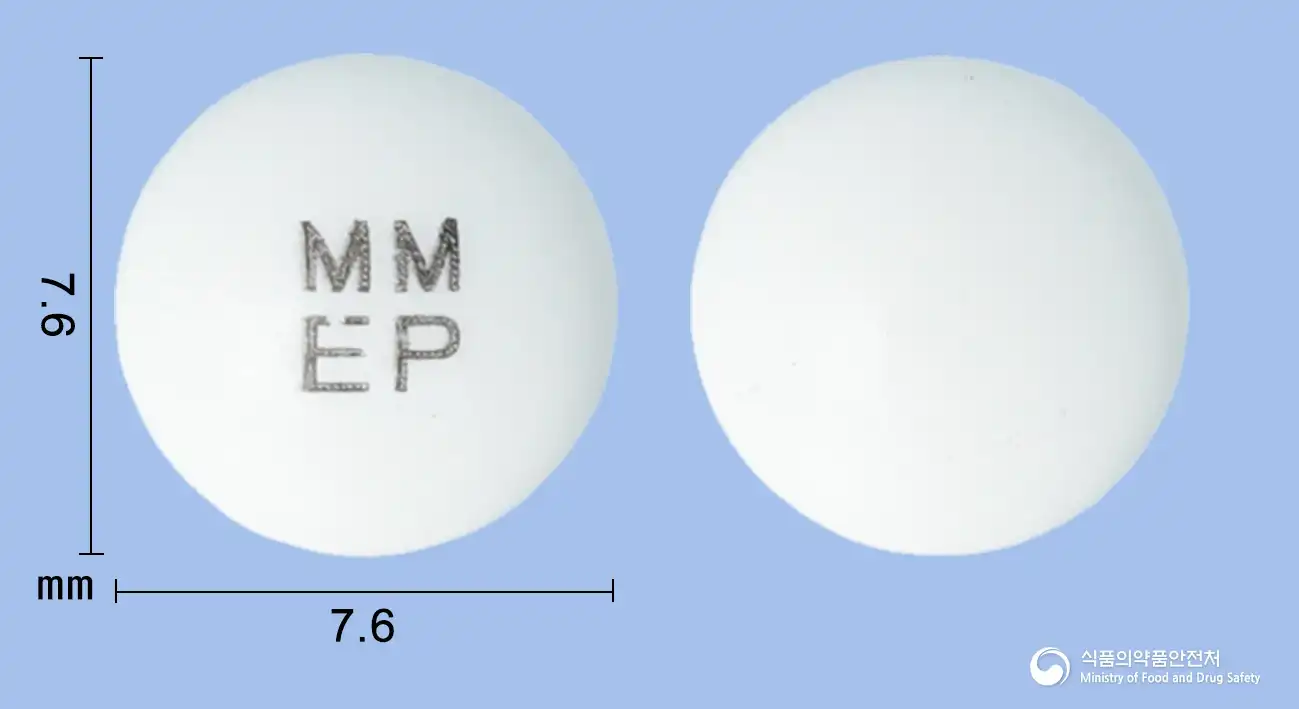
Eperisone Hydrochloride 50mg
Tablet · Prescription medication
Myeongmun Pharmaceutical Co., Ltd.
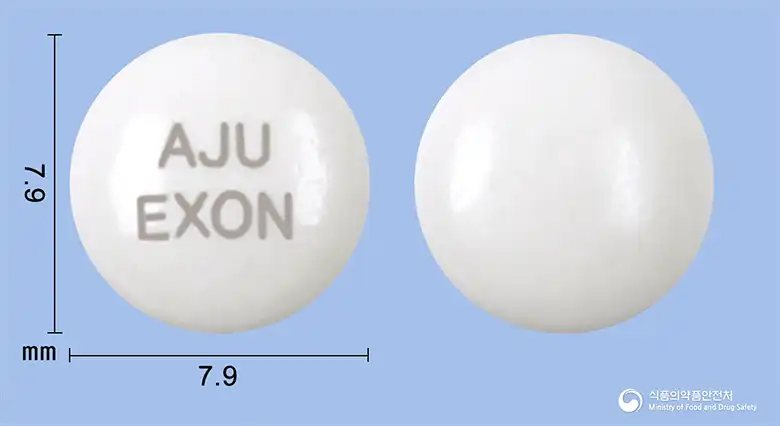
Eperisone Hydrochloride 50mg
Prescription medication
Aju Pharmaceutical Co., Ltd.
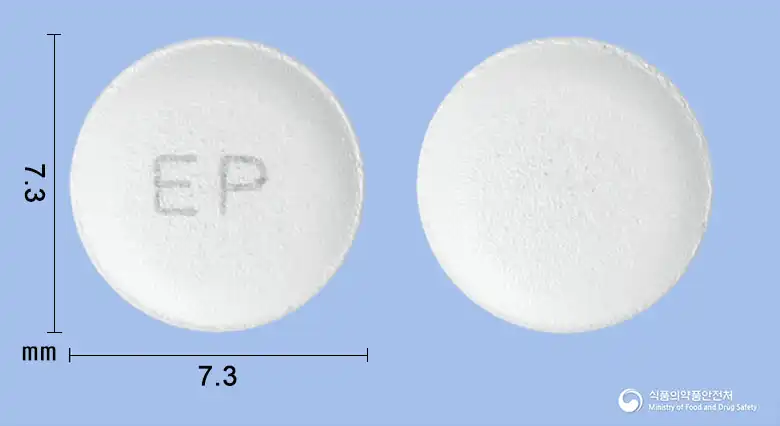
Eperisone Hydrochloride 50mg
Tablet · Prescription medication
Daewoo Pharmaceutical Co., Ltd.
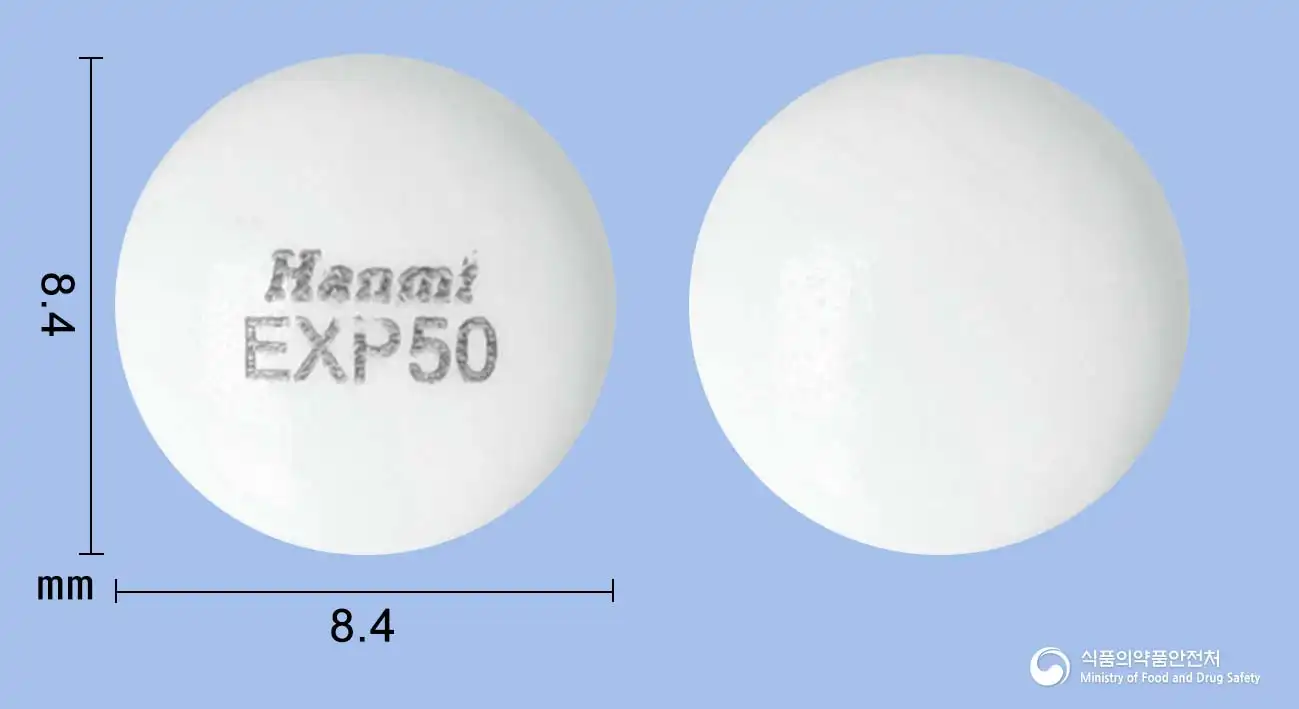
Eperisone Hydrochloride 50mg
Prescription medication
Hanmi Pharmaceutical Co., Ltd.
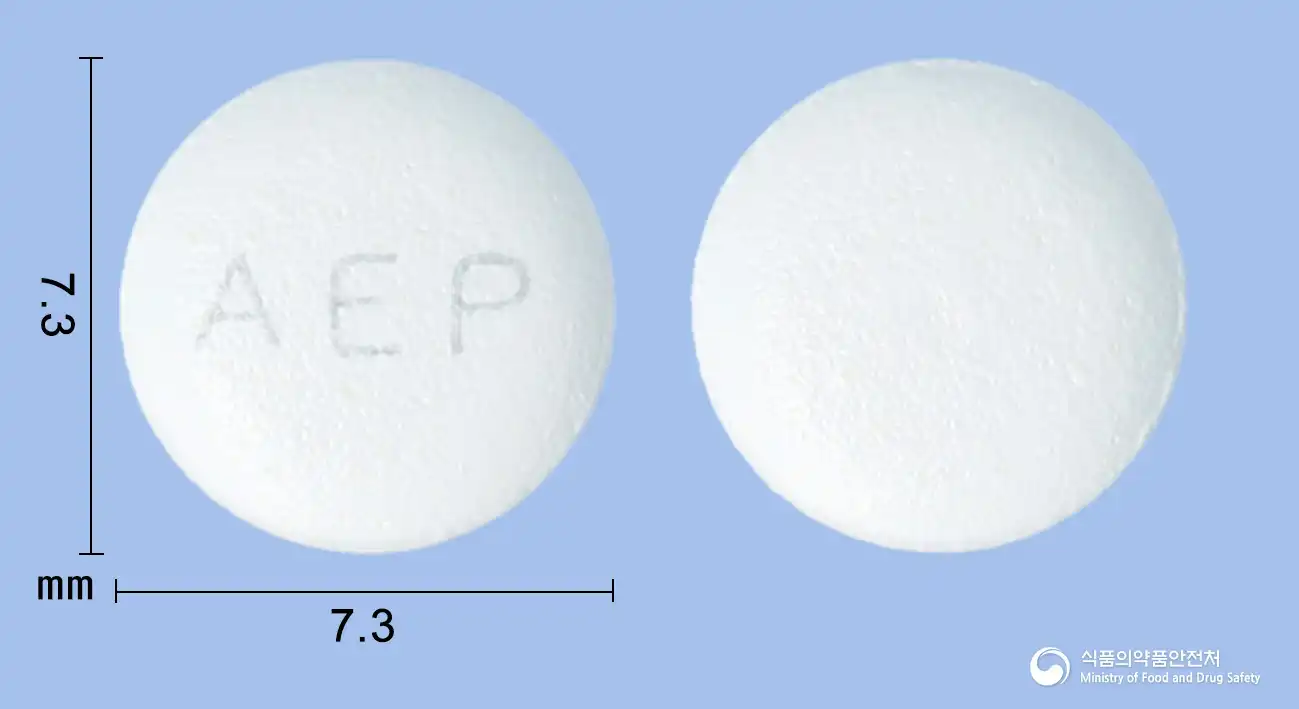
Eperisone Hydrochloride 50mg
Tablet · Prescription medication
Kyungdong Pharmaceutical Co., Ltd.
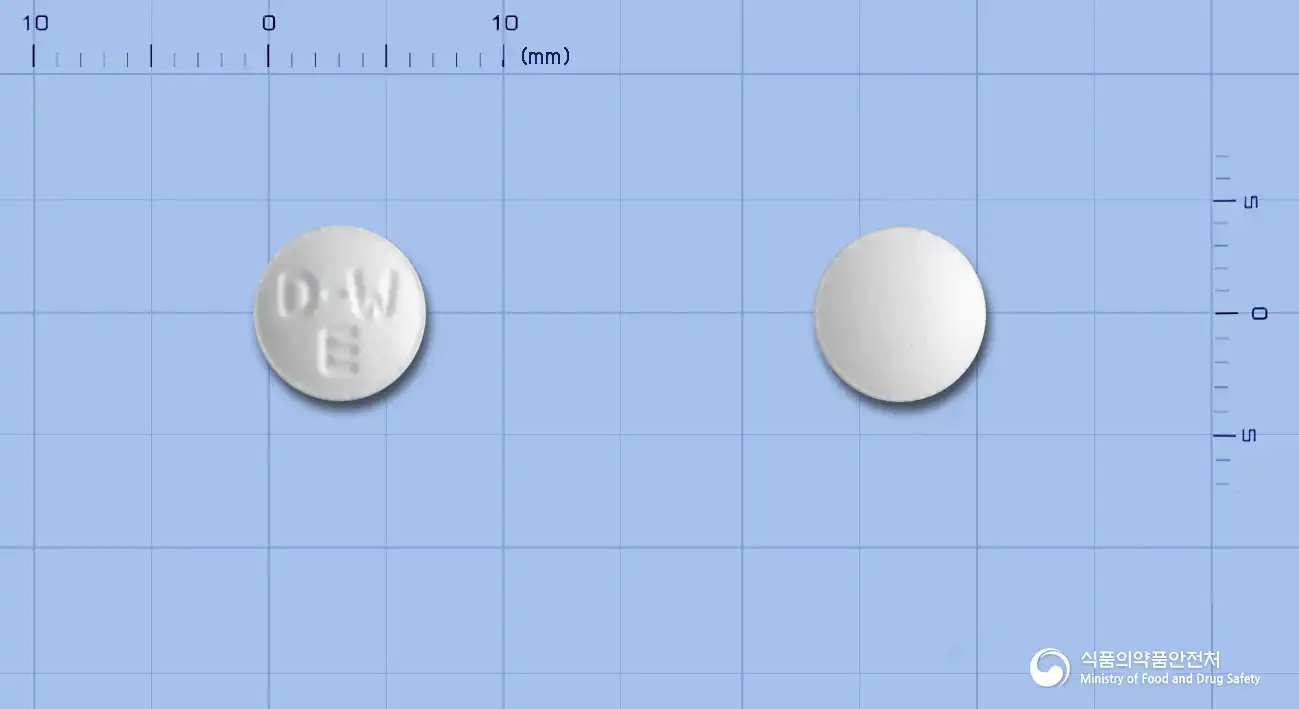
Eperisone Hydrochloride 50mg
Tablet · Prescription medication
Dongwha Pharmaceutical Co., Ltd.
Even with the same ingredient, the dose and directions can differ by strength and dosage form. Talk to a doctor or pharmacist before switching from a medication you are already taking.
No questions yet.
For anything that needs medical judgment, consult a doctor or pharmacist.
This drug information is based on data provided by the Korea Ministry of Food and Drug Safety.
Consult a doctor or pharmacist for accurate dosage, administration, and usage instructions.