
 한국어
한국어 English
 日本語
日本語 中文(简体)
 Viewing now
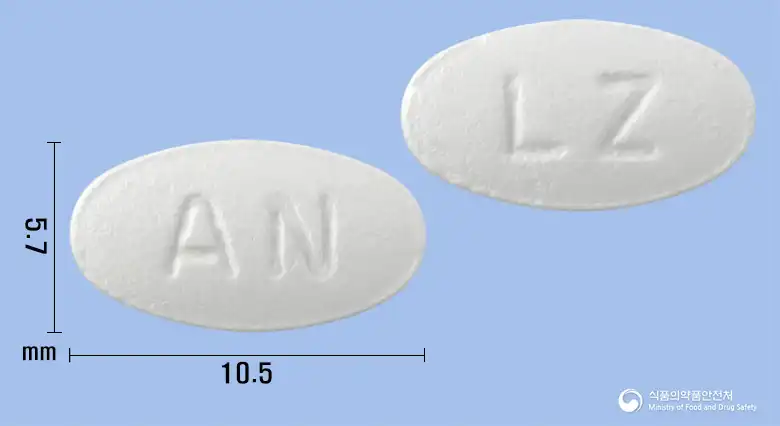
Neurosal Tablets (Losartan Potassium)
Losartan Potassium 50mg
Tablet · Prescription medication
Ahnkook New Pharm Co., Ltd.
MFDS item code 201602761 · Approved 2016.05.19
Treatment of hypertension and kidney disease (in patients with type 2 diabetes)
This medication is used to effectively lower blood pressure in patients with hypertension, aiding in the management of their condition. Furthermore, it helps delay the progression of kidney disease that may occur in patients with hypertension and type 2 diabetes. In summary, it is used for the treatment of hypertension and kidney disease in diabetic patients with hypertension.
For the treatment of hypertension, Losartan Potassium is administered orally at 50 mg once daily. If the therapeutic effect is insufficient, it may be divided into two doses per day or increased up to 100 mg once daily. For the treatment of kidney disease in patients with hypertension and type 2 diabetes, usually 50 mg is administered once daily, with possible increases up to 100 mg once daily depending on blood pressure. For elderly patients aged 75 and over,
For children and adolescents aged 6 and above, if their weight is between 20 kg and 50 kg, 25 mg is administered once daily, with a maximum increase to 50 mg once daily. If the weight is 50 kg
This medication may cause serious harm to the fetus if taken during pregnancy, particularly in the second and third trimesters, so pregnant women or those who may become pregnant should not take it. Before taking this medication, you must inform your healthcare provider if you have an allergy to this medication or its ingredients, or if you have liver or kidney function issues. A severe allergic reaction known as angioedema can occur, so if you experience swelling of your face, lips, throat, or have difficulty breathing, you should notify your doctor immediately. Elderly patients, those with impaired kidney function, or patients with very low blood pressure must be very cautious when using this medication and should adjust the dosage according to the doctor's instructions. Since this medication lowers blood pressure, dizziness or fainting may occur, so caution is required when driving or operating machinery. Potassium levels may increase, so it should not be taken with potassium supplements or medications containing potassium, and regular blood tests to monitor potassium levels should be conducted. Drug interactions may occur if taken with other antihypertensive medicines, diuretics, or non-steroidal anti-inflammatory drugs (NSAIDs), so inform your doctor or pharmacist. Regular testing is required during the use of this medication to monitor liver and kidney function changes. In case of overdose, blood pressure may drop too low, and heart rhythm disturbances may occur, so you must visit a medical facility immediately; this medication is not removed through dialysis. Keep out of reach of children and do not change containers without permission. It is advisable for breastfeeding women to avoid this medication, and if it is necessary to take it, breastfeeding should be discontinued.
Hives, severe swelling (edema), cold sweat, difficulty breathing, generalized flushing, angioedema, swelling of lips and eyelids, facial rash, facial swelling, fainting, loss of consciousness, liver dysfunction (elevated liver function tests, hepatitis, acute hepatitis, fulminant hepatitis), kidney failure, anuria, hypotension, renal impairment, acute renal failure, severe hyperkalemia, ventricular premature contractions, atrial fibrillation, seizures, dizziness, vision disturbances, headache (including severe headache)
Not everyone experiences these, and they can vary from person to person.
This medication is sensitive to air or moisture, so it should be stored in a sealed container. It is advisable to maintain the storage temperature between 1 and 30 degrees Celsius at room temperature.
White oval film-coated tablets
30 tablets/bottle, 300 tablets/bottle
Even with the same ingredient, strength, dosage form and how it is taken can differ.
Viewing nowLosartan Potassium 50mg
Tablet · Prescription medication
Ahnkook New Pharm Co., Ltd.
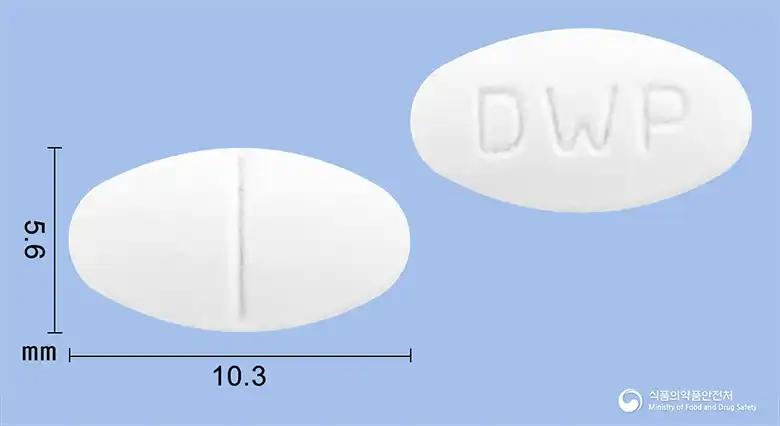
Losartan Potassium 50mg
Tablet · Prescription medication
DaeWon Pharmaceutical Co., Ltd.
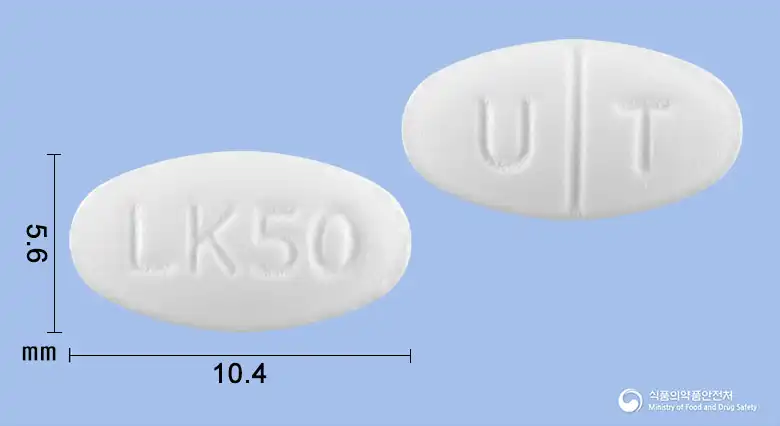
Losartan Potassium 50mg
Tablet · Prescription medication
Korea United Pharm, Co., Ltd.
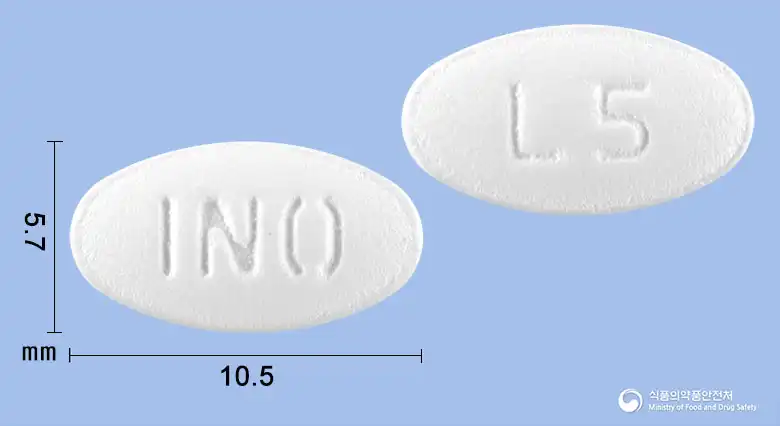
Losartan Potassium 50mg
Tablet · Prescription medication
HK Inno.N Co., Ltd.
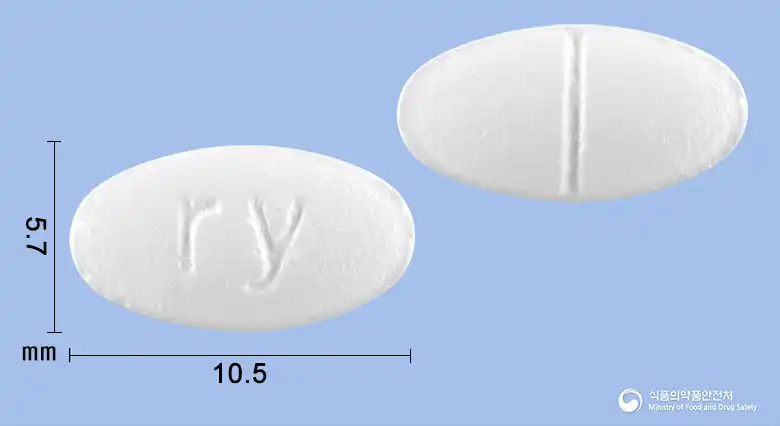
Losartan Potassium 50mg
Tablet · Prescription medication
IYON Pharmaceuticals Co., Ltd.
Losartan Potassium
Prescription medication
JW ShinYak Co., Ltd.
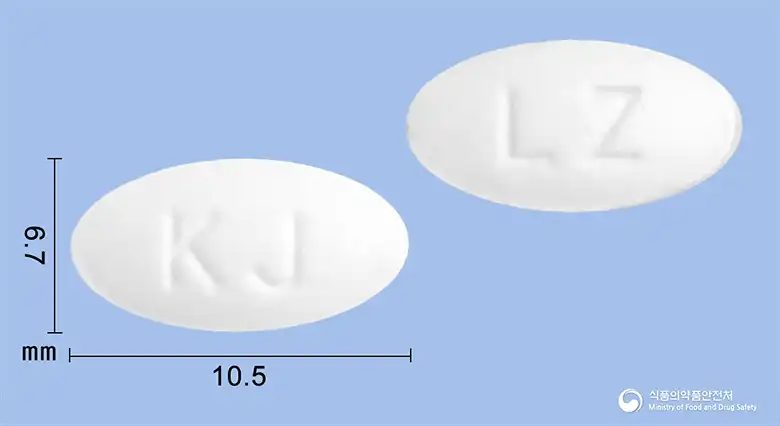
Losartan Potassium 50mg
Tablet · Prescription medication
Kukje Pharmaceutical Co., Ltd.
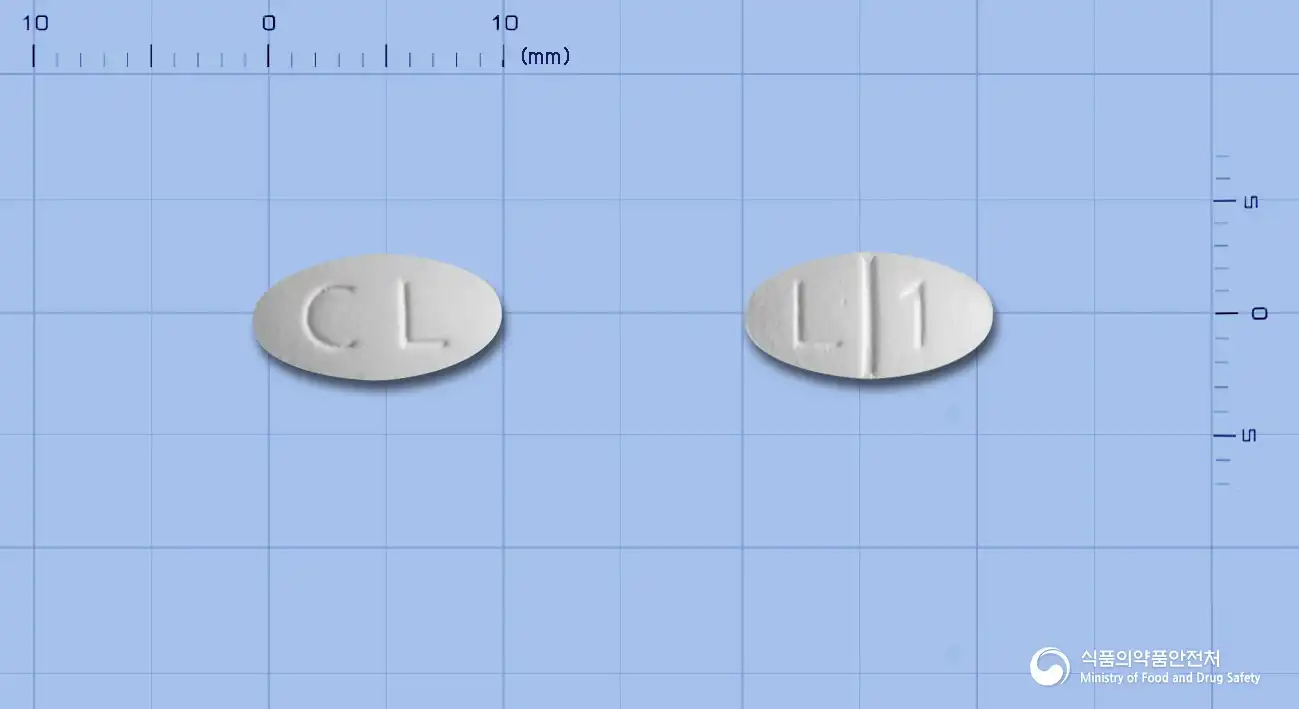
Losartan Potassium 50mg
Tablet · Prescription medication
Celltrion Pharmaceutical Co., Ltd.
Even with the same ingredient, the dose and directions can differ by strength and dosage form. Talk to a doctor or pharmacist before switching from a medication you are already taking.
No questions yet.
For anything that needs medical judgment, consult a doctor or pharmacist.
This drug information is based on data provided by the Korea Ministry of Food and Drug Safety.
Consult a doctor or pharmacist for accurate dosage, administration, and usage instructions.