
 한국어
한국어 English
 日本語
日本語 中文(简体)
 Viewing now
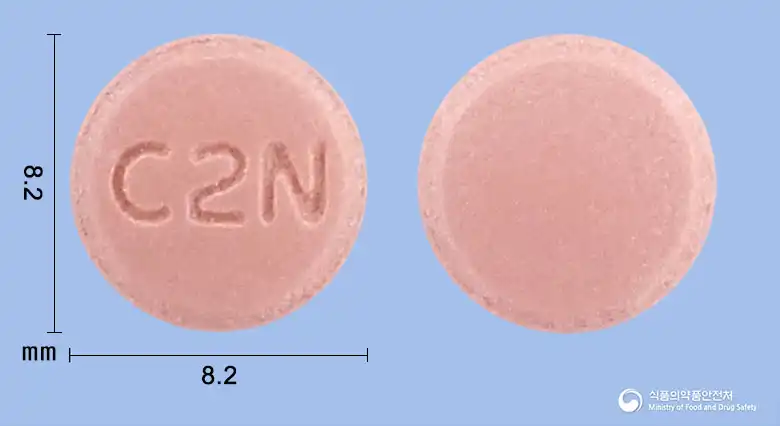
Nexium Tablets 20mg (Esomeprazole Magnesium Trihydrate)
Esomeprazole Magnesium Dihydrate 21.69mg
Tablet · Prescription medication
CL Pharm Co., Ltd.
MFDS item code 201602266 · Approved 2016.04.22 · Insurance code 622600280
Treatment of gastroesophageal reflux disease (reflux esophagitis, etc.), treatment of benign peptic ulcers associated with Helicobacter pylori, and relief of gastrointestinal symptoms related to non-steroidal anti-inflammatory analgesics.
This medication is used for the treatment of gastroesophageal reflux disease and reflux esophagitis, and it is also effective for long-term maintenance therapy to prevent recurrence. It helps in treating and preventing recurrence of duodenal ulcers and peptic ulcers associated with Helicobacter pylori infection. It is also used to treat and prevent upper gastrointestinal symptoms such as gastric ulcers and duodenal ulcers due to non-steroidal anti-inflammatory analgesics. Additionally, it is applicable for the treatment of Zollinger-Ellison syndrome and maintenance therapy after prevention of rebleeding from gastric or duodenal ulcers. Overall, it is effectively used for the treatment and prevention of gastrointestinal-related diseases.
This medication should be swallowed whole with liquid such as water and should not be chewed or crushed. 1) Gastroesophageal reflux disease (GERD) - For treatment of reflux esophagitis: administer 40 mg once daily for 4 weeks; if symptoms persist, an additional 4 weeks of treatment is suggested. - Maintenance therapy to prevent recurrence of esophagitis: administer 20 mg once daily. - Treatment of symptoms of gastroesophageal reflux disease without esophagitis: administer 20 mg once daily; if symptoms persist after 4 weeks, further consultation is necessary.
Patients aged 12 years and older are treated as adults; there is no experience in administering this drug to children under 12 years.
This medication should not be administered to certain patients. Those with hypersensitivity to this drug, its components, or benzimidazole class drugs should not use it. Caution is also needed for those allergic to penicillin antibiotics or macrolide antibiotics during combination therapy. Patients taking certain heart-related medications or antivirals, as well as lactating women, should not use this drug. Various adverse reactions can occur with this medication. Commonly, headaches, abdominal pain, diarrhea, constipation, nausea, and vomiting may occur; and rarely blood disorders, hypomagnesemia, confusion, skin rashes, and liver function abnormalities have been reported. In severe cases, serious skin reactions or muscle problems, interstitial nephritis, may develop, and any symptoms should lead to immediate consultation with healthcare professionals. Long-term use of this medication might mask symptoms of malignant tumors, so a medical diagnosis is mandatory if any symptoms seem suspicious. Regular checks are necessary for use exceeding one year, and any changes in symptoms should prompt immediate consultation with healthcare professionals. This medication reduces gastric acid, increasing the risk of bacterial overgrowth in the gastrointestinal tract; therefore, if diarrhea symptoms persist, it should be checked for infection. Patients with osteoporosis or high fracture risk should exercise caution when using this medication at high doses for prolonged periods due to increased fracture risk. Additionally, hypomagnesemia may occur, so magnesium levels should be regularly checked during prolonged use or when combined with certain drugs. This medication has many interactions with other drugs, which can alter its effects or increase the risk of side effects depending on the medications taken concurrently. Caution is advised especially when used with anticoagulants, antibiotics, antivirals, or anticonvulsants, and adjustments may be necessary after consultation with a physician or pharmacist. The safety of this drug during pregnancy has not been sufficiently confirmed; hence careful prescription is advisable for pregnant women, and it is recommended that lactating women refrain from taking this medication. In case of overdose, since there is no specific antidote, treatment should be symptomatic and general management should be provided. This medication should be kept out of the reach of children and it is safer not to transfer it to other containers.
Urticaria, angioedema, anaphylaxis, shock, severe hypomagnesemia, hypocalcemia, hypokalemia, confusion, jaundice, hepatitis, liver failure, encephalopathy, erythema multiforme, Stevens-Johnson syndrome, toxic epidermal necrolysis, acute generalized exanthematous pustulosis, drug reaction with eosinophilia and systemic symptoms (DRESS syndrome), interstitial nephritis, sudden and severe headaches, seizures.
Headaches, dizziness, paresthesia, drowsiness, taste disorders, blurred vision, vertigo, bronchospasm, abdominal pain, constipation, diarrhea, abdominal distension, nausea, vomiting, dry mouth, stomatitis, gastrointestinal candidiasis, increased liver enzymes, dermatitis, itching, rashes, hair loss, photosensitivity, fractures, joint pain, muscle pain, muscle weakness, asthenia, increased sweating, Clostridium difficile-associated diarrhea, allergic reactions, back pain, chest pain, sternal pain.
Not everyone experiences these, and they can vary from person to person.
This medication should be stored in a tightly sealed container to prevent exposure to air and moisture and should be kept at room temperature between 1°C and 30°C. This storage helps maintain the drug's effectiveness.
Pink round film-coated tablet
28 tablets/box [(14 tablets/Alu-Alu) x 2]
Even with the same ingredient, strength, dosage form and how it is taken can differ.
Viewing nowEsomeprazole Magnesium Dihydrate 21.69mg
Tablet · Prescription medication
CL Pharm Co., Ltd.
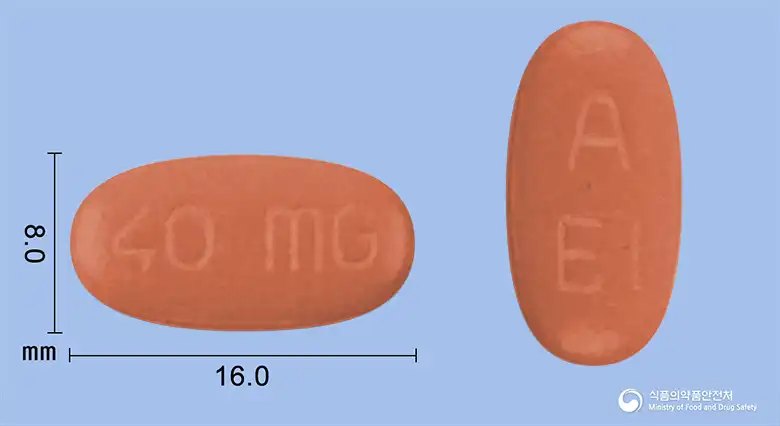
Esomeprazole Magnesium Trihydrate 44.5mg
Tablet · Prescription medication
AstraZeneca Korea Co., Ltd.
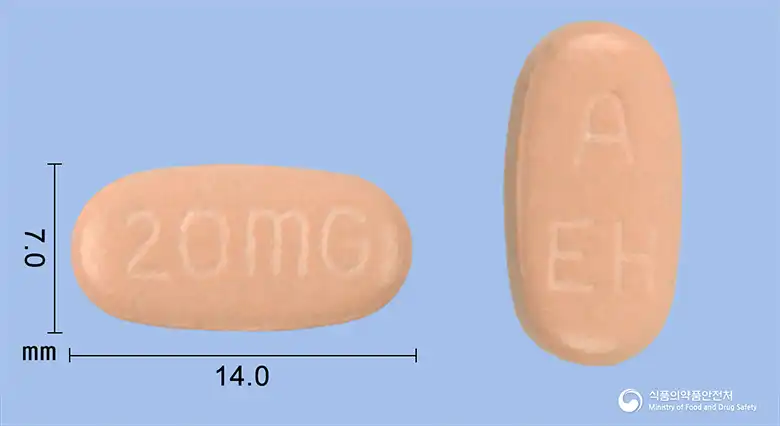
Esomeprazole Magnesium Trihydrate 22.3mg
Tablet · Prescription medication
AstraZeneca Korea Co., Ltd.

Esomeprazole Magnesium Trihydrate 22.3mg
Tablet · Prescription medication
Daewon Pharmaceutical Co., Ltd.
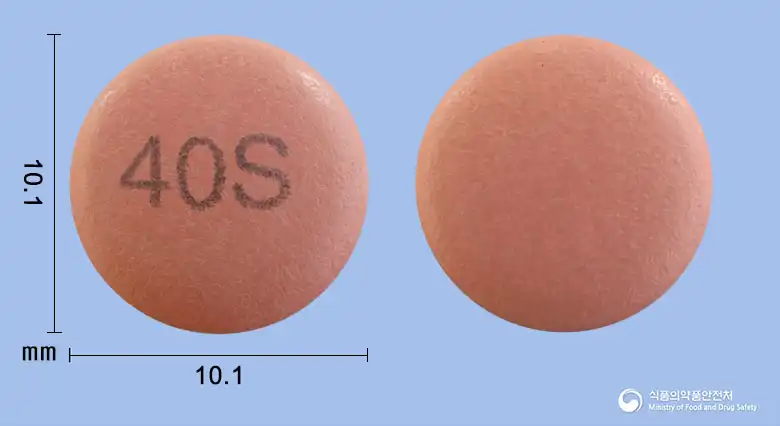
Esomeprazole Magnesium Trihydrate 44.5mg
Tablet · Prescription medication
Daewon Pharmaceutical Co., Ltd.
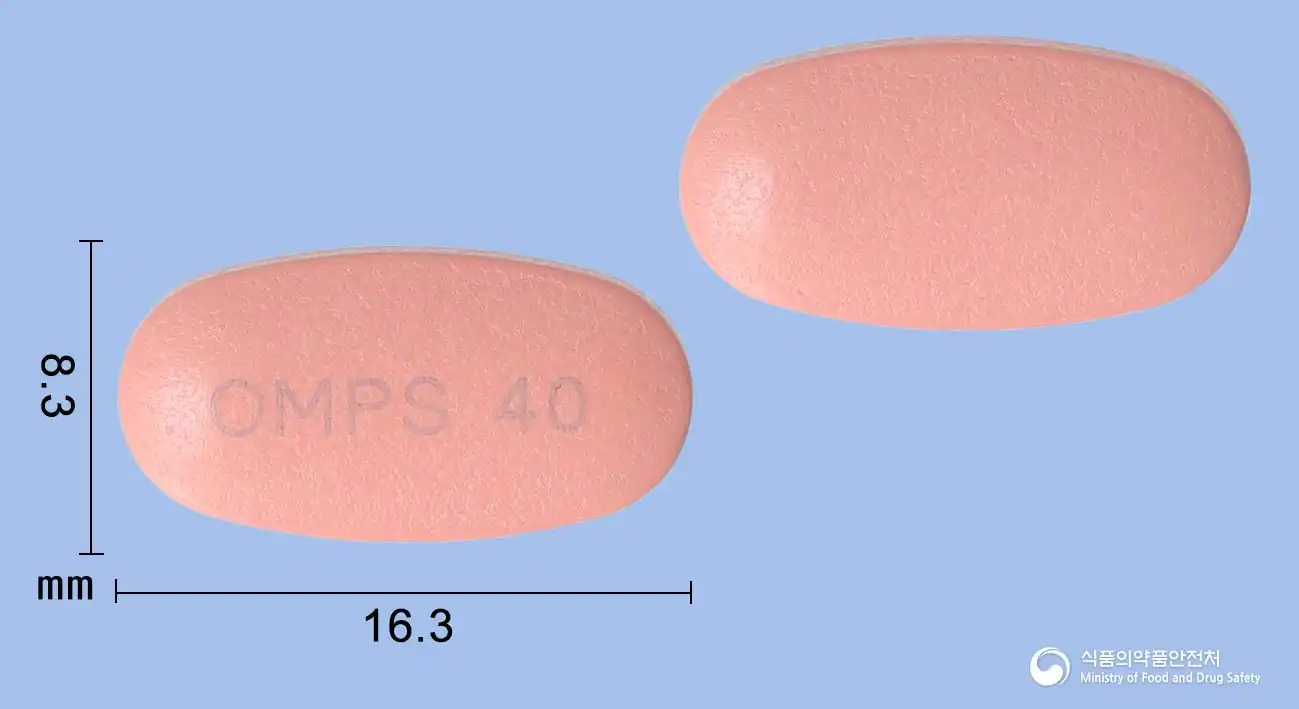
Esomeprazole Magnesium Dihydrate 43.38mg
Tablet · Prescription medication
Jongkundang Co., Ltd.
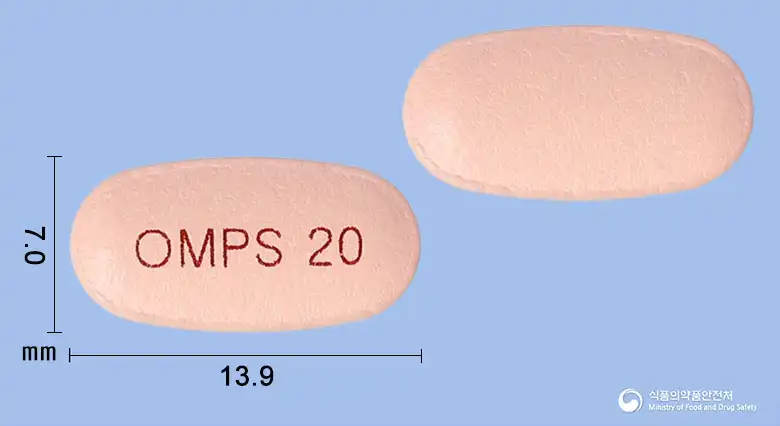
Esomeprazole Magnesium Dihydrate 21.69mg
Tablet · Prescription medication
Chong Kun Dang Pharmaceutical Corp.

Esomeprazole Magnesium Trihydrate 22.3mg
Tablet · Prescription medication
Samjin Pharmaceutical Co., Ltd.
Even with the same ingredient, the dose and directions can differ by strength and dosage form. Talk to a doctor or pharmacist before switching from a medication you are already taking.
No questions yet.
For anything that needs medical judgment, consult a doctor or pharmacist.
This drug information is based on data provided by the Korea Ministry of Food and Drug Safety.
Consult a doctor or pharmacist for accurate dosage, administration, and usage instructions.