
 한국어
 English
 日本語
 中文(简体)
 Viewing now
Dexlen Tablet (Dextibuprofen D.C.)
Dexibuprofen D.C. 300mg
Tablet · OTC medication
Os Korea Pharmaceutical Co., Ltd.
MFDS item code 201602068 · Notified 2016.04.12 · Insurance code 629700830
Adjunctive treatment of joint disorders (including arthritis), inflammation following trauma or surgery, and infections
This medication is used for various joint diseases such as chronic polyarthritis, rheumatoid arthritis, arthralgia, and ankylosing spondylitis. It also helps relieve pain, swelling, and inflammation that occur after trauma or surgery. It is additionally used to improve symptoms related to inflammation, pain, and fever caused by infections. Overall, it is effective in reducing inflammation and pain, enhancing mobility, and assisting patients in their daily lives.
Adults: Administer 300 mg of dexibuprofen orally per dose, 2~4 times daily. Do not exceed 1,200 mg of dexibuprofen per day.
This medication may cause gastrointestinal bleeding if taken by individuals who regularly consume more than three glasses of alcohol per day, so it is essential to consult a doctor or pharmacist. It may affect the cardiovascular system and increase the risk of myocardial infarction or stroke. Caution is especially necessary for individuals with cardiovascular conditions or risk factors. Serious gastrointestinal adverse reactions, such as gastrointestinal bleeding, ulcers, or perforations may occur, and the elderly may be at increased risk. Patients with a history of gastrointestinal ulcers or bleeding, severe liver, kidney, or heart disease, and specific allergies or asthma should not take this medication. Concurrent use with aspirin or other non-steroidal anti-inflammatory drugs may increase the risk of gastrointestinal bleeding and reduce efficacy, so combination should be avoided. During treatment with this medication, breastfeeding should be discontinued or medication should be stopped, and care should be taken in operating vehicles or machinery as dizziness or fatigue may occur. Individuals with blood abnormalities, liver or kidney disease, hypertension, or a history of hypersensitivity should only take this medicine after consulting a doctor or pharmacist. If symptoms such as skin rash, difficulty breathing, severe headache, or gastrointestinal bleeding occur, stop taking the medication immediately and consult a healthcare professional. During pregnancy, especially after the sixth month, use should be avoided as it may affect the fetus, and women planning to become pregnant or in the early stages of pregnancy should also consult a professional. This medication should be used at the minimal effective dose for the shortest duration necessary, and regular blood tests and liver and kidney function tests are recommended for long-term use. In case of overdose, immediate medical attention should be sought even if no symptoms are present. Keep out of reach of children and away from direct sunlight and moisture.
Gastrointestinal bleeding, serious cardiovascular thrombotic reactions, myocardial infarction, stroke, bleeding from the stomach or intestines, ulcers, perforation, dyspepsia, abdominal distension, heartburn, upper abdominal pain, diarrhea, constipation, loss of appetite, nausea, vomiting, abdominal pain, gastric discomfort, esophagitis, esophageal stricture, exacerbation of diverticulitis, nonspecific hemorrhagic colitis, ulcerative colitis, Crohn's disease, peptic ulcer, gastrointestinal bleeding, perforation, blood in stool, gastritis, pancreatitis, dry mouth, stomatitis, erythema multiforme, systemic lupus erythematosus, hair loss, angioedema, Stevens-Johnson syndrome, toxic epidermal necrolysis, eosinophilia, drug rash with systemic symptoms, acute generalized pustular psoriasis, rash, urticaria, itching, purpura, asthma attack, eczema, anaphylactic reaction, photosensitivity reaction, jaundice, elevated ALT, elevated AST, elevated ALP, liver dysfunction, hepatitis, rhinitis, bronchospasm, acute pneumonia, neglect, cancer invasion, hearing loss, tinnitus, taste disturbance, fatigue, drowsiness, headache, dizziness, anxiety, restlessness, confusion, depression, aseptic meningitis, mental disorders, agitation, excitement, sense of direction disturbance, reversible toxic neuropathy, hypotension, hypertension, palpitations, acute renal failure, oliguria, hematuria, proteinuria, elevated BUN, elevated serum creatinine, hyperkalemia, decreased urine output, generalized edema, shortness of breath, lethargy, papillary necrosis of the kidney, nephrotic syndrome, interstitial nephritis, peripheral edema, acute pulmonary edema, fluid retention, Conn's syndrome, decreased reproductive capacity in women, periorbital edema, malaise, fever, nosebleeds, exacerbation of inflammation, shock, chest discomfort, chills, dyspnea, hypotension, aplastic anemia, hemolytic anemia, granulocytopenia, leukopenia, agranulocytosis, pancytopenia, thrombocytopenia, impaired platelet function
Not everyone experiences these, and they can vary from person to person.
Do not take this medication with other non-steroidal anti-inflammatory drugs, aspirin, or high doses of methotrexate. Additionally, avoid concomitant use with corticosteroids, alcohol, digoxin, phenytoin, probenecid, sulfinpyrazone, sulfonylureas, ACE inhibitors or angiotensin II receptor antagonists, diuretics, lithium, coumarin anticoagulants, baclofen, immunosuppressants, thrombolytics, ticlopidine, antithrombotic agents, or blood potassium levels.
This medication is sensitive to air and moisture, so it should be stored in a closed container. The storage temperature should be maintained at room temperature between 1°C and 30°C.
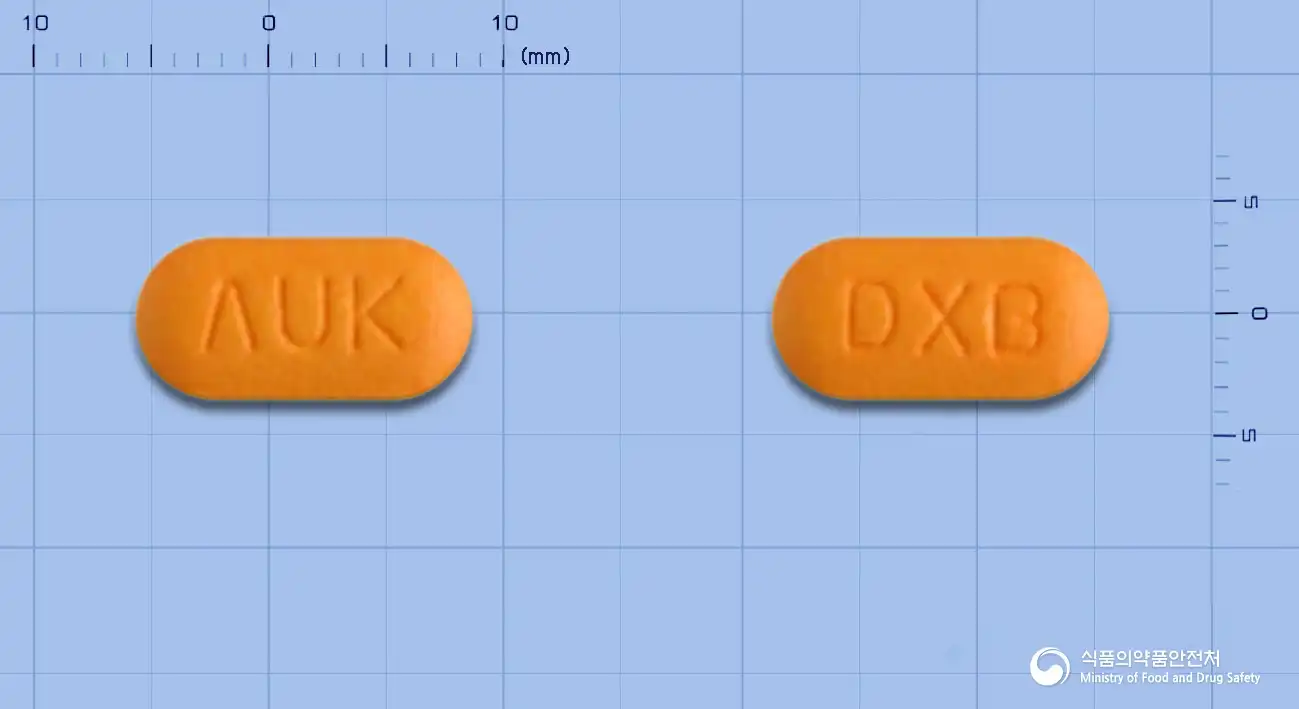
Orange rectangular film-coated tablet
30 tablets/bottle, 1000 tablets/bottle
Even with the same ingredient, strength, dosage form and how it is taken can differ.
Viewing nowDexibuprofen D.C. 300mg
Tablet · OTC medication
Os Korea Pharmaceutical Co., Ltd.

Dexibuprofen D.C. 300mg
Tablet · OTC medication
HanKoong Union Pharmaceutical Co., Ltd.
Dexibuprofen D.C. 300mg
Tablet · OTC medication
Korea Pharmaceutical Co., Ltd.
Dexibuprofen D.C. 400mg
Tablet · Prescription medication
Samik Pharmaceutical Co., Ltd.
Dexibuprofen D.C. 400mg
Tablet · Prescription medication
Dasan Pharmaceutical Co., Ltd.

Dexibuprofen D.C. 400mg
Tablet · Prescription medication
Ilhwa Co., Ltd.
Dexibuprofen D.C. 400mg
Tablet · Prescription medication
Aliko Pharmaceutical Co., Ltd.
Dexibuprofen D.C. 400mg
Tablet · Prescription medication
Hanlim Pharmaceutical Co., Ltd.
Even with the same ingredient, the dose and directions can differ by strength and dosage form. Talk to a doctor or pharmacist before switching from a medication you are already taking.
No questions yet.
For anything that needs medical judgment, consult a doctor or pharmacist.
This drug information is based on data provided by the Korea Ministry of Food and Drug Safety.
Consult a doctor or pharmacist for accurate dosage, administration, and usage instructions.